REVIEW · VARANASI
Varanasi Walking and Heritage Tour
Book on GetYourGuide →Operated by Praveen Pathak · Bookable on GetYourGuide
Three hours in Varanasi can change your whole day. This is a guided walk built around the places that explain the city’s spiritual gravity, from the Manikarnika Ghat area to the Kashi Vishwanath Temple corridor, with quick tea breaks and lots of street-level color along the way. You also get a chance to connect the names you’ve heard—Shiva, Parvati, Kashi—with what you see in front of you.
I love the way this tour moves through both big landmarks and smaller holy corners without turning it into a checklist. Two standouts for me: the temple-to-temple flow that makes the sacred geography easier to understand, and the Manikarnika Kund stops where the guide turns scenes into meaning (not just photos).
One possible drawback: pacing. In one reported style, the guide covered ground fast and spoke heavily at each stop, which can feel less conversational if you like a slower walk with the guide beside you. If that’s your style, ask for a calmer pace at the start.
In This Review
- Key highlights to watch for
- Why Varanasi Makes Sense Best on Foot
- Starting at Bank of Baroda ATM: A Simple Meet-Up That Saves Time
- Shri Vishalakshi Mata Shaktipeeth Temple: The Route Begins With Power
- Dharmeshwar Mahadev Temple (Kashi Khand): A Quick Dose of Meaning
- Walking Into Shri Kashi Vishwanath Temple: Corridor Views and Small Details
- Manikarnika Kund: Tea, Photos, and the City’s Hard Truth
- Nepali Temple (Kathwala Temple): A Different Flavor of Sacred Space
- Ratneshwar Temple and Chakrapushkarni Kund: The Supporting Cast
- Flower Market: Color, Scent, and Why It Matters Here
- Ganga Aarti Potential: A Beautiful Bonus If Timing Lines Up
- Price and Value: Why $13 Works Here
- What the Guides Do Well (And What to Ask For)
- Who This Tour Is For
- Should You Book This Varanasi Walking and Heritage Tour?
- FAQ
- How long is the Varanasi Walking and Heritage Tour?
- Where does the tour start and end?
- What languages are the live guides available in?
- What is included in the price?
- What is not included?
- Is it possible to cancel for a refund?
Key highlights to watch for
- Manikarnika Ghat and Kund area where the city’s rituals are front and center
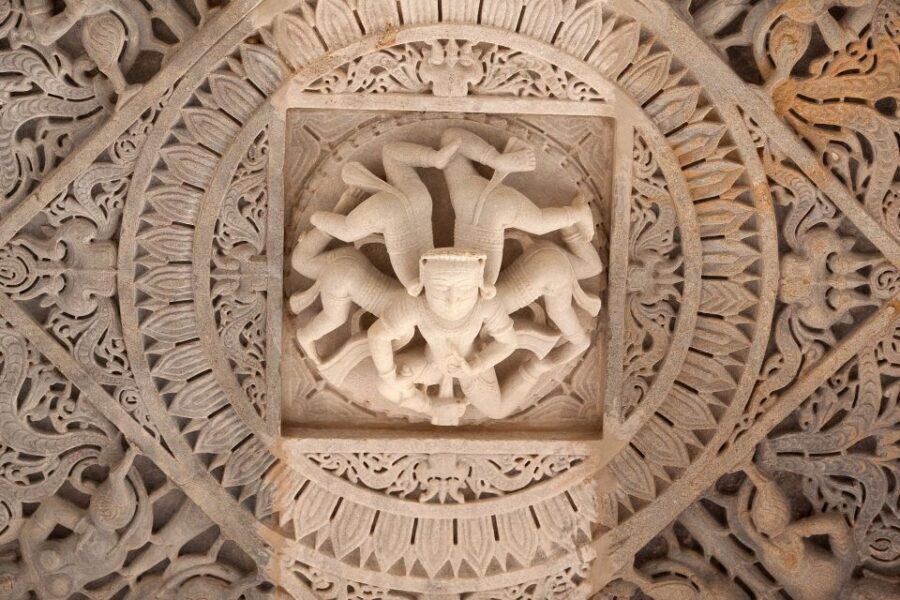
- Shri Kashi Vishwanath Temple corridor for a focused look at temple architecture and movement
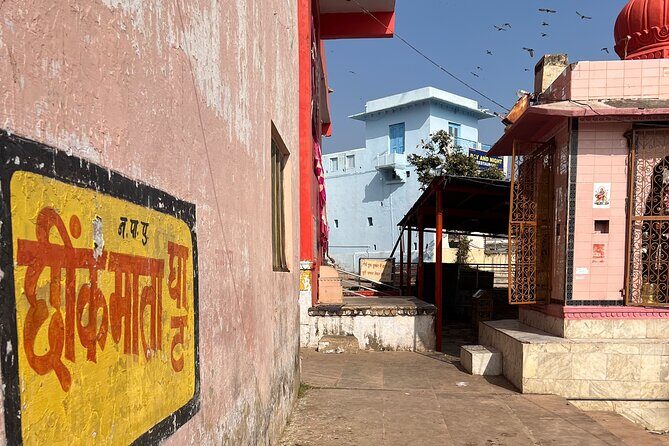
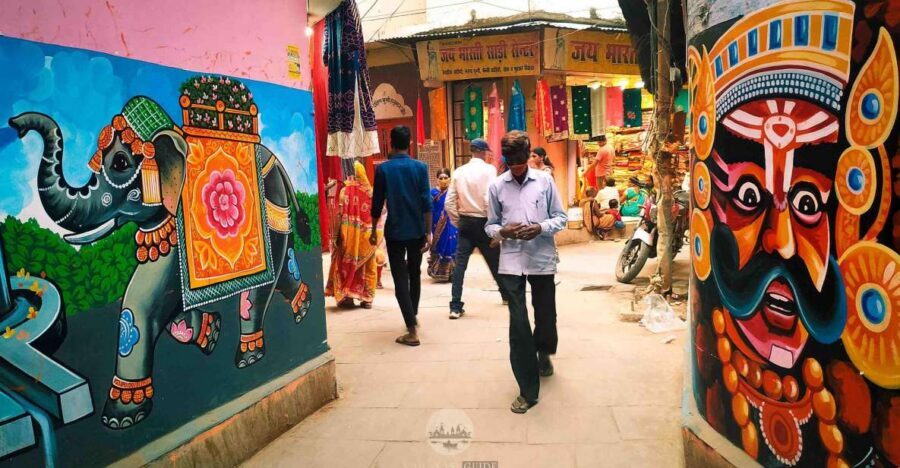
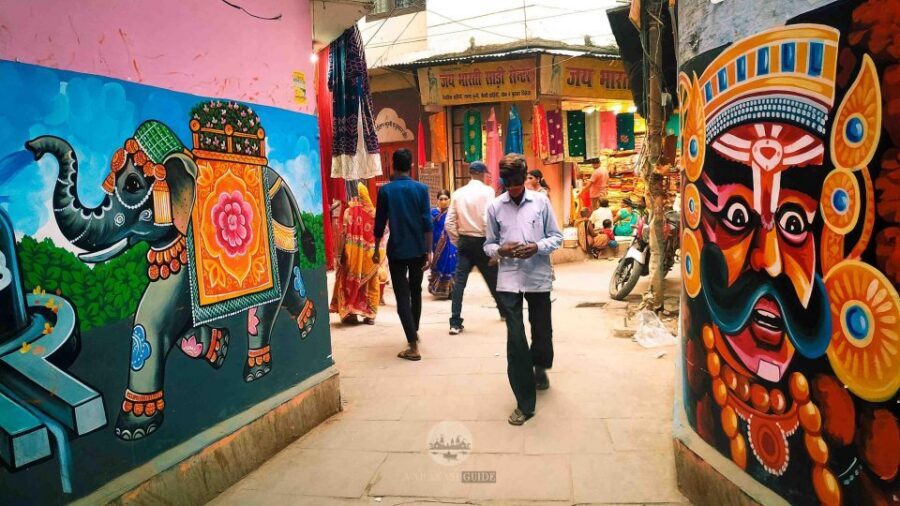
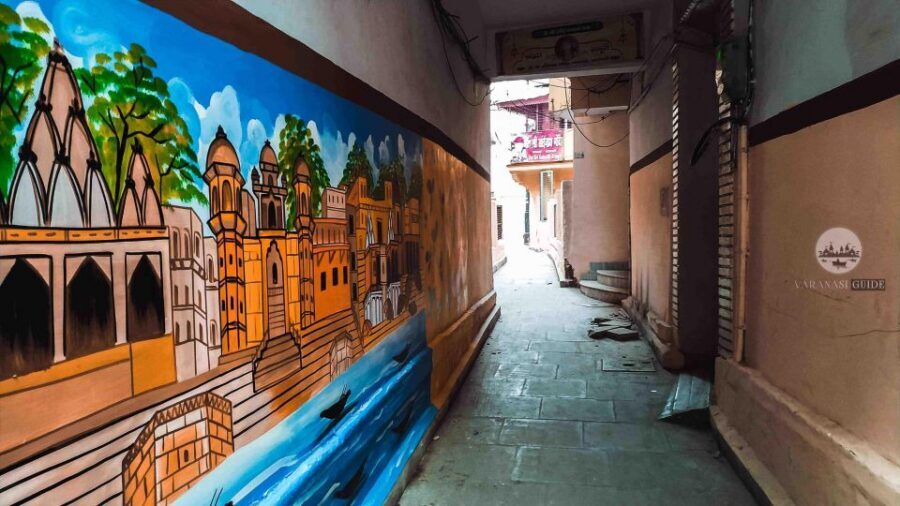
- Tiny temple-street color and art that makes the city feel handmade, not just historic
- Flower market stop that adds sensory texture to the route
- Tea and water included so you’re not scrambling mid-walk
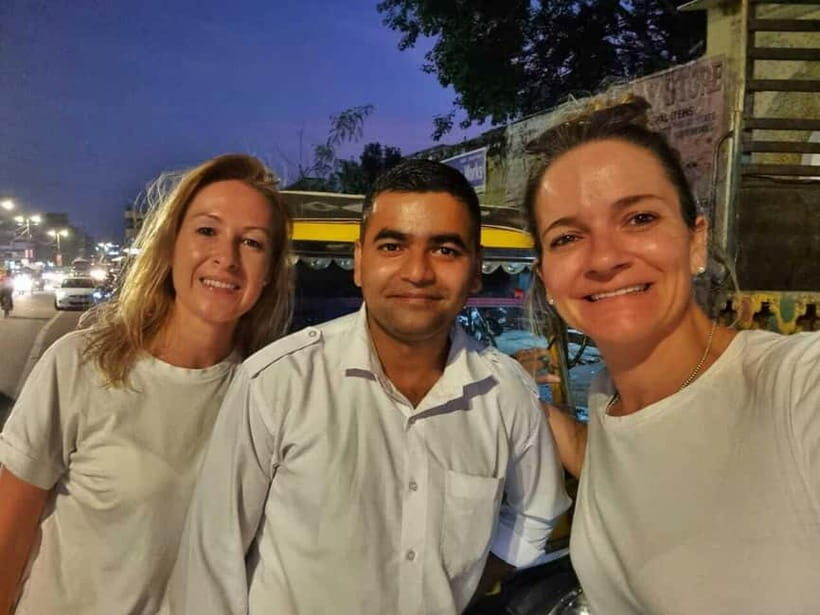
- Praveen Pathak and team energy with guides who aim to bring culture to life
Why Varanasi Makes Sense Best on Foot
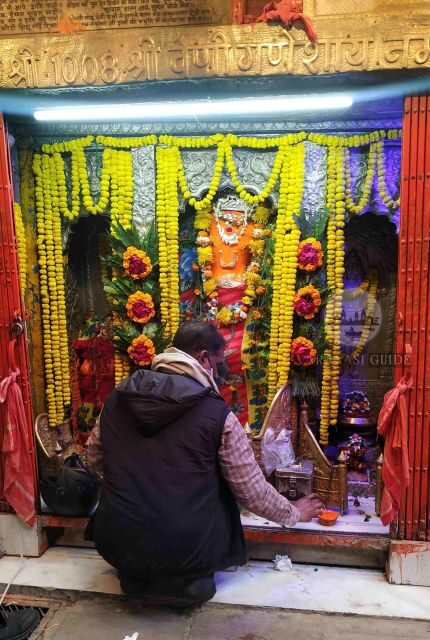
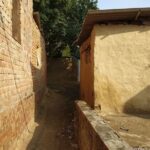
Varanasi isn’t the kind of place you truly grasp from a bus window. On foot, the city becomes smaller and more personal. You notice how temples sit beside everyday life, how streets bend and narrow, and how people move with purpose.
This tour is built for that. It’s short at 3 hours, but it’s packed with moments that help you understand why Kashi matters to millions. You’ll also get time for tea and photo stops, which is important in a city where moments can change quickly.
You can also read our reviews of more walking tours in Varanasi


Starting at Bank of Baroda ATM: A Simple Meet-Up That Saves Time

Your tour starts at the Bank of Baroda ATM—a clear landmark that helps you avoid the usual early confusion. The walk runs for about three hours and returns you to the same meeting point, which is great if you’re trying to fit Varanasi into a tight schedule.
Because the group is walking between sites, comfortable shoes matter. You’ll also want to hydrate since bottled water and tea/coffee are included, but drinks and lunch are not. If you’re planning to keep exploring after the tour, eat something before or plan a late meal.
Shri Vishalakshi Mata Shaktipeeth Temple: The Route Begins With Power
The tour opens at Shri Vishalakshi Mata Shaktipeeth Temple, Kashi, with a short guided visit. Even at the start, the guide gives you the kind of context that helps you stop seeing temples as just pretty buildings. You start connecting what you’re seeing to what the place represents spiritually.
A big value here is pace. The visit is brief, which keeps you from burning out early. It also sets a tone: you’re not just passing through; you’re learning what to look for.
Dharmeshwar Mahadev Temple (Kashi Khand): A Quick Dose of Meaning
Next comes Dharmeshwar Mahadev Temple, Kashi Khand. This stop works well because it’s another “chapter” in the same story. By the time you move on, you’ll have a clearer sense of how different shrines relate to the wider Kashi world.
One practical benefit: these temple visits are short enough that you can stay mentally fresh. In a city with so much to see, that matters more than you’d think.
Walking Into Shri Kashi Vishwanath Temple: Corridor Views and Small Details
Then you reach Shri Kashi Vishwanath Temple, including time for a walk and guided orientation. This is where the experience starts to look different from standard sightseeing. The temple corridor is focused and visually intense, and it helps you understand how pilgrims flow through space.
The guide’s job here is key. Good guiding turns architecture into a story: what you’re seeing, why it matters, and how it fits into the broader spiritual center of Varanasi. If you’re the type who likes to know what you’re looking at, this portion tends to land well.
You can also read our reviews of more historical tours in Varanasi



Manikarnika Kund: Tea, Photos, and the City’s Hard Truth
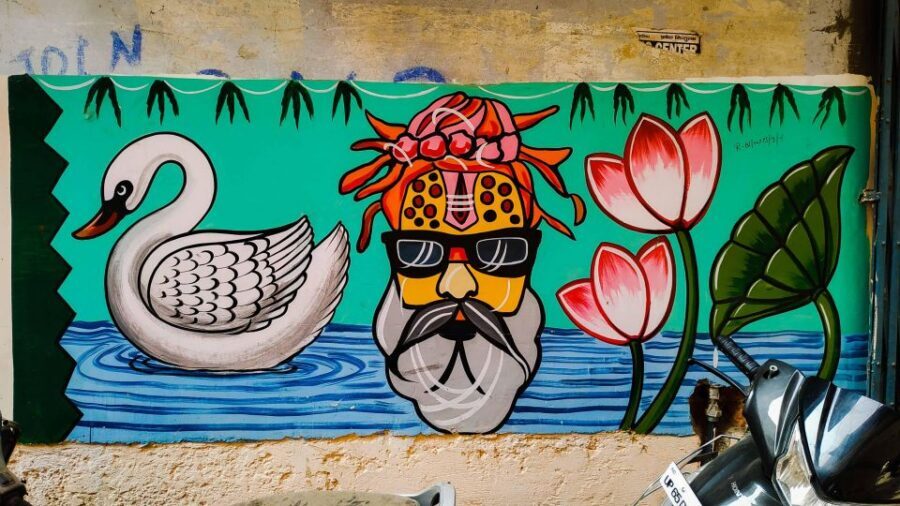
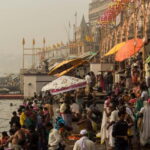
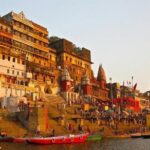
The route brings you to Manikarnika Kund and you get a photo stop plus tea and guided explanation. This area is one of the most meaningful parts of Varanasi, and it also has a serious tone. The tour frames it as more than a postcard. You’re guided toward understanding the truth of life that people connect to here.
Later, you pass back through the Manikarnika Kund area again for another guided visit. That second time is valuable because it prevents the classic problem: seeing something once, then missing half the meaning because you were busy taking photos. With time, you can actually notice more.
If you want the most out of it, slow down during the tea break and listen. This is the kind of stop where the guide’s words change how you interpret what you see.
Nepali Temple (Kathwala Temple): A Different Flavor of Sacred Space
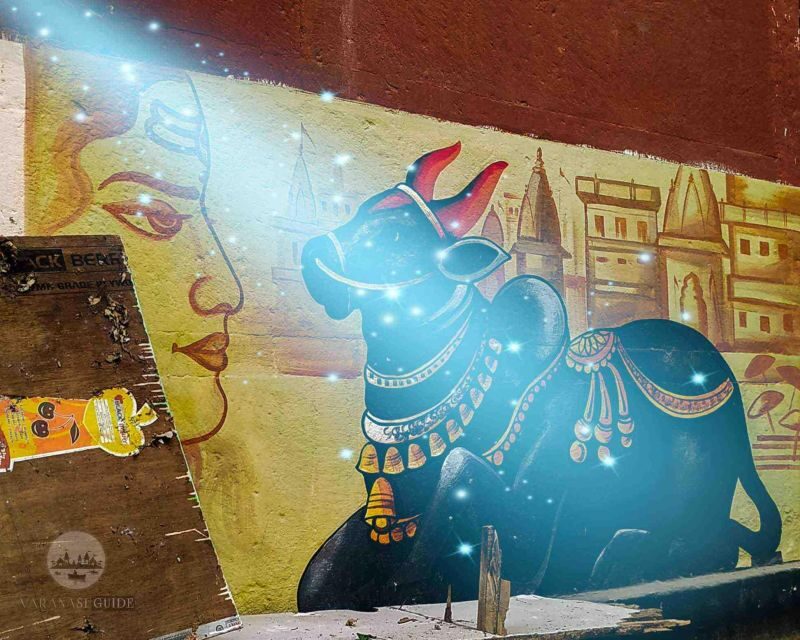
After the ghat-area focus, you’ll visit the Nepali Temple, also known as the Kathwala Temple, with guided time. This stop helps break up the heaviness with something visually and spiritually distinct.
It’s also useful for people who worry that Varanasi tours can feel repetitive. Adding a temple that feels separate in style and atmosphere helps keep your attention. The guide also uses it to explain how sacred spaces differ even when they share the same spiritual ecosystem.
Ratneshwar Temple and Chakrapushkarni Kund: The Supporting Cast
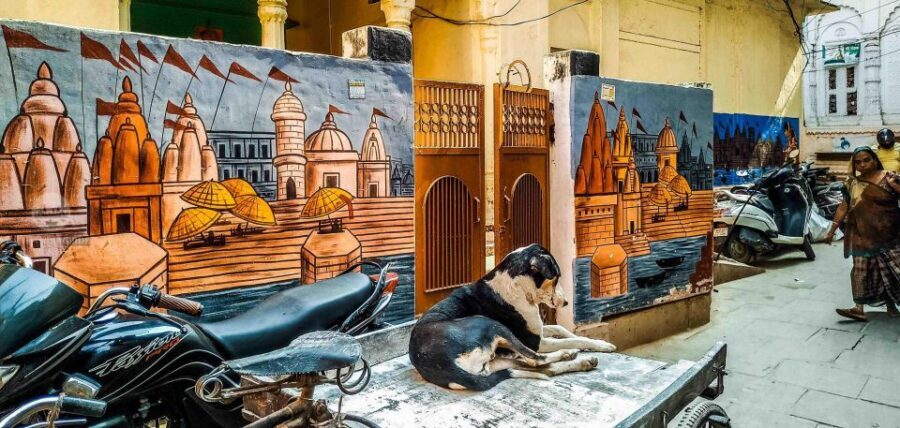
In the temple-and-water zone near the Manikarnika area, you’ll cover included sites such as Manikarnikeshwar Temple, Ratneshwar Temple, and Chakrapushkarni Kund. These aren’t always the first things people mention in casual planning, which is exactly why they’re worth including.
What you gain is perspective. When you only see the most famous points, Varanasi can feel like a single scene. These additions show the layered nature of the city’s sacred geography—more corners, more purpose, more connections than one highlight photo.
Flower Market: Color, Scent, and Why It Matters Here
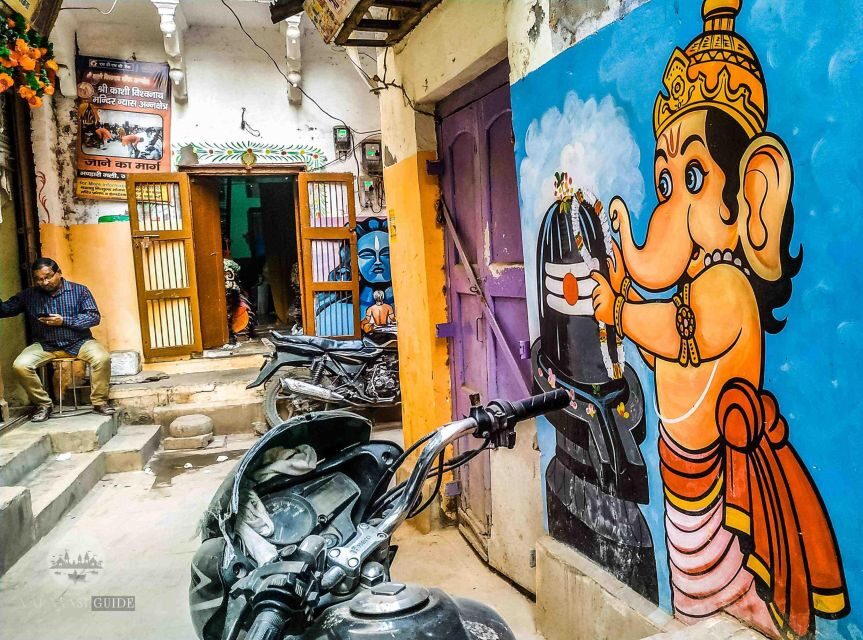
The tour also includes a flower market stop, and that’s more than a nice detour. Flowers matter in Varanasi’s rituals and daily devotion. Seeing the market in the same tour as the temples and ghat area helps you understand how the city’s spiritual life connects to work, trade, and everyday movement.
If you like photographing textures—petals, hands arranging offerings, bright colors against stone—this is the kind of stop that gives you that visual variety without adding extra hours.
Ganga Aarti Potential: A Beautiful Bonus If Timing Lines Up
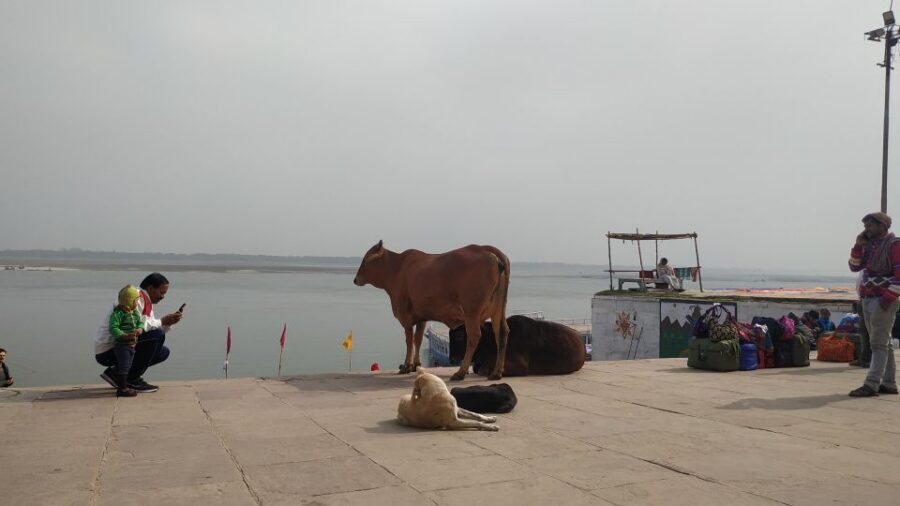
One of the strongest themes from guide experiences is the possibility of seeing Ganga Aarti, when the schedule allows. If you’re there in the right window, it can be one of the most emotional moments of the whole trip, because it ties the river to living faith rather than distant legend.
The honest planning move: don’t count on it as guaranteed every single day. But if it happens during your time, treat it like the main event and give it your full attention.
Price and Value: Why $13 Works Here
This tour is priced at $13 per person for about 3 hours, which is excellent value for what’s included. You’re not just paying for walking and a map—you’re covering multiple temple and kund admissions, plus tea/coffee and bottled water.
That matters in Varanasi. Small costs add up quickly when you’re hopping between sacred sites. Here, the package keeps you focused: arrive, walk, see, learn, take a break, and leave without the constant calculation of what’s covered.
The main thing not included is also clearly stated: drinks and lunch. So treat the tour as a half-day education and plan food around it.
What the Guides Do Well (And What to Ask For)
The experience is shaped by the live guide. Praveen Pathak is named as the provider, and other guide teamwork shows up in descriptions of the experience. The best moments tend to happen when the guide explains how places connect—rather than just listing facts.
You’ll also see a practical range in guide styles. One person described a guide who spoke with a lot of detail and sometimes moved ahead instead of walking with them. If you prefer a slower, more conversational pacing, ask directly before you start: you want the guide to walk with your group and slow down when you need time to process.
That simple request can make the difference between feeling lectured and feeling guided.
Who This Tour Is For
This tour fits best if you want:
- A structured introduction to Varanasi without getting overwhelmed
- Temple-focused walking with guided context and short visits
- Time for tea and photo stops rather than rushing nonstop
- A mix of major sites plus quieter supporting stops in the same sacred zone
If you already have a lot of background and only want the biggest names, you might find it a bit more guided and interpretive than you expect. But for most first-timers, it’s a strong way to get oriented fast and see why Kashi draws people back again and again.
Should You Book This Varanasi Walking and Heritage Tour?
I’d book it if you want a short, well-paced way to connect Varanasi’s temples, river rituals, and street life into one coherent experience. The value is strong because admissions and refreshments are included, and the tour covers the kinds of places that explain the city rather than just displaying it.
Skip it if you hate a guided style where the guide talks often at each stop, or if you’re very sensitive to pacing and you need someone walking right beside you the whole way. In that case, message your preference for slower conversation and movement. With the right pace, this tour can turn Varanasi from a blur into something you understand.
FAQ
How long is the Varanasi Walking and Heritage Tour?
It lasts about 3 hours.
Where does the tour start and end?
The tour starts at the Bank of Baroda ATM and returns there at the end.
What languages are the live guides available in?
The live guide is available in English, Spanish, and Hindi.
What is included in the price?
Tea/coffee, bottled water, and entry/admission for several sites including Shri Vishalakshi Mata Shaktipeeth Temple, Nepali Temple (Kathwala Temple), Manikarnika Ghat, Manikarnikeshwar Temple, Ratneshwar Temple, and Chakrapushkarni Kund.
What is not included?
Drinks and lunch are not included.
Is it possible to cancel for a refund?
Yes. Free cancellation is available up to 24 hours in advance for a full refund.
If you’d like, tell me your travel month and whether you prefer photo time or more conversation, and I’ll suggest how to time this tour during your day.