REVIEW · VARANASI
The Heritage City Tour in Varanasi
Book on Viator →Operated by The Heritage city walk by Amit (アミットツアー) · Bookable on Viator
Varanasi makes sense fastest on foot. This heritage-style walking tour takes you through the Ganges front, from major ghats to quieter corners, then ends with a first-class river ritual. It’s built for people who want meaning, not just photos.
I especially like the local guidance from Amit, a Varanasi-born guide who can speak Japanese too, so you’re not stuck if English is limited. I also like that the route is active but not random: you get a structured sequence of river stops, a 60-minute boat ride, and a proper look at the Ganga Aarti.
The main thing to consider: like any tour that depends on exact pickup timing, you’ll want to confirm your pickup spot and be ready to handle last-minute communication if things run late.
In This Review
- Key things that make this tour worth your time
- Varanasi in 4.5 Hours: why this route works
- Meet Amit: local Varanasi guide with Japanese support
- Dasaswamedh Ghat: stepping into the Ganges center
- Harishchandra Ghat: understanding the cremation ghats
- Assi Ghat: the Durga legend and a calmer rhythm
- The 60-minute Ganges boat ride: seeing Varanasi from the water
- Banaras Hindu University and the Kashi Vishvanath Temple area
- Ganga Aarti: how the river becomes a ceremony
- Cost and value: what $88 really covers
- Walking pace, private group flow, and what to pack
- Who should book this tour (and who might not love it)
- Should you book the Heritage City Tour with Amit?
- FAQ
- How long is the Heritage City Tour in Varanasi?
- Is pickup included?
- What’s included in the tour price besides the tour itself?
- Is the boat ride ticket included?
- What are the main stops on the tour?
- Is this tour private?
- Is there an option for languages like Japanese?
Key things that make this tour worth your time

- A Varanasi-born guide (Amit) who can help in Japanese
- A route that mixes major ghats, smaller lanes, and river views
- Ganga Aarti time built into the experience
- Boat ride included in the program (about 60 minutes)
- Admission tickets included for most key stops, plus tea or coffee
- Private tour format, so your group stays together
Varanasi in 4.5 Hours: why this route works
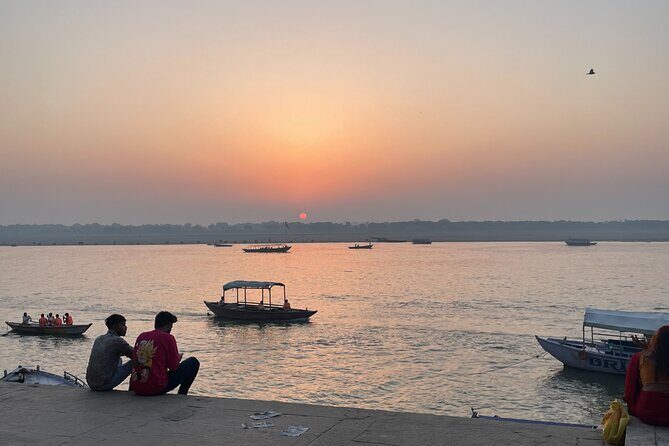
A good Varanasi experience has to do two things at once: show you the sacred river life, and keep you moving before your energy runs out. This tour follows the Ganges corridor in a tight sequence, so you get the feeling of the city without spending hours figuring out logistics.
The time blocks are also realistic. You’re not stuck in long museum-style rooms; you’re at the river, at the ghats, and at a major temple setting, then you get back out into the streets again. For many people, that’s the sweet spot: enough time to understand the places, not enough time to get bored.
You can also read our reviews of more city tours in Varanasi


Meet Amit: local Varanasi guide with Japanese support
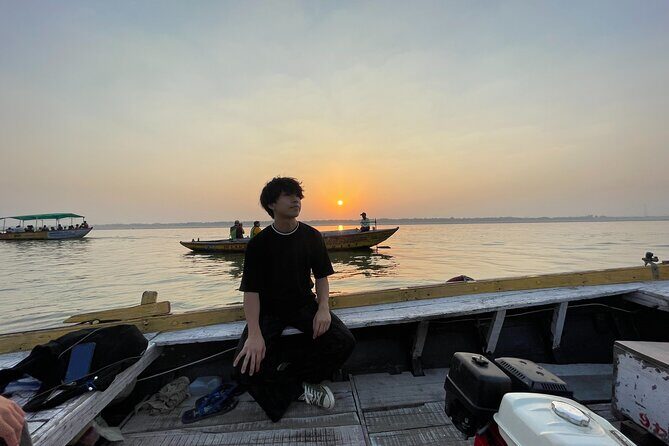
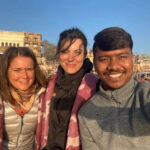
This is a private tour run by Amit (アミットツアー), and that single detail changes the whole pace. He’s from Varanasi and works as a guide, with the goal of showing you both famous and lesser-known corners.
Two practical wins stand out. First, Amit can speak Japanese, so you can ask questions clearly even if English is not strong. Second, the tour style is built around walking and explaining—so you’re not just standing near holy sites, you’re learning how locals interpret what you’re seeing.
One more thing: there’s an option to adjust. If your group wants a slightly different angle—more time at a ghat view, a shorter stop, or extra questions—you’re more likely to get that flexibility in a private format than on a big group bus.
Dasaswamedh Ghat: stepping into the Ganges center
Your first major stop is Dashashwamedh Ghat, one of the Ganges’ key ghats in Varanasi. It sits close to the Vishwanath Temple area, so you’re right in the heart of the city’s religious geography.
This place matters because it functions as a main ceremonial point. You’ll see how the ghat becomes a stage for everyday devotion and big spiritual moments, not just a riverside walkway. Even if you’ve never studied Hindu ritual before, the location makes the meaning easy to grasp: the river is the focus, and everything else organizes around it.
What to watch for: it can feel intense and crowded depending on the time of day. If you don’t like close quarters near crowds, ask your guide to place you for the best views without getting stuck at the rail line.
Harishchandra Ghat: understanding the cremation ghats
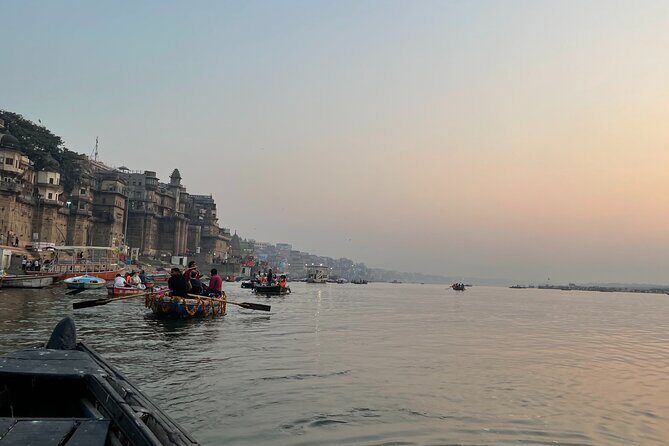
Next up is Harishchandra Ghat, one of Varanasi’s two cremation ghats (the other is Manikarnika Ghat). This stop has a serious, direct purpose in Hindu life: people bring relatives here for cremation.
This is the part of the tour that can hit emotionally. You’re not on a sightseeing stop in the usual sense; you’re in a living ritual space. Having a guide who can explain what’s happening (and why) makes a big difference, especially when you’re trying to respect the moment without turning it into a spectacle.
A practical consideration: if you’re sensitive to death-related rituals, let Amit know early. A good guide can help you position yourself respectfully and steer you through the stop with clarity rather than shock.
Assi Ghat: the Durga legend and a calmer rhythm
Then you shift to Assi Ghat. It’s tied to a legend about Goddess Durga: after defeating demons Shumbha-Nishumbha, she threw her sword into a river called Assi, and that story is why the ghat carries this name.
This stop works well because it changes the mood. Many people find it easier to connect here—not because the religious importance is smaller, but because the rhythm can feel different. You can also expect regular evening ritual activity, with more crowding at the times when the ceremony draws people.
What to do: use this stop to reset your senses before the boat ride. Take a moment to look at how people move—locals don’t treat this as a theme park, and that contrast helps you understand the city’s real tempo.
You can also read our reviews of more historical tours in Varanasi




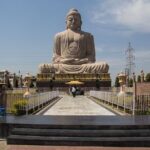

The 60-minute Ganges boat ride: seeing Varanasi from the water
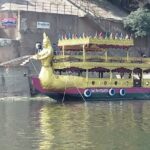
After the ghat walk, the tour includes a boat ride of about 60 minutes on the Ganges. This is where the city stops being a sequence of points on a map and becomes a continuous river world.
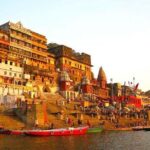
From the water, you get a different scale of everything: ghats line up like stages, temples relate to the riverbank in clearer sightlines, and the movement of people feels more coordinated. It’s also a smart break. After walking, your legs get relief while your eyes still get rewarded.
One key detail: the boat ride ticket is not included. That doesn’t automatically make the experience bad value—just plan for that extra cost so you’re not surprised on the day.
Banaras Hindu University and the Kashi Vishvanath Temple area
The next leg is about 1 hour around Banaras Hindu University, paired with time connected to the Kashi Vishvanath Temple area. Kashi Vishvanath is one of the most famous Hindu temples dedicated to Lord Shiva, located on the western bank of the Ganges, and it’s part of the wider Jyotirlinga tradition.
This stop gives you contrast. After ghats and river rituals, you get the temple atmosphere and the way people treat devotion as a daily rhythm. You’re also getting a feel for how Varanasi holds multiple layers at once: spirituality, education, and city life all sharing the same geographic space.
Consideration: temple visits often involve rules around behavior and dress. If you’re planning your outfits for India in general, choose clothing that helps you stay respectful without overheating.
Ganga Aarti: how the river becomes a ceremony
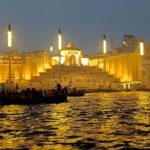
The tour ends at Ganga Aarti, an expression of reverence to the sacred Ganges believed to cleanse sins and support spiritual purification. This is one of those experiences where being nearby matters, because the energy comes from what people are doing in real time—not from a performance you can safely watch from far away.
This stop also explains why this tour is scheduled the way it is. The ghats are meaningful on a normal day, but Aarti turns them into something else: a communal moment focused on light, sound, and devotion. It’s not just a viewing exercise; you’re witnessing belief enacted.
Tip: wear comfortable shoes and keep your head and shoulders covered if the setting expects it. Also, arrive mentally ready to stand for a while. The better you manage your comfort, the more you’ll absorb what’s going on.
Cost and value: what $88 really covers
At $88 for about 4 hours 30 minutes, the value is mostly in what’s included and in how the time is structured. You get pickup offered, mobile ticket, and tea or coffee.
You also get admission tickets included for several key parts of the route: Dasashwamedh Ghat, Harishchandra Ghat, Assi Ghat, Banaras Hindu University, and Ganga Aarti. That’s a big deal because it removes uncertainty—no wandering around trying to buy the right ticket while your guide waits.
What’s not included: lunch and dinner, and also the boat ride ticket. So if you’re budgeting your total day, treat the boat as the only likely extra payment inside this plan.
Walking pace, private group flow, and what to pack
This tour is private, meaning only your group participates. That matters for Varanasi, because you can move at a pace that fits your comfort level and keep together when sidewalks get narrow.
From the way the walk is described, expect a steady pace with time for information and stops that help you understand the places. People also talk about back alleys and close-up city texture—so you’ll be experiencing everyday lanes, not just the front-of-ghat view.
Pack the basics:
- Comfortable walking shoes with grip
- A small water bottle and sun protection
- A light layer for temples or crowds
- Cash for anything not included, especially if the boat ticket is payable on-site
Who should book this tour (and who might not love it)
I think this fits best if you want a guided, meaningful introduction to Varanasi’s sacred river life in a short window. It’s also a strong pick if you appreciate someone who can explain what you’re seeing—especially at the cremation ghat, where context matters.
It may not be ideal if you’re very uncomfortable with death-related rituals or if you hate walking through busy areas. Even then, you can still ask for adjustments; the tour is private, and your guide can often shape where you stand and how long you stay.
Should you book the Heritage City Tour with Amit?
If you want a compact, high-impact Varanasi experience with real guidance, I’d say yes. The biggest strengths are the guide setup (Amit, local, and Japanese support), the fact that several key stops include admission tickets, and the pairing of ghats with Ganga Aarti plus a boat ride.
The only caution I’d keep front-of-mind is pickup reliability. Confirm your pickup point, keep your phone/message access ready, and don’t assume communication will always work flawlessly. If that’s handled, this is a solid way to understand Varanasi’s spiritual geography without wasting a day.
FAQ
How long is the Heritage City Tour in Varanasi?
It runs for about 4 hours 30 minutes.
Is pickup included?
Yes, pickup is offered.
What’s included in the tour price besides the tour itself?
You get tea or coffee, and admission tickets are included for several stops. You’ll also receive a mobile ticket.
Is the boat ride ticket included?
No. The boat ride is about 60 minutes, and the boat ride admission ticket is not included.
What are the main stops on the tour?
The route includes Dashashwamedh Ghat, Harishchandra Ghat, Assi Ghat, a Ganges boat ride, Banaras Hindu University, and Ganga Aarti.
Is this tour private?
Yes. It’s a private tour/activity, so only your group will participate.
Is there an option for languages like Japanese?
Yes. Amit speaks Japanese, so you can feel more comfortable even if you don’t speak English well.