REVIEW · VARANASI
Varanasi Sunrise Boat Tour
Book on Viator →Operated by Hidden secrets of Varanasi: Vibrant tradition · Bookable on Viator
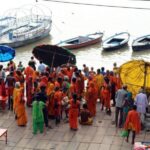
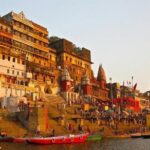
Sunrise on the Ganges changes your pace. This Varanasi sunrise boat tour brings you onto the river at the hour when the city feels quieter and more spiritual, with the sky turning gold above the water. You’ll see morning practices along the banks, from yoga and chanting to people taking sacred dips, and the guide shares what these rituals mean.
I especially like two things about this tour: the time efficiency (about 1 hour 20 minutes, so it fits even busy schedules) and the focused route through well-known ghats that shape how Varanasi functions day to day. It’s not a long sightseeing slog. It’s a compact, high-impact morning.
One consideration: the tour depends on good weather. If conditions are poor, it may be rescheduled or refunded, so don’t plan to leave town immediately after your chosen slot.
In This Review
- Key Highlights You’ll Feel on the Water
- Sunrise on the Ganges: Why This Morning Works
- Price and Value: About $22.68 for a Meaningful Route
- Finding the Start: Meeting at Manmandir Ghat Area
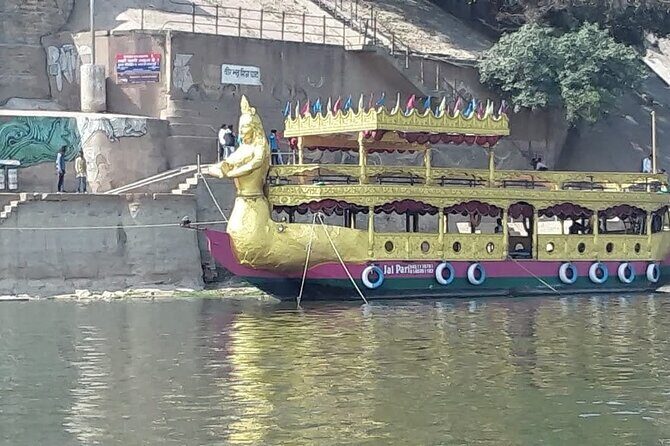
- What the Boat Experience Feels Like: Short, Focused, and Group-Friendly
- Dashashwamedh Ghat at First Light: Old Power by the Temple Area
- Raja Ghat: The Peshwa Connection You Can Actually See
- Harishchandra Ghat: A Smaller Cremation Ghat With Big Meaning
- Manikarnika Ghat: One of the Five Major Ghats
- Coffee, Chants, Yoga: The Morning Ritual Mix You’ll Notice
- The Guide Factor: Badal Pandey, and the Akash Detail
- Timing and Weather: The One Thing You Must Respect
- What to Expect at Each Stop (Without the Confusion)
- Who This Sunrise Tour Is For (and Who Might Want Something Else)
- Should You Book This Varanasi Sunrise Boat Tour?
- FAQ
- How long is the Varanasi sunrise boat tour?
- What is the price per person?
- Are tickets mobile, and will I get confirmation?
- What’s included in the tour?
- Where does the tour start and end?
- Which ghats are included in the route?
- Is lunch included?
- How big is the group?
- What happens if the weather is poor?
Key Highlights You’ll Feel on the Water
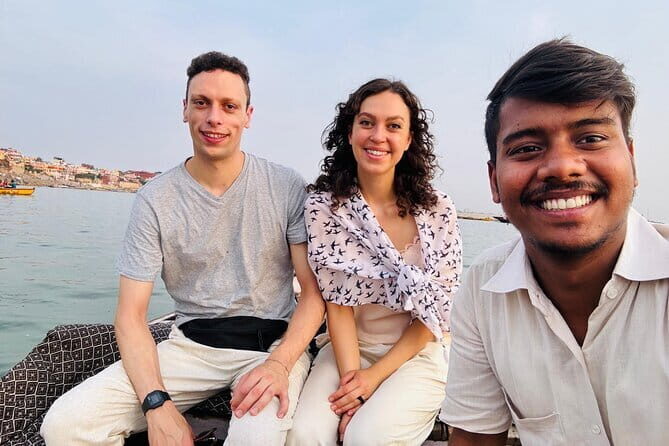
- Golden-hour views of the Ganges, with dawn light reflecting off the river and ghats
- A structured, short route that touches Dashashwamedh, Raja, Harishchandra, and Manikarnika
- Coffee and/or tea included, which helps you stay comfortable in the early morning
- A small group size, capped at 15 travelers, which makes the explanations easier to follow
- Time with a local guide who connects what you see to daily rituals and ghats’ significance
- Stops include the cremation ghats, so you’ll see an important part of Varanasi life up close
Sunrise on the Ganges: Why This Morning Works
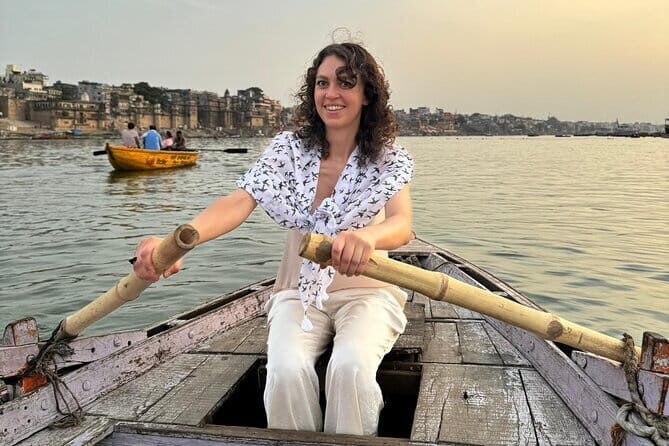
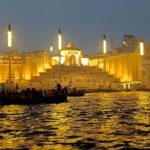
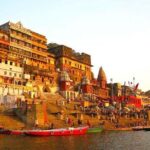
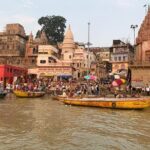
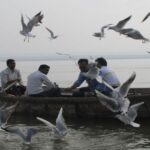
Most mornings in big cities feel like a countdown to work. In Varanasi, the countdown is different. On the water at sunrise, the river feels like the center of the story, not just a viewpoint. The light is softer, the pace is slower, and the ghats look less like attractions and more like living places.
This tour is interesting because it matches three things people usually miss when they arrive in Varanasi: the early hour, the river perspective, and the ritual context. From the boat, you get a moving view of people practicing yoga on the riverbanks and chanting mantras. You also get that moment when the sun rises from the east over the Ganges, which is a natural trigger for reflection and calm.
You can also read our reviews of more boat tours in Varanasi

Price and Value: About $22.68 for a Meaningful Route
At $22.68 per person for about 1 hour 20 minutes, this is priced like a solid cultural experience, not a full-day outing. The value comes from what you get inside that short window:
- Multiple major ghats are covered in one morning, rather than you having to hop between them on your own.
- Tea or coffee is included, so you’re not paying extra just to stay comfortable.
- The stops you visit don’t require additional admission tickets, which keeps costs predictable.
- Group size is limited to a maximum of 15, which can make the guide’s explanations more practical than in large crowds.
If you’re trying to see the key Varanasi highlights without burning your whole day, this fits that goal well. If you’re looking for a deep, all-day itinerary with lots of walking, then you might find this too short. But for many first-timers, short and focused beats exhausting.
Finding the Start: Meeting at Manmandir Ghat Area
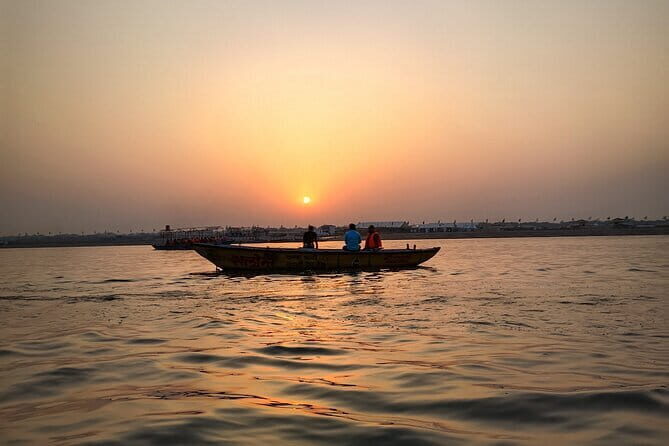
The tour starts at the Virtual Experiential Museum Varanasi area at the address listed as 8256+39P, near Manmandir Ghat in Bangali Tola. The meeting point being near public transportation is a real plus in Varanasi, where getting around can be quicker when you’re not trying to guess your way through the closest alley.
You’ll also return to the meeting point at the end, which reduces stress. In other words: no awkward end-of-tour transfers. Just plan to stay flexible around the early morning timing, since you’ll want to arrive before the river-view excitement begins.
What the Boat Experience Feels Like: Short, Focused, and Group-Friendly
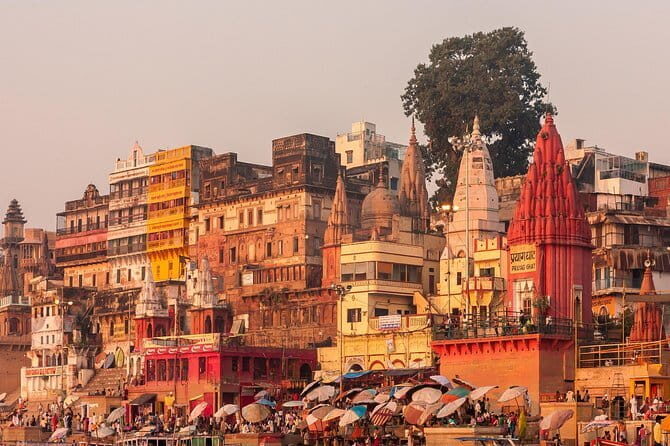
Even though you’re on the water, this isn’t a long leisure cruise. It’s a structured ride designed to move you along the ghats while the morning atmosphere is at its best.
The included coffee and/or tea is a small detail that matters. Sunrise in Varanasi can still feel chilly depending on the season, and having a warm drink helps you stay in the moment instead of rushing to find something to eat.
Because the group is capped at 15, you’re more likely to hear the guide clearly and get answers without elbowing for attention. And since the stops are spaced out, you’re not stuck looking at one spot for too long.
Dashashwamedh Ghat at First Light: Old Power by the Temple Area
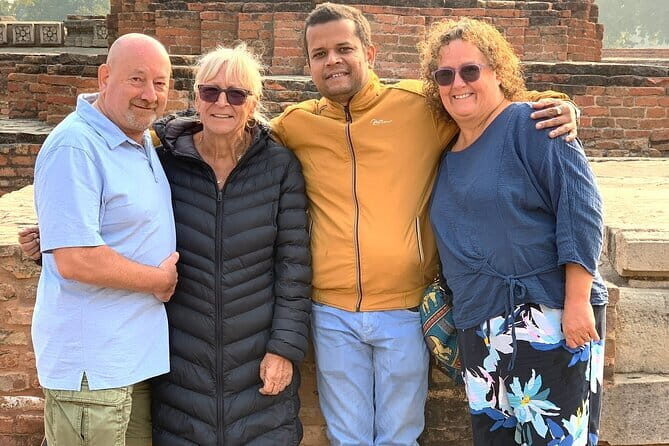
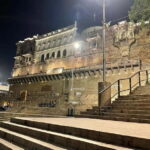
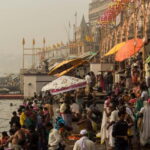
Your first major stop is Dashashwamedh Ghat, one of the oldest and most important ghats in Varanasi. It’s also described as spectacular, and you’ll feel why once you’re on the river looking toward this older temple-area stretch.
From the water, it’s easy to understand why Dashashwamedh is often treated like a headline ghat. It’s tied closely to the old Vishwanath Temple area, and it represents the kind of public spiritual energy that Varanasi is known for.
What I think works well here is the timing. At sunrise, the ghat doesn’t look like a static photo location. It looks like where daily life and devotion overlap. You’ll be watching people practicing and moving in patterns that make more sense once the guide explains what you’re seeing.
You can also read our reviews of more tours and experiences in Varanasi
Raja Ghat: The Peshwa Connection You Can Actually See
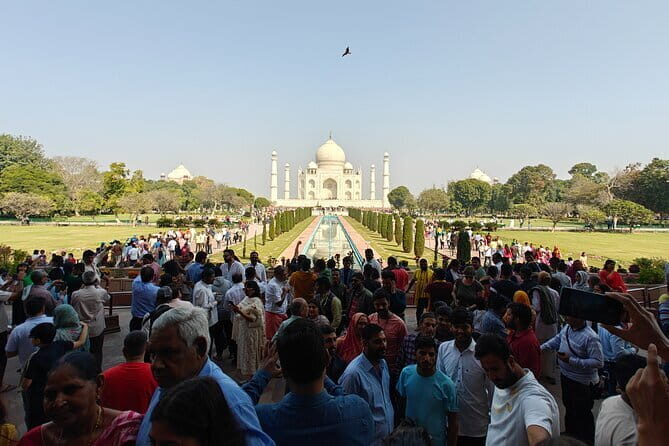
Next up is Raja Ghat, with a story linked to the Peshwa Amritrao of Pune, dated to the early 1800s. The references to names and historical descriptions help you understand that ghats weren’t only built for ritual; they also reflect changing power and patronage over time.
This stop is useful because it gives you variety in what you’re observing. If you only see the most famous cremation or ceremony ghats, your view of Varanasi becomes narrow. Raja Ghat helps broaden the picture by showing how different sections of the riverfront relate to different chapters of the city’s story.
Harishchandra Ghat: A Smaller Cremation Ghat With Big Meaning
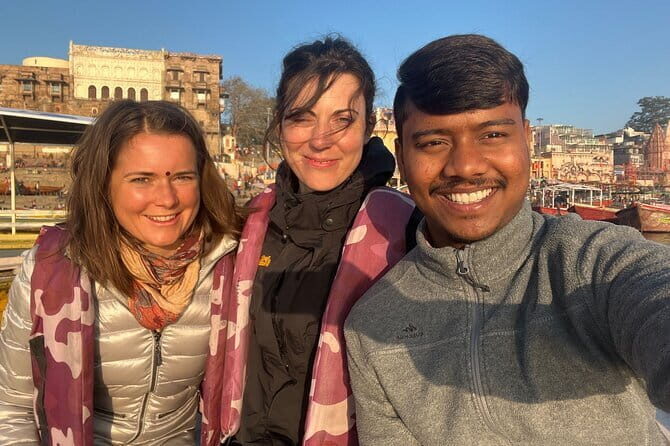
Then you reach Harishchandra Ghat, also known as Adi Manikarnika, which means the original creation ground. It’s identified as one of the two cremation ghats, and it’s smaller than Manikarnika, which is described as the more significant cremation destination.
This is the moment where you’ll likely feel the tour getting real. The Ganges isn’t only about sunrise photos. It’s also a working spiritual river tied to life cycles and funerary practices. Seeing Harishchandra from the boat gives you context without forcing you into the most intense viewpoints on land.
A practical note: if cremation sites make you uncomfortable, you should be mentally prepared before you get to this section. It’s part of the experience, because it’s part of Varanasi.
Manikarnika Ghat: One of the Five Major Ghats
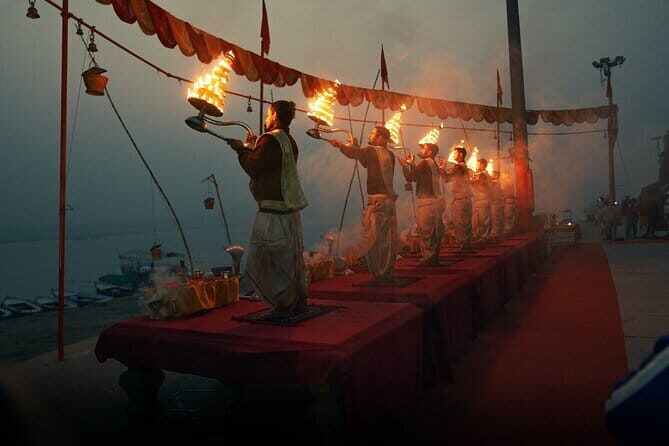
Finally, you come to Manikarnika Ghat, named for the Manikarnika Kund on the ghat, along with the story connected to it. It’s described as one of the five major and oldest pilgrimages and ghats of Kashi.
Manikarnika is often associated with cremation practices, and the tour’s structure helps you approach it with context. You’ve already seen Harishchandra, so Manikarnika doesn’t feel like an abrupt change. Instead, it builds a clearer picture of how cremation ghats function within the broader riverfront system.
If you handle this visit with a quieter, respectful mindset, it can be one of the most memorable parts of the morning. The guide’s explanations can also help you understand why these places matter beyond what you might recognize from general travel advice.
Coffee, Chants, Yoga: The Morning Ritual Mix You’ll Notice
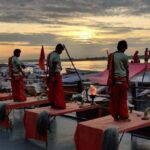
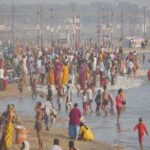
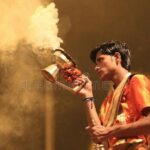
A big reason this works is that it isn’t only about architecture. You’re watching a living schedule of practices. On the riverbanks, you may see:
- Yoga practice near the water
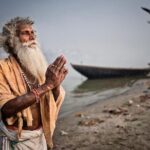
- People involved with chanting mantras
- People taking holy dips in the sacred waters
- Young Brahmins working on recitation and yoga skills
Even when you don’t catch every detail, you’ll feel how routines repeat. That repetition is part of what turns a sunrise boat ride into something more meaningful than a quick photo stop.
The Guide Factor: Badal Pandey, and the Akash Detail
The experience is led by local narration, and the name Badal Pandey appears as the host introducing the spiritual significance of the ghats and daily rituals. That kind of local voice matters, because Varanasi’s riverfront is not “one-size-fits-all.” Each ghat has its own identity and role.
One of the best practical moments from a guide described in the experience: Akash was said to get off the boat to explain the crematorium ghats in greater detail. That’s the kind of hands-on approach that can turn confusion into understanding. If you’re the type who likes clear explanations rather than vague pointing, this is a real plus.
Timing and Weather: The One Thing You Must Respect
This tour requires good weather. Since it’s a sunrise experience, conditions can affect what happens on the day. If the provider cancels due to poor weather, you’ll be offered a different date or a full refund.
So how should you handle this as a traveler? Choose a time slot that doesn’t leave you stranded. Keep your next plans flexible. Sunrise is beautiful, but it’s also weather-dependent everywhere in the world.
What to Expect at Each Stop (Without the Confusion)
The tour is structured so you’re not stuck wondering what comes next. The stops are timed at roughly 20 minutes each, which means you get enough time to look and listen, but not so much that you start losing the thread.
Here’s the practical rhythm you should expect:
- Start at the Manmandir Ghat meeting point area
- Move along the river with a guide explaining what you’re seeing
- Visit each ghat area for a short, focused viewing window
- End back at the meeting point
That flow is good for first-timers. It keeps you oriented while you take in scenes that can otherwise feel overwhelming.
Who This Sunrise Tour Is For (and Who Might Want Something Else)
This tour is a strong fit if you:
- Want a short Varanasi morning with a big view payoff
- Like cultural context, not just sightseeing
- Prefer a small group over a large crowd experience
- Are curious about how rituals connect to specific ghats, including the cremation ghats
You might want to skip or choose a different style of activity if you:
- Feel strongly uncomfortable with cremation-related sites
- Want a long walking tour or a full day of stops with lots of time on land
- Can’t adjust your plans if weather changes affect a sunrise schedule
Should You Book This Varanasi Sunrise Boat Tour?
I’d book it if you want the Ganges at the hour when the city feels least rushed and most spiritually focused. The price is reasonable for what you cover, especially with tea/coffee included and a route through key ghats in about 1 hour 20 minutes. The local guide narration is also a big part of the value, and the small group size helps you actually follow along.
I’d think twice if cremation ghats are a hard no for you. But if you can approach those scenes respectfully and with eyes open, this boat tour gives you a grounded, first-timer-friendly way to understand Varanasi beyond postcards.
FAQ
How long is the Varanasi sunrise boat tour?
It runs for about 1 hour 20 minutes (approx.).
What is the price per person?
The price is $22.68 per person.
Are tickets mobile, and will I get confirmation?
Yes, the tour uses a mobile ticket, and you’ll receive confirmation at the time of booking.
What’s included in the tour?
Coffee and/or tea are included.
Where does the tour start and end?
It starts at the Virtual Experiential Museum Varanasi area near Manmandir Ghat (address listed as 8256+39P, Bangali Tola) and ends back at the same meeting point.
Which ghats are included in the route?
The tour includes stops at Dashashwamedh Ghat, Raja Ghat, Harishchandra Ghat, and Manikarnika Ghat.
Is lunch included?
No, lunch is not included.
How big is the group?
The tour has a maximum of 15 travelers.
What happens if the weather is poor?
The experience requires good weather. If it’s canceled due to poor weather, you’ll be offered a different date or a full refund.