REVIEW · VARANASI
Private Heritage and Spiritual Walk Tour – Varanasi Kashi
Book on Viator →Operated by Tourrnival Jourrneys · Bookable on Viator
Varanasi moves fast, even at 8:30 AM. This private Kashi heritage and spiritual walk is built for people who want the real street level Varanasi: narrow lanes, everyday shopkeepers, pilgrims, and the spiritual rhythm that keeps rolling by the Ganga. You’ll get a guided route that focuses on what’s happening around you and what it means to locals.
I love the morning timing—when you can see bathing and chanting vibes before the day fully heats up. I also love the human pace of the tour: you’re not just staring at monuments, you’re stopping for street chai, samosas, lassi, and conversations that make Hindu culture feel practical, not abstract. One possible drawback: walking near the ghats can bring you close to heavy realities like cremation activity, and that can be upsetting if you’re sensitive.
In This Review
- Key Highlights You’ll Actually Feel on This 3-Hour Walk
- Starting at Girja Ghar Chauraha: How the Morning Sets the Tone
- What You See: Street Life, Ashrams, and the Ganga’s Everyday Power
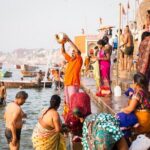
- The Ghats Moment: Morning Bathing and Chanting Without the Noise
- Hidden Secrets in the Lanes: Heritage Buildings and Local Shops
- The Chai and Breakfast Junctions: Snack Breaks That Keep the Pace
- The Guide Matters: Why Manish Singh Gets Repeated Praise
- Pace, Comfort, and What to Bring for a 3-Hour Morning
- Price and Value: What $24.55 Buys You in Varanasi
- Who Should Book This Walk (and Who Might Want Another Plan)
- Should You Book the Private Heritage and Spiritual Walk in Varanasi?
- FAQ
- How long is the Varanasi Kashi Heritage and Spiritual Walk?
- What are the tour hours?
- Where does the tour start?
- Where does the tour end?
- Is this a private tour?
- What’s included in the tour price?
- Is private transportation included?
- Do I need to be in good physical shape?
- Will I receive a ticket on my phone?
- Is the tour easy to understand if I don’t speak local languages?
- What happens if the weather is bad?
Key Highlights You’ll Actually Feel on This 3-Hour Walk
- A street-first route through hidden lanes, not a checklist of landmarks
- Ghats rituals in the morning focus, including bathing and chanting moments
- Food stops that fit the route (snacks plus chai and lassi)
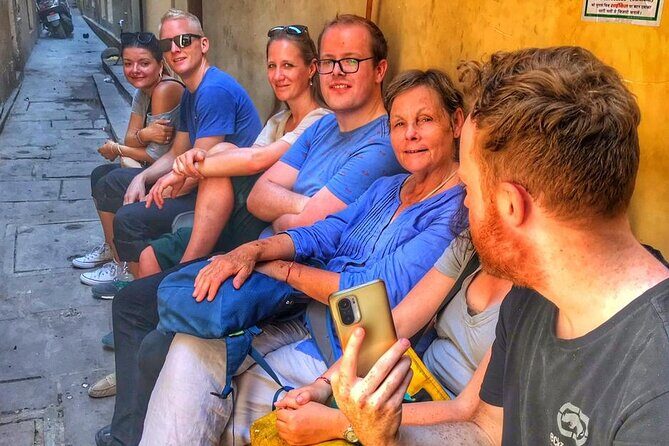
- A private group experience so questions don’t get swallowed by crowds
- An English-friendly guide experience, with Manish Singh often praised for clarity
- Photo-friendly moments, especially along the water front and chai breaks
Starting at Girja Ghar Chauraha: How the Morning Sets the Tone
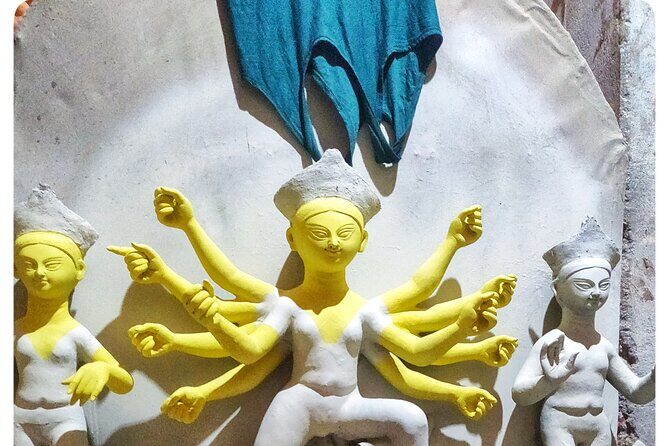
Your tour begins at Girja Ghar Chauraha, Girja Ghar, Varanasi, and ends back at the same meeting point. That matters more than it sounds. In a maze city like Varanasi, starting and finishing in one place helps you relax and pay attention to the walk instead of playing navigation games.
This runs late-morning hours in the sense of starting fairly early: 8:30 AM to 11:30 AM, with operation dates running year-round through the end of 2026. The morning window is also when the city feels most “alive but readable.” You can watch daily life unfold, see how people move, and catch the quieter spiritual beats before streets get harder to manage.
You’ll want to come ready to walk. The tour calls for moderate physical fitness. That usually means uneven sidewalks, crowded footpaths, and some time spent weaving through people. If you’re carrying lots of heavy bags, plan to travel light.
You can also read our reviews of more walking tours in Varanasi


What You See: Street Life, Ashrams, and the Ganga’s Everyday Power
This is labeled as a heritage and spiritual walk for a reason. You won’t just hear stories. You’ll watch daily practice and place meaning on the same road.
Expect to pass:
- Everyday street life: shopkeepers prepping for pilgrims/tourists and locals doing their normal routines
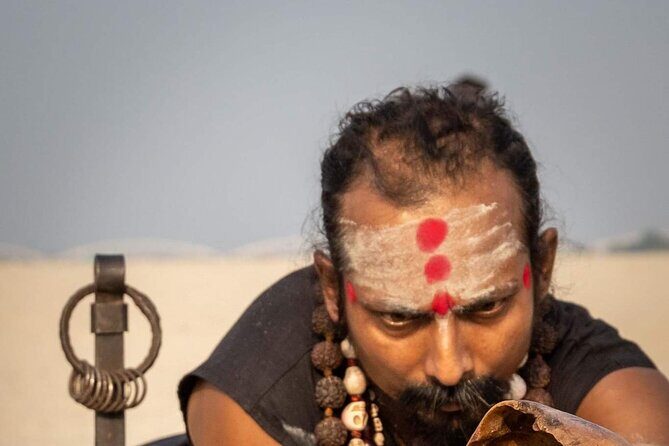
- Asrams and spiritual spaces in and around the neighborhood—more “glimpse and context” than a long stop-and-stare
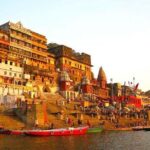
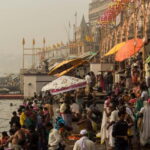
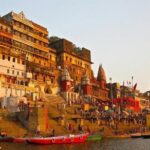
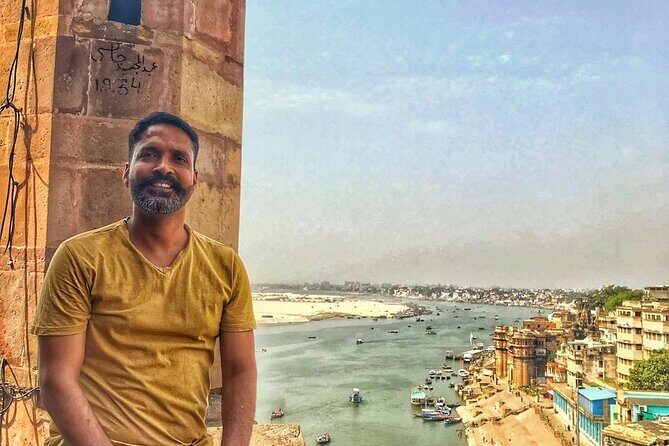
- The water front near the ghats, where the river isn’t scenery. It’s part of the culture’s daily logic
One of the strongest themes you’ll notice is how the city uses spirituality as daily infrastructure. Pilgrims, workers, kids, and holy men overlap on the same streets. The result is less “temple tourism” and more like learning how people live next to their beliefs.
Also, don’t ignore the emotional reality of Varanasi. One review called out the discomfort of seeing cremation along the river. Even if the guide handles it respectfully, you may still be close to it depending on your route timing and the flow of people. If that kind of scene is difficult for you, go with eyes open.
The Ghats Moment: Morning Bathing and Chanting Without the Noise
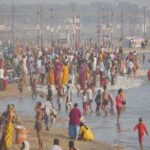
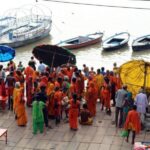
A major highlight here is morning bathing and chanting. In practice, that means you’ll be around the ghats during a time when ritual activity looks more “active” and less like a staged performance. You might see people preparing, washing, and participating in chants, all in that early rhythm.
This part of Varanasi is powerful, but it’s also practical. The guide’s job is to help you interpret what you’re seeing—without turning it into a museum speech. That’s why reviews repeatedly praise guides for explaining Hindu culture clearly and at an easy-to-understand pace.
If you’re the kind of traveler who likes to observe quietly, this works. If you’re the kind who asks questions, this also works. The private format helps you do both without feeling rushed.
Hidden Secrets in the Lanes: Heritage Buildings and Local Shops
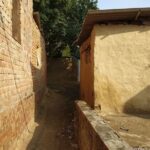
The walk is designed around hidden details: the sort of alley turns you’d miss if you were just walking on your own. Instead of big stops that take forever, you get short passages where the guide points out why something is the way it is—an old building frontage, a shop that serves a specific kind of traveler, or a street pattern shaped by foot traffic and routine.
That street focus is where the tour feels most valuable. Varanasi isn’t only about famous spots. It’s about the surrounding ecosystem: the businesses that cater to pilgrims, the locals who keep the city running, and the way daily errands and spiritual life share space.
If you’re a writer or photographer, this route gives you small story scenes: a face mid-conversation, a hand passing chai, saffron fabric in morning light, and the layered mix of temple life and commerce. Just keep your phone charged. The tour itself encourages it because you’ll want to capture moments quickly before the crowd moves on.
The Chai and Breakfast Junctions: Snack Breaks That Keep the Pace
This tour includes snacks, and the food reviews give you a good idea what that means in real life. People mention stopping for samosas, lassi, and masala chai along the way. In other words: you’re not just buying a drink to survive the walk. The snacks are part of the rhythm.
Why that matters: street food keeps your energy up during a morning when you’re walking through busy areas and possibly adjusting to heat and smells. It also gives you a natural moment to slow down, breathe, and talk.
You’ll also learn faster when you aren’t starving. Food creates a pause in the schedule and makes it easier to ask questions. The guide can connect culture, daily life, and what you’re eating without turning it into a lecture.
You can also read our reviews of more private tours in Varanasi




The Guide Matters: Why Manish Singh Gets Repeated Praise
In multiple accounts, the guide Manish Singh shows up as a real highlight. The themes are consistent:
- easy-to-understand English
- a pace that feels comfortable
- answers to questions that don’t feel rehearsed
That’s important in Varanasi. If you don’t understand what you’re looking at, you’ll either feel lost or you’ll rely on stereotypes. A good guide helps you see the “why” behind the visible. People also noted that the route reveals parts of the city you’d likely never find alone.
One more detail from accounts: some guests noted short tuk-tuk rides added fun and helped reposition the group. Your tour’s core is walking, but you shouldn’t be surprised if there’s a quick transport hop to make the route work.
Pace, Comfort, and What to Bring for a 3-Hour Morning
This is about 3 hours long. That length is perfect for Varanasi, because you get enough time to feel like you experienced something real, but you’re not stuck for half a day.
For comfort, plan for:
- walking on uneven surfaces and crowded lanes
- being ready for smells and sounds (this is street life, not a quiet chapel)
- keeping water in mind even if the tour focuses on snacks and chai
Bring a charged phone/camera. You’ll likely take photos at the ghats and during chai/snack moments. Also consider sun protection. Morning is still India sun, and you’ll move from shade to street light as the walk continues.
If you’re traveling solo, this tour is built for it. Reviews point out it’s a good match for solo travelers and people who like photography and writing because the guide helps you shape what you notice into something meaningful.
Price and Value: What $24.55 Buys You in Varanasi
At about $24.55 per person for a private, guided 3-hour experience, the value comes from three places.
First, you’re paying for interpretation, not just movement. Varanasi can be confusing fast. A guide who explains what you’re seeing makes the walk feel less like confusion and more like understanding.
Second, it includes snacks that typically include samosas, lassi, and masala chai based on what people report. Food might not seem like a big deal until you’re already walking in the lanes and your energy depends on small breaks.
Third, private format matters. You’re not competing with a big crowd for attention. That improves the quality of the Q&A and makes the experience feel more personal, especially if you want to ask sensitive questions respectfully.
What’s not included is private transportation. So if you’re imagining being driven the whole time, reset that expectation. You’ll walk, and any short transport hops (like tuk-tuk) would be situational rather than the main plan.
Who Should Book This Walk (and Who Might Want Another Plan)
This tour is a strong match for you if:
- you want a street-level introduction to Varanasi
- you’re curious about Hindu culture and spiritual practice from real life
- you enjoy morning activity and can handle a busy environment
- you like food breaks and conversation with a guide
You might want a different choice if:
- you’re highly sensitive to scenes around the ghats, including cremation activity
- you prefer quiet, museum-style pacing with no street mixing
- walking on uneven, crowded paths will be too uncomfortable
Should You Book the Private Heritage and Spiritual Walk in Varanasi?
If you want Varanasi that feels like a living city, not a staged photo set, I think you’ll like this. The morning timing, the focus on street life, and the included snacks make it practical. The repeated praise for Manish Singh’s clear English and steady pace is a big deal when you’re trying to understand what you’re seeing.
Book it if your goal is simple: get a grounded, respectful feel for Kashi in a few hours, with a guide who explains what matters.
Skip it if you already know you can’t handle ghats-area realities. Even with a respectful guide, you may still encounter heavy moments along the river.
FAQ
How long is the Varanasi Kashi Heritage and Spiritual Walk?
It’s about 3 hours.
What are the tour hours?
It runs Monday to Sunday from 8:30 AM to 11:30 AM.
Where does the tour start?
The meeting point is Girja Ghar Chauraha, Girja Ghar, Varanasi, Uttar Pradesh, India.
Where does the tour end?
It ends back at the same meeting point.
Is this a private tour?
Yes. Only your group will participate.
What’s included in the tour price?
The tour includes snacks.
Is private transportation included?
No. Private transportation is not included.
Do I need to be in good physical shape?
You should have a moderate physical fitness level since it’s a walking tour.
Will I receive a ticket on my phone?
Yes, it uses a mobile ticket.
Is the tour easy to understand if I don’t speak local languages?
The experience is guided in English, and reviews note the guide’s English can be easy to understand (with Manish Singh often mentioned).
What happens if the weather is bad?
This experience requires good weather. If canceled due to poor weather, you’ll be offered a different date or a full refund. You can also cancel up to 24 hours in advance for a full refund, with no refund if you cancel within 24 hours.