REVIEW · VARANASI
Varanasi: Ancient ghat walk tour with local guide
Book on GetYourGuide →Operated by Incredibile kashi tour · Bookable on GetYourGuide
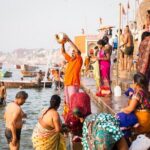
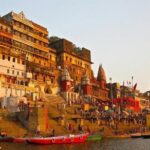
Varanasi feels real on foot. This 2-hour private temple-and-ghat walk gives you a structured way to experience the river’s religious life, starting at calm Assi Ghat and moving through major sites along the Ganges. I especially like the private pacing with an on-the-ground guide who can explain in Italian, Hindi, or English, and the way guides (people like Anmol and Prassan) can tailor the story to what you care about. One thing to consider: you’re walking on ghat steps and through places where cremation rituals are visible from a respectful distance, so it’s not a “light and easy” stroll.
I also like that the route mixes viewpoints with specific stops you might otherwise miss: Lolark Kund (a fertility well) and the red Durga Kund temple connection, plus Shiva’s Kedareshwar area. For the price, you’re not just paying for a walk—you’re paying for entry access, a guide, and time saved at temple lines, which matters a lot in Varanasi.
If you want a fast, meaningful first look at Kashi without getting lost or stuck outside temples, this kind of ghat walk makes sense. If you’re sensitive to intense ritual scenes or have limited mobility, you’ll need to weigh that carefully.
In This Review
- Key things you’ll notice on this ghat walk
- Where the tour starts (and why it matters at Assi Ghat)
- Lolark Kund: a fertility well with a story you can picture
- Durga Kund and the red temple moment (Monkey Temple area)
- Jain Temple stop: religion on the same river line
- Harishchandra Ghat: the cremation ghats, seen respectfully
- Kedareshwar Ghat: Shiva devotion and temple architecture up close
- Kicking into full view: Dashashwamedh Ghat and nearby life
- Manikarnika Ghat: another major riverfront ritual site
- Why the route is only 2 hours (and who it’s perfect for)
- Price and value: what $26 buys you in real terms
- Practical tips so the walk stays comfortable and meaningful
- Who should book this ghat walk
- Should you book this Assi-to-ghats experience?
Key things you’ll notice on this ghat walk
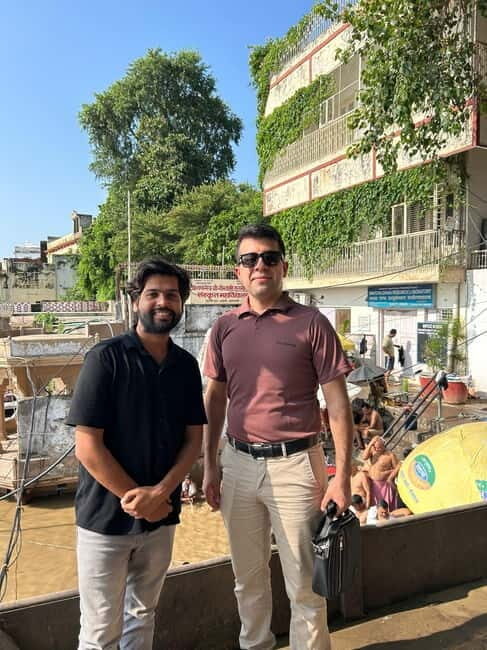
- Assi Ghat first: a quieter start that helps you get oriented before the bigger-name ghats
- Lolark Kund stop: a fertility-and-blessings story you can pair with river views
- Durga Kund (Monkey Temple) and temple contrast: red temple color and devotion you can actually see up close
- Harishchandra Ghat rituals from a distance: one of the oldest cremation ghats, handled with respect
- Dashashwamedh for atmosphere and markets: the most famous ghat, plus nearby browsing
- Manikarnika Ghat added: another major riverfront site to round out the experience
Where the tour starts (and why it matters at Assi Ghat)
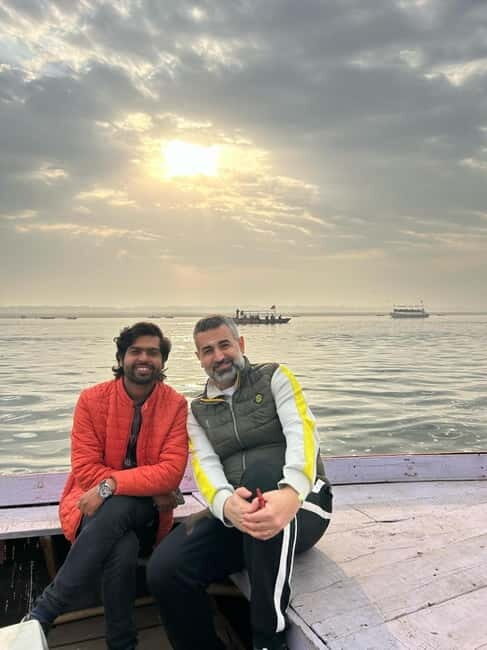
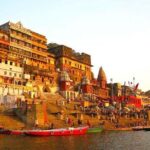
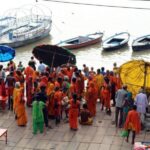
The day begins at Pizzeria Vaatika Cafe, which is a practical meeting point if you’re building your own plan around the river. From there, you start at Assi Ghat, and that choice is smart. Assi tends to feel calmer than the most famous stretches, so you can tune your senses first: river movement, sound, temple bells, and the basic rhythm of life along the water.
This is also the part where a guide earns their keep. Even if you’ve seen photos of Varanasi, you still need someone to point out what you’re looking at—where devotion is centered, how ghats work as both public spaces and sacred steps, and what makes each stop matter. You’ll get that context right away instead of treating the whole river like one long blur.
A small but real advantage of a private group: you can keep walking at a pace that works for you. If your group includes older parents, guides have been flexible in how they handle timing and priorities—so you’re not stuck in a rigid parade route.
You can also read our reviews of more walking tours in Varanasi


Lolark Kund: a fertility well with a story you can picture
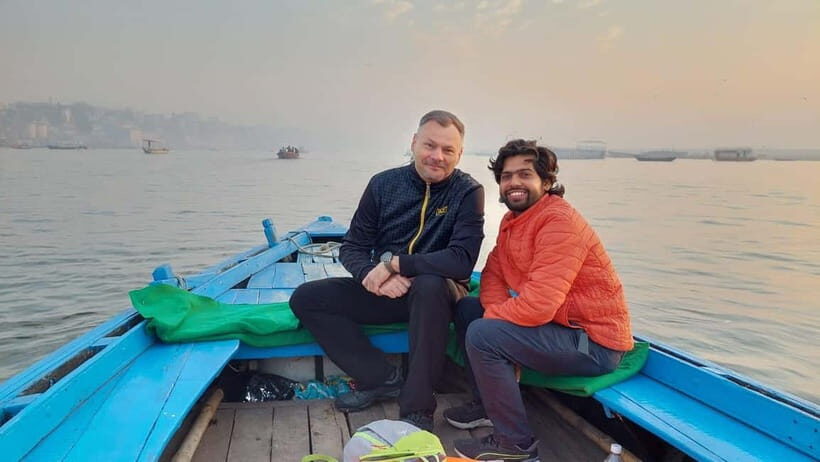
Your first meaningful stop is Lolark Kund, a sacred well tied to fertility and blessings. The tour includes darshan and time for photography, which is key. In Varanasi, people often rush past these places because they look like “just another tank” or “just another temple wall.” Here, you get the meaning behind the stop before you move on.
The real value of this stop isn’t the well itself. It’s how it teaches you to read the ghats as a spiritual map. You start noticing that the riverfront isn’t only about big ceremonies or famous temples. It’s also about smaller, specific places people visit for particular prayers and intentions.
If you’re the type who likes to understand what you’re seeing before the lights and crowd arrive, Lolark Kund is an excellent early anchor. It helps you shift from sightseeing mode to respectful-curiosity mode—without getting heavy.
Durga Kund and the red temple moment (Monkey Temple area)
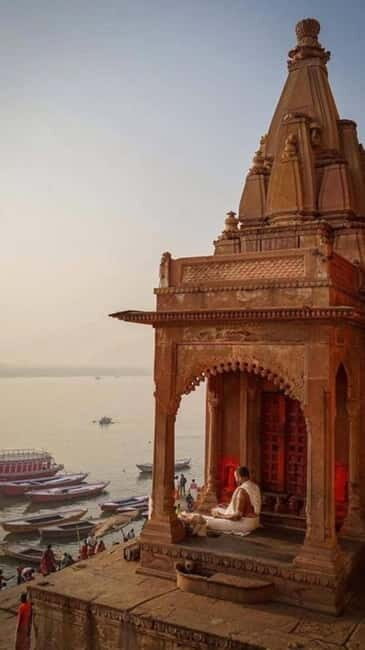
Next comes a major devotional stop: Durga Kund Temple, often known as the Monkey Temple. The defining visual is the striking red color, and the guide adds the historic and religious significance behind it.
Red temples in India often signal power and devotion, and in Varanasi you’ll see that symbolism “in action.” People don’t treat it like a museum stop. They treat it like a place that connects daily life with a higher purpose. A guide helps you avoid the common mistake of just looking at the architecture without understanding what it represents.
One consideration: if you’re uncomfortable around temple crowds or busy foot traffic, temple areas can feel dense. The upside is that you’re not navigating it alone—you’re moving with a local guide who knows how to position you for the right viewpoints and respectful observing.
Jain Temple stop: religion on the same river line
You’ll also include time at a Jain Temple during the walk. This is a helpful counterbalance to the more Hindu-focused rhythm of the ghats and temple stops around you. You get a sense of how Varanasi’s spiritual life includes multiple traditions sharing the same sacred geography.
Even if you don’t know Jain practices, the temple stop is useful because it changes your mental framing. You stop thinking of the ghats as one single script and start seeing them as a community’s shared spiritual neighborhood.
This is also one of those moments where a guide makes the difference. The tour isn’t only about where to stand. It’s about what the space means—so you can relate it to the rest of the route instead of treating each stop as a separate “photo op.”
Harishchandra Ghat: the cremation ghats, seen respectfully
Then you reach Harishchandra Ghat, described as one of the oldest cremation ghats of Varanasi. This is the point on the route that can feel emotionally heavy, and it’s handled as “observe from a respectful distance,” not as spectacle.
I like that the tour doesn’t pretend this part is easy. It’s also not watered down into vague words. You’re there because it’s central to Varanasi’s spiritual identity—how people think about death, ritual, and release along the river.
If you’re sensitive to ritual scenes, plan for a moment where you might slow down or step back, even if your guide keeps the group moving. The best approach here is to let the experience be what it is: quiet, solemn, and meaningful. The guide’s job is to help you understand enough to stay respectful, not to sanitize what you’re seeing.
A practical note: this part of the tour is where your attitude matters. If you go in expecting a dramatic scene, you might miss the subtlety. If you go in expecting devotion and human dignity, you’ll likely get more out of it.
You can also read our reviews of more guided tours in Varanasi




Kedareshwar Ghat: Shiva devotion and temple architecture up close
After the Harishchandra area, you visit the Kedar ghat, centered around Kedareshwar Ghat and the Shiva temple connection. Here the focus shifts again—from the cremation-gat solemnity to Shiva-centered devotion and temple ambiance.
What I like about this stop is the variety in your day. You’re not only processing one theme. You’re moving from different spiritual “chapters,” each with its own mood and visual cues. With Kedareshwar, you’ll spend time admiring the temple environment and the way Shiva worship fits into Kashi’s larger religious landscape.
Architecture matters here, too. Even if you’re not a design expert, you can see how a temple’s layout and details signal devotion and community importance. A guide helps you spot what’s worth noticing instead of just walking past stonework that looks similar to a tourist eye.
If you’re taking this tour as a first taste of Varanasi, this is one of the places that helps the city “click.” It gives you a physical anchor for what you’ve been hearing about Kashi and Shiva for years in stories and books.
Kicking into full view: Dashashwamedh Ghat and nearby life
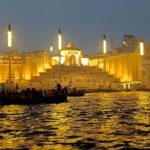
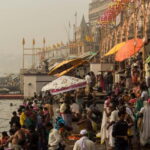
Next is Dashashwamedh Ghat, which is described as the most famous ghat in Varanasi. This is where you’ll likely feel the shift in energy: more people along the waterline, more activity, and more visual layers.
The tour includes sightseeing here and time to explore nearby markets. That pairing is smart. The ghats are the spiritual stage, but markets are part of how the stage stays alive day to day. If you only focus on the river, you miss that Varanasi works like a living system—religion, commerce, and daily routines braided together.
Timing matters. If your walk lines up with evening, the tour recommends staying for the Ganga Aarti, which is often the moment when the riverfront becomes a shared focus for many people at once. Even if you’ve seen photos, it’s a whole different experience when you’re there with real light, real chanting, and people moving as one.
Manikarnika Ghat: another major riverfront ritual site
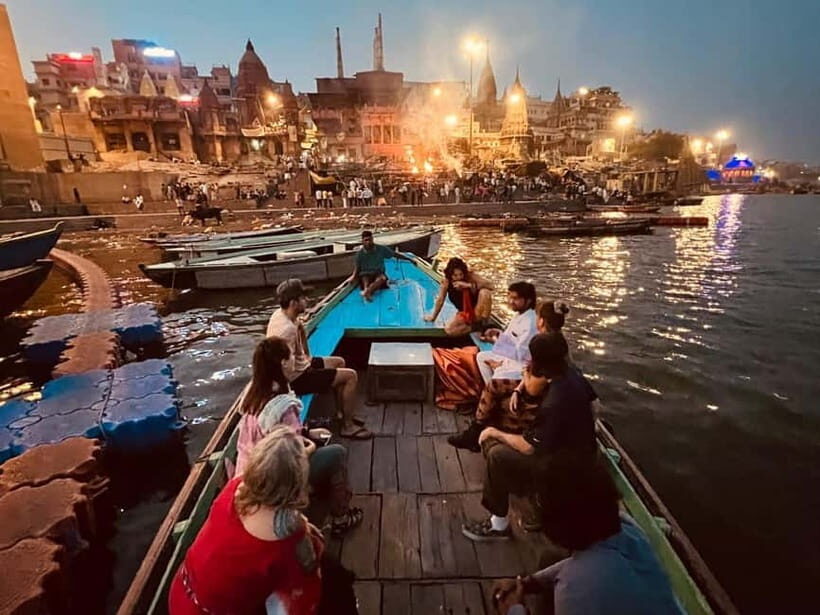
The route also includes Manikarnika Ghat, with guided tour and sightseeing. Manikarnika is another name you’ll hear often when people talk about Varanasi’s cremation ghats, and adding it helps broaden your understanding of how the river functions as a ritual space across multiple locations—not just one single famous spot.
Like Harishchandra, this stop calls for a respectful mindset. The guide helps you watch without turning the moment into a performance. That distinction is important. You’ll remember the experience more for how you handled it than for how long you stood there.
If you’re unsure about emotional readiness, you can decide in the moment. The tour is only 2 hours, so you’re not stuck watching for long stretches. You can also lean on your guide to help you find the right distance and viewpoint.
Why the route is only 2 hours (and who it’s perfect for)
A 2-hour format can feel too short at first—until you do it. Varanasi is layered, and trying to cover everything on your own can turn into confusion fast: wrong turns, missed entrances, and waiting around while you figure out which stairs lead where.
This tour keeps it focused. You get a smart mix of riverfront experience and temple stops, and you don’t have to build a complicated plan. If it’s your first time in the city, that’s a huge win.
It’s also ideal if you want an authentic look without spending half a day. You can pair it with other plans later—markets, a temple visit on your own time, or a longer evening along the river if you still have energy.
Price and value: what $26 buys you in real terms
At $26 per person for a 2-hour private walk, the value comes from what’s included, not just the number. You’re getting:
- An experienced local guide
- Temple tour time and temple entry
- Bottled water plus chai/coffee
- Skip the ticket line
- A private group experience
- A live guide who can speak Italian, Hindi, or English
This adds up. In places like Varanasi, time costs money—waiting in lines can eat your limited sightseeing hours. Here, you pay for smoother entry and a guide who helps you make sense of what you’re seeing as you go.
Also, the “private” part matters. You’re not pushed into the pace of strangers, and you’re more likely to get answers to your questions instead of listening to a loud explanation from the back of a group.
Practical tips so the walk stays comfortable and meaningful
A few things will make this kind of walk go better:
- Bring a copy of your ID or passport. You’ll need it.
- Expect it to be walk-heavy. Ghats are step-based, and the tour is not suitable for wheelchair users.
- If your group includes older family members, it helps to communicate what matters to you so the guide can adjust focus and timing.
- Have a plan for your emotional comfort level at cremation-ghana areas. Go in with respect, and you’ll get more out of it.
One more useful idea: if there’s a temple you’re hoping to add, ask the guide about customizing your route. There’s a precedent for guides helping arrange extra sacred stops like Kashi Vishwanath Temple when it fits your situation and timing.
Who should book this ghat walk
Book this if you want:
- A first-time introduction to Varanasi with a clear route
- Temple context, not just river photos
- A guide who can explain in Italian, Hindi, or English
- A private group pace
- A compact way to cover major ghats in 2 hours
Skip it or choose a different option if:
- You use a wheelchair
- Your group includes someone over 95
- You know you’re not ready to witness cremation-ghana rituals, even from a respectful distance
Should you book this Assi-to-ghats experience?
I think this tour is a strong pick if you want Varanasi to make sense fast. The best reason to book is the combination: you start at Assi Ghat, you hit meaningful temple stops like Lolark Kund and Durga Kund, and you end up at Dashashwamedh with the option to catch Ganga Aarti if timing works.
If you’re emotionally ready for solemn ritual areas and you like guided context over wandering, it’s good value for $26. If you want a fully “feel-good” walk, you might find the cremation-ghana portions challenging. For many people, though, that’s exactly why Varanasi matters.