REVIEW · VARANASI
Varanasi: Sunrise Boat Tour with Arti Ceremony
Book on GetYourGuide →Operated by Sachan Tours · Bookable on GetYourGuide
Sunrise on the Ganges hits different. This morning tour pairs a front-row Hindu Arti ceremony at Assi Ghat with a calm Ganges boat ride before the day gets loud. You float downstream, guided step-by-step, with views that stretch across the riverbanks.
I especially like how the guide helps you get a good vantage point for the ceremony, so you can actually follow what’s happening. I also like the way the tour ties the sights to real meaning, not just photos of old stone.
One thing to consider: the stop at Manikarnika Ghat, the city’s most venerated crematorium, can feel intense. If you’re sensitive to the idea of cremation sites, plan for that before you go.
In This Review
- Key things you’ll remember
- Sunrise Boat Timing That Actually Changes the City
- Getting Oriented at Assi Ghat: Arti and Havan First
- The Boat Ride: Panoramic Views of Around 55 Ghats
- Passing Local Life Along the Riverfront
- Manikarnika Ghat: The Crematorium Stop With Real Weight
- How the Return Feels: Slower, Surer, and Less Rushed
- Price and Value: What $31 Buys in Real Terms
- Who Should Book This Sunrise Tour
- Practical Tips for a Smooth Morning
- Should You Book This Tour?
- FAQ
- Where do I meet for the sunrise boat tour?
- How long does the tour take?
- What happens at the start of the tour?
- What sights will we see during the boat ride?
- Does the tour stop at Manikarnika Ghat?
- Is there an English-speaking guide?
- What is the cancellation policy?
Key things you’ll remember
- Assi Ghat Arti and havan at the start: you witness the ritual before the boat ride begins
- Sunrise views with a guide who films your best angles: lots of photo help in real time
- About 55 important ghats along the route: you get a wide, river-level panorama
- Manikarnika Ghat is part of the loop: a powerful moment with strong cultural context
- A smoother ride than you expect: the boat uses the engine during return, so the earlier stretch can feel quieter
Sunrise Boat Timing That Actually Changes the City
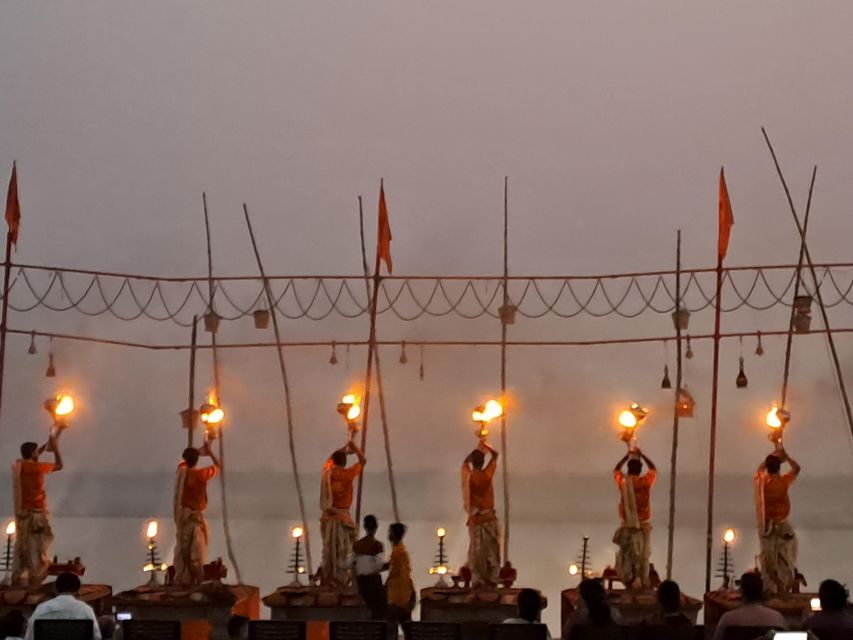
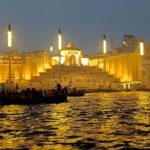
This is the kind of activity that makes Varanasi feel like two different cities: before the sun, and after it clears the river. Starting in the morning also gives you the best chance to see the ghats in steady light, when details on the steps and buildings show up instead of blending into haze.
The tour runs about 2 to 3 hours, which is a sweet spot in a place that can eat up your whole day. You get an experience that feels like a highlight without turning your trip into nonstop rushing.
And yes, you’re on the Ganges early. That matters, because you’re not just looking at the city from far away—you’re moving through it, with the river acting like a lens.
You can also read our reviews of more boat tours in Varanasi


Getting Oriented at Assi Ghat: Arti and Havan First
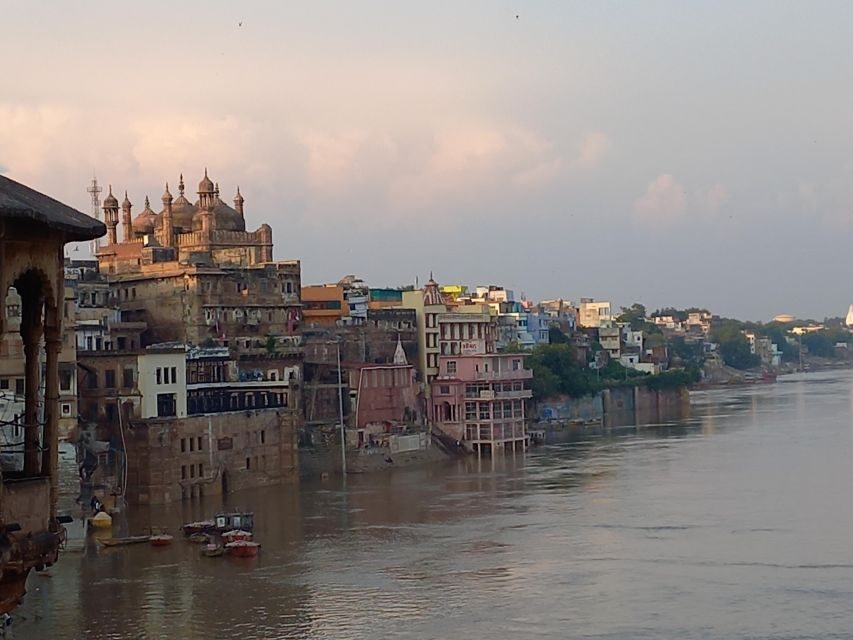
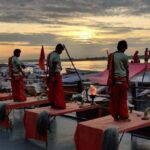
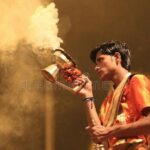
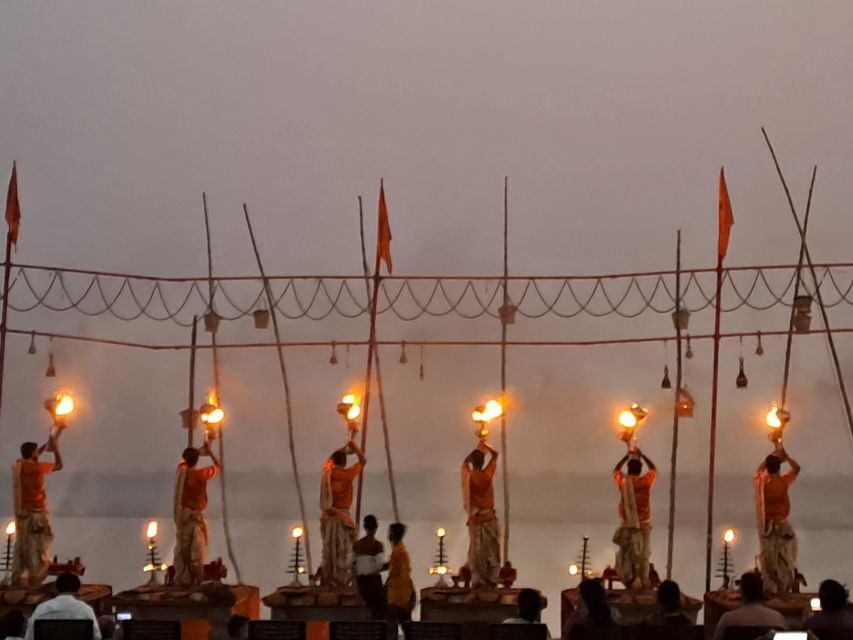
The morning begins at Assi Ghat, and you start with the Arti ceremony and havan. This order is smart. Instead of arriving already distracted by the boat, you start by learning what the ritual is, what the participants are doing, and why it belongs on the river at sunrise.
One practical benefit: you’re not forced to guess where to stand or how to watch. The guide helps you get seated and positioned so you can see and hear the ceremony, which makes a huge difference when you’re surrounded by people moving around with purpose.
What I’d tell you to watch for is the rhythm. The ritual has a flow, and once you understand the steps, the rest of the morning clicks into place. After that, the boat ride feels less like sightseeing and more like continuing the story you just started.
The Boat Ride: Panoramic Views of Around 55 Ghats
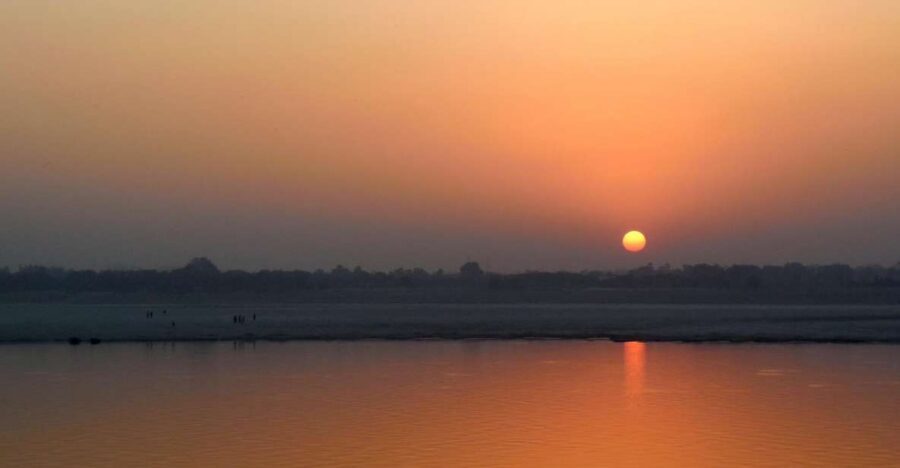
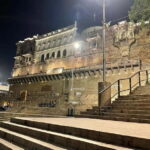
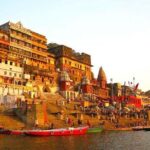
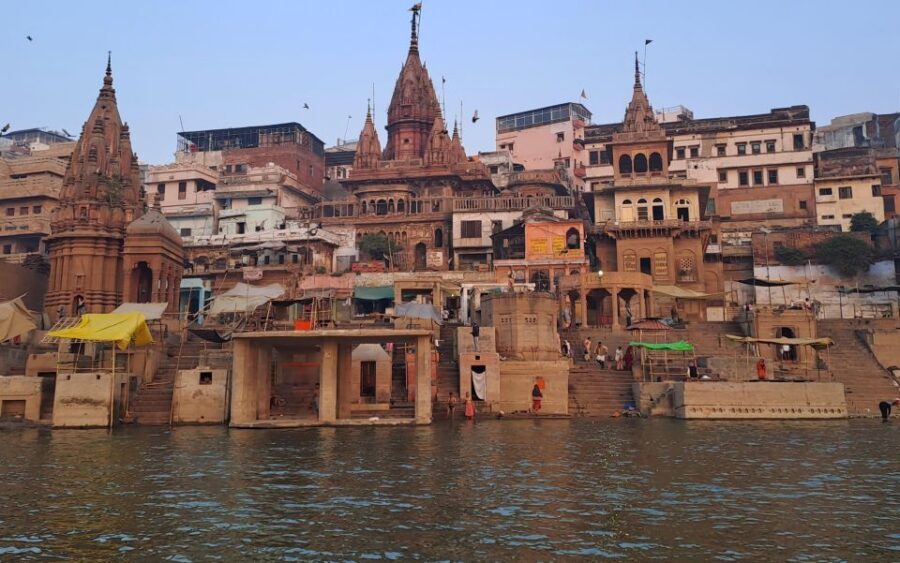
Once you step onto the boat, the tour shifts from ritual to panorama. You pass about 55 important ghats, which is a lot more than you’d see if you tried to cover them on foot. From the water, the ghats line up in long perspective, so you can spot patterns in where people gather, where temples face the river, and how the riverfront life connects to the city above.
The guide’s job here is to keep your attention from scattering. You’ll hear stories about different ghats and monuments along the banks as you float. That means you’re not just watching random scenery—you’re learning what you’re seeing and why it matters to the place.
Also, the sunrise portion is genuinely photo-friendly. The guide often helps with framing and timing, and people have specifically praised how he takes good pictures. If photography is part of why you came, this is the point where it pays off.
Finally, the ride has a noticeable calm factor. One detail that’s worth knowing: the boat uses the engine during return, which can make the earlier part feel more peaceful as you drift.
Passing Local Life Along the Riverfront
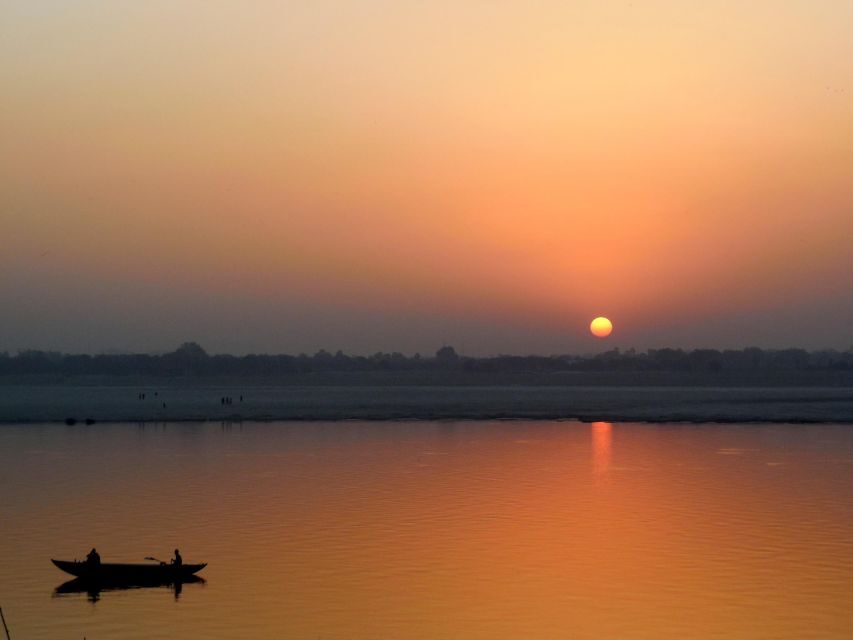
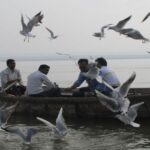
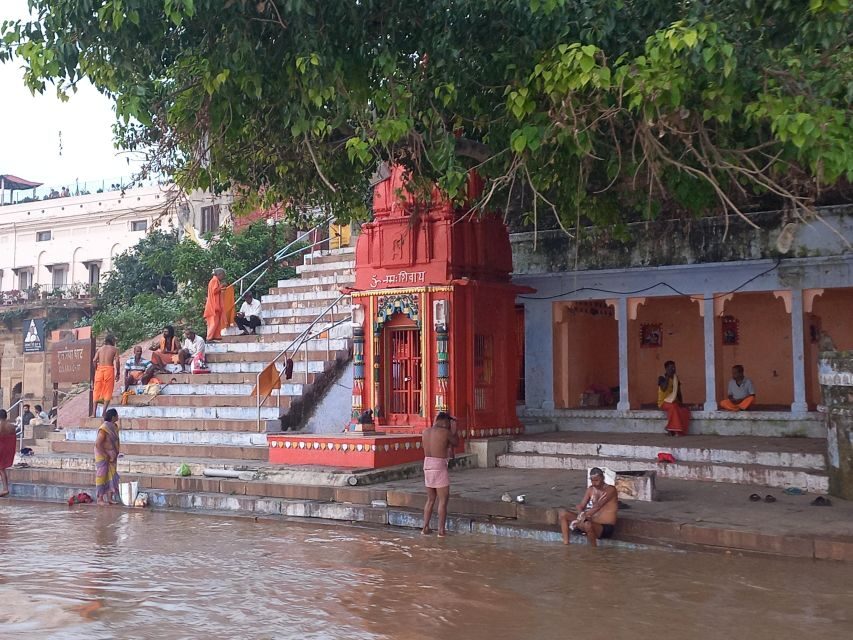
The route isn’t only about monuments. As you glide along the riverbanks, you may notice everyday scenes happening alongside the famous sights. People have described seeing Jain monks, and also everyday bathing and washing along the waterline.
That’s part of why this tour works. You see Varanasi as a living city tied to the Ganges, not a museum of dramatic views. It can be moving, and it can also be a little chaotic-looking from the water—but the guide helps you make sense of what you’re seeing without turning it into a lecture.
If you’re the kind of person who likes asking questions, this is a good format. The tour structure gives you natural pauses, and the guide can answer as you pass each ghat.
Manikarnika Ghat: The Crematorium Stop With Real Weight
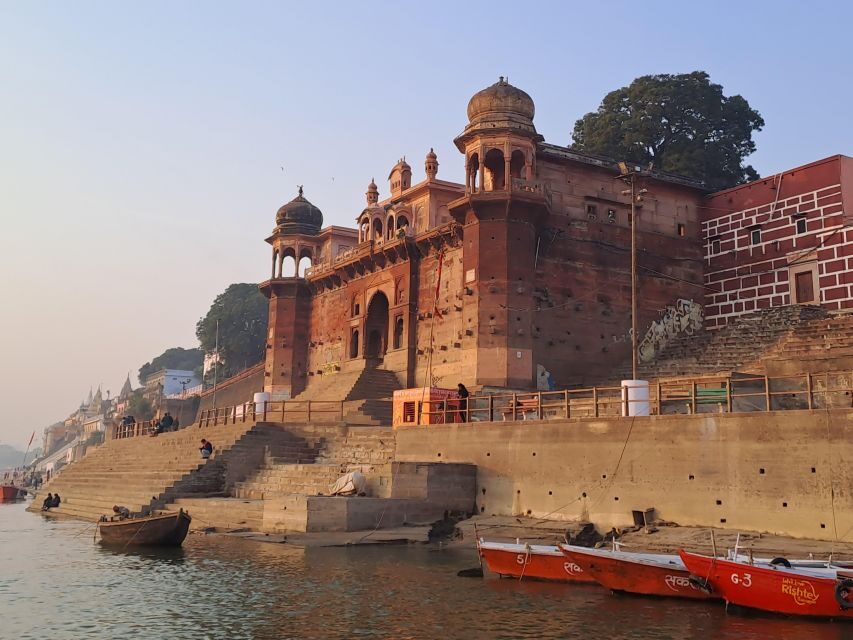
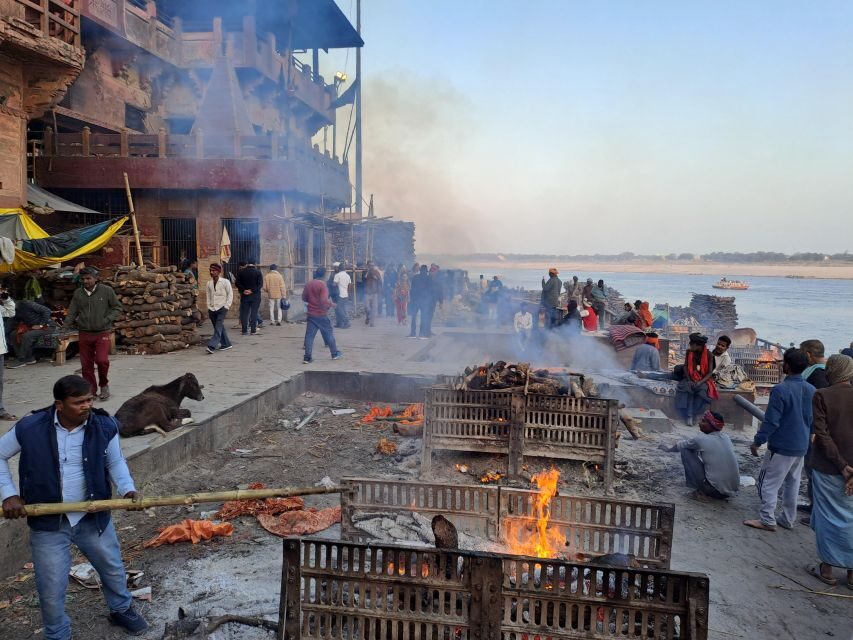
Then comes the moment that makes this tour different from every other sunrise boat option: the stop at Manikarnika Ghat, the city’s most venerated crematorium.
You should know what that means for your head and your heart. Even with context, this area carries emotional weight. The key is how you approach it. Go in with respect and keep your expectations realistic: this is not a quiet photo spot, and the meaning matters more than the aesthetics.
The value here is the context the guide provides. You’re not just seeing a cremation site in passing; you’re getting the cultural frame for why this place is so central to Varanasi. That context is exactly what turns discomfort into understanding.
And from a practical standpoint, this stop is brief enough that you’re not stuck there for hours. You take it in, process it, and then the tour continues back toward Assi Ghat at a slower pace.
You can also read our reviews of more tours and experiences in Varanasi

How the Return Feels: Slower, Surer, and Less Rushed
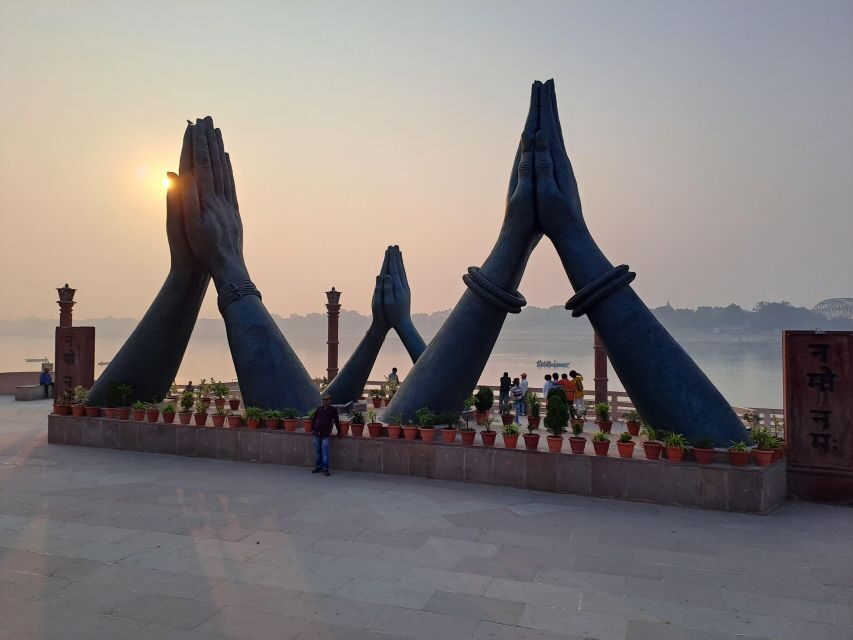
After Manikarnika Ghat, the tour slowly returns to Assi Ghat. The “slow” part matters. By then you’ve already seen the main sights and you’ve been hearing the stories that connect them, so the river starts to feel like a timeline instead of a route.
This is also when the group energy tends to change. People who were focused on sunrise now start watching details—how the light shifts on the steps, how the riverbanks look from different angles, and how Varanasi’s layers stack up across the water.
If you’re the type who asks for recommendations, the guide has a reputation for pointing people toward good options afterward. One person even mentioned getting a strong coffee recommendation after the tour, which can be a nice reward once you’re back on land.
Price and Value: What $31 Buys in Real Terms
At about $31 per person, the value comes from what’s included—not just that you get a boat. You’re paying for a full package: sunrise boat tour, a morning Arti ceremony, and the havan ritual, plus a live English tour guide.
For many cities, a guided morning viewing costs close to the price of an entry ticket. Here, you get both the cultural start and the river cruise in one flow. You also get convenience features like skip-the-line access through a separate entrance, which helps in a crowded place where waiting can eat your morning.
There are also practical booking perks built in, like flexible planning (including the option to reserve now and pay later) and free cancellation up to 24 hours in advance. These aren’t the reason to choose the tour, but they do reduce the stress of committing to an early start.
If you’re trying to get your bearings fast in Varanasi, this is one of the more efficient ways to do it: in a short window you see the river’s main stages and hear the story tied to them.
Who Should Book This Sunrise Tour
This tour is a strong fit if you want a guided first look at Varanasi without stitching together multiple half-days. It’s also great for couples and solo travelers who don’t want to figure out where to stand for the ceremony or what they’re actually looking at while on the water.
You’ll likely enjoy it if you care about photos, because the sunrise timing and the guide’s photo help come up again and again in feedback. You’ll also enjoy it if you’re the type who likes explanations and asks questions, since the stories and commentary are part of the main product.
The main mismatch is sensitivity around cremation sites. Since Manikarnika Ghat is included, this isn’t the tour to choose if you want only pretty scenery. If you can handle the emotional reality with respect, the cultural learning is the point.
Practical Tips for a Smooth Morning
Start with the meeting point: in front of the hotel Palace on Ganges, on the left corner of the street near Assi Ghat. This is not a “find it somewhere nearby” situation, so arrive with a little extra buffer.
Dress and prep for the fact you’ll be outdoors early. The tour includes a warm-up moment for some participants, since people have mentioned chai during the ceremony wait. Plan to keep your hands free for photos and your attention open for the guide’s cues.
Finally, go in knowing that mornings can change. One booking experience described postponing the boat portion due to January fog and then doing it later, so it’s wise to keep flexibility when the sky and visibility aren’t cooperating.
Should You Book This Tour?
My take: book it if you want one morning that combines ritual, river scenery, and an explanation you can’t easily piece together on your own. The included Arti ceremony and havan, the boat glide past about 55 ghats, and the culturally grounded stop at Manikarnika Ghat make it a full Varanasi experience rather than a simple ride.
Skip it only if cremation-site imagery is a hard no for you. If you can approach it with respect, this is one of the most efficient ways to see why the Ganges holds such power for the city.
If you decide to go, choose the sunrise timing you can commit to, show up at Palace on Ganges early, and come ready to ask questions. The guide’s storytelling and photo help are a big part of why this tour feels like it has a point.
FAQ
Where do I meet for the sunrise boat tour?
Meet in front of the hotel Palace on Ganges in Varanasi, on the left corner of the street near Assi Ghat.
How long does the tour take?
The tour runs about 2 to 3 hours.
What happens at the start of the tour?
You begin at Assi Ghat with a morning Arti ceremony and the havan ritual before boarding the boat.
What sights will we see during the boat ride?
You pass about 55 of the most important ghats along the Ganges, with stories about different ghats and monuments on the bank.
Does the tour stop at Manikarnika Ghat?
Yes. You arrive at Manikarnika Ghat, the city’s most venerated crematorium, and then slowly return to Assi Ghat.
Is there an English-speaking guide?
Yes. The tour includes a live English tour guide.
What is the cancellation policy?
You can cancel up to 24 hours in advance for a full refund.