REVIEW · NEW DELHI
Delhi City Tour: Old Delhi, Markets, Monuments & Street Food Walk
Book on Viator →Operated by india arrival tours · Bookable on Viator
Old Delhi can feel loud. This tour helps you make sense of it fast. You get Old Delhi’s markets and monuments in the morning and New Delhi’s major landmarks right after, with a private AC car so you’re not fried by the ride between areas. You’ll also get curated street food tastings that aim to be safe and hygienic, so you can taste the real Delhi without guessing.
Two things I really like: the Old Delhi rickshaw/tuk-tuk ride through narrow lanes, which turns a normal walk into something you actually remember, and the guide-led street food stops where the focus is on what to try and how to do it comfortably. In past tours I’ve seen how guides like RK (and Rahis Khan) keep things organized, with drivers such as Adeel making the logistics feel smooth.
The main thing to watch: the markets can get crowded, and you’ll be doing real walking on uneven, busy streets. Also, Red Fort admission isn’t included, so plan for that if you want more than a quick exterior view.
In This Review
- Key highlights you’ll feel right away
- Why mixing Old Delhi chaos with New Delhi landmarks works so well
- Pickup from the airport (or your hotel) and how to plan your day
- Red Fort exterior stop: the quick Mughal intro you can build on
- Jama Masjid and the start of Old Delhi in the right key
- Chandni Chowk lanes: where food stalls and temples share the same streets
- Khari Baoli: Asia’s largest spice bazaar in real life
- Kinari Bazaar wedding-market walking: textiles, jewelry, and fast color
- Chawri Bazaar and the tuk-tuk/rickshaw ride through tight streets
- Street food tastings: safe, curated, and built into the route
- New Delhi shift: India Gate and Rashtrapati Bhavan photo stops
- Gurudwara Bangla Sahib: culture stop you’ll feel more than see
- Price and value: what $48 really buys you (and what it doesn’t)
- When markets get crowded and how to stay comfortable
- Who this tour fits best
- Should you book this Old Delhi City Tour?
- FAQ
- How long is the Delhi City Tour?
- Do I get pickup and drop-off?
- What is included in the price?
- Are entrance tickets included?
- Is street food tasting included?
- Does the tour include a rickshaw or tuk-tuk ride?
- What is the cancellation policy?
Key highlights you’ll feel right away

- Rickshaw/tuk-tuk ride through Old Delhi’s tight lanes and older bazaars
- Khari Baoli Spice Market stop at Asia’s largest spice bazaar
- Curated street food tastings designed to be safe and easy to enjoy
- Market route variety: Chandni Chowk, Kinari Bazaar, and Chawri Bazaar
- Iconic New Delhi photo stops at India Gate and Rashtrapati Bhavan (drive-past)
- Private AC transport + English-speaking guide that keeps timing sane
Why mixing Old Delhi chaos with New Delhi landmarks works so well

Delhi is two cities fighting for your attention. Old Delhi is food, spices, lanes, and religious architecture in close quarters. New Delhi is wide roads, government buildings, and monuments laid out for photos and orientation.
This tour gives you both in one go. You start in Old Delhi where things move fast and directions matter. Then you shift to New Delhi for major landmarks like India Gate and Rashtrapati Bhavan (seen from the road with photo stops). The result is that you don’t just collect sights—you understand how the city layers its history.
The private AC car is a big deal here. Old Delhi streets are not the place to try to self-navigate with hot, complicated timing. With pickup and drop-off built in, you spend your energy walking where it counts, and riding where it’s smarter.
You can also read our reviews of more tours and experiences in New Delhi.



Pickup from the airport (or your hotel) and how to plan your day
The tour is set up for pickup from the airport or hotels across Delhi, Noida, Gurugram, and Faridabad. You can choose a pickup time that fits your schedule, which is helpful if you’re landing late or you want to start afternoon.
Practical tip: pick a time that still gives you daylight. The markets are easier to enjoy when visibility is good, and monument photo stops at India Gate are better when the sky isn’t turning into a dark blur.
You also get a mobile ticket, which removes a lot of last-minute friction. Once you’re met, you’re not constantly checking where to go next. Your guide handles the flow—especially important in places like Chandni Chowk where it’s easy to lose your group.
Red Fort exterior stop: the quick Mughal intro you can build on
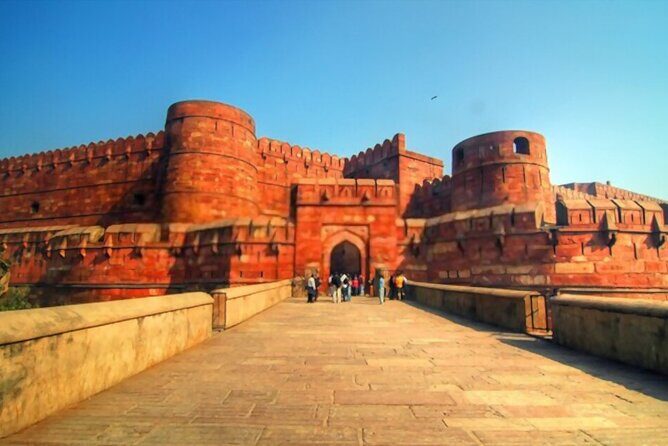
The first sightseeing stop is the Red Fort area, mainly for an iconic look at the façade and a basic introduction to the Mughal history and architecture behind it. The time is short (about 10 minutes), and admission ticket costs are not included.
That’s not a problem, as long as your expectations match the format. This is a route-based tour, not a full museum-day. If you’re curious to go inside, you can treat this as your exterior orientation and decide later whether you want a deeper Red Fort visit on a separate day.
Best use of the brief stop: take a couple of steady photos from a good angle, then listen to your guide’s framing. It helps the next stops in Old Delhi click into place, instead of feeling like separate locations.
Jama Masjid and the start of Old Delhi in the right key
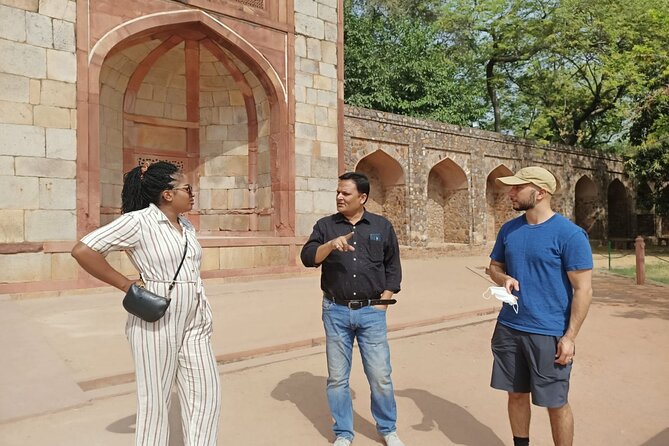
You move next to Jama Masjid, one of Delhi’s most important mosques. You’ll start with a short introduction, then walk around the mosque area for about 30 minutes. Admission isn’t listed as included here, but the focus is clearly on the historic setting and getting oriented to Old Delhi’s religious core.
This is a smart first major Old Delhi stop because it sets the cultural context early. You’re about to enter marketplaces where people are shopping, praying, eating, and passing through at the same time. Understanding the role of major sites like Jama Masjid makes the whole day feel less random.
Watch for crowds and movement patterns. Even when the streets are busy, you’ll usually be able to step back, pause, and look without getting pressured—especially when your guide keeps the group moving at the right pace.
Chandni Chowk lanes: where food stalls and temples share the same streets

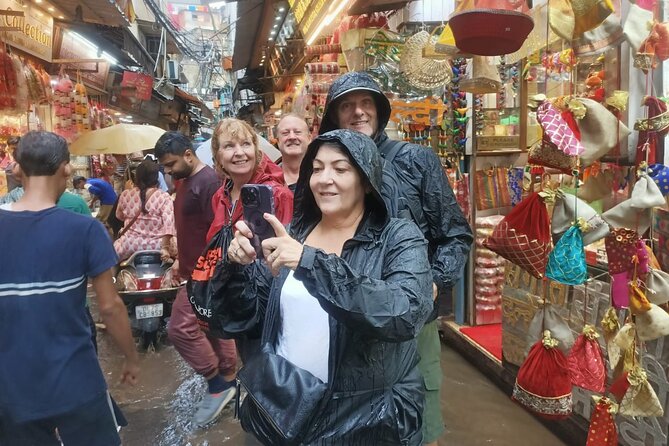
Then comes the big one: Chandni Chowk Market. You’ll spend about 45 minutes walking through lively lanes with food stalls, vendors, and nearby religious landmarks. Admission is free for this stop.
Chandni Chowk is the kind of place where you don’t want a long, slow stroll—you want a guided path so you hit the highlights without getting swallowed. Your guide helps you interpret what you’re seeing, and that’s the difference between looking at stalls and actually understanding how the area works.
If you’re sensitive to strong smells or constant motion, take it slower during the busiest blocks. This is also where choosing comfortable shoes matters. You’re on uneven surfaces, and you’ll be standing and walking more than you might expect from a “city tour.”



Khari Baoli: Asia’s largest spice bazaar in real life
After Chandni Chowk, the tour goes to Khari Baoli, the spice market stop. This is one of the most memorable segments because spices aren’t just a visual—they’re a sensory event. You’ll spend about 30 minutes here, and the stop is free.
Khari Baoli is known for spices, teas, nuts, and aromatic ingredients. In practical terms, this is where you can spot the building blocks of Indian cooking and find the story behind the smells you’ve been walking through all morning.
If you’re shopping, keep it simple: look for a few ingredients you can use later, and don’t feel forced to buy everything. With only limited time, your best value is learning what you’re seeing first, then picking a couple of things you’ll actually use.
Also: spice dust is part of the atmosphere. If you want to stay comfortable, consider carrying a small tissue or hand sanitizer for quick clean-ups.
Kinari Bazaar wedding-market walking: textiles, jewelry, and fast color
Next is Kinari Bazaar, about 30 minutes, and it’s famous for wedding-related goods like jewelry, handcrafted décor, and traditional textiles. This is another free stop.
This segment adds variety to the day. You’re not only in food-and-spice mode—you’re looking at craftsmanship, materials, and the kind of shopping that’s built around ceremonies. Even if you don’t plan to buy, it’s useful context for how Indian culture expresses itself through clothing and celebration.
If you do buy, the time can feel quick. So pick what you can verify quickly—fabric quality, closures, weight. Don’t aim for a bargain marathon unless you’re ready to spend extra time and energy.
Chawri Bazaar and the tuk-tuk/rickshaw ride through tight streets
Now you get the fun part: a tuk-tuk/rickshaw ride through narrow streets and old-style marketplaces, around 20 minutes. Admission is free.
This ride isn’t just entertainment. It’s a smart way to cover ground without wearing yourself out in the busiest lanes. Old Delhi can be a maze; having a vehicle guide you through helps you experience the neighborhood without spending the whole day walking in crowds.
It also gives you perspective. From a rickshaw you can see how storefronts, lanes, and foot traffic connect. When you later look at an alley you walked through, you’ll understand why it’s laid out the way it is.
Street food tastings: safe, curated, and built into the route
This is where Delhi gets delicious, and this tour tries to make it easy. The street food tastings are included and described as safe & hygienic, with options treated as curated favorites along the way.
Important note: meals are not included. That means the tastings are more about sampling than replacing a full meal. You can always add extra food or drinks, but the tour already handles the hardest part: deciding what to try and when to stop.
How to get the most out of the tastings:
- Pace yourself. If you’re sampling several bites, stop eating the moment you feel full.
- Drink water between tastings if you can. Markets are hot and you’ll walk.
- If you have food allergies, this is the time to ask your guide what’s in each item before you take a bite.
This segment is a great value booster. Without a guide, street food in Old Delhi can turn into a guessing game. With tastings built into the schedule, you spend less time scanning menus and more time experiencing the city.
New Delhi shift: India Gate and Rashtrapati Bhavan photo stops
After the Old Delhi markets, you head to New Delhi. The tour includes a stop at India Gate for about 15 minutes, mainly for pictures and a look at the National War Memorial. Admission is free for the stop.
India Gate is perfect for a break from the tight lanes. It’s a wide-open contrast that helps you reset your senses. You’ll have time for photos and a short understanding of why it’s such a central reference point in the city.
Then you drive past Rashtrapati Bhavan and surrounding government buildings along the central boulevard, with about 10 minutes for the drive-past and photos. Admission isn’t mentioned as part of this, and this is clearly a view-from-the-road experience.
A note on expectations: this is photo-stop style. If you’re hoping for interior visits, you’d need a different plan.
Gurudwara Bangla Sahib: culture stop you’ll feel more than see
The tour overview indicates a visit to Gurudwara Bangla Sahib as part of the New Delhi portion. Even if you think you’re coming for markets and food, this stop is what balances the day out emotionally.
Gurudwara spaces usually create a quieter contrast after marketplaces. You’ll get a chance to learn about history and traditions from your guide, which helps the cultural layer of Delhi stick in your mind.
If your schedule is tight, this is still worth it. It gives the day meaning beyond sightseeing boxes.
Price and value: what $48 really buys you (and what it doesn’t)
The price is $48 per person, and the structure is what makes it good value: private air-conditioned vehicle, professional English-speaking guide, pickup and drop-off, rickshaw/tuk-tuk ride in Old Delhi, and street food tastings are all included.
Two costs to keep in mind:
- Red Fort admission is not included, and the stop is mainly a façade viewing.
- Gratuities are listed as $5 per person.
So you’re paying for organization and safe comfort. In Delhi, that’s the difference between spending a day stressed and spending it curious. The group is private (only your group participates), which is also a real quality-of-life upgrade when you’re walking through crowded streets.
Booked about 57 days in advance on average means this tour likely moves well during planning seasons. If your dates are fixed, I’d rather secure it early so pickup timing stays easy.
When markets get crowded and how to stay comfortable
The tour operates in all weather conditions, which is good because Delhi can surprise you. Still, markets can get packed during peak hours, and walking is part of the plan.
Your best comfort gear:
- Comfortable walking shoes with grip.
- Light layers if it’s warm; something small for sun or drizzle if needed.
- A small plan for hydration, because you’ll be out moving between Old Delhi and New Delhi.
If you’re traveling with someone who hates crowds, you may need to slow down mentally. The guide route helps, but the environment still feels intense.
Who this tour fits best
This tour is a good match if you want:
- Old Delhi markets and spices without the chaos of planning your own route
- A food component that isn’t just random street picking
- A balanced day that doesn’t ignore major New Delhi landmarks
It’s especially helpful if it’s your first trip to Delhi or if you only have one day and want a structured overview.
If you want long museum time, deep Red Fort interiors, or lots of standalone shopping time, you might feel the pace. This is built for variety and momentum, not for sitting around for hours.
Should you book this Old Delhi City Tour?
Yes, if you want a day that feels like Delhi, not like a checklist. The biggest wins for most people are the Old Delhi rickshaw ride, the spice-market focus at Khari Baoli, and the fact that street food tastings are included with a safety-and-curation approach.
I’d skip it or rethink timing if:
- You hate walking in crowded areas.
- You only want major monuments with long visiting time.
- You’re sensitive to strong smells or street-level bustle.
If you do book, go in with one simple mindset: let the guide steer. Old Delhi rewards you when you follow the route and ask questions. With private AC transport carrying you between neighborhoods, you’ll spend your energy enjoying the sights instead of fighting transit and navigation.
FAQ
How long is the Delhi City Tour?
The tour runs about 4 to 8 hours, depending on the route and timing.
Do I get pickup and drop-off?
Yes. Pickup is offered from the airport or your hotel, including locations in Delhi, Noida, Gurugram, and Faridabad. You’re also returned to your hotel afterward.
What is included in the price?
Included items are a private air-conditioned car with driver, a professional English-speaking guide, pickup/drop-off, Old Delhi walking tour with spice market visit, rickshaw/tuk-tuk ride in Old Delhi, street food tastings, and photo stops at India Gate and Rashtrapati Bhavan.
Are entrance tickets included?
Red Fort admission tickets are not included. Other listed market/monument stops in the itinerary are marked as free.
Is street food tasting included?
Yes. Street food tastings are included, described as safe and hygienic. Meals are not included, though you can add extra food or drinks if you want.
Does the tour include a rickshaw or tuk-tuk ride?
Yes. You’ll take a tuk-tuk/rickshaw ride through Old Delhi’s narrow streets as part of the route.
What is the cancellation policy?
You can cancel for a full refund up to 24 hours before the experience starts. If you cancel less than 24 hours before, the amount paid is not refunded. If it’s canceled due to poor weather, you’ll be offered a different date or a full refund.