Varanasi is best seen before breakfast. This early-morning tour is built around the ghats at first light and the kind of guidance that helps you understand what you’re actually looking at. With local guide Vinay and a schedule that moves at a human pace, you’ll go from Assi Ghat rituals to a sunrise boat ride, then into the old-city temple lanes.
Two things I especially like: the tour’s private, question-friendly format, and the simple comfort add-ons like free bottled water while you’re out in the morning heat. The best part is that the guide can tweak the timing and stops to match what you care about most.
One drawback to think about: you’re seeing cremation grounds up close, and this is spiritually meaningful but not everyone’s idea of a relaxing morning. If you’re sensitive to sights, crowds, or strong ritual imagery, you’ll want to plan for that.
In This Review
- Key highlights worth planning for
- First-light Varanasi: why this tour starts at the ghats
- Where you’ll meet and how the morning run usually feels
- Assi Ghat: sunrise cremation rites and first prayers
- Tulsi Ghat: a quick break to watch traditional wrestling
- The Ganges sunrise boat: passing 25+ ghats before the crowds
- Vishalakshi Temple: a Shakti Peetha stop for spiritual context
- Kathwala (Nepali) Temple near Lalita Ghat: Shiva links across regions
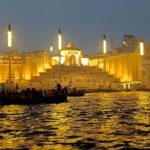
- Manikarnika Ghat: concluding at Varanasi’s most sacred cremation ground
- Chai, street food, and the small local stops that build the day
- Price and time: what $13 buys you in real-world value
- Who should book this sunrise guide, and who should skip
- Should you book Banaras Wala Tours with Vinay?
- FAQ
- How long is the Banaras Wala Tours Varanasi experience?
- Where does the tour start and end?
- Is hotel pick-up available?
- What’s included for the boat portion?
- Is bottled water provided?
- Is this a private tour?
- What if weather is poor?
Key highlights worth planning for
- Assi Ghat at sunrise: see early cremation rites and morning prayers in the flow of real life
- A local guide (Vinay): clear explanations, plus the flexibility to steer toward your interests
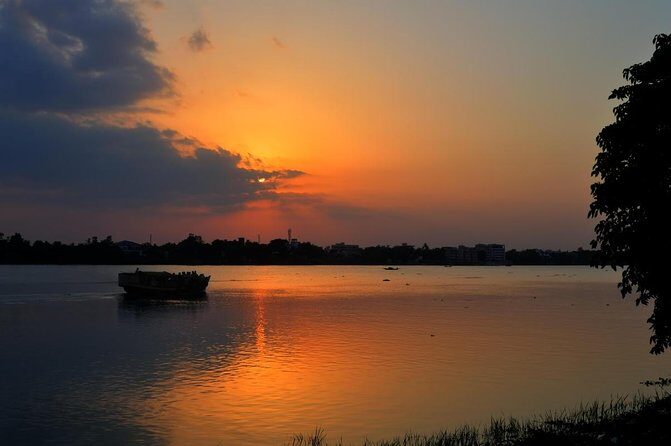
- Ganges sunrise boat: pass many ghats and watch daily bathing and river rituals unfold
- Temple stops with context: Vishalakshi Temple and the Nepali-style Kathwala (Pashupatinath) stop
- Manikarnika Ghat finale: finish at Varanasi’s most sacred cremation ground
First-light Varanasi: why this tour starts at the ghats
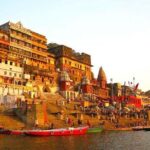
If you’ve only seen Varanasi later in the day, you already know it can feel confusing. At sunrise, things slow down just enough to make the city readable. You get the river in soft light, priests and families moving with purpose, and a sense of how the Ganga shapes daily routines.
This tour is designed for that early rhythm. You begin around 5 AM, then continue with a sunrise boat portion on the Ganges. That combination matters: walking shows you the old-city texture, while the boat gives you distance to see patterns—ghats, stairways, and where people gather.
What makes it work is the guide. Vinay (the name that shows up most in this service) is local, and that changes the tour from a checklist into something you can actually follow. You’re not just staring at scenes; you’re hearing what they mean and when to look.
You can also read our reviews of more tours and experiences in Varanasi.



Where you’ll meet and how the morning run usually feels
You start and end near Dashashwamedh Ghat Rd in the ghats area, which keeps things practical if you’re already staying close to the river. The tour also lists pick-up from select hotels, and there’s a mobile ticket, which reduces last-minute hassle.
The timing is the main thing to mentally prepare for. Starting early means you’ll feel fresh at the first stop and then work through a lot of standing, walking, and boat movement while the city wakes up. The tour’s duration is listed as about 3 to 4 hours, which is a tight window for a full morning of ghats plus old-city lanes.
Bring the simple stuff that makes mornings easier: water (you’ll get free bottled water), sun protection, and shoes you don’t mind getting dusty. In narrow old-city areas, you’ll want to be quick on your feet and patient with crowds.
Assi Ghat: sunrise cremation rites and first prayers
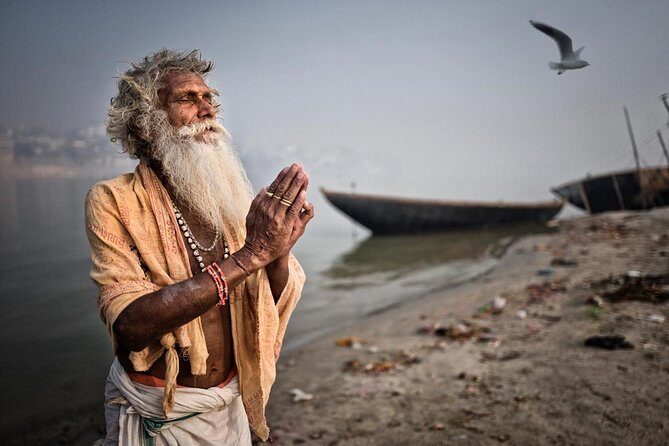
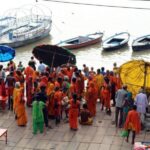
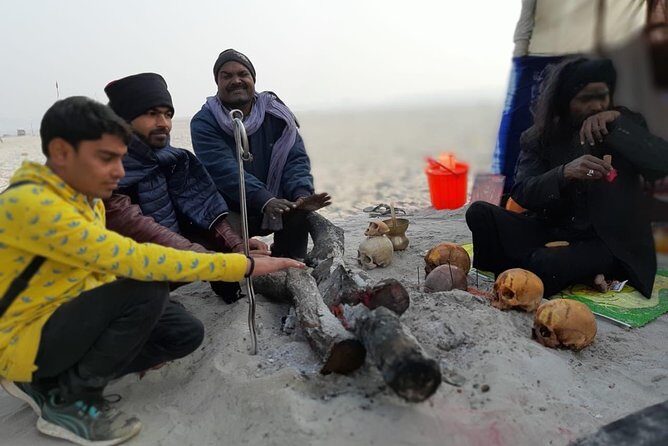
The morning begins at Assi Ghat, where you gather early enough to catch ceremonies in their prime. The focus here is the morning cremation rites and the first prayers of the day. You’ll see chanting priests, ritual fires, and sacred offerings to the river—things that happen with an almost steady, procedural calm.
This stop is one of the most praised parts of the experience because it sets the tone. Instead of arriving after the action, you watch the day get underway. It also gives context for everything else you’ll see later, including the other cremation ground at the Manikarnika area.
A fair heads-up: Assi Ghat is not a “photo stop.” It’s an active ceremonial place. If you expect museum-style explanations with long pauses, this part may feel fast. If you accept that this is a working spiritual space, it becomes one of the most unforgettable early experiences in the city.
Tulsi Ghat: a quick break to watch traditional wrestling

After Assi Ghat, you make a short stop at Tulsi Ghat. The tour includes a brief moment to watch traditional wrestling for about 10 minutes.
This is a nice palate cleanser. You go from intense ritual imagery to something more athletic and local. It also helps you understand that the ghats aren’t just for ceremonies—they’re community spaces where daily culture plays out.
Because the stop is short, it’s best for people who don’t need long explanations between highlights. If you want every detail expanded, your guide can likely fill in the meaning, but the timing here is intentionally light.
The Ganges sunrise boat: passing 25+ ghats before the crowds
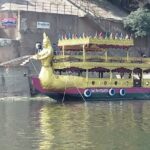
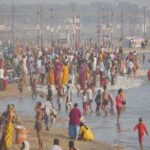
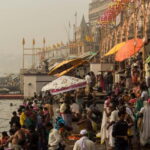
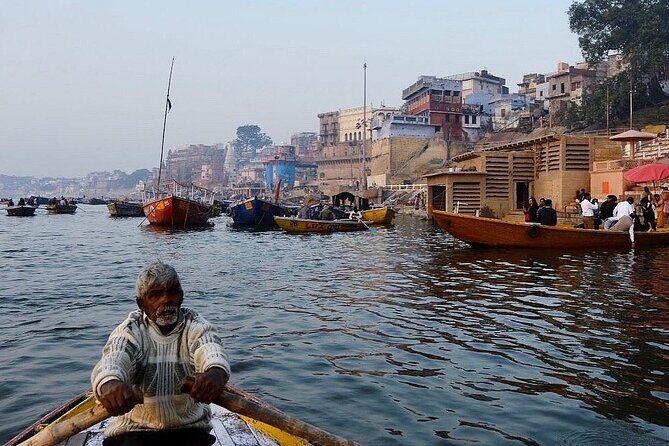
Then you switch from the stairs to the water. The boat portion is about 1 hour, and the route passes more than 25 ghats. During this ride, you’ll see locals bathing in the river and morning rituals moving along the shoreline.
This section is valuable because it changes your perspective. From the water you can pick out the geography: where steps meet the river, how different ghats feel more ceremonial or more everyday, and why the river acts like the city’s backbone.
The boat also pauses at Manikarnika Ghat to witness the cremation activity in motion. That means you’re not only seeing the other side of the river—you’re also getting a layered sense of Varanasi’s most sacred cremation area before you walk there at the end.
Practical note: boats can be crowded in many parts of Varanasi. Even if the tour manages the experience well, you’ll still want to manage personal comfort—hold onto your belongings, keep your balance as the boat moves, and be ready for close quarters.


Vishalakshi Temple: a Shakti Peetha stop for spiritual context
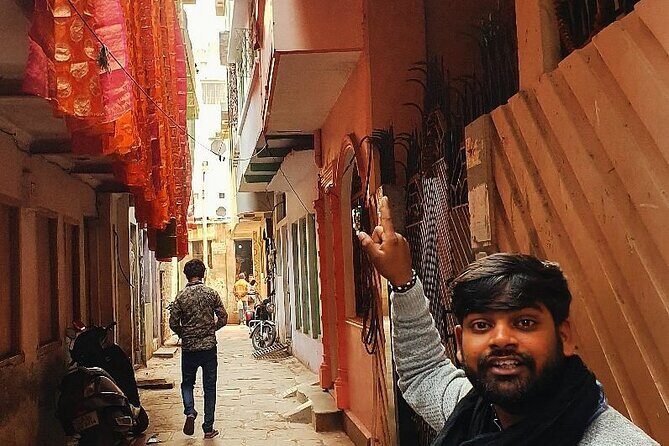
Next, you head into the old-city on foot for a temple stop at Vishalakshi Temple. This is dedicated to the goddess and regarded as one of the sacred Shakti Peethas, which is a big deal in the Shakti tradition.
This matters because Varanasi isn’t only Shiva-centered in the way many first-time visitors expect. A Shakti Peetha stop adds another layer to the religious picture, showing how the city’s spiritual identity isn’t one-note.
You’ll spend about 10 minutes here, so think of it as a focused “orientation” stop. Your guide’s value is in connecting symbols to what you’re seeing. If you ask questions (and this tour is set up for that), you can get more meaning in ten minutes than you’d get wandering alone.
Kathwala (Nepali) Temple near Lalita Ghat: Shiva links across regions
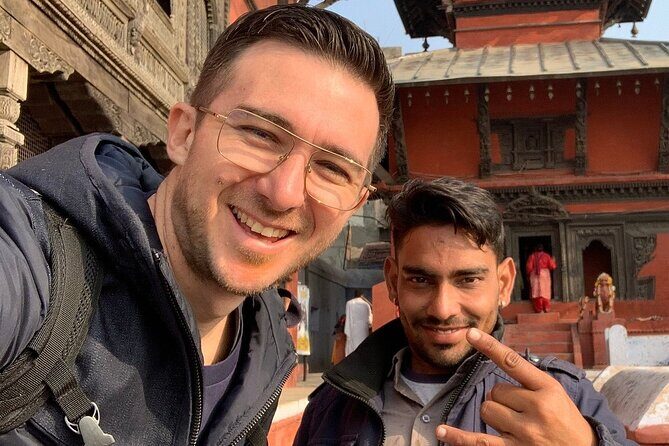
The tour then includes Nepali Temple (Kathwala Temple), near Lalita Ghat, identified as the Pashupatinath Temple in Nepali style. The information provided says it was built by the King of Nepal, reflecting Varanasi’s enduring role as a center of Shiva worship and a cultural bridge across South Asia.
This stop is a clever one because it challenges a common travel assumption: that Varanasi is only “local.” Instead, it shows how faith and architecture traveled, and how the city absorbed influences from neighboring regions.
Again, the time is brief (about 10 minutes). So you’ll want to use it actively: look up at details, ask what makes the Nepali style distinct, and note how the temple’s presence fits the broader Shiva theme you’ve been seeing along the ghats.
Manikarnika Ghat: concluding at Varanasi’s most sacred cremation ground
The tour concludes at Manikarnika Ghat, described as Varanasi’s most sacred cremation ground, with funeral pyres burning day and night. Here, the spiritual idea is tied to liberation from the cycle of rebirth.
This is the emotional center of the experience. If your first stop at Assi Ghat felt intense, Manikarnika can feel heavier because it’s presented as the most sacred cremation ground in the area. You’ll likely feel a mix of awe, discomfort, and curiosity, sometimes all at once.
What makes the ending work—when it works—is the guide’s explanations and pacing. A good local guide helps you watch without turning the scene into a spectacle. They can also point out what to observe and what to not over-fixate on.
If you’re coming to Varanasi for spiritual reasons, this finale will likely land. If you’re coming for culture but prefer to keep ceremonies at a respectful distance, consider speaking to the guide before you reach this segment, so your route and time feel safe and manageable.
Chai, street food, and the small local stops that build the day
Even though the core of this tour is the ghats and temples, the experience is also built to connect you to daily life. The overview mentions local markets and sampling safe street food, and multiple reviews also highlight things like masala chai, and simple breakfast spots found in the alleyways.
This is one of those “small” inclusions that can make a big difference. A ritual city can be exhausting if all you do is watch ceremonies. A warm drink or a quick food stop gives your body a break and keeps your day from turning into pure intensity.
You can also use the food moments to get better answers from your guide. Ask what’s popular locally, what’s safe, and what people actually eat at that hour. That’s how the city becomes less mysterious and more human.
Price and time: what $13 buys you in real-world value
$13 for a half-day tour that includes a sunrise boat, multiple high-impact sights, and a private guide is strong value in Varanasi. The key isn’t just the low cost—it’s that the tour packs in several of the city’s hardest-to-understand elements: ghats, cremation areas, temple traditions, and the river’s daily rhythm.
The duration—about 3 to 4 hours—also matters. In a city where you can spend an entire day getting oriented, a timed morning tour can get you your bearings fast. You’ll learn what to see later, what to avoid, and where to return if a place really grabs you.
Just keep one thing in mind: this is not a sit-down tour. You’ll walk, you’ll stand, and you’ll likely deal with crowds at popular river points. If you’re traveling with mobility limits or you want a leisurely pace, you might prefer something less intense.
Who should book this sunrise guide, and who should skip
This tour is a great match if:
- You’re in Varanasi for the first time and want context, not just photos
- You like early starts and want the ghats at daybreak rather than mid-morning crowds
- You’re interested in temples and religious traditions, especially the Shakti and Shiva connections
- You want a guide who can tailor the path to what you care about, including practical stops for food like chai and breakfast
You should consider skipping or adjusting if:
- Cremation scenes up close are a hard no for you
- You prefer a calmer pace and fewer high-emotion stops
- You get easily stressed by tight crowds near river edges and boat areas
If you’re flexible and respectful, this kind of tour can be one of the most meaningful mornings you’ll have anywhere in India.
Should you book Banaras Wala Tours with Vinay?
I’d book it if you want a fast, high-value introduction to Varanasi that actually explains what you’re seeing. The standout strengths are the early timing, the mix of ghats plus temple context, and the guide factor—Vinay’s name comes up repeatedly for clear communication, and the service style is built around customizing your morning.
Book it with the right expectations. You’re not buying comfort. You’re buying proximity to the city’s spiritual core, seen in the only lighting that makes the whole place make sense.
If you want a gentle intro, you can still go—but mentally prepare for the cremation ground segments and keep your questions focused on meaning and respectful observation.
FAQ
How long is the Banaras Wala Tours Varanasi experience?
It runs about 3 to 4 hours.
Where does the tour start and end?
The meeting point and end point are near Dashashwamedh Ghat Rd, Ghats of Varanasi, Godowlia, Varanasi, Uttar Pradesh 221001, India.
Is hotel pick-up available?
Yes, pick-up from select hotels is listed.
What’s included for the boat portion?
The boat portion is listed as about 1 hour with admission ticket included.
Is bottled water provided?
Yes. The tour includes free bottled water to help you stay hydrated.
Is this a private tour?
Yes, it’s described as a private tour/activity, so only your group participates.
What if weather is poor?
It says the experience requires good weather. If it’s canceled due to poor weather, you’ll be offered a different date or a full refund.