REVIEW · VARANASI
Spiritual & Historical, Varanasi with Bodhgaya Tour (05 Days)
Book on Viator →Operated by Shakta Travels · Bookable on Viator
Two sacred cities, one spiritual circuit. This 5-day Varanasi with Bodhgaya tour strings together the big moments: Ganga Aarti by the ghats, a sunrise boat ride on the Ganges, and then the calm, weighty sites around Bodhgaya. It’s a strong choice if you want religious sights that still feel human—temples, prayers, and daily life side by side.
I love how the schedule keeps key experiences simple and built around real places instead of long gaps. Two highlights for me are the evening ritual at Dashashwamedh Ghat and the chance to see Buddha-related history in Varanasi’s spiritual orbit—then shift to Bodhgaya’s main pilgrimage focus. One thing to consider: not all temple and museum entry fees are included, so you should plan for extra costs along the way.
In This Review
- Key highlights to watch for
- Is this tour good value for $609.95?
- Day 1: Arrival in Varanasi and that first taste of Kashi
- Day 1 evening: How Ganga Aarti really works as a spiritual intro
- Day 2: Kashi temples, Tulsi Manas, Banaras Hindu University, and Ramnagar Fort
- Kashi Vishwanath Temple (major Hindu pilgrimage)
- Tulsi Manas Temple (Rama devotion, inscribed verses)
- Banaras Hindu University and the Birla Temple connection
- Ramnagar Fort: museum-style history with a quirky edge
- Day 2 into Day 3: Sarnath’s Buddha geography (and the museum details)
- Dhamek Stupa and Buddha’s first sermon idea
- Sarnath Museum and the Ashoka Lion Capital
- Ashoka Pillar: what’s left at the original site
- Day 3: The shift to Bodhgaya and a calmer pace
- Bodh Gaya area and the Bodhi Tree behind the temple
- Market time as a reality check
- Day 4: Mahabodhi Temple, the Great Buddha Statue, museums, and monasteries
- Mahabodhi Temple: ancient origins and later rebuilding
- Bodhi Tree repeat (because it’s the point)
- Great Buddha Statue with Dalai Lama inauguration detail
- Archaeological Museum Bodhgaya
- Royal Bhutan Monastery and Thai Monastery: architectural contrast
- Day 5: Departing from Varanasi without extra stress
- What this tour is like day-to-day (and how to enjoy it)
- Comfort and practicalities that matter more than you think
- Should you book this Varanasi with Bodhgaya tour?
- FAQ
- How long is the Varanasi with Bodhgaya tour?
- What’s included in the price?
- Are pickup and transfers included?
- Is this tour private or group?
- Are temple and museum entry tickets included?
- Do I get breakfast during the tour?
- Is the Sarnath Museum open every day?
- What’s the cancellation policy?
Key highlights to watch for
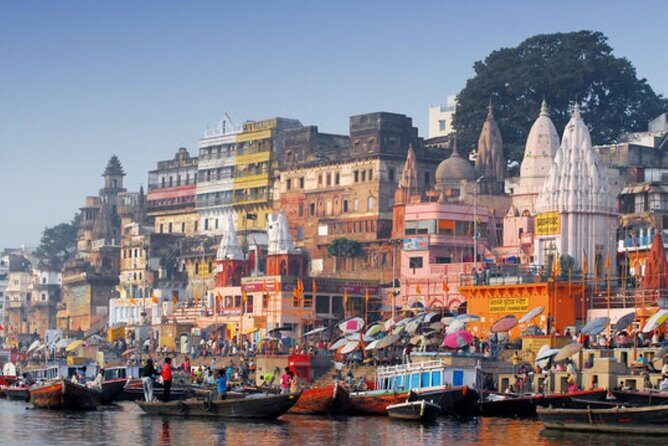
- Dashashwamedh Ghat Ganga Aarti: Evening ceremony with a live, sensory atmosphere that’s a major draw in Varanasi.
- Great Ganges sunrise boat ride: Early-morning views plus time to get your bearings before temple visits.
- Kashi Vishwanath area + Tulsi Manas Temple: A mix of major Hindu pilgrimage space and Rama devotion.
- Ramnagar Fort museum details: Arms, vintage cars, royal costumes, and the Bharat Mata Mandir relief map of India in marble.
- Bodhgaya’s Mahabodhi Temple + Bodhi Tree: The center of Buddhist pilgrimage energy, plus quiet meditation space behind the temple.
- What you can spot in Sarnath: Dhamek Stupa symbolism, plus Ashoka Lion Capital context at the museum.
Is this tour good value for $609.95?
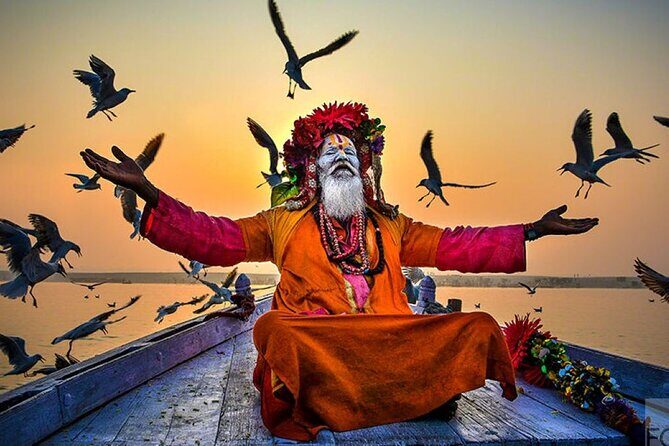
At $609.95 per person for about 5 days, the value mostly comes from what you don’t have to figure out: a private air-conditioned car, a professional private guide, hotel rooms on a double/twin basis, plus two “anchor” experiences—Ganga Aarti and the sunrise boat ride. You also get 4 breakfasts, 2 mineral water bottles per person per day, and taxes covering fuel/parking/tolls.
Where the math can shift is entry fees. Several major sites are marked as not included (for example, Kashi Vishwanath Temple and Mahabodhi Temple), so your total trip cost may be higher depending on how many paid entries you want to do. The upside is that your guide can help you prioritize what’s worth paying for on the day, based on your interests.
Timing-wise, it’s booked on average 11 days in advance, so you’ll want to reserve early if your travel dates are firm.
You can also read our reviews of more historical tours in Varanasi
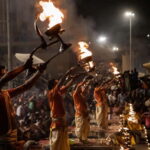
Day 1: Arrival in Varanasi and that first taste of Kashi
Your trip begins with pickup help at Varanasi International/Domestic Airport. A representative meets you with a name card and assists with hotel check-in. That sounds small, but in a city made of lanes and crowds, it helps you start calm instead of stressed.
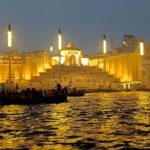
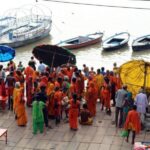
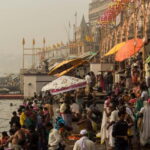
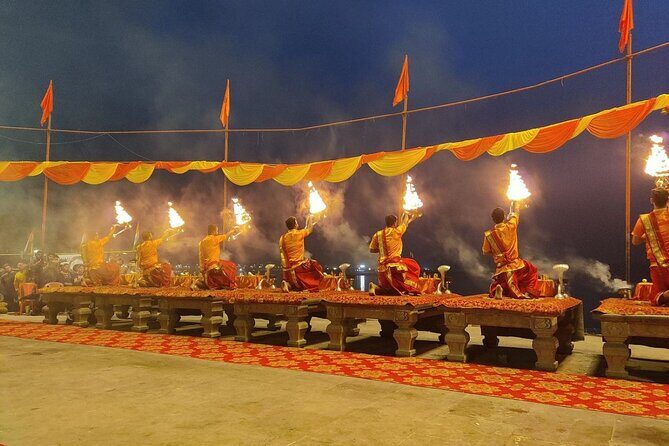
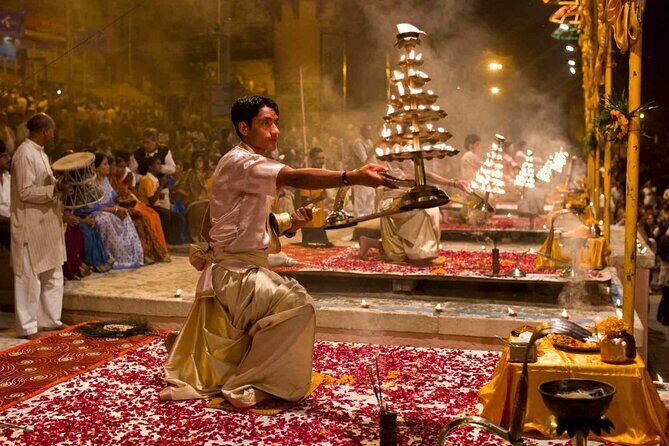
Once you’re settled, the first real “wow” comes in the evening with the Ganga Aarti at Dashashwamedh Ghat. This is one of those experiences where the setting does half the work: the riverfront, the ceremony pacing, and the sense that people are doing something they’ve practiced for years, even generations.
What I like about starting here is that it gives you context. By the time you visit temples later, you understand why the Ganges matters so much in everyday spiritual life.
Possible drawback: your first evening can run late, and that can affect your energy level for the next morning sunrise. If you’re sensitive to early starts, ask your guide how they plan to pace your day.
Day 1 evening: How Ganga Aarti really works as a spiritual intro
The tour includes the Evening Ganga Aarti at Varanasi Ghat (Dashashwamedh Ghat). You’ll be picked up from the hotel and guided to the ceremony.
Here’s the practical part: plan to be flexible. Aarti is scheduled, but the surrounding movement can be slow. Expect the need to stand, watch, and adjust. The benefit is that you’re not doing this as a random stop—you’re going at the right time with local support.
Also, this is the kind of spiritual experience where you don’t need to speak the language to understand the structure. The sequence is visible. The river is the stage. You just show up and pay attention.
Day 2: Kashi temples, Tulsi Manas, Banaras Hindu University, and Ramnagar Fort
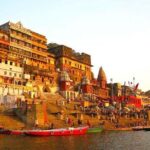
Day 2 keeps you moving through Varanasi’s spiritual and cultural layers. The tour starts with a morning boat ride with sunrise on the Great Ganges River. This is a clever pairing with the rest of the day. You get light over the water, a break from temple walking, and a mental map of the city’s river presence before you dive into sights.
Kashi Vishwanath Temple (major Hindu pilgrimage)
After the boat ride, you visit Kashi Vishwanath Temple, one of the 12 Jyotirlingas and a major pilgrimage site. This is a huge-name stop, and the value is that it connects you directly to why Varanasi is considered so sacred in Hindu tradition.
Note on fees: admission ticket is listed as not included. If you’re budgeting, set aside money for this one.


Tulsi Manas Temple (Rama devotion, inscribed verses)
Next is Tulsi Manas Temple, dedicated to Lord Rama. The standout detail here is that verses of Ramcharitmanas are inscribed on the temple walls. Even if you don’t read the script, you can feel the focus—this is devotion translated into stone and text.
This stop is marked as admission ticket free, so it’s a good “no extra cost” moment.
Banaras Hindu University and the Birla Temple connection
Then you visit Banaras Hindu University, one of India’s oldest and largest universities. The tour specifically highlights sights like the New Vishwanath Temple (Birla Temple) and an art gallery.
Admission tickets are not included here, so again, keep a flexible budget.
Why I like including the university: it shifts you from pure pilgrimage to living institutions. Varanasi isn’t just ritual—it’s also scholarship, art, and modern city life.
Ramnagar Fort: museum-style history with a quirky edge
You also stop at Ramnagar Fort, built by Kashi Naresh in the 18th century. The tour description emphasizes its museum side: arms, vintage cars, royal costumes, and then Bharat Mata Mandir.
The Bharat Mata Mandir detail is genuinely interesting: it has no idol and instead features a relief map of India in marble. That’s the kind of specific, visual oddity you remember.
Admission tickets are not included for this stop too, so plan accordingly.
Day 2 into Day 3: Sarnath’s Buddha geography (and the museum details)
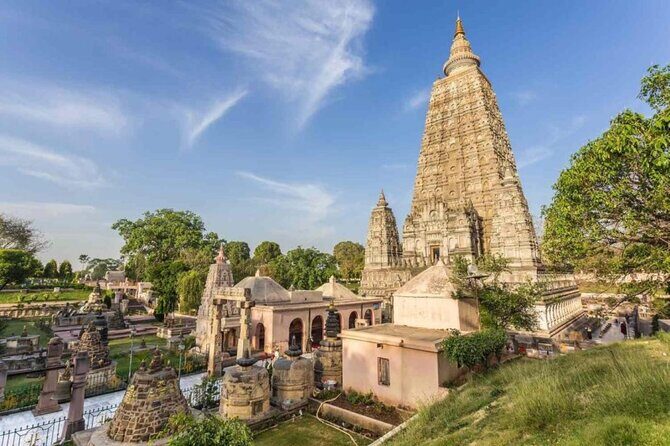
Day 2 continues into the Sarnath area with Dhamek Stupa and then stops connected to Ashoka and early Buddhist storytelling.
Dhamek Stupa and Buddha’s first sermon idea
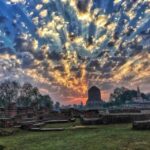
You visit Dhamek Stupa, described as the most prominent monument in Sarnath. It’s tied to commemorating Buddha’s first sermon. The tour notes the structure is 43.6 meters tall and made of brick and stone with intricate carvings.
Even if you don’t go deep into the text, the value is in the meaning. You’re standing somewhere associated with a turning point in Buddhist history.
Admission tickets are not included.
Sarnath Museum and the Ashoka Lion Capital
Next is the Sarnath Museum, established in 1910 by the Archaeological Survey of India. The main attraction is the original Ashokan Lion Capital, which is also India’s national emblem. You also see Buddhist sculptures, relics, and inscriptions.
A useful planning note: the museum is closed on Fridays. So if your dates put you in Sarnath on a Friday, your guide will likely adjust.
Admission tickets are not included.
Ashoka Pillar: what’s left at the original site
You then see the Ashoka Pillar site. The tour notes that the original lion capital is now in the museum and that only the base remains at the actual site.
I like this stop because it prevents the common mistake of assuming every site contains the most famous object. Here, you learn where the symbol went—and why the museum matters.
Day 3: The shift to Bodhgaya and a calmer pace
Day 3 moves you from Varanasi’s river religion to Bodhgaya’s Buddhist heart. The tour keeps it practical: breakfast first, then you proceed to Bodhgaya and start sightseeing.
This is the day where the mood changes. Varanasi tends to feel loud and layered; Bodhgaya is more about sacred focus and quiet movement.
Bodh Gaya area and the Bodhi Tree behind the temple
You start with an overview of Bodhgaya, described as the most important of the four Buddhist pilgrimage sites. Then you go to the Bodhi Tree—a descendant of the tree where Siddhartha Gautama meditated and attained enlightenment.
The tour notes the Bodhi Tree is located behind the Mahabodhi Temple and that pilgrims meditate with deep devotion. You get a chance to slow down here, because the space invites sitting and reflection.
This stop is marked as free.
Market time as a reality check
After the Bodhi Tree, you also explore the main market in Bodhgaya. That’s a smart addition because you get to see what pilgrims do off-site: buy, snack, chat, and reset between temples.
If you’re watching costs, markets can be a place to spend accidentally. Keep a rough idea of what you want before you start browsing.
Day 4: Mahabodhi Temple, the Great Buddha Statue, museums, and monasteries
Day 4 is the core Bodhgaya day: Mahabodhi Temple first, then more Buddha-centered landmarks, followed by museum and monastery visits.
Mahabodhi Temple: ancient origins and later rebuilding
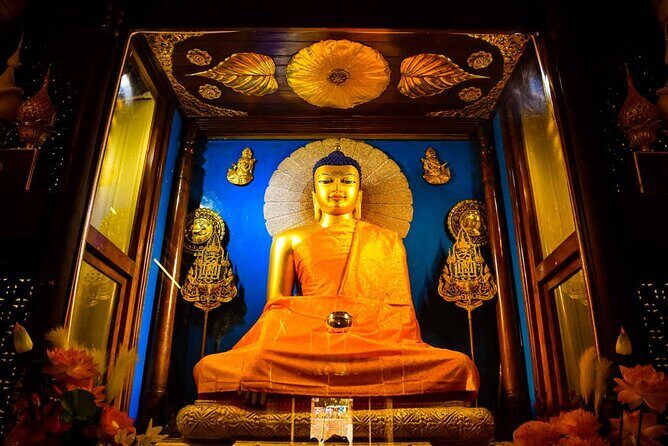
You visit the Mahabodhi Temple. The tour description notes it was originally built by Emperor Ashoka in the 3rd century BCE, then rebuilt in the 5th–6th centuries CE.
Admission ticket is not included, so budget for it. Even without a guide going deep into architecture, you can read the significance. This is why people come from everywhere: it’s the main pilgrimage anchor.
Bodhi Tree repeat (because it’s the point)
You also revisit the Bodhi Tree behind the Mahabodhi Temple. This time it’s shorter on the schedule, but it helps you compare your first impression to your second—after you’ve seen the main structure.
This stop is marked free again.
Great Buddha Statue with Dalai Lama inauguration detail
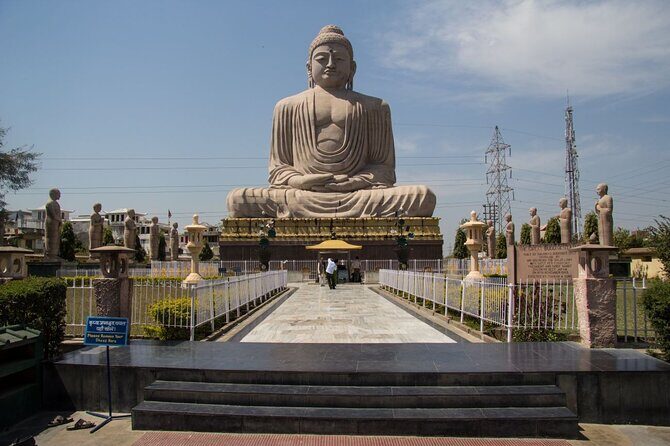
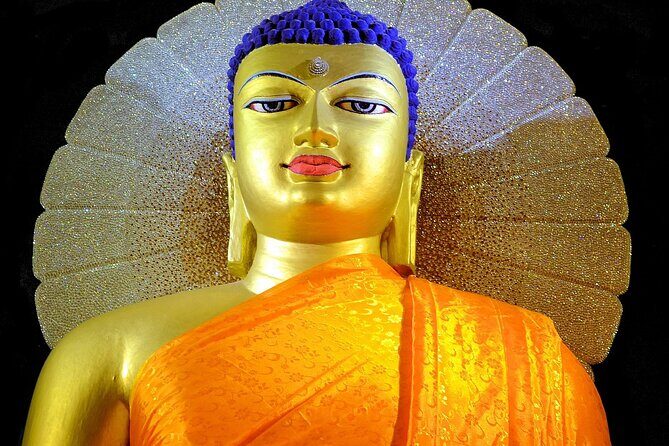
Then you see the Great Buddha Statue, described as 80 feet tall and inaugurated by the 14th Dalai Lama in 1989. Around it are smaller statues of Buddha’s disciples.
Admission ticket is not included. The value here is the explicit link between modern recognition and older tradition. It’s one of those “today meets history” moments.
Archaeological Museum Bodhgaya
You visit the Archaeological Museum Bodhgaya, which contains ancient sculptures, inscriptions, and artifacts related to Buddhism. Admission ticket is not included.
I like museum time because it gives you context for what you’re looking at. When you return to temple structures, you notice symbols and materials more confidently.
Royal Bhutan Monastery and Thai Monastery: architectural contrast
The tour also includes two monasteries: the Royal Bhutan Monastery and the Thai Monastery.
Royal Bhutan Monastery is highlighted as having intricate wooden carvings and a giant Lord Buddha statue, built by the King of Bhutan. The Thai Monastery is described as having Thai architecture and peaceful surroundings.
Admission tickets are not included here. Still, it’s worth it if you enjoy seeing how different Buddhist cultures interpret sacred design. Even if you don’t know the details, you’ll feel the difference in style and atmosphere.
Day 5: Departing from Varanasi without extra stress
On the final morning, you have breakfast at the hotel. Then a driver picks you up and transfers you to Varanasi on arrival for your flight onward journey.
This matters because the end of a spiritual itinerary can be draining. A pre-arranged airport transfer helps you avoid last-minute confusion and lets you focus on leaving with your head clear.
The tour marks this day as 5 hours for the transfer window.
What this tour is like day-to-day (and how to enjoy it)
This is a private tour, meaning it’s just your group. That’s a big deal in these places because pacing matters. You can pause for photos, sit for a moment, and avoid the “rush to the next stop” feeling.
You’ll also notice a pattern: the itinerary mixes high-demand landmarks (Dashashwamedh Ghat, Kashi Vishwanath, Mahabodhi Temple) with supporting stops that add meaning (Sarnath museum and the Ashoka Lion Capital context, Ramnagar Fort’s Bharat Mata Mandir relief map, Bodhi Tree meditation focus).
If you like religious history told through objects, inscriptions, and specific places, you’ll enjoy this plan.
If you prefer only one or two major temples and lots of free time, you might find the days slightly packed. Still, the tour structure gives you real anchors, not just a long list of names.
Comfort and practicalities that matter more than you think
You get A/C hotel accommodation in double/twin sharing rooms, plus a private car for the entire tour. You also get 2 mineral water bottles per person per day. That’s a small line item that can make a big difference when you’re walking temple areas and sitting for ceremonies.
One practical consideration: since multiple major sites are listed as not included, keep your spending flexible. If you’re traveling with a tighter budget, ask your guide ahead of time which paid entries are essential for you.
Also, the Sarnath Museum closure on Fridays is worth noting. If your dates land on a Friday, you’ll want to be ready for possible route adjustments.
Should you book this Varanasi with Bodhgaya tour?
If you want a focused 5-day circuit linking Hindu Varanasi and Buddhist Bodhgaya with a guide and a private car, this tour makes sense. The standout strengths are the structured spiritual experiences—especially Ganga Aarti and the sunrise boat ride—plus the way the itinerary adds meaning through museums and specific historical details like the Ashokan Lion Capital and the Bharat Mata Mandir relief map.
I’d skip it or adjust expectations if you hate early starts or you’re trying to keep every cost tightly controlled, since several entry fees aren’t included. For many people, though, it’s a good trade: you pay a bit extra for organization, and you spend less time figuring things out.
If you do book, take advantage of the flexibility offered by the company’s free cancellation up to 24 hours in advance.
FAQ
How long is the Varanasi with Bodhgaya tour?
It’s listed as 5 days (approx.).
What’s included in the price?
The tour includes A/C hotel accommodation (double/twin sharing), private air-conditioned car, professional private guide, evening Ganga Aarti at Varanasi Ghat, morning boat ride with sunrise, breakfast (4), 2 mineral water bottles per person per day, and taxes for things like fuel/parking/tolls.
Are pickup and transfers included?
Yes. You get a representative at Varanasi International/Domestic Airport for assistance with check-in, and on the last day you’ll be transferred to the airport for your onward flight.
Is this tour private or group?
It’s described as private, with only your group participating.
Are temple and museum entry tickets included?
Not all of them are. Some stops are marked included (like Ganga Aarti) while many others are not included (including Kashi Vishwanath Temple and Mahabodhi Temple).
Do I get breakfast during the tour?
Yes. Breakfast (4) is included during the tour.
Is the Sarnath Museum open every day?
No. The Sarnath Museum is closed on Fridays.
What’s the cancellation policy?
You can cancel for a full refund up to 24 hours in advance; within 24 hours, the amount is not refunded.
If you tell me your travel dates and whether you’re more interested in temples, history, or ceremonies, I can help you budget the likely paid entries and pick the best pace for your group.