REVIEW · VARANASI
Full-Day Private Guided Cultural Tour in Varanasi
Book on Viator →Operated by Guide Varanasi · Bookable on Viator
Varanasi hits different at dawn. This full-day, private cultural tour is built around real river rituals and everyday city life, not just photos and postcards. I like how the day starts early with a Ganges boat ride from Dasaswamedh Ghat, then moves into temples and old lanes where people practice faith on schedule.
One of my favorite parts is the official guide focus. If you get Ashok (a name that comes up often), you can expect clear English and respectful explanations of Hindu and Buddhist beliefs, plus why the ghats and ceremonies matter. Another big win is the pacing: a long break for breakfast and freshening up means you’re not running on fumes for 10–11 hours.
The main drawback to plan for is the emotional and physical side of Varanasi. You’ll spend time near cremation ghats and you’ll do walking in tight streets, so comfortable shoes and a steady mindset help.
In This Review
- Key highlights you’ll feel on this day
- Why this sunrise-to-sunset Varanasi day feels like the city
- Dasaswamedh Ghat before sunrise: the boat ride that sets the tone
- Old Varanasi lanes: rituals you can understand, not just observe
- Banaras Hindu University stop: a green pause in the middle of the holy day
- Durga (Monkey) Temple and Bharat Mata: two fast stops with big symbolism
- The long breakfast break you’ll actually appreciate
- Sarnath Deer Park: Buddha’s first sermon made physical
- Dhamek and the archaeological museum: Ashoka-era scale
- Ganga Aarti evening walk: understand the city’s nighttime rhythm
- Manikarnika Ghat: cremation explained so it doesn’t feel random
- Price and value: what $125 buys you in real terms
- Who this private tour suits best
- Should you book this Varanasi private cultural tour?
- FAQ
- How long is the full-day tour in Varanasi?
- Is pickup included, and is it private?
- What’s included in the tour price?
- Do I need to pay extra tickets for Sarnath or Dhamek?
- Where does the tour start and end?
- Is there free cancellation?
Key highlights you’ll feel on this day
- Sunrise boat from Dasaswamedh Ghat with early-morning river activity as your backdrop
- Old Town walking lanes paired with an explanation of Hindu customs and daily life
- Sarnath + Dhamek to connect Buddha’s first sermon with a major Ashoka-era monument
- Ganga Aarti evening ceremony plus a slow walk through local markets
- Manikarnika Ghat context from your guide, so you understand what you’re seeing
- Private car + driver support (and water) to keep the day realistic for a full schedule
Why this sunrise-to-sunset Varanasi day feels like the city
This tour is basically a full working day of Varanasi: river rituals in the morning, sacred sights in the middle, then an evening ceremony by the water. The order matters. Watching the Ganges in daylight first helps everything later—the temples, the stories, even the mood of the old city.
At $125 for roughly 10–11 hours, the value is in the structure. You’re not guessing how to move between sites, and you’re not stuck translating what rituals mean. Private guide time is expensive in most countries, so here it’s a practical bargain.
Just remember: Varanasi is lived-in. The goal is culture and tradition, not a curated museum day.
You can also read our reviews of more guided tours in Varanasi

Dasaswamedh Ghat before sunrise: the boat ride that sets the tone
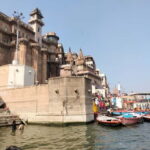
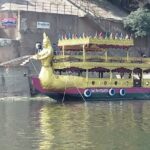
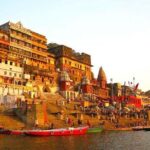
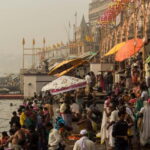
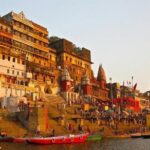
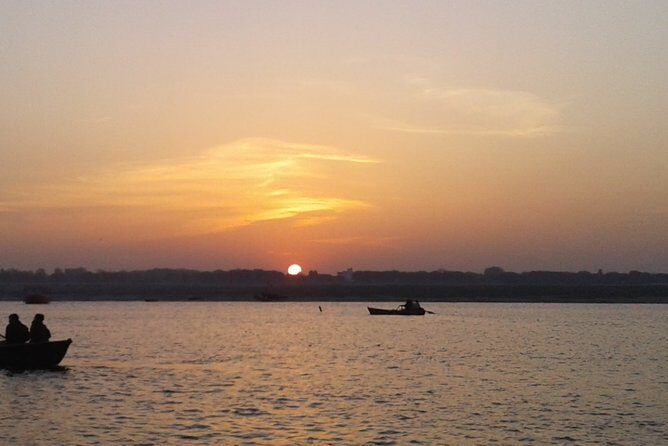
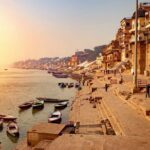
The day kicks off about 30 minutes before sunrise. You’ll go to Dasaswamedh Ghat for a boat ride on the Ganges, with the river starting to wake up and activity already underway near the steps.
From the water, you get a cleaner view of how the river shapes everything. You’ll also see major cremation-related areas along the banks, including Manikarnika and Harishchandra ghats, plus palaces and the start of morning rituals.
Practical tip: early morning means you’ll want your basic gear ready (water bottle, hat if needed, and camera settings dialed). Also, watch your footing while boarding and disembarking—this is a working ghat, not a dock at a marina.
Old Varanasi lanes: rituals you can understand, not just observe
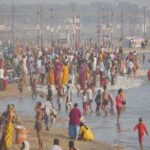
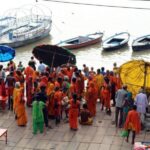
After the boat ride, you shift to an old-city tour with your guide. You’ll spend time at Dasashwamedh Ghat for the morning rituals and then do a walk through narrow lanes in the old city.
This is where the guide pays off. Instead of only pointing at temples, your guide helps you connect what you’re seeing to beliefs and daily habits. That’s the difference between sightseeing and actually understanding the city’s rhythm.
A note on comfort: tight streets and crowd flow are part of the deal. If you’re someone who hates slow walking in close quarters, you’ll want to pace yourself and take breaks when your guide suggests it.
Banaras Hindu University stop: a green pause in the middle of the holy day
After early sightseeing, the tour adds a round trip by car to Banaras Hindu University (BHU). The plan highlights it as the biggest university campus in Asia, and you’ll pass through an area described as green and pleasant.
This stop works as a mental reset. You go from ritual intensity to a calmer space where the day can breathe for a bit—useful before the next wave of temples and then Sarnath.
Don’t expect this to replace the sacred sites; it’s more of a reset button. Think of it as a breather that still keeps the day moving.
Durga (Monkey) Temple and Bharat Mata: two fast stops with big symbolism
Next up is the Monkey Temple (Durga Temple). The plan calls it about 200 years old and notes its red appearance and dedication to Goddess Durga. It also explains why it’s commonly linked to monkeys.
Even if you’re not obsessed with temples, these kinds of stops help you read the city. Varanasi isn’t one style of worship—it’s many, layered together in the same neighborhoods.
Then you’ll move to Bharat Mata Temple, focused on a floor relief map of India made in white marble. It’s a quick visit, but it gives you a different lens: devotion tied to country, identity, and symbolism, not just a specific god-form.
You can also read our reviews of more private tours in Varanasi

The long breakfast break you’ll actually appreciate
Here’s where the tour shows practical thinking. You’ll return toward your hotel for breakfast and freshening up, with a two-hour break.
In a long, early-start day, this is gold. You’ll have time to reset, eat well, and avoid the “hangry + overwhelmed” spiral that can ruin a spiritual day.
Plan to use the break actively: charge your phone, wash up, and wear clean clothes if you’re headed to evening ceremony. Your future self will thank you.
Sarnath Deer Park: Buddha’s first sermon made physical
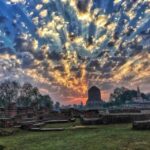
After breakfast, you head to Sarnath, about 8 km from Varanasi. Sarnath is a major Buddhist pilgrimage center because it’s connected to the story of Buddha preaching his first sermon after enlightenment.
The tour includes the Deer Park area and related sites there (including references to Buddhist structures such as the Sri Lanka segment mentioned in the plan). This part is less about crowds at ghats and more about sacred space and meaning.
In my view, this stop is the tour’s “connector.” It helps you see that Varanasi isn’t only Hindu. The city sits at a crossroads of religious ideas that travelers often miss when they focus only on river rituals.
One practical thing: the plan notes Sarnath monument entrance ticket INR 305 per person is not included. Budget for it so there’s no surprise at the gate.
Dhamek and the archaeological museum: Ashoka-era scale
From Sarnath, you go to Dhamek—described as a gigantic structure made by Ashoka in the 3rd century BC. You’ll also have time at the archaeological museum.
The museum segment mentions seeing India’s national emblem and various statues. It’s a quick addition, but it helps anchor the day with a material timeline—how long these places have mattered, and how the story survives through stone and artifacts.
Not included here: the plan says Dhamek/museum entry isn’t covered (the time block specifies ticket not included), so expect to pay on-site if required.
Ganga Aarti evening walk: understand the city’s nighttime rhythm
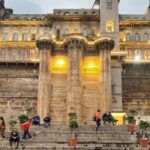
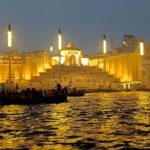
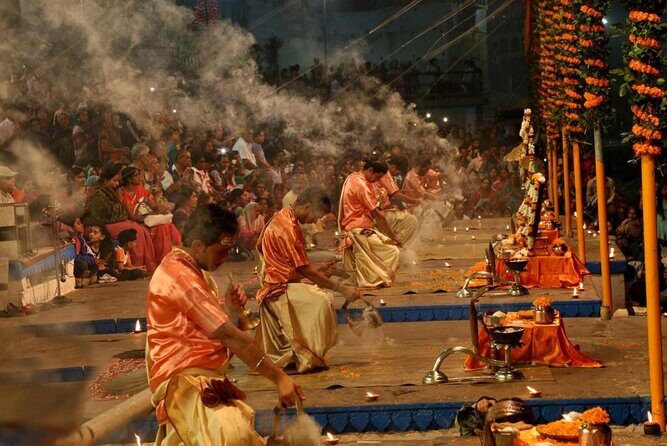
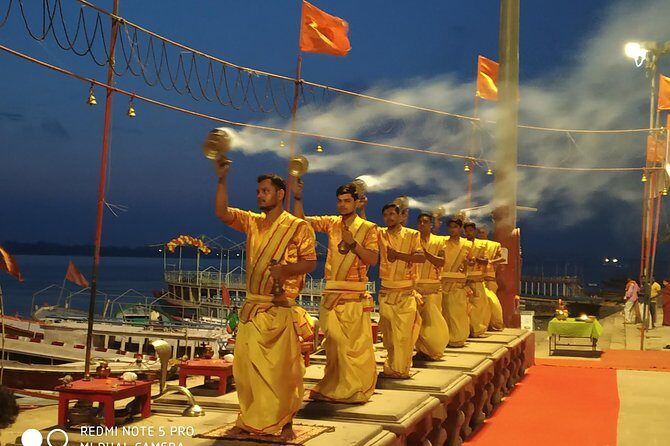
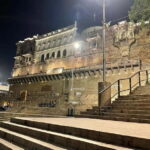
As the day turns toward evening, you get a walking tour in old Varanasi and then the Ganga Aarti ceremony. The plan emphasizes how you’ll feel and understand how people live in the same place for generations.
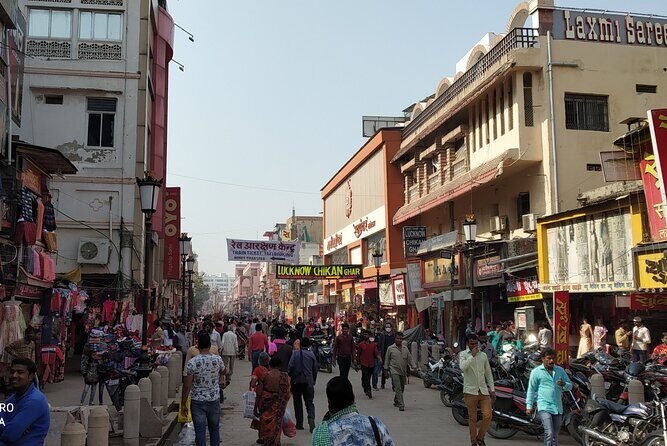
You’ll also pass through a busy market area described as colorful and crowded, with stores selling items like cloth and other essentials. It’s not just “shopping time.” It shows how the river, the temples, and daily life all overlap.
For photography: this is one of those evenings where your best memories might be eyes-up, not lens-up. If you want photos, aim for a few key shots and then watch the rest. Aarti works best when you’re actually present for it.
Manikarnika Ghat: cremation explained so it doesn’t feel random
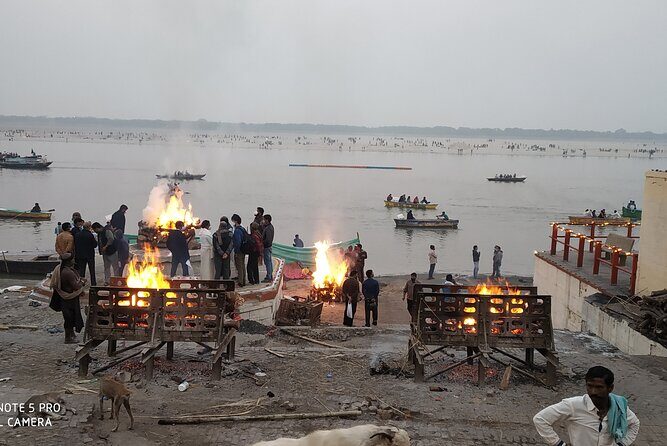
Toward the end, you visit Manikarnika Ghat for a short stop. Your guide explains the Hindu way of cremation, giving context so you’re not just reacting to what you see.
This is the part of the day that can be intense. You can’t control the emotion of the moment, but you can control your preparation. Going in with an understanding of the ritual purpose makes it easier to watch with less fear and confusion.
Practical tip: if you’re sensitive, tell your guide so they can help you position yourself. A private guide is useful exactly for moments like this.
Price and value: what $125 buys you in real terms
Let’s break down value without fantasy math.
For about $125, you get:
- an official guide for the full day (including explanations of Hinduism and Buddhism)
- private car support with a driver and day-long movement
- one bottle of water per person
- admissions listed as included for several key stops (not all)
Then you should budget separately for two specific costs called out in the plan:
- Sarnath monument entrance ticket: INR 305 per person
- Dhamek/archaeological museum ticket: listed as not included
In practical terms, you’re paying for time with a guide plus transport, and you’re getting a day that runs like a timeline. If you’re traveling alone, language is a barrier, or you want to avoid getting stuck trying to figure things out between sunrise and sunset, this price starts to make more sense.
Who this private tour suits best
This tour is a strong fit if you want Varanasi to feel like a living place. If you’re a first-timer who’s nervous about logistics, the private structure is calming. If you like religion explained in plain language—how beliefs connect to rituals and daily life—you’ll get a lot out of the guide-led approach.
It may be less ideal if:
- you dislike early starts and long days (it runs roughly 10–11 hours)
- you don’t want to be near cremation ghats
- you have mobility limits for walking in tight lanes
Should you book this Varanasi private cultural tour?
I’d book it if your top goal is meaning, not just scenery. The combination of Ganges boat at sunrise, a guide-led understanding of temple and ritual culture, a full Sarnath segment, and the evening Ganga Aarti gives you a complete arc from morning to night.
I’d think twice if you’re easily overwhelmed by intense religious scenes or you’re traveling with very limited stamina for walking. In that case, you could still enjoy parts of the day, but this schedule might feel like too much.
If you want a day that ties the city’s river rituals to its spiritual threads, this is one of the most direct ways to do it—without losing half your time to guessing routes.
FAQ
How long is the full-day tour in Varanasi?
It runs about 10 to 11 hours, following a sunrise-to-sunset style schedule.
Is pickup included, and is it private?
Pickup is offered, and it’s a private tour/activity, meaning only your group participates.
What’s included in the tour price?
The plan includes an official guide, a car (Etios, Desire, or similar), and one bottle of water per person. Some stop admissions are listed as included, while others are not.
Do I need to pay extra tickets for Sarnath or Dhamek?
Yes. The Sarnath monument entrance ticket (INR 305 per person) is not included. The Dhamek archaeological museum entry is also listed as ticket not included.
Where does the tour start and end?
It starts at Godowlia, Varanasi, Uttar Pradesh 221001, India, and ends back at the same meeting point.
Is there free cancellation?
Yes. You can cancel up to 24 hours in advance for a full refund. If you cancel less than 24 hours before, the amount paid is not refunded.