REVIEW · VARANASI
Varanasi Half day south and north Heritage walking tour
Book on Viator →Operated by Pintu · Bookable on Viator
Varanasi clicks faster with a local guide. This half-day heritage walk with Pintu is built for first-timers who want more than photos: you’ll move through famous ghats, temples, narrow lanes, markets, and even quieter corners where daily life still feels real.
I especially like the mix of major sites and smaller, less-touristy stops, so you get context instead of a rushed checklist. I also like that it’s structured for a 3-hour visit with a group size capped at 20, plus coffee or tea and an English/Spanish guide.
One consideration: the riverfront and funeral areas can feel intense and emotional. If you’re sensitive around Hindu cremation rituals, or if you don’t enjoy side stops into shops, this tour may feel a bit more than you planned.
In This Review
- Key things that make this walk worth it
- Why this 3-hour north-and-south heritage walk works
- Meeting point: start smart at Hotel Ganges Grand area
- Dashashwamedh Ghat and Kedar Ghat: starting the Ganges story
- Harishchandra Ghat: funeral rituals and respectful viewing
- Hanuman Ghat, akhada life, and Shiva temple lane
- Madanpura: traditional Varanasi saree work in the middle of the city
- Chousatti Ghat and the Lahiri Mahasaya Samadhi side
- Pace, group size, and why coffee or tea is not a throwaway
- Price and value check: $30 for a guided circuit of major meaning
- Who this tour is for (and who should consider a different plan)
- Should you book this Varanasi ghats-and-temples walk?
- FAQ
- What time does the tour start?
- How long is the Varanasi half-day heritage walking tour?
- Where is the meeting point?
- Does the tour end at the same place?
- How much does it cost?
- What’s included in the tour?
- Is the ticket digital or paper?
- Are there admission fees for the stops?
- What’s the group size limit?
- What’s the cancellation policy?
Key things that make this walk worth it
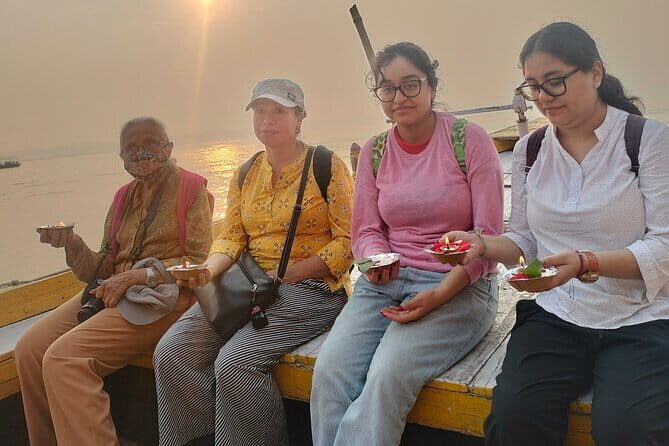
- Pintu (local, from Varanasi) explains the meaning behind what you’re seeing
- Major ghats like Dashashwamedh, Kedar, and Harishchandra included for real ceremony context
- A stop at Hanuman Ghat and an akhada shows the spiritual side of Indian wrestling culture
- Shiva temples and temple lanes connect devotion, local stories, and street-level Varanasi
- Madanpura’s Varanasi saree weaving/waving art adds an artisan angle beyond the ghats
- Lahiri Mahasaya Samadhi brings Kriya Yoga lineage into the walk’s spiritual map
Why this 3-hour north-and-south heritage walk works
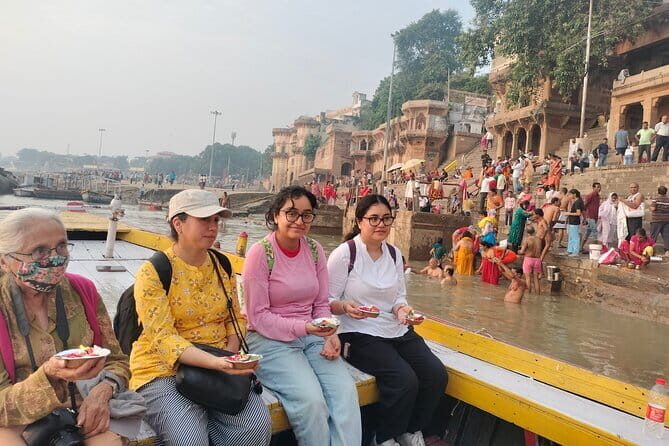
This is the kind of tour that helps you interpret Varanasi instead of just seeing it. You’re not stuck in one viewpoint. You’ll walk along the river ghats, cut through religious lanes, and pass through everyday spaces where locals shop, pray, and talk business.
The north-and-south idea matters because Varanasi feels different block to block. In a short window you get a broader sense of the city’s “what’s important here” map—where devotion happens, where traditions are practiced, and what people consider normal.
The price also makes sense for what you’re getting: a local guide, guided stops at multiple landmarks, and coffee or tea included for roughly 3 hours.
You can also read our reviews of more walking tours in Varanasi


Meeting point: start smart at Hotel Ganges Grand area
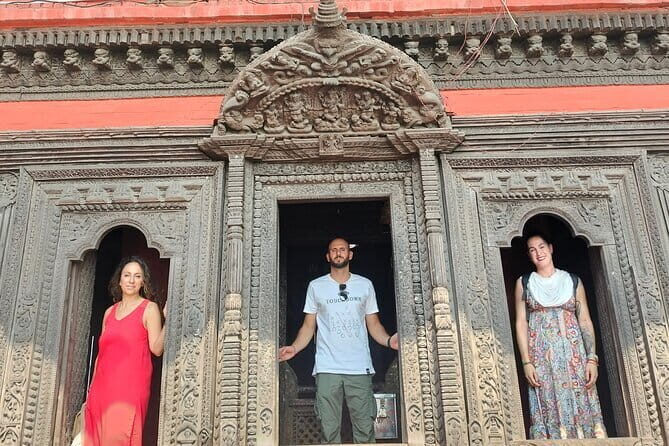
The tour meets at Hotel Ganges Grand (front side), near the Marwari Hospital Building, D-37/47, Dashashwamedh Ghat Rd, Crossing, Godowlia, Varanasi, Uttar Pradesh 221001. It starts at 9:00 am, and it ends back at the same meeting point.
That timing is useful if you want to beat some crowds and still have enough daylight to keep walking. Also, the meeting area is described as near public transportation, which is handy if you’re bouncing between temples and ghats during the rest of your day.
What to do to make the morning smoother:
- Wear comfortable shoes. Ghats and lanes involve steps and uneven pavement.
- Bring a light layer. Mornings can feel pleasant, then shift quickly.
- If you plan to shop for tea or textiles elsewhere, keep your budget in mind. This tour style sometimes includes visits that can lead to sales pitches.
Dashashwamedh Ghat and Kedar Ghat: starting the Ganges story
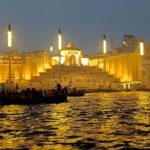
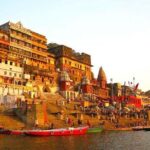
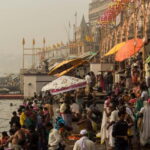
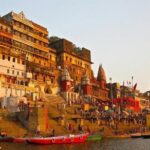
Your walk opens at Dashashwamedh Ghat—one of the best-known ghats along the Ganges. Expect a powerful first impression: the river edge is where daily rituals and public life overlap. The guide’s job here is key. Without context, it’s easy to see activity but miss meaning.
From there you head to Kedar Ghat, another important spiritual stop. This is where the tour’s “local family” approach helps. You’re not just looking at stone and steps—you’re learning how people interpret the space, how faith shows up in everyday movement, and why certain ghats have their own reputation.
Good to know: admission at the listed stops is marked as free, so you’re not budgeting for entry fees at each point. That helps the tour feel like a guided experience rather than a ticket-to-ticket sprint.
Harishchandra Ghat: funeral rituals and respectful viewing
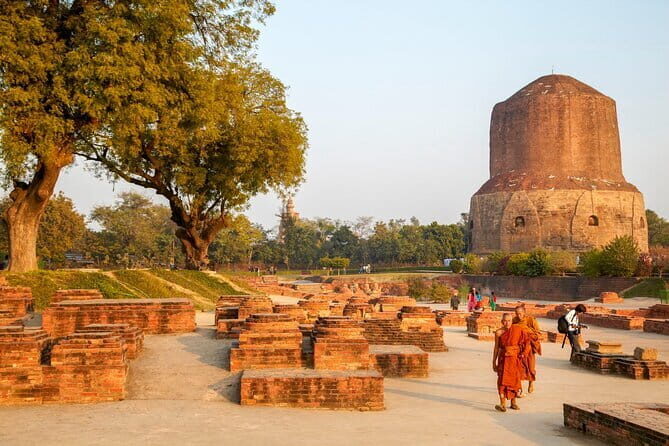
Next comes Harishchandra Ghat, known for its role in Hindu funeral rituals. This stop is the one that can genuinely change how you understand Varanasi. It’s not sightseeing in the typical sense. It’s a look at how belief and death are woven into daily religious practice.
You’ll spend about 30 minutes here, which is a helpful amount of time. With more time, you can actually listen and observe rather than just pass through. Still, it’s also where you need to choose your own comfort level. If you don’t feel good around death rituals, be ready to pause, step back, and focus on the surrounding architecture and river activity.
A respectful way to handle this emotionally: treat it like a living place, not a spectacle. A good guide will help you understand what’s happening without turning it into shock value.
Hanuman Ghat, akhada life, and Shiva temple lane
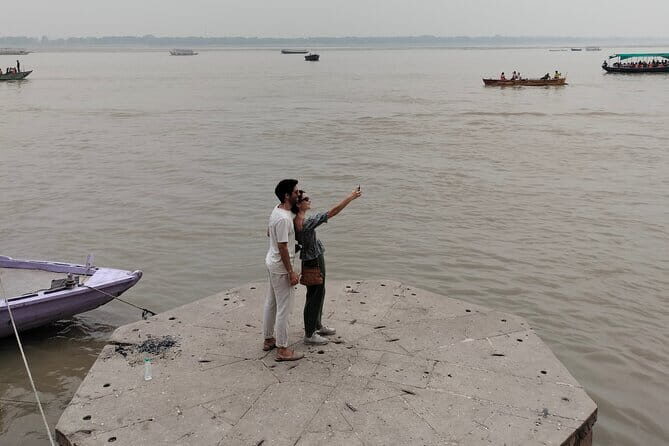
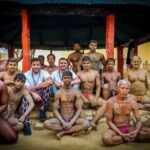
At Hanuman Ghat, the tour turns to a different side of Varanasi. You’ll meet the idea of an akhada, a traditional training center for wrestlers associated with Indian wrestling styles like kushti. Akhadas aren’t only about training muscles—they also carry spiritual weight.
Then you’ll move into Shri Kashi Kaamkoteeshwar Mandir, a temple dedicated to Lord Shiva. In a city like Varanasi, Shiva temples aren’t just religious buildings; they’re anchors for stories, identity, and rhythm. The guide’s explanations are what help you connect temple details to the bigger picture of local devotion.
You’ll also pass Shav Shiva Temple Lane (associated with Shav Shiva Kali Temple). Even though it’s a short stop, the value is in the guidance: you’ll connect unique deities with local spiritual teachings and how these beliefs show up in street-level worship.
Why I like this part of the walk: it breaks the “ghats only” pattern. You get faith on the river, but also faith in the lanes—where people live, gather, and continue traditions without needing a tourist microphone.
You can also read our reviews of more historical tours in Varanasi

Madanpura: traditional Varanasi saree work in the middle of the city
One of the more interesting stops is Madanpura, described as a center to explore the traditional waving art of Varanasi sarees.
This matters because it shifts the day from purely religious landmarks to craftsmanship—skills passed through generations, still embedded in daily commerce and culture. If you love textile history, fashion details, or you just want something tangible beyond temples, this stop gives your eyes a new job.
A practical note: weaving/tissue crafts often lead to product demonstrations and sales. If you’re not shopping, you can still enjoy watching the process and listening to the explanation, just be clear with yourself about what you want to buy (if anything).
This is also where the walk’s “heritage” framing feels more complete. Varanasi isn’t only sacred; it’s creative and practical too.
Chousatti Ghat and the Lahiri Mahasaya Samadhi side
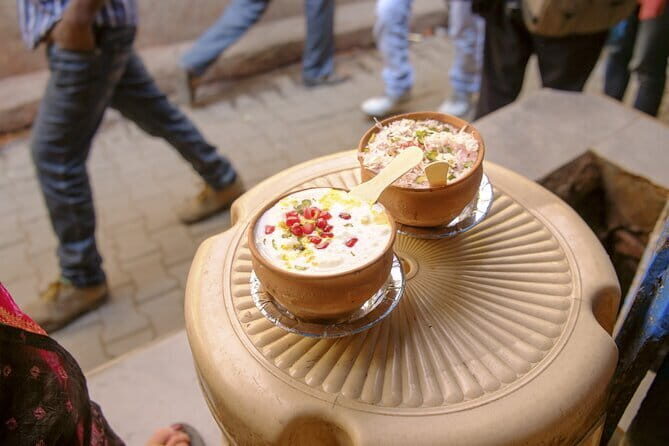
After the weaving stop, you’ll head to Chousatti Ghat, with Chausatti Devi Temple as a key stop. This is a chance to connect with the idea of the divine feminine in Varanasi’s religious landscape. The tour includes about 15 minutes here, which works well because it’s enough time for understanding without making it feel like a museum stop.
Finally, you’ll visit Lahiri Mahasaya Samadhi. Lahiri Mahasaya—also known as Mahavatar Babaji—is presented here as a prominent figure in the lineage of Kriya Yoga, and a key disciple of Babaji. If yoga and spiritual lineages interest you, this stop gives you a different thread to follow beyond temple walls and funeral ghats.
What you should expect from the end of the walk: the guide should tie the spiritual dots together—how devotion, ritual places, and named figures all fit into the same living city.
Pace, group size, and why coffee or tea is not a throwaway
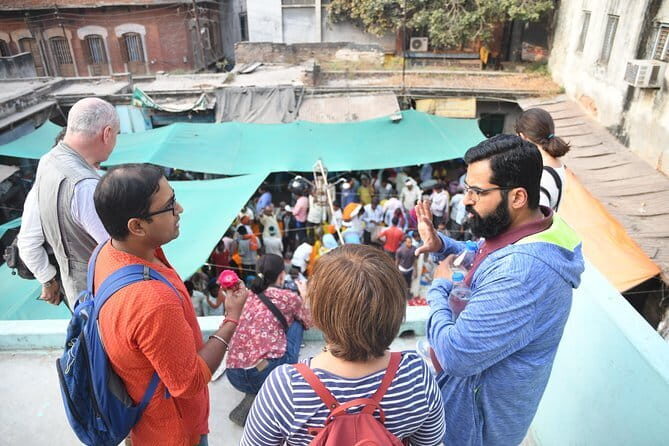
The tour is about 3 hours long, with up to 20 travelers. That size keeps it manageable on crowded lanes. It also means you’re not getting “guide voice on a megaphone” energy. You can usually hear explanations and ask small questions without the group splitting into chaos.
Coffee and/or tea are included. That’s not just a perk. It’s useful in Varanasi, where a short break can reset you—especially after moving between intense scenes like river rituals and temple lanes.
The route includes narrow streets, markets, and popular food stalls in the overall plan. That’s great for context, but it also means you’ll be surrounded by sensory input. If you’re doing this as a first Varanasi activity, this tour is a good way to learn what feels overwhelming and what feels fascinating.
Price and value check: $30 for a guided circuit of major meaning
At $30 per person, this is priced like a true local walking tour rather than a high-end “driver + tickets” product. You’re getting:
- A local guide in English and Spanish
- Coffee and/or tea
- A mobile ticket
- Guided access to multiple listed stops where admission is noted as free
- A structured route that covers major ghats plus spiritual and artisan stops
Is it a bargain? It can be, if you use the guide correctly. A guide like Pintu is strongest when you’re listening, asking what things mean, and letting him point you toward what to notice on your own later. If you already know Varanasi deeply, you might want fewer stops and more free time. For first-timers, though, this price can buy you the biggest part of what a guide really sells: understanding.
Who this tour is for (and who should consider a different plan)
This one fits best if you:
- Are visiting Varanasi for the first time and want a guided way to make sense of the city
- Want a balance of ghats, temples, and everyday culture
- Like local stories about traditions, history, religion, and ordinary daily life
- Want an English or Spanish guide who can explain what you’re seeing as you walk
Consider passing or adjusting expectations if you:
- Are very sensitive to funeral-related rituals and prefer tours that focus only on temples and viewpoints
- Dislike sales pressure around shops and textiles (some tours with craft stops can attract persistent sellers)
Should you book this Varanasi ghats-and-temples walk?
I’d book it if you want a first-floor orientation to Varanasi. The route covers the big spiritual landmarks people come for—Dashashwamedh, Kedar, Harishchandra—but it also keeps going into the lanes and practices that make the city feel lived-in. The addition of Hanuman Ghat’s akhada culture and Madanpura’s saree weaving art gives the experience shape beyond sightseeing.
I’d think twice if you know you’ll feel overwhelmed by the funeral ritual setting at Harishchandra Ghat or if you hate side visits that can involve shopping pitches. In that case, you might still enjoy a shorter, purely temple-focused plan.
If you’re flexible, respectful, and curious, this is a strong value way to get oriented fast.
FAQ
What time does the tour start?
The tour starts at 9:00 am.
How long is the Varanasi half-day heritage walking tour?
It lasts about 3 hours (approx.).
Where is the meeting point?
Meet at Hotel Ganges Grand, in front of the Marwari Hospital Building, Dashashwamedh Ghat Rd, Crossing, Godowlia, Varanasi.
Does the tour end at the same place?
Yes. The activity ends back at the meeting point.
How much does it cost?
The price is $30.00 per person.
What’s included in the tour?
Coffee and/or tea are included, and the guide is provided in English and Spanish.
Is the ticket digital or paper?
You’ll receive a mobile ticket.
Are there admission fees for the stops?
The tour details list admission tickets for the stops as free.
What’s the group size limit?
The maximum group size is 20 travelers.
What’s the cancellation policy?
Free cancellation is available up to 24 hours in advance for a full refund.