Varanasi feels like it never switched off. This guided walk threads through narrow lanes and shows you the city’s spiritual engine room, from major temples to the sacred riverfront. I especially like the way it ties architecture to meaning—like the stop at Manikarnika Ghat, explained as a place of moksha (liberation) through cremation. One consideration: you’re going to be close to the themes of death and ritual at Manikarnika Ghat, so keep that in mind if you’re sensitive to the topic.
What makes this work well is the guide. In the feedback I’ve seen, guides like Suhail and Aman are praised for patient care, good English, and making the pace comfortable, including for people who aren’t young or are traveling with mobility limits. The tour is designed for conversation too, with stories about culture, religion, tradition, and the Hindu gods and goddesses as you walk.
Expect a steady 2- to 3-hour route in a part of Varanasi where streets can be tight and busy on foot. The tour runs from Man Singh Observatory near Dashashwamedh Ghat Road, and it’s scheduled for 9:30am, with the added note that it requires good weather.
In This Review
- Key things to know before you go
- Why this short old-city walk works: temples plus meaning in 2-3 hours
- Starting at Man Singh Observatory: your launch point in the old city
- Meer Ghat panoramic views: the riverfront mood settles the tone
- Vishalakshi Temple and the Shakti Peeth connection you can actually feel
- Shri Kashi Vishwanath Temple from outside: the corridor atmosphere, not the inside tour
- Kathwala (Nepali) Temple: woodwork, carvings, and a surprising Nepal link
- Manikarnika Ghat and the life-and-death temples that frame moksha
- Between the big sights: Kashi Vishwanath Corridor, underground temple, Alamgir Mosque, old markets
- The guide is the secret sauce: patience, English, and flexible pacing
- Price and value: $28.35 for a packed, guided corridor of sites
- Who this walk fits best—and who might want a different style
- Should you book Ancient and Hidden Sides of Varanasi?
- FAQ
- How long is the walk in Varanasi?
- How much does it cost per person?
- What time does the tour start?
- Where is the meeting point?
- Is this a mobile ticket experience?
- Are entrance fees included?
- What kind of tour is it? Is it mostly walking?
- Will we go inside Shri Kashi Vishwanath Temple?
- What is Manikarnika Ghat, and why is it included?
- What’s the cancellation policy?
Key things to know before you go
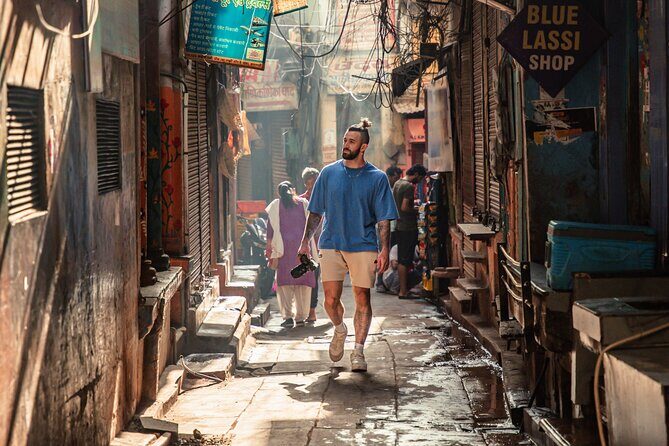
- Small group size (up to 10) helps you ask questions and actually keep up in the lanes.
- Several major religious stops are covered in just 2-3 hours, including Shakti Peeth connections and ghat rituals.
- Manikarnika Ghat is the emotional centerpiece, with context on why cremation there matters spiritually.
- Kashi Vishwanath is outside-only, so you get the corridor and atmosphere without expecting an inside visit.
- Complimentary water bottles and tea are included, which matters in Varanasi heat and crowds.
- Guides are repeatedly praised for English skills, flexibility, and patient support (think Suhail and Aman).
Why this short old-city walk works: temples plus meaning in 2-3 hours
This is the kind of tour that doesn’t waste your time. In a short window, you move through layers of Varanasi—temples, river rituals, heritage buildings, and everyday old-city lanes—so you can connect what you see with what it means.
The value is that you don’t just point at landmarks. You get explanations built around religion and tradition, including stories tied to Hindu gods and goddesses, so the sights start making sense instead of feeling like a checklist.
You also get practical support. The format is built for walking, and reviews praise guides for being careful and responsive—helpful if you need a slower moment or want a break.
You can also read our reviews of more tours and experiences in Varanasi.



Starting at Man Singh Observatory: your launch point in the old city
You start at Man Singh Observatory (near Man Mandir and Dashashwamedh Ghat Road). It’s a good place to begin because it puts you close to the old-city flow, so you can orient quickly and ease into the pedestrian streets.
The tour ends back at the meeting point, which is convenient when you’re trying to plan the rest of your day. Since it’s a mobile ticket tour, you’re not stuck with paper paperwork on arrival.
One more small but real benefit: it’s described as near public transportation, so you’re not locked into a taxi-only schedule.
Meer Ghat panoramic views: the riverfront mood settles the tone
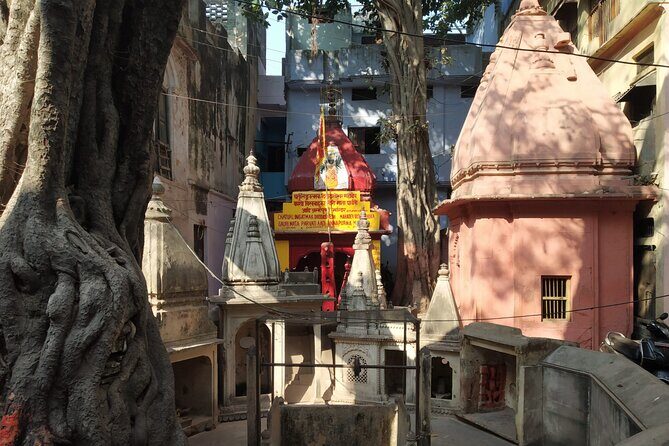
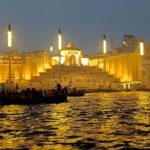
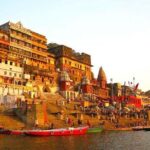
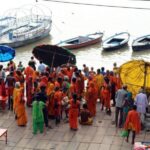
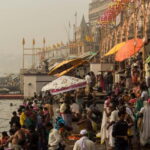
The first stop is Meer Ghat, about a 20-minute segment with a ticket included. This is where I like to think you get the “big picture” of Varanasi—wide views of the ghats and the sense that the Ganges isn’t just scenery here. It’s where life, faith, and ritual meet.
Even if you’ve seen photos, standing at a vantage point helps you understand why the rest of the tour revolves around temples and river life. It’s easier to connect the dots when you can see how close everything sits to the water.
Practical tip: bring a camera and expect foot traffic. This area can be active, so keep your phone secure and be ready to step carefully in crowded spots.
Vishalakshi Temple and the Shakti Peeth connection you can actually feel
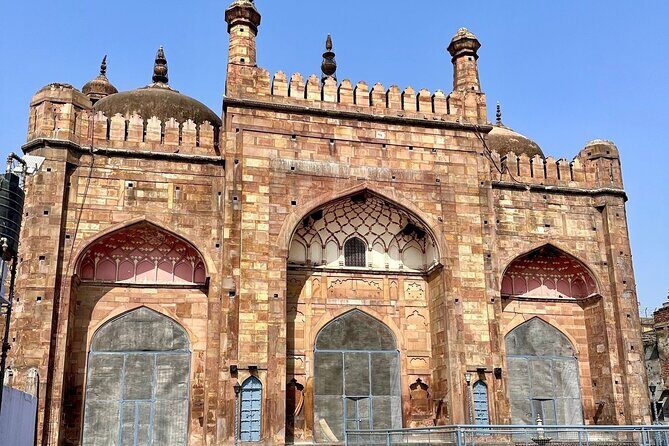
Next comes Vishalakshi Temple, dedicated to Goddess Vishalakshi, a form of the divine feminine and one of the 51 Shakti Peethas. You only spend around 15 minutes, but that’s usually enough time to understand what makes the shrine important and how the area’s daily life wraps around the sacred.
This stop also helps you grasp the tour’s theme: Varanasi isn’t only about one temple or one god. It’s a web of beliefs, and Shakti traditions are a major thread.
Why it’s worth your time: it gives you a grounded spiritual anchor before you go to the most famous ghat sites later. You’ll see how the tour balances devotion with heritage architecture and street-level atmosphere.
Shri Kashi Vishwanath Temple from outside: the corridor atmosphere, not the inside tour
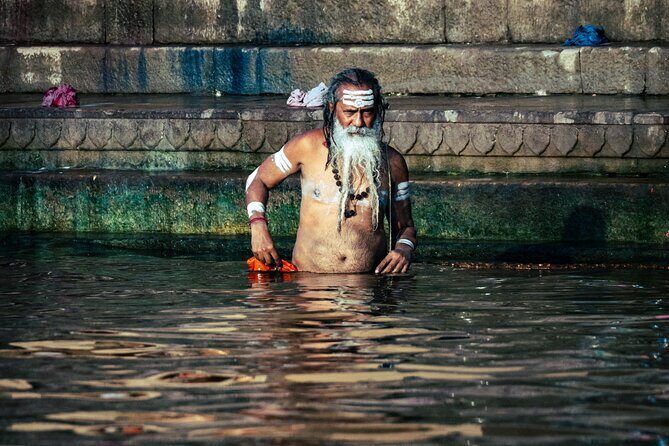
The tour then takes you to Shri Kashi Vishwanath Temple, often called the Golden Temple, but you visit from outside only. Expect about 20 minutes and no extra admission on that stop.
This matters because it changes what you should plan mentally. If your dream is entering the temple complex, this particular walking format won’t satisfy that. But if you want to understand the temple’s role and absorb the corridor’s feel, outside viewing can still be very meaningful—especially when paired with explanations of Kashi’s spiritual importance.
I like this approach for first-timers. You avoid the crush and still get the context you need for what comes next.



Kathwala (Nepali) Temple: woodwork, carvings, and a surprising Nepal link
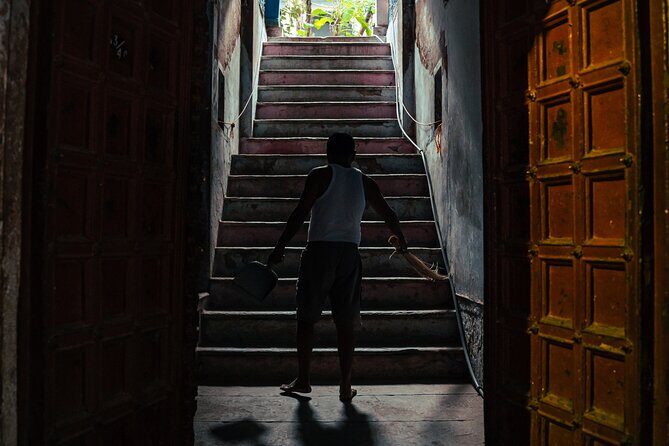
A highlight on many itineraries is Nepali Temple, also known as the Kathwala Temple. You spend around 20 minutes, and admission is included.
What makes it interesting is the backstory: it was built in the 19th century by the King of Nepal. The temple is known for its wooden architecture and intricate carvings, which gives you a visual break from the stone-and-steps feeling of many other sacred spots in Varanasi.
It also widens the story beyond local legend. Varanasi has attracted influence from different directions, and this stop shows that in physical form.
Manikarnika Ghat and the life-and-death temples that frame moksha
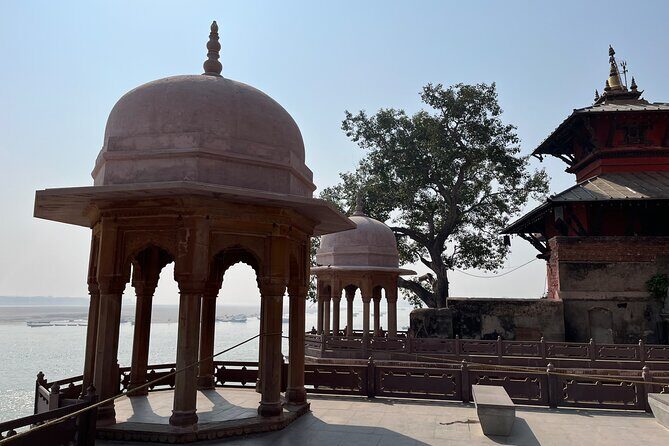
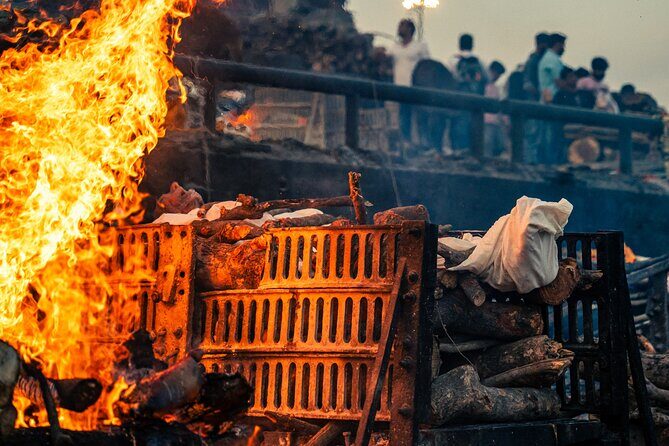
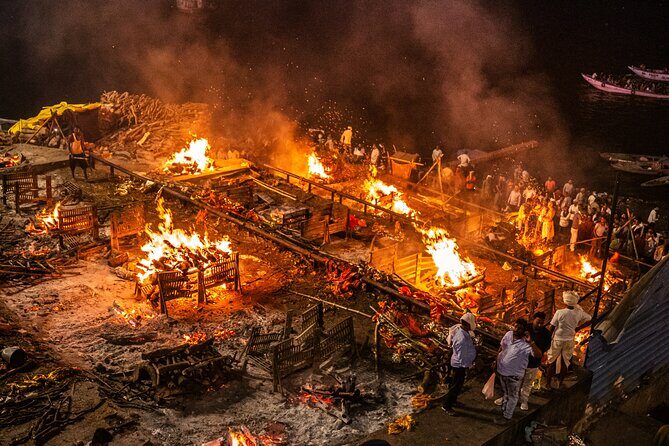
Then you reach Manikarnika Ghat, one of Varanasi’s most significant and sacred cremation sites along the Ganges. You’ll spend about 30 minutes here, with admission included.
This is the emotional centerpiece. The tour’s explanation frames Manikarnika Ghat as a place believed to support the soul’s liberation (moksha) when cremated there. That spiritual context is the difference between simply seeing something difficult and understanding why it’s so central to the way many Hindus view death, duty, and release.
Right after that, you visit Manikarnikeshwar Mahadev Temple in Kashi Khand (around 15 minutes, admission included). The connection is symbolic: the temple is believed to be linked to Manikarnika Ghat, representing the connection between life and death.
Next is Ratneshwar Mahadev Temple, about 15 minutes, with admission free. It’s believed to date back to the 18th century and is tied to Lord Shiva through local legend—built as a tribute after a wish fulfillment.
Together, these stops create a full arc. You see the river ritual space, then you see how nearby temples interpret it spiritually. If you only come for ghats photos, this tour gives you the interpretive thread.
Between the big sights: Kashi Vishwanath Corridor, underground temple, Alamgir Mosque, old markets
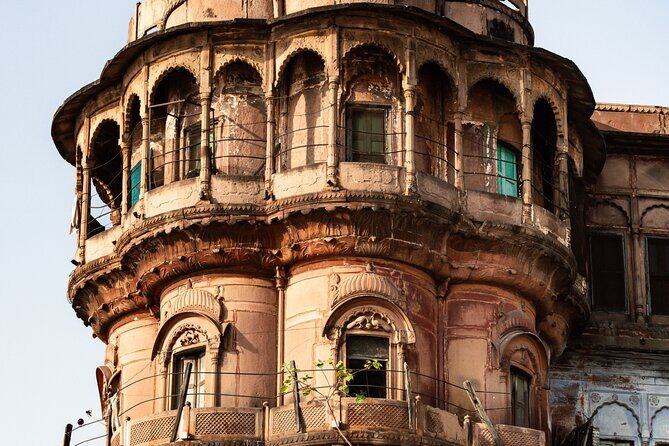
One of the tour’s strengths is that it doesn’t stay locked on the headline sites. As you move through the old city lanes, you’ll also encounter elements like the Kashi Vishwanath Corridor, an underground temple, Alamgir Mosque, and old markets—part of the city’s layered religious coexistence and daily life.
The underground temple component is especially interesting because it adds a different kind of sacred experience: Varanasi’s spirituality isn’t only above ground. The inclusion of a mosque also signals something important about the city’s reality: religious life here isn’t in separate bubbles.
And yes, old markets matter. They help you understand that Varanasi isn’t staged. It’s lived in, shopped in, and talked about while sacred spaces sit a short walk away.
The guide is the secret sauce: patience, English, and flexible pacing
The walking tour is only as good as the guide’s ability to explain what you’re seeing—and this one gets consistently strong feedback.
Suhail is singled out for excellence in multiple reviews, including assistance with patience, care, and understanding, along with solid English. Aman shows up in feedback too, praised for knowledge, friendliness, and keeping people comfortable during the walk.
What I’d pay attention to if you’re choosing this tour: these guides aren’t just reciting facts. Reviews describe them as flexible, willing to adjust when circumstances change, and happy to stop for a break—like chai or snacks—so the experience doesn’t turn into a rushed sprint through crowded lanes.
That flexibility can be crucial at Manikarnika Ghat and in tight lanes where you may need a slower moment. A calm guide helps you focus on meaning rather than stress.
Price and value: $28.35 for a packed, guided corridor of sites
At $28.35 per person, this is priced like a budget-friendly introduction to Varanasi’s core spiritual geography. For the length of the walk (about 2-3 hours), it’s not just a stroll—there are multiple sites along the way.
Key value points that make the price feel reasonable:
- All entrance fees are included for the stops where admission applies.
- Complimentary water bottles and tea are provided, which saves money and helps you stay comfortable.
- The group is capped at 10 travelers, which supports a more personal guide-to-guest ratio.
Two practical notes to keep in mind. First, GST is not included, so your final price may be slightly higher depending on how that’s applied at checkout. Second, this is a walking tour through narrow areas, so comfortable footwear matters more than you’d expect.
Who this walk fits best—and who might want a different style
This is a strong match if you:
- want an efficient first look at Varanasi beyond just the obvious photo spots
- like your travel with context—culture, religion, tradition, and stories
- prefer a small-group format with time to ask questions
- value a guide who supports comfort and pacing (especially helpful for older guests)
It may be less ideal if you:
- strongly prefer temple interior access (this focuses on outside viewing at Shri Kashi Vishwanath)
- are very sensitive to topics of cremation and death rituals
- don’t enjoy tight lanes and crowded pedestrian areas
A simple rule of thumb: if you can handle sacred intensity with respectful curiosity, this tour gives you a lot in a short time.
Should you book Ancient and Hidden Sides of Varanasi?
I’d book it if you want the “why” behind the sights, not just the “where.” The combination of riverfront views, major sacred stops, Shakti context, and life-and-death framing creates a coherent story—helped by guides like Suhail and Aman, who are praised for English, patience, and flexible pacing.
Book with a little caution if cremation rituals make you uneasy, since Manikarnika Ghat is a centerpiece. And remember: Shri Kashi Vishwanath is viewed from outside only, so set your expectations accordingly.
FAQ
How long is the walk in Varanasi?
The tour runs about 2 to 3 hours.
How much does it cost per person?
The listed price is $28.35 per person. GST is not included.
What time does the tour start?
The start time is 9:30 am.
Where is the meeting point?
You meet at Man Singh Observatory, Man Mandir, Dashashwamedh Ghat Rd, Observatory, Man mandir, Godowlia, Varanasi, Uttar Pradesh 221001, India.
Is this a mobile ticket experience?
Yes, the tour uses a mobile ticket.
Are entrance fees included?
Yes. The tour includes all kinds of entrance fees for the included stops.
What kind of tour is it? Is it mostly walking?
It’s a walking tour through narrow lanes and heritage areas of the old city.
Will we go inside Shri Kashi Vishwanath Temple?
No. You visit Shri Kashi Vishwanath Temple from outside only.
What is Manikarnika Ghat, and why is it included?
Manikarnika Ghat is a sacred cremation site along the Ganges. It’s included because it’s believed that cremation here supports the soul’s liberation (moksha).
What’s the cancellation policy?
Free cancellation is available up to 24 hours in advance for a full refund. The experience requires good weather and also has a minimum traveler requirement.