REVIEW · VARANASI
Varanasi Highlights. 1 Day Tour
Book on Viator →Operated by Streetwise Varanasi Tours - Day Tours · Bookable on Viator
A single morning can change how you see Varanasi. This 10-hour private tour strings together the city’s most powerful river moments: a pre-dawn boat ride, ghat walks through old lanes, and the nightly Ganga Aarti. You’ll also get a guide who can explain what you’re seeing as you go, not after the fact—so the day feels like a story you can follow, even when the sights are intense.
I especially like the sunrise start at Dashashwamedh Ghat, when the river looks almost unreal, and I also love ending with Ganga Aarti at Dashashwamedh, when the light, sound, and rituals finally click into place. One possible drawback: this is an early, long day on your feet, and one stop is emotionally heavy (Manikarnika), so it helps if you’re ready for that.
If you want Varanasi in one day without getting lost, overwhelmed, or stuck outside the right places, this is a strong option. The pacing is active, but the payoff is that you see multiple sides of the Ganges—morning calm, midday life, and sunset energy—under a local’s guidance.
In This Review
- Key Things That Make This Tour Worth Your Time
- First Stop: The Pre-Dawn Boat Ride at Dashashwamedh Ghat
- Morning Landmarks: Walking the Ghats After Sunrise
- Manikarnika Ghat: Seeing a Cremation Ground With Respect and Understanding
- Lunch Reset: Time to Eat Like a Local
- Afternoon Focus: River Atmosphere and Ganges River Time
- Golden Hour Finale: Ganga Aarti Ceremony at Dashashwamedh
- Price and Value: What $125.87 Buys You in One Day
- Logistics You Should Plan For (So the Day Feels Easy)
- Who This Tour Is Best For
- Should You Book This One-Day Varanasi Highlights Tour?
- FAQ
- How long is the Varanasi highlights 1-day tour?
- What time does the tour start?
- Where is the meeting point?
- Is pickup offered, or do I need to get there myself?
- Are admission tickets included?
- Is this tour private?
- What happens if weather is poor?
- What is the cancellation policy?
Key Things That Make This Tour Worth Your Time
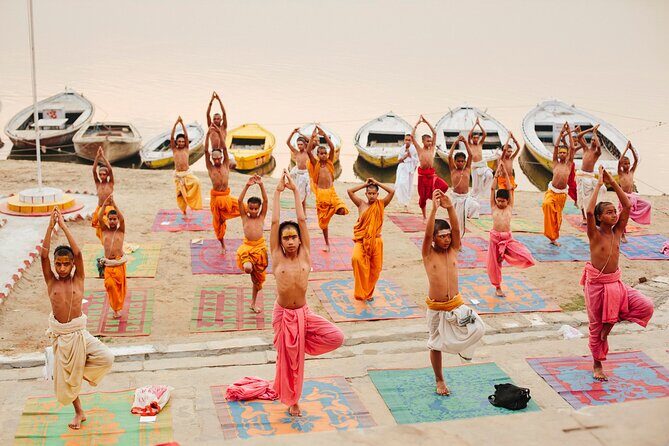
- A 5:30 am start that turns the river into the main event, before crowds and heat take over.
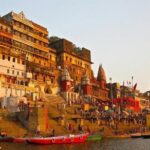
- Sunrise and sunset boat rides from the big ghats, showing you how river life changes by the hour.
- Manikarnika Ghat with context, so you understand what you’re watching and how locals interpret it.
- Ganga Aarti at Dashashwamedh with priests performing the ritual right on the riverbank.
- Private group time with guides (often locals like Pintu, Rahul, Raoul, or Cristoforo) who answer questions as you walk.
- A real break built in, so you’re not just rushing from temple to temple all day.
First Stop: The Pre-Dawn Boat Ride at Dashashwamedh Ghat
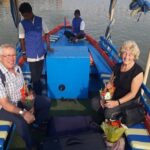
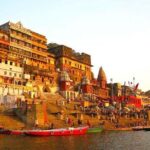
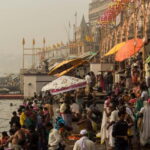
Your day begins before most people in Varanasi are fully awake. Pick-up may be offered, and you’ll head to Dashashwamedh Ghat to start with a boat ride from the city’s main, busiest riverside steps. The goal here is simple: be on the water while the sky is still cooling and the river looks different than it will later.
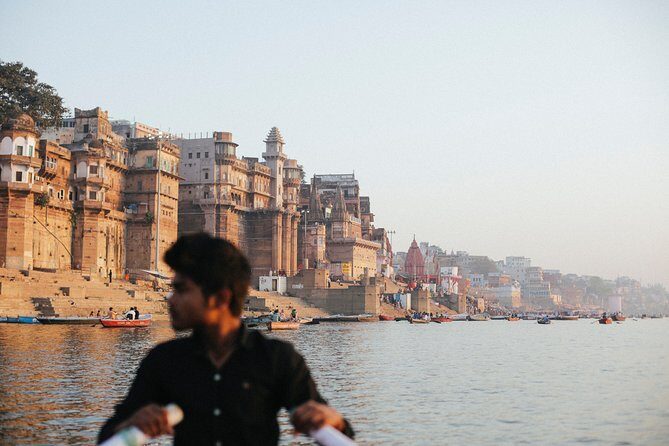
This is also where a local guide matters. Varanasi is all layers—religion, daily work, family routines, and deep tradition packed into a small space. From the boat, you get a wider view of how the ghats line up, and it’s easier to understand why locals treat the river like a living center. Then, as you shift from water to shore, you’re not just walking blind. You already know the layout in your head.
What I’d watch for: the contrast between motion and ritual. Boats slide through lanes of activity—someone bathing, someone preparing offerings, priests setting up their area for later ceremonies. Even if you’re not religious in the usual sense, the sense of purpose is hard to miss.
Consideration: sunrise in Varanasi can be cold at first and bright fast. Bring layers you can handle, and expect the day to move from chill to warmth quickly.
You can also read our reviews of more tours and experiences in Varanasi


Morning Landmarks: Walking the Ghats After Sunrise
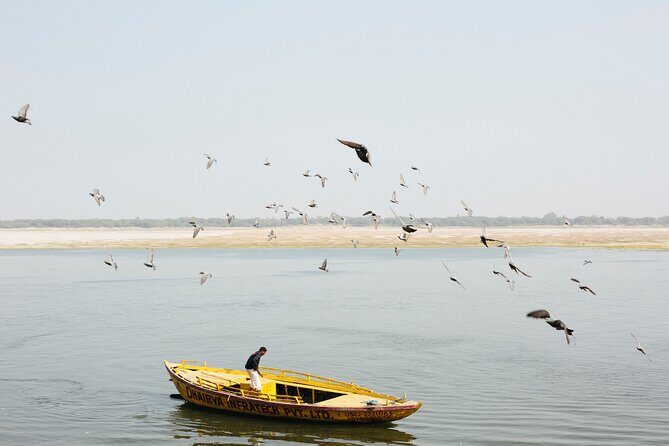
After the boat ride, you move from the main river zone into the city’s ghat-and-lane world. The tour doesn’t just stop at one postcard spot and call it done. It keeps you walking through the old city rhythm—where it’s common to see everyday actions happen right next to major religious spaces.
This matters because Varanasi doesn’t really work like a museum. If you go only to one or two famous points, you’ll miss the texture: how people navigate, where families pause, what the riverfront feels like at ground level, and how quickly the mood changes from one stretch of steps to the next.
If you’re traveling with questions—about who’s doing what, why people gather, what certain objects mean—this is where a guide who can explain as you go makes the day feel smooth instead of confusing. In past tours with guides like Pintu and Rahul, the common theme is that they answer questions directly and keep the pace comfortable.
Practical tip: you’ll likely walk more than you expect. Comfortable shoes are the difference between enjoying the day and counting minutes.
Manikarnika Ghat: Seeing a Cremation Ground With Respect and Understanding
Next comes Manikarnika Ghat, a place where death and Hindu funeral traditions are part of daily reality. The tour starts this section with the right mindset: death is celebrated here in the sense that rituals are performed with deep spiritual meaning, not treated like a taboo topic you shouldn’t talk about.
This stop can feel shocking if your only exposure to cremation imagery is movie-like. The value of a guided visit is that you’re not left to interpret alone. You’ll learn what’s happening, what people believe, and how the space functions for families. You’ll also see the contrast between solemnity and the practical flow of life that continues around the ghat.
How to handle it: keep your posture calm, keep your voice low, and follow your guide’s cues. If you want photos, ask first or keep your camera away until you’re sure it’s appropriate. This is one of those places where respect counts more than curiosity.
One more reality check: this portion of the day isn’t for everyone emotionally. If the topic of death feels too much for you, consider whether you can handle it now or if you should choose a different style of Varanasi tour.
Lunch Reset: Time to Eat Like a Local
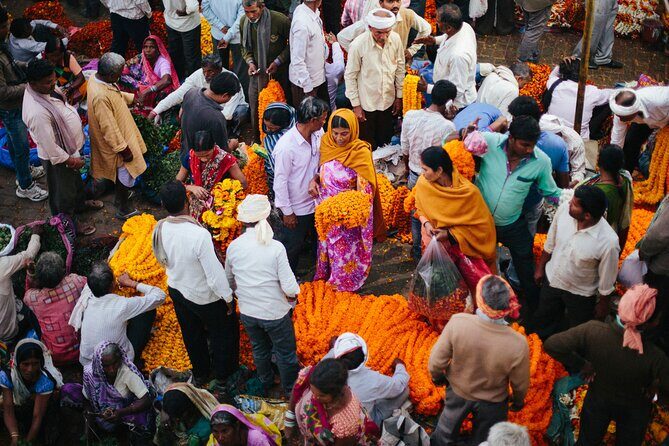
After the morning intensity, the day gives you room to breathe. You get a lunch break—designed for you to regain strength and reset your energy for the river portion later.
The tour plan doesn’t force a single restaurant in your face. Instead, your guide will recommend good places to eat or to grab an afternoon refreshment like lassi. That flexibility is practical because food choices in Varanasi depend on what you feel like eating and how your stomach handles spice that day.
What I like about this pause: it’s not just a random break. It’s timed so you don’t hit the afternoon with empty energy. When you’ve already walked and processed heavy sights, this kind of “normal life” stop helps the day feel balanced rather than relentless.
Practical tip: if you’re sensitive to heat or spice, ask your guide for something milder, and drink water. You’re about to spend more time outdoors.
Afternoon Focus: River Atmosphere and Ganges River Time
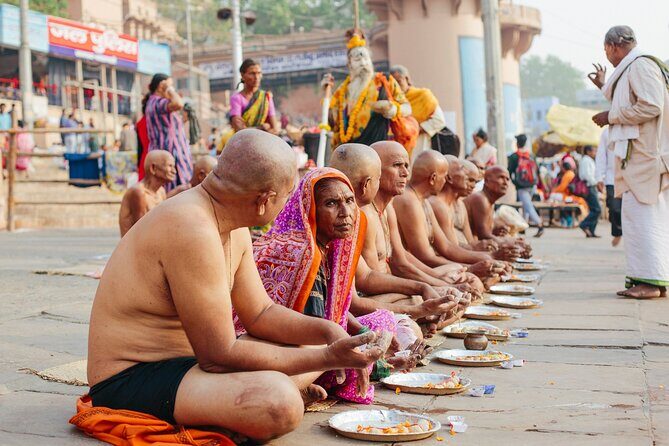
Then you shift back toward the river. Varanasi’s Ganges isn’t just a view; it’s the city’s schedule. In the morning, ghats can look almost staged—people gather, rituals start, boats move. In the afternoon, you’ll notice different patterns: more casual routines, different crowds, and a more grounded pace.
The tour includes time for another Ganges River boat ride on sunset, so your afternoon walk and positioning helps you anticipate what the evening will feel like. It’s not one long straight line. It’s set up so the river remains central, but the day keeps changing.
If you’re the type who likes photos but also cares about context, this is a good time to ask your guide what you’re noticing—what the timing means, which ghats matter most, and why the city organizes life around the river.
Consideration: sunset can bring more people and boats. Expect movement, noise, and close proximity at the river edge.





Golden Hour Finale: Ganga Aarti Ceremony at Dashashwamedh
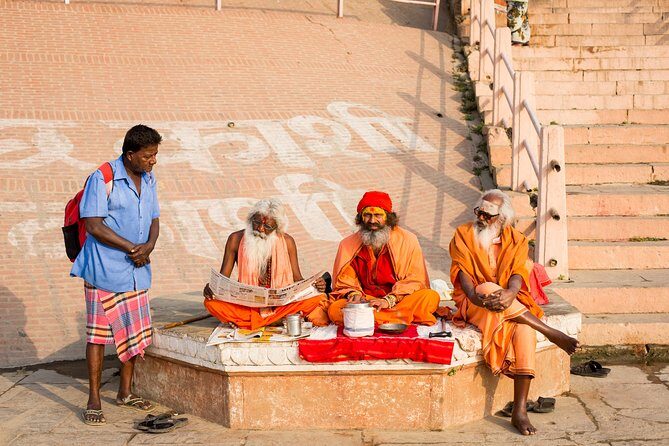
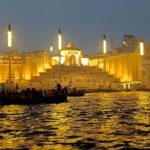
The last big highlight is Ganga Aarti at Dashashwamedh Ghat. This is the ceremony where priests perform rituals on the riverbanks as part of Hindu devotional practice. If sunrise shows you the river’s quiet beauty, the Aarti shows you the river’s role as a stage for faith.
This part of the tour is where all the earlier pieces start to click. You’ve seen the ghats from different angles, you’ve walked past the old city texture, and you’ve witnessed how the river connects to both everyday life and major spiritual moments. Now you see the ceremony under changing light, with the crowd’s energy turning the whole riverfront into one shared experience.
What to watch for: the rhythm of movement and the way participants gather. Even if you don’t understand every element immediately, you’ll feel the structure. Aarti isn’t just something people watch—it’s something they participate in emotionally.
How to stay comfortable: wear layers if you get chilly at night, and be ready for standing. Your guide will help you place yourself so you can see what matters.
Price and Value: What $125.87 Buys You in One Day
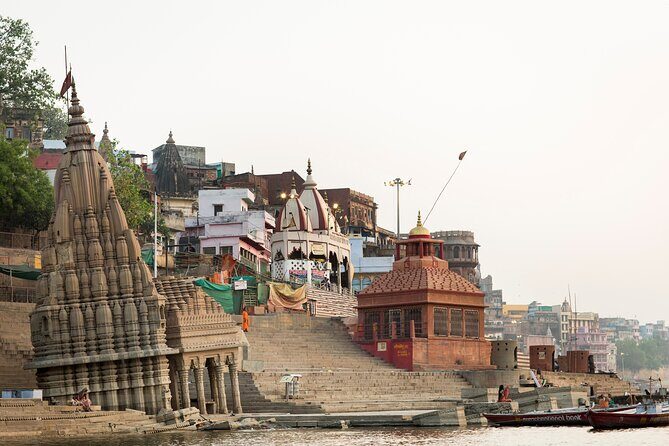
At $125.87 per person for a ~10-hour private experience, the value depends on what you want out of Varanasi. If you’re trying to cover multiple iconic moments in one day—boat rides at key times, ghat walking, and the Aarti ceremony—this kind of structured plan can save you from spending hours figuring out routes and timing on your own.
Here’s what you’re getting that’s hard to DIY smoothly:
- A morning boat ride that starts early enough to feel magical.
- A second river boat ride timed for sunset.
- Admission tickets included for key stops, including the Aarti segment.
- Local guide time across several locations, which is the difference between seeing a city and understanding it enough to enjoy it.
Also, the tour is private, so you’re not stuck matching your pace to strangers. That’s big for a city like Varanasi, where sensory overload is real and where the “right” pace matters.
Who might feel it’s not worth it: if you only want one or two simple sights and you plan to slow travel with lots of wandering on your own. In that case, you might prefer a lighter day and add an evening Aarti separately.
Logistics You Should Plan For (So the Day Feels Easy)
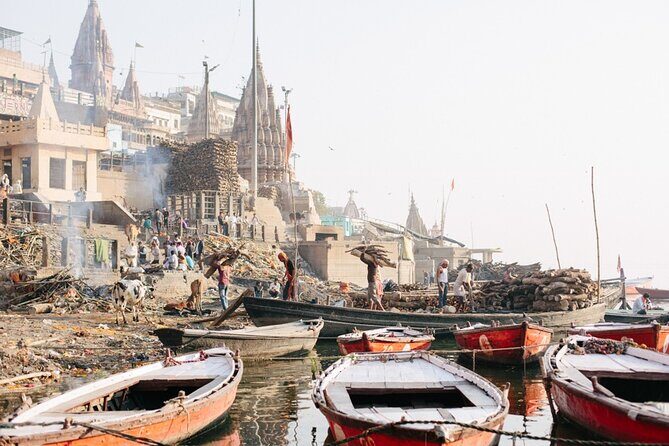
Even with a guide, your comfort still depends on how you prepare. This tour starts early—5:30 am—and includes multiple walking segments. You’ll be outside a lot, near water, and in crowded river spaces at peak times.
A few practical points:
- Wear shoes you trust. Stone steps and uneven ground don’t forgive flimsy soles.
- Bring a light layer. Early morning can feel cool; later you’ll likely heat up.
- Keep your phone charged. You’ll want it for directions and photos, but use it thoughtfully near ceremonies.
- Expect sensory intensity. Smells, sound, and movement are part of the experience here. It’s normal. Just don’t fight it.
The tour also uses a mobile ticket, which is convenient, and confirmation happens at booking. Pickup is listed as offered, so it’s worth checking how it works for your exact area before you assume you’ll be met right where you’re staying.
Who This Tour Is Best For
This one-day Varanasi plan is a strong match if you:
- Want major riverfront experiences in a single day (sunrise boat, sunset boat, Aarti).
- Appreciate a guide who can answer questions in real time—not just recite facts.
- Prefer a route designed to connect key sights without you having to piece it all together.
It’s also a good fit for couples and small groups who want a private pace and less waiting around.
You might choose something else if:
- Manikarnika feels like too much for you emotionally.
- You need a low-walking day.
- You’re in Varanasi for a short visit but only want casual sightseeing without early mornings.
Should You Book This One-Day Varanasi Highlights Tour?
Yes, if you want one day that hits Varanasi’s core in a logical order: river early, meaning at the ghats, food in the middle, river again at sunset, then the Aarti finale. The biggest strength is that the tour isn’t just a checklist. It’s timed, guided, and structured around how the Ganges changes by the hour.
I’d book it if you’re comfortable with a bit of intensity—especially around Manikarnika—and you want to avoid the common beginner problem in Varanasi: spending too much time trying to work out where to go next instead of actually experiencing the city.
If you’re unsure, message the operator and ask about your comfort level for the cremation ghat stop, and confirm pickup details. Then go in with the right mindset: respect first, curiosity second, and comfortable shoes always.
FAQ
How long is the Varanasi highlights 1-day tour?
The tour runs for approximately 10 hours.
What time does the tour start?
The start time is 5:30 am.
Where is the meeting point?
The tour meets at Kashi Chat Bhandar D, 37/49, Godowlia Rd, Harha, Varanasi, Uttar Pradesh 221001, India.
Is pickup offered, or do I need to get there myself?
Pickup is offered, and the meeting point is also listed. It ends back at the meeting point.
Are admission tickets included?
Admission tickets are included for several stops, including Dashashwamedh Ghat segments, Manikarnika Ghat, the sunset river portion, and the Ganga Aarti ceremony. One stop notes admission ticket free.
Is this tour private?
Yes. It’s a private tour, and only your group participates.
What happens if weather is poor?
The experience requires good weather. If it’s canceled due to poor weather, you’ll be offered a different date or a full refund.
What is the cancellation policy?
You can cancel for a full refund up to 24 hours in advance of the experience start time. If you cancel less than 24 hours before, the amount paid is not refunded.