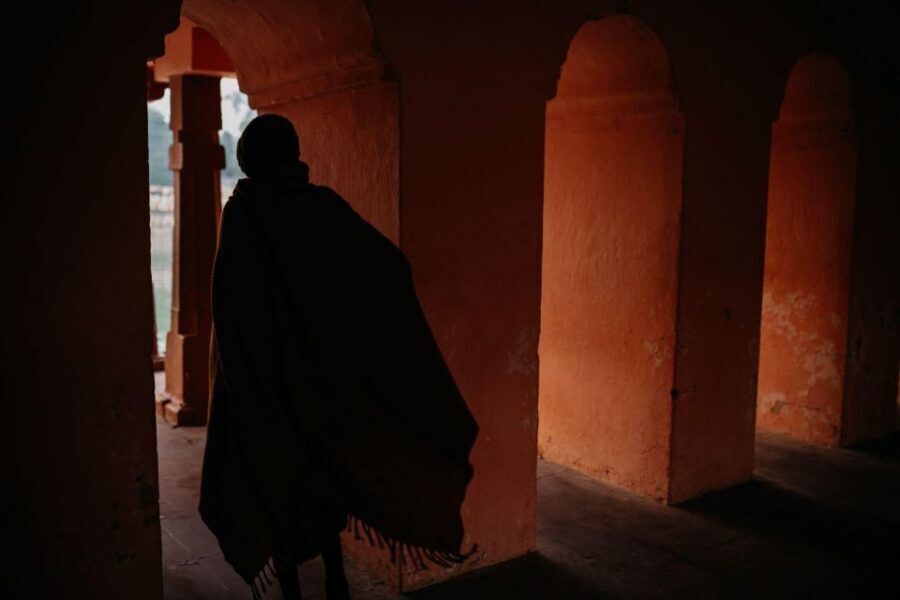
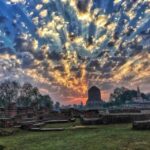
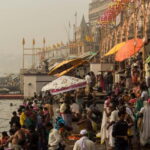
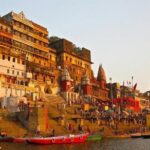
Varanasi clicks when someone explains the why. This 3-hour walking tour takes you along the Ganges and through temple lanes so the city feels more like a living belief system than a set of monuments. What I love most is the focus on Shri Vishalakshi Mata Shaktipeeth and the way Manikarnika Ghat is framed with the spiritual logic of karma and moksha, not just dramatic photos.
One heads-up: parts of this route can feel intense, especially around the cremation ground, and the walking pace can be brisk. If you’re sensitive to strong sights and smells, or you need extra time to linger, wear comfortable shoes and ask your guide to slow down when you want a moment.
In This Review
- Key highlights you’ll actually feel on the ground
- A 3-hour walking tour that explains why Varanasi works
- Where to meet: Rajendra Prasad Ghat and the Virtual Experiential Museum
- Shri Vishalakshi Mata Shaktipeeth Temple: Adi Shakti in living form
- Meer Ghat and the riverfront rhythm: a quick photo stop with context
- The Nepali (Kathwala) Temple: Shiva devotion in the lanes
- Dashashwamegh Ghat: seeing the famous Ghat without losing your bearings
- Manikarnika Ghat: cremation ground, karma, and why the guide’s words matter
- Manikarnikeshwar Mahadev Temple: the Shiva link to the ritual logic
- Ratneshwar Mahadev Temple and Chakrapushkarni Kund: finishing with more meaning
- Coffee or tea stop: a small break that makes the walk work
- Pace, safety, and how to handle the street reality
- Price and value: why $16 can be a smart first-day choice
- Who this tour suits (and who should think twice)
- Should you book this Varanasi guided walking tour?
- FAQ
- FAQ
- How long is the Varanasi guided walking tour?
- How much does the tour cost?
- Where is the meeting point?
- What language is the tour guide?
- What major places does the tour visit?
- Is bottled water included?
- Are coffee or tea included?
- What entry fees are included?
- What should I bring?
- Is the tour suitable for everyone?
Key highlights you’ll actually feel on the ground
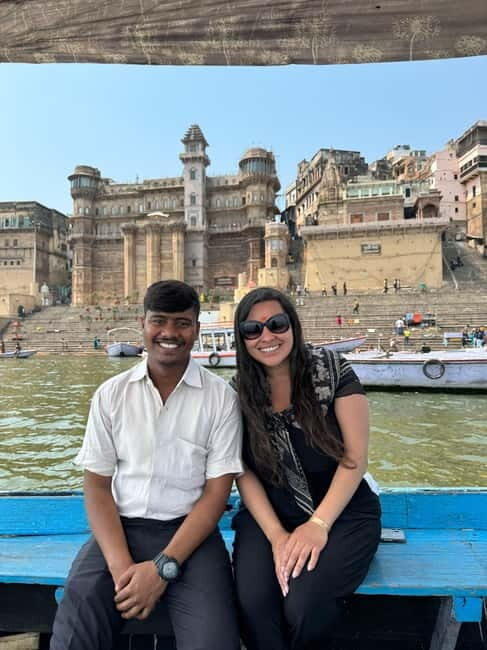
- Temple-to-Ghat storytelling that connects Hindu devotion to what you see in the street, not just what you read later
- Shri Vishalakshi Mata Shaktipeeth plus Kathwala (Nepali) Temple—two different religious atmospheres in one loop
- Manikarnika Ghat explained through karma and rebirth, so it makes emotional sense
- Multiple Shiva sites after the main ghat stop, including Manikarnikeshwar Mahadev Temple
- A chai or coffee pause that gives you a breather in the middle of the walking
A 3-hour walking tour that explains why Varanasi works
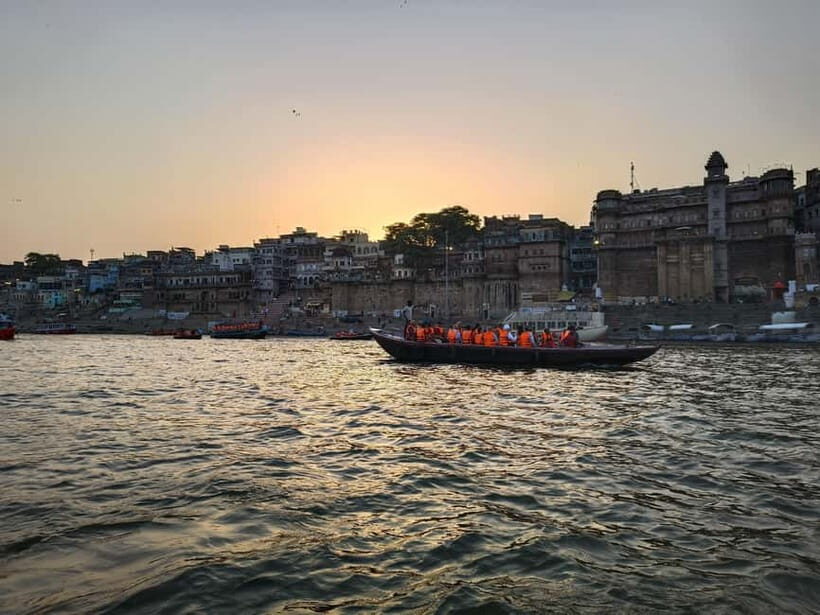
Varanasi can overwhelm you fast. The streets feel tight, the river is constantly busy, and ceremonies happen right where you’re trying to take in the view. This tour helps you interpret what you’re seeing—so you’re not just watching from the sidelines.
The best part is that it’s short enough to keep your energy for later in the day, but structured enough that you don’t waste time getting lost. You’ll walk past major religious landmarks and also into the smaller lanes and markets that show modern Varanasi as a real place, not a stage set.
You can also read our reviews of more guided tours in Varanasi


Where to meet: Rajendra Prasad Ghat and the Virtual Experiential Museum
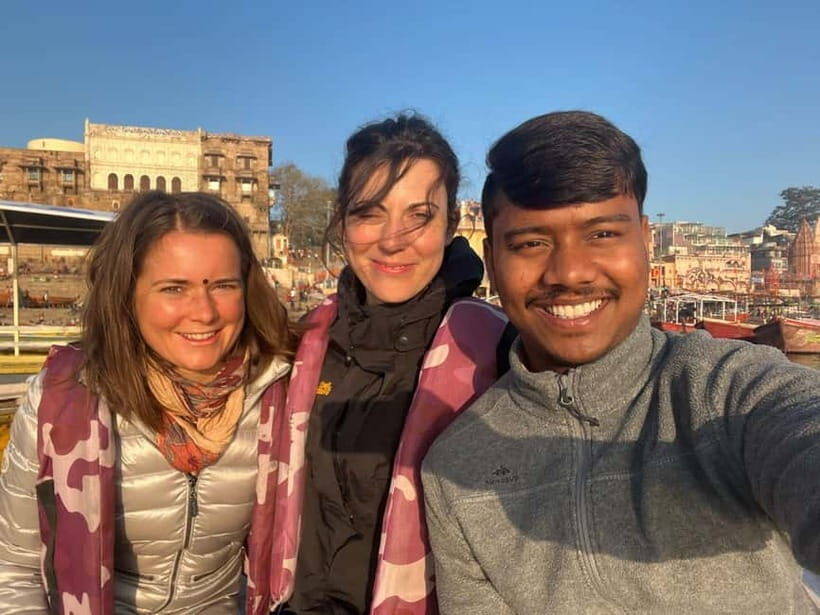
You start at Rajendra Prasad Ghat, right in front of the Virtual Experiential Museum, with the guide standing at the museum entrance. This matters more than it sounds, because the ghat area is easy to overshoot if you’re relying on a random drop-off point.
A practical tip: plan to arrive with extra time to navigate local roads and alleys. One common snag is that regular taxis don’t always work well right at the meeting spot, so getting dropped off by rickshaw or tuk-tuk (or walking the last stretch) tends to be smoother.
Shri Vishalakshi Mata Shaktipeeth Temple: Adi Shakti in living form
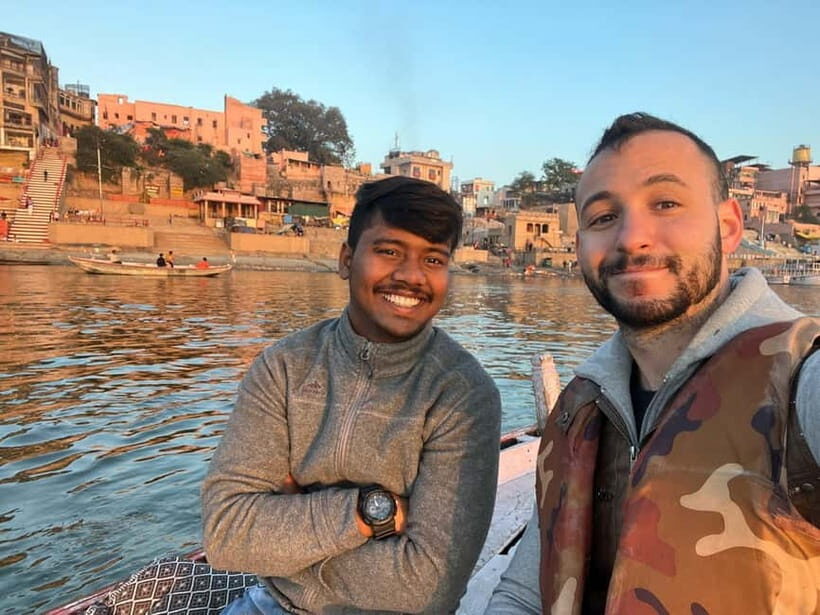
Your first true stop is Shri Vishalakshi Mata Shaktipeeth Temple (also known as Vishalakshi Gauri Temple). This is the kind of place where the details you notice—names, roles, symbols—help your brain stop treating the religion as a blur.
You’ll spend about 15 minutes here, plus a photo pause along the way. What makes this stop valuable is the explanation of the Divine Mother aspect, tied to Adi Shakti. Even if you’re not fluent in Hindu theology, you’ll leave with a clearer sense of why this goddess tradition is present everywhere in Varanasi life.
Drawback to note: temples can include stairs and uneven stone. If you’re carrying a big bag, keep it compact so your hands are free for balance and photography.
Meer Ghat and the riverfront rhythm: a quick photo stop with context
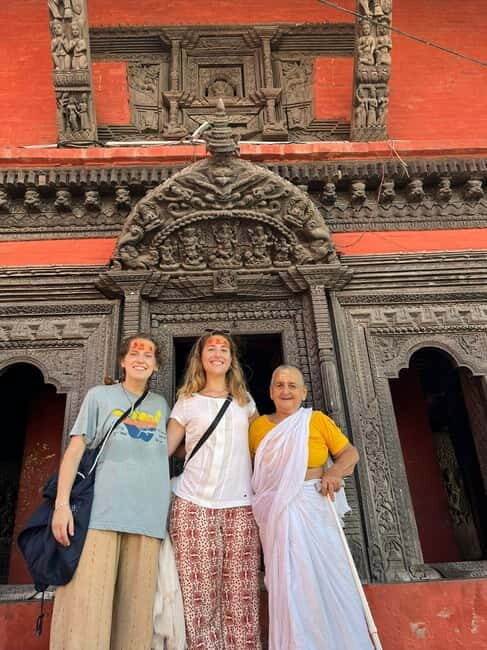
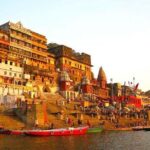
Between temples, you’ll get time for photos and short guided moments that line you up with what’s coming next on the water. Meer Ghat is one of those spots where the riverfront energy becomes visible in a way maps never show.
This is also where your guide’s storytelling starts to connect the city’s geography to its spiritual identity. You’re not just moving from A to B—you’re learning how the Ganges shapes routine, belief, and ritual space.
If you’re camera-focused, this is a good moment to set your settings and check your gear. Light near the river can be tricky, and you’ll be hopping to places where you might not want to keep adjusting.
The Nepali (Kathwala) Temple: Shiva devotion in the lanes
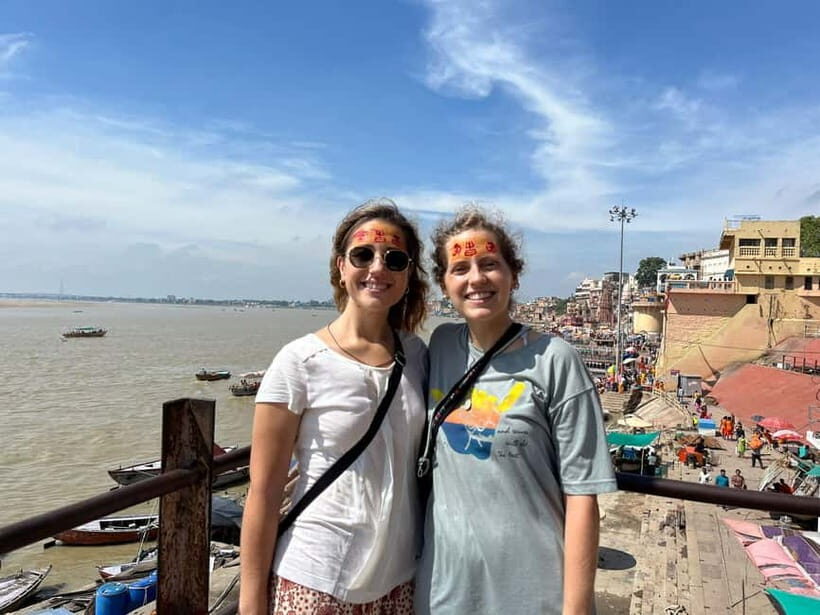
Next up is the Nepali Temple, also called the Kathwala Temple, and linked in name to Shri Samrajeswar Pashupatinath Mahadev Mandir. Expect a guided visit that lasts around 30 minutes, plus photo time.
This stop is special because it shifts the mood from Shakti temple devotion toward Shiva worship. The guide explains the role of Lord Shiva in a way that helps you read what’s happening in the space—what people come for, what they do, and how the temple fits into everyday movement.
One more practical point: the lanes around these stops can get crowded with locals and visitors. You’ll want to keep your phone secure and move when your guide signals, especially when groups bunch up around entrances.



Dashashwamegh Ghat: seeing the famous Ghat without losing your bearings
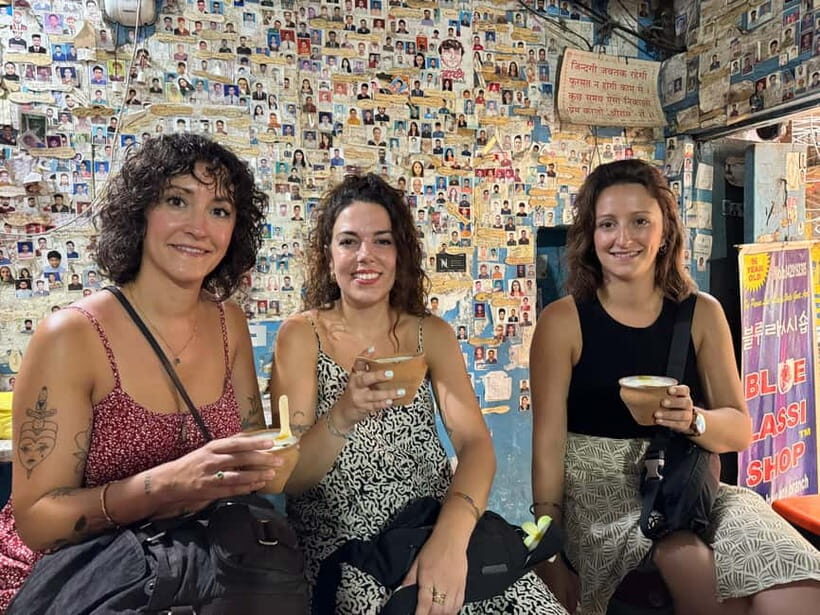
The tour also includes Dashashwamegh Ghat, a well-known stop on the Ganges. This matters for first-timers because Varanasi’s riverfront can look similar at a glance, and it’s easy to misjudge distances and directions.
Having someone local with you keeps you oriented. You’ll be able to focus on what you’re seeing instead of constantly checking your location, and that alone is worth something in a city where getting turned around is very easy.
Manikarnika Ghat: cremation ground, karma, and why the guide’s words matter
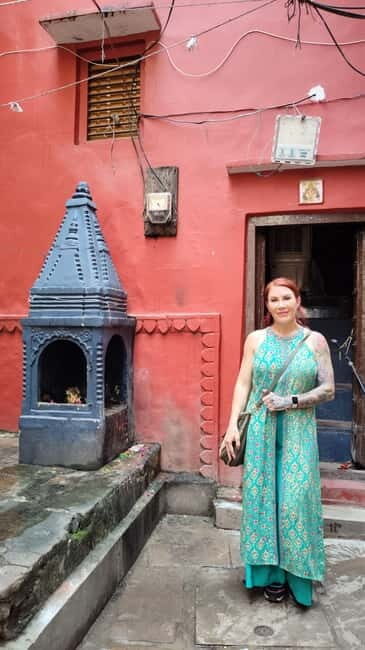
The centerpiece is Manikarnika Ghat, with about an hour for guided time. This is one of the holiest cremation grounds along the sacred Ghats of the Ganges, and it’s central to how many people understand life, death, and rebirth in Hindu practice.
You’ll hear how death is seen as a gateway to another life shaped by karma. The belief shared here is that cremation at this specific ghat helps the soul reach moksha, breaking the cycle of rebirth. That framing is not a trivia fact—it changes how you experience what you’re witnessing.
Then there’s the second layer of meaning: devotees believe that if someone bathes at Manikarnika and worships Manikarnikeshwar, they avoid rebirth (described in the tradition as not seeing a mother’s womb again). Your guide’s explanations help you connect the spiritual claims to why this location is treated with such care.
Consideration, not scare tactics: this section can be emotionally heavy. If you’re expecting a casual sightseeing stop, you’ll be disappointed. If you want understanding, it’s one of the most powerful moments you can have in Varanasi.
Manikarnikeshwar Mahadev Temple: the Shiva link to the ritual logic
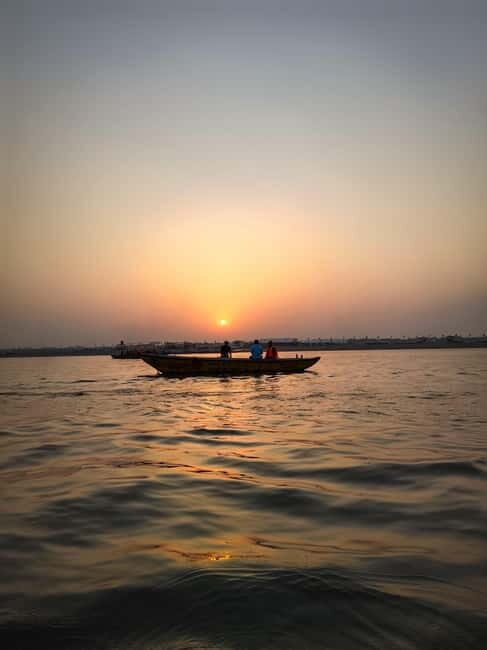
After the main ghat, the tour moves into Manikarnikeshwar Mahadev Temple (also identified with Kashi Khand). You’ll have photo time and a short visit—about 10 minutes.
This is where the story becomes clearer. If the ghat is where the ritual purpose feels most visible, the temple is where the spiritual “after” is spelled out. The guide connects it to the belief that worship here supports the cycle of rebirth ending.
This is also a calmer breathing point compared to the cremation ground. Even so, treat it with respect: keep your voice down and follow the flow where people are moving to pray.
Ratneshwar Mahadev Temple and Chakrapushkarni Kund: finishing with more meaning
The tour doesn’t stop after one Shiva site. You’ll visit Ratneshwar Mahadev Temple for another guided stop (around 10 minutes), and then you’ll reach Shri Manikarnika–Chakra Pushkarini (Chakrapushkarni Kund) for a final guided segment.
These stops are valuable because they show how Varanasi’s religious geography is layered. Instead of treating the ghat as a one-time dramatic event, you see how the spiritual map keeps expanding into temples and sacred waters.
You’ll get photo moments at both locations, and the guide explains how these sites relate to worship patterns and the larger religious worldview you’ve been hearing about.
Coffee or tea stop: a small break that makes the walk work
You’ll enjoy a cup of coffee or tea at a popular local food stall. The tour includes bottled water too, which I think is a smart choice given how warm and full of movement this area can be.
This isn’t just a perk. It gives you a chance to decompress before you hit the final temple stops and helps you keep your energy steady. If you want to ask questions, this is often a good time—less rushing, more conversation.
One caution: food and drink beyond the included coffee/tea aren’t listed as included. If you want a bigger meal, plan to eat after the tour rather than expecting the tour price to cover it.
Pace, safety, and how to handle the street reality
A theme that comes up with guides here is communication and adaptability. Several guides associated with this experience—like Niwas and Akash—are described as clear with English, friendly, and willing to answer questions. Some also show a strong focus on safety in the ghat area, where it’s easy for scams to target first-time visitors.
What you can do to help yourself: ask questions as you walk. When you understand what a temple name means or why a ghat is important, the experience feels less chaotic and more intentional.
Pace-wise, keep a simple strategy: if you’re falling behind visually or mentally, tell your guide. Some guides move quickly through transitions, and you’ll get more value if you ask to slow down at the places that matter to you.
Price and value: why $16 can be a smart first-day choice
At $16 per person for 3 hours, this tour is priced like a budget-friendly introduction, but it doesn’t feel like a “just show up” experience. Entry/admission fees for key stops are included, including Vishalakshi Temple, the Nepali Temple (Kathwala Temple), Manikarnika Ghat, Manikarnikeshwar Temple, Ratneshwar Temple, and the Chakrapushkarni Kund.
That matters in Varanasi, where independent ticketing and finding the right entrances can cost time and energy. Here, you’re paying to have a local route-maker and an explanation machine—so you spend your limited attention on meaning, not logistics.
Also, the coffee/tea and bottled water are included. Small costs add up fast in busy riverfront areas, so this helps the tour hold its value if you’re traveling with a tight budget.
Who this tour suits (and who should think twice)
This is a great pick for first-time visitors who want a structured introduction to Varanasi’s spiritual center without spending the whole day sorting out routes. If you like questions—history, religion, why people do what they do—this kind of guided walk will make your time feel purposeful.
It’s also a good fit if you’re comfortable with walking on uneven paths and you can handle intense spiritual imagery. The Manikarnika Ghat segment is not a mild stop.
Not suitable for pregnant women, people with mobility impairments, wheelchair users, or babies under 1 year. And pets aren’t allowed, and smoking is not allowed.
Should you book this Varanasi guided walking tour?
If you want more than photos and you’re ready to understand the city’s religious logic, I’d book this. The mix of Adi Shakti at Vishalakshi, Shiva devotion at the Nepali/Kathwala and Manikarnikeshwar sites, and the central karma framing at Manikarnika Ghat makes it a strong first-day primer.
Skip it if you want a casual stroll, or if you know you’ll struggle emotionally with cremation-ground proximity. And if you’re worried about pace, pick comfortable shoes, carry sunscreen and a hat, and tell your guide you want time to pause.
FAQ
FAQ
How long is the Varanasi guided walking tour?
The tour lasts 3 hours.
How much does the tour cost?
It costs $16 per person.
Where is the meeting point?
You meet at Rajendra Prasad Ghat, in front of the Virtual Experiential Museum. The guide stands in front of the museum entrance.
What language is the tour guide?
The live tour guide speaks English and Hindi.
What major places does the tour visit?
You’ll visit Shri Vishalakshi Mata Shaktipeeth Temple, the Nepali Temple (Kathwala Temple), Manikarnika Ghat, and Manikarnikeshwar Mahadev Temple. The route also includes Ratneshwar Mahadev Temple and Shri Manikarnika–Chakra Pushkarini (Chakrapushkarni Kund), and highlights include Dashashwamegh Ghat.
Is bottled water included?
Yes, bottled water is included.
Are coffee or tea included?
Yes, coffee and/or tea is included.
What entry fees are included?
Entry/admission is included for Vishalakshi Temple, the Nepali Temple (Kathwala Temple), Manikarnika Ghat, Manikarnikeshwar Temple, Ratneshwar Temple, and Chakrapushkarni Kund.
What should I bring?
Bring comfortable shoes, a hat, a camera, sunscreen, and water.
Is the tour suitable for everyone?
The tour is not suitable for pregnant women, people with mobility impairments, wheelchair users, or babies under 1 year. Pets are not allowed and smoking is not allowed.