REVIEW · VARANASI
Single Walking Tour. Local culture, religion, traditions and more. Daily Tour
Book on Viator →Operated by Streetwise Varanasi Tours - Day Tours · Bookable on Viator
Varanasi hits hard, even without trying. This guided walk is built for people who want downtown street life and real religious landmarks, not just a quick photo circuit. You start with a local-style Benares breakfast, then move through tight alleys toward big names like the Maharaja Palace and the Manikarnika burning ghat area.
Two things I really like: first, the tour focuses on explanations you can actually use while you’re walking—how the city works, what you’re seeing, and why it matters. Second, you get riverfront views from the palace area and then the sacred spaces around the ashram and temples, all with a guide who takes time (people highlight guides such as Rahul and Raúl). One consideration: the schedule is 3 to 4 hours, but at least one review reported it ran closer to 6 hours with lunch, so plan a bit of buffer.
In This Review
- Key Things to Know Before You Go
- Why This Varanasi Walk Works Better Than a Highlights Tour
- Getting Started at Kashi Chat Bhandar and How the Tour Runs
- Dashashwamegh Ghat Morning Flavor and a Smart Start
- Maharaja Palace Balconies: When You Get a Breather and a Better View
- Ashrams and Temples: Seeing Religion as Daily Practice
- Manikarnika Burning Ghat Area: Powerful, Serious, and Best With Context
- Walking Distance, Pace, and What to Bring
- Is It Good Value at $23.59?
- Who Should Book This Tour
- Should You Book This Varanasi Walking Tour or Skip It?
- FAQ
- How long is the walking tour?
- Where does the tour start?
- Is pickup offered?
- What are the main stops on the route?
- What is the group size limit?
- What if the weather is bad?
Key Things to Know Before You Go
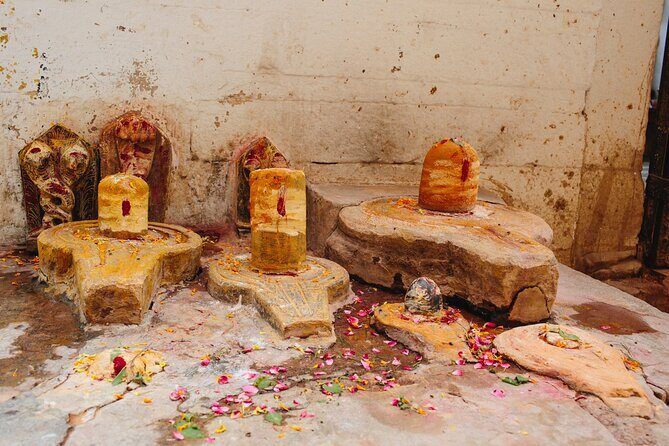
- Breakfast start at Dashashwamegh ghat: a calmer way to begin before the alleys heat up.
- Maharaja Palace balconies and Ganges views: you get a higher, clearer look before heading back into the maze.
- Ashram + temple stop: you see how devotion shows up in everyday spaces.
- Manikarnika burning ghat area: a serious, meaningful stop that’s best with guidance.
- Small group size (max 15): easier questions, less crowd crush.
- Good weather matters: if conditions are poor, the tour may be rescheduled or refunded.
Why This Varanasi Walk Works Better Than a Highlights Tour
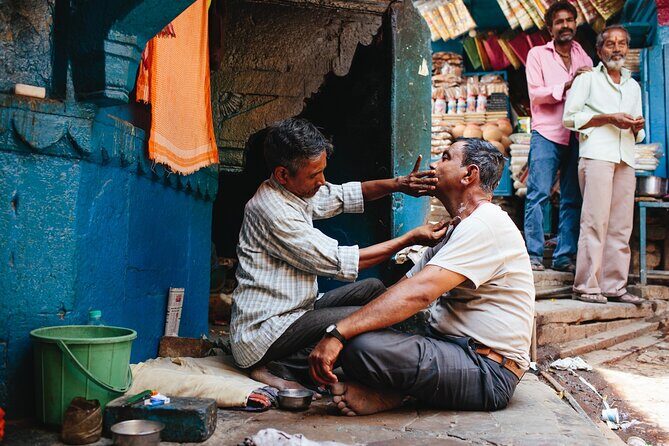
This is the kind of Varanasi tour that helps you understand what you’re looking at. Instead of bouncing between separate landmarks, you move through the older street system that actually shapes daily life here. That means you spend time on the streets where you’ll notice the everyday details: small shops, temples you can see from odd angles, and the sensory overload that comes with spice aromas and constant activity.
The “after sunrise but not too early” angle also helps. If you’re not in the mood to start at the crack of dawn, this format still puts you in the right zone to see the city’s river rhythms and start learning fast.
You can also read our reviews of more walking tours in Varanasi


Getting Started at Kashi Chat Bhandar and How the Tour Runs
Your tour meets at Kashi Chat Bhandar, 37/49, Godowlia Rd, Harha, Varanasi. It ends back at the meeting point, so you’re not stuck guessing how to get home after the last stop.
The tour is priced at $23.59 per person, and it uses a mobile ticket. Pickup is offered, which is handy in Varanasi, where the fastest-sounding route is not always the easiest on foot. It’s also a single walking tour, and the group max is 15 travelers, so it’s more manageable than the mega-bus version of sightseeing.
One more detail that matters: the plan is listed as about 3 to 4 hours, but you should keep flexibility. Reviews include at least one account where the day ran longer because lunch was included and the guide paced the experience slowly.
Dashashwamegh Ghat Morning Flavor and a Smart Start
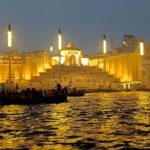
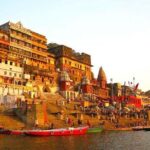
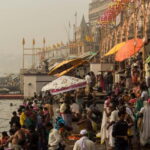
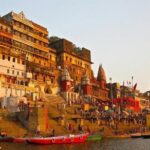
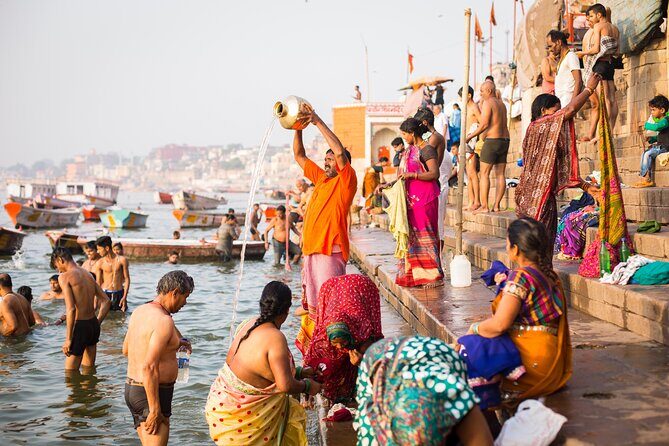
You begin at Dashashwamegh ghat. The big win here is timing plus context. Starting by the river makes the rest of the walk easier to understand because the Ganges is the city’s anchor. Even if you only have a few hours, this start helps you notice how the riverfront connects everything you’re about to see.
Then comes a local Benares breakfast. It’s not just a snack to fill time. This kind of start changes your mindset. Instead of arriving as a tourist, you start as someone part of the rhythm of the place, even for a short while.
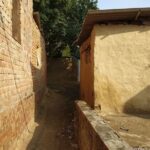
From there, the route switches into city-walking mode: small alleys, colored streets, and close-up views of the older town. One review describes the experience as a walk through a maze of little colored lanes, temples, and everyday street sights like cattle. That’s the feel you should expect: close, noisy, real.
How to enjoy this part more: go with the flow. The streets don’t work like a mall. If you want slow, controlled strolling, this may feel like the city is moving around you. That’s also the point.
Maharaja Palace Balconies: When You Get a Breather and a Better View
After you’ve built your bearings in the alleys, you move into the Maharaja Palace area. This stop is valuable because it breaks the walk with a higher, clearer perspective.
From the balconies, you can look toward the Ganges River. That view matters because it turns what you’ve seen at street level into something you can map in your head. After the narrow lanes and constant motion, a palace viewpoint gives your brain a wider picture.
It also adds a different layer to the tour. You’re not only seeing sacred spaces. You’re also seeing how power and culture took form around the riverfront. The result is a more balanced sense of Varanasi as both a spiritual center and a historical city.
One drawback to note: palace viewpoints and busy ghat areas can mean crowds shift around you. Your guide helps you time moments, but you should still expect that this is not a quiet nature hike.
Ashrams and Temples: Seeing Religion as Daily Practice
Next up is a traditional ashram, followed by stops connected to sacred temples. This part is where the tour becomes more than sightseeing.
The difference is in what you’re doing. Instead of treating temples like static monuments, you’re guided through them as lived spaces with ongoing religious purpose. The tour is designed to give you an approximation of local culture, religion, and traditions, and the ashram/temple segment is central to that.
Reviews also praise the guidance style here—people highlight that the guide explains details rather than rushing through the stop. One review specifically praises how the guide took time to show old Varanasi and explain things into details. That’s exactly what helps when the traditions are unfamiliar. Even if you only catch part of the meaning, the guide’s pacing makes the rest easier to observe.
A practical consideration: sacred spaces may involve rules about behavior and movement. The tour info doesn’t list specific dress or behavior rules, so follow your guide’s direction on the day. This is one of those moments where listening matters more than reading a sign.






Manikarnika Burning Ghat Area: Powerful, Serious, and Best With Context
The tour then reaches the Manikarnika zone, where the burning ghat is located. This is the emotionally heavy stop on the route. It’s also one of the most important for understanding Varanasi’s spiritual landscape.
Even if you’ve seen photos, walking into the real setting is different. The guide’s role is key here, because this isn’t a place where you can treat it like a casual viewpoint. You’ll want to slow down mentally, watch with respect, and follow guidance on what’s appropriate to look at and how to move through the area.
This stop is a main reason the tour feels stronger than a standard highlights route. You’re not only collecting sights. You’re also seeing a central religious function of the city and getting the story behind it.
Tip from the structure of the tour: you’ll be coming here after breakfast and after palace viewpoints and ashram/temple context. That sequencing helps. You’re less likely to feel overwhelmed because the walk gives you steps of understanding.
Walking Distance, Pace, and What to Bring
The tour is listed as 3 to 4 hours, but reviews show it can stretch to about 6 hours when lunch gets added and the group moves slowly. Another review notes roughly 9 km of walking through the older city. So yes, this is a real walk.
That affects what you should do before you go:
- Wear comfortable walking shoes with grip. The alleys and river-adjacent areas can mean uneven footing.
- Plan for standing time at viewpoints and sacred spaces.
- If you have later plans, build in buffer time. Even with a structured guide, the city moves fast.
The good news: the small group size (max 15) helps keep the pace manageable. Also, the tour aims to be accessible for many people, and service animals are allowed.
Weather is another real factor. The experience requires good weather. If weather is poor, the tour may be offered a different date or you can receive a full refund. That’s worth paying attention to because a long walk plus rain in any river city is no joke.
Is It Good Value at $23.59?
Let’s talk value. $23.59 per person is a reasonable price for a guided walk that strings together major areas of old Varanasi in a few hours. You’re paying for guidance, translation of what you’re seeing, and a route that links the river, palatial views, sacred spaces, and the burning ghat area.
Admission tickets are listed as free, so you’re not getting nickel-and-dimed at each stop. Plus, with a guide who explains details and takes time, the value shifts from paying for entry fees to paying for understanding.
One more value signal: it’s getting booked. The average booking window is about 9 days in advance. That doesn’t mean you must book instantly, but it suggests demand is real for this style of walk.
Who Should Book This Tour
This tour fits best if you want:
- A walking-first way to see Varanasi’s older streets.
- A guide who explains culture and religion in practical terms.
- A route that includes both scenic viewpoints (palace balconies toward the Ganges) and solemn spiritual spaces (ashram/temples and the Manikarnika burning ghat area).
- A smaller group experience instead of big, rushed crowds.
You might also like it if you’re not eager to start extremely early, but still want to capture the right feel of the city after sunrise.
If you prefer totally calm, minimal-walking sightseeing, you may find the pace and sensory intensity a lot. But if you’re the type who likes to see how places really work, this is one of the better formats.
Should You Book This Varanasi Walking Tour or Skip It?
Book it if you want a guide-led route that gives you a connected sense of Varanasi: breakfast by the river, alley-level street views, palace balconies for context, sacred ashrams and temples, and the Manikarnika burning ghat area handled with guidance. The consistent ratings (5 out of 5) and the praise for detailed explanations are strong signals that this is more than a checklist.
Skip it only if:
- You have no flexibility on time, since one review reported a longer day with lunch.
- Walking around old-town lanes sounds unpleasant.
- You need a lighter, less serious tone than a burning ghat visit.
If you’re on the fence, I’d base the decision on one thing: are you here to understand the city, not just photograph it? If yes, this walk is a solid choice.
FAQ
How long is the walking tour?
The tour is listed as about 3 to 4 hours (approx.), though one review reported it lasting closer to 6 hours including lunch.
Where does the tour start?
It starts at Kashi Chat Bhandar, 37/49, Godowlia Rd, Harha, Varanasi, Uttar Pradesh 221001, India and ends back at the same meeting point.
Is pickup offered?
Yes, pickup is offered.
What are the main stops on the route?
Key stops include Dashashwamegh ghat, the Maharaja Palace area, a traditional ashram, sacred temples, and the Manikarnika zone (burning ghat area).
What is the group size limit?
The tour has a maximum of 15 travelers, and it says most travelers can participate.
What if the weather is bad?
The experience requires good weather. If it’s canceled due to poor weather, you’ll be offered a different date or a full refund.