REVIEW · AMRITSAR
The Grand Amritsar Experience Combined With WAGAH FLAG CEREMONY
Book on Viator →Operated by Around The India Travels · Bookable on Viator
Two days, two borders, one big feeling. This experience strings together the sacred calm of the Golden Temple and the high-drama Wagah flag ceremony, with stops that explain why Amritsar hits so hard.
I especially like how the guide makes the langar (the community kitchen) feel meaningful, not just scenic. I also like the extra focus on Akal Takht, so you’re not only looking at gold—you’re understanding what it represents.
One thing to consider: a couple of stops have admission not included, like the Partition Museum and Gobindgarh Fort, so you should budget a little extra and keep your timing flexible for the day-of crowds at Wagah.
In This Review
- Key Things I’d Pay Attention To
- Golden Temple Morning: Where Meaning Starts Before You Even Walk In
- Jallianwala Bagh: A Quiet Stop That Feels Heavy for a Reason
- Partition Museum: When Admission Is Extra, Plan Your Time Anyway
- Wagah Border Ceremony: Big Energy, Real Crowds, No VIP Shortcut
- Day Two Village Tour: Punjab Life Beyond the Main Stops
- Ram Tirath Temple: A Spiritual Pause on the Outskirts
- Gobindgarh Fort: Royal Stories, Admission Extra
- What $59 Buys in 2 Days: Tickets, Meals, and Guide Time
- How the Guide Style Changes the Trip (And Why It Matters)
- Practical Tips for a Two-Day Sprint in Amritsar
- Should You Book This Grand Amritsar Experience with Wagah?
- FAQ
- How long is the Grand Amritsar experience with the Wagah flag ceremony?
- Is hotel pickup offered?
- Is this a private tour?
- What meals are included?
- Is WiFi and air-conditioning included in the vehicle?
- Are tickets included for the Golden Temple?
- Is the Partition Museum admission included?
- Is Gobindgarh Fort admission included?
- Are VIP seats included for the Wagah ceremony?
- What is the cancellation policy?
Key Things I’d Pay Attention To
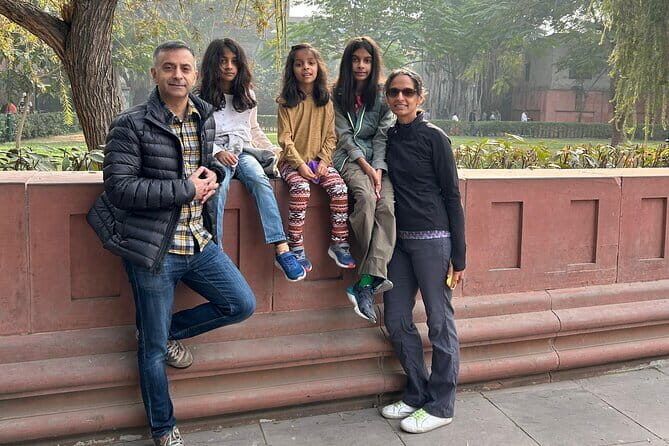
- Golden Temple access includes more than a photo stop, with entry tied to the main complex, Akal Takht, and even the Dukh Bhanjani Ber Tree
- A strong guide makes the “why” click fast, and guides such as Rishi and Aman are noted for history storytelling and great photo spots
- Wagah is included as a guided experience, and you’re not being pushed into VIP seating (they don’t endorse or sell VIP seats)
- Meals and comfort are part of the value, with breakfast and lunch plus bottled water, WiFi on board, and an air-conditioned vehicle
- Day two adds real Punjab rhythm, with a village tour running long enough to go beyond checklist sightseeing
Golden Temple Morning: Where Meaning Starts Before You Even Walk In
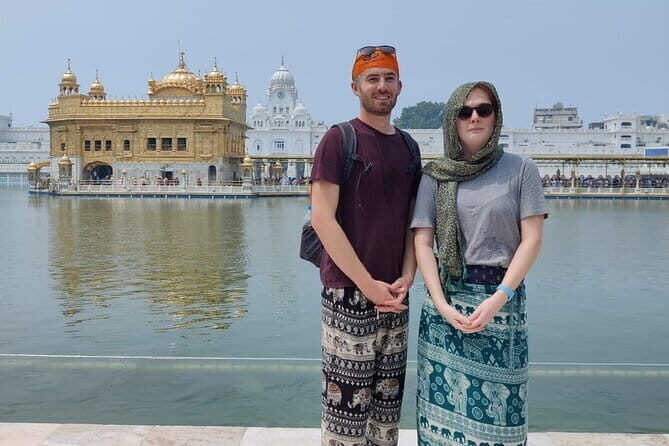
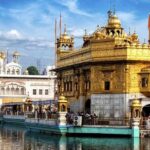
Amritsar has a special rhythm, and this tour gets it started early. You begin at the Golden Temple, with a guided visit built to explain what you’re seeing—spiritual life, Sikh traditions, and the place’s deep connection to community service.
The best part here is that you’re not just watching a monument. You’re learning how the temple works as a living system. The tour’s mention of the world’s largest community kitchen matters because it tells you the language of the site: equality, service, and welcome. When your guide walks you through the experience, the langar isn’t just food on a schedule. It becomes part of why people come back again and again.
You’ll also get access connected to Akal Takht and the Dukh Bhanjani Ber Tree. That’s a smart choice because most short tours stay only at the main viewing areas. Here, you’re given a wider lens, so you can connect architecture to belief instead of treating it as decorative gold.
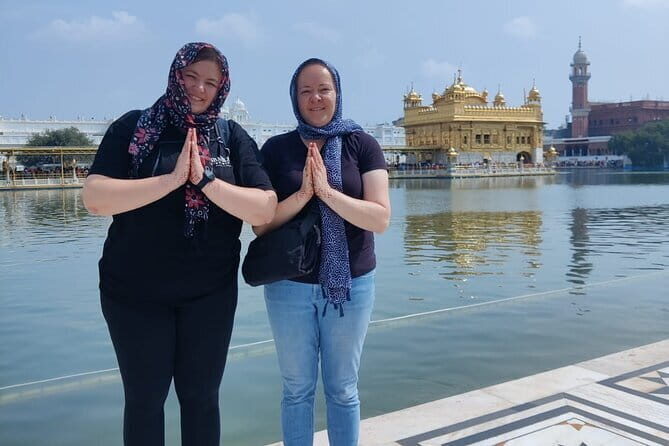
Practical note: religious sites can have dress and rules that change how you move. You might find you’ll need to plan for modest clothing and a head covering. Keep a light scarf handy just in case.
You can also read our reviews of more tours and experiences in Amritsar.



Jallianwala Bagh: A Quiet Stop That Feels Heavy for a Reason
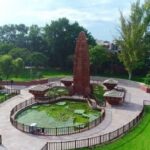
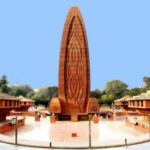
After the Golden Temple, you shift gears—emotionally and physically. Jallianwala Bagh is a different kind of place: reflective, tense in memory, and historically significant.
This is where I like the tour’s pacing. You don’t rush past it like a quick checkbox. With a guided visit through the garden area, you get time to understand what happened here and why it still matters. It’s the kind of stop that turns your day from sightseeing into understanding.
The drawback? It can slow your mood down for a while. If you’re traveling with kids, it helps to keep expectations simple: this isn’t “fun,” but it can be meaningful if your guide keeps the tone age-appropriate.
Partition Museum: When Admission Is Extra, Plan Your Time Anyway
Next comes the Partition Museum. This part is worth it even though admission is not included. The reason is in what the museum is built to show: personal artifacts and photographs tied to real lives. That’s the difference between reading about Partition and seeing the human scale of it.
You’re typically given about an hour here, which is enough to grasp the story without feeling trapped in a building all day. Still, museums need focus. If you’re prone to museum fatigue, pace yourself: pick the sections your guide highlights and let those sections do the work.
Because admission is not included, I’d treat this as a “bring a little extra money” moment. It also means you’ll want to double-check what currency you’re using on the day, since you’re paying on-site rather than having everything bundled.
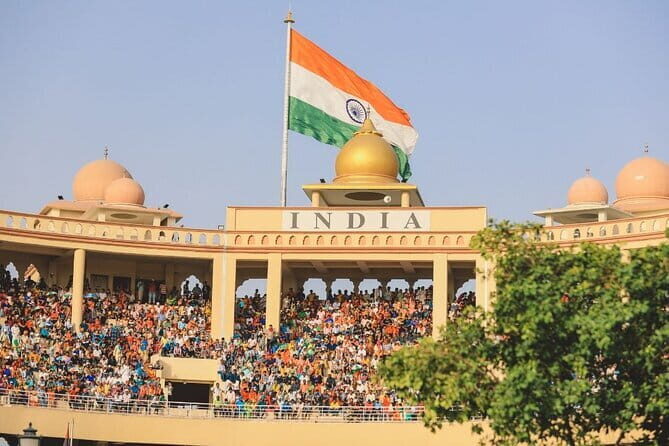
Wagah Border Ceremony: Big Energy, Real Crowds, No VIP Shortcut
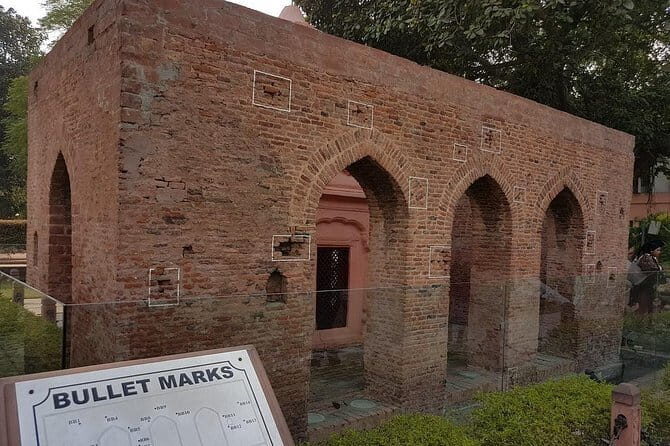
Then you head to Wagah Border for the famous flag-lowering ceremony. This is where the tour earns its “electrifying” reputation, because this isn’t a calm visit. It’s performance and ritual, played out daily at the India-Pakistan line.
Two things make this stop especially important for your expectations:
First, the ceremony is guided. That matters because the movements and the timing mean more when you understand the rules of the moment. A good guide helps you watch with context instead of treating it like pure spectacle.
Second, you’re not being sold VIP seating. The tour notes they don’t endorse or sell VIP seats, which is honest and helpful. That usually means you’ll follow the standard viewing setup—worth it, but it can also mean tighter space and more crowd noise than you’d get with premium sections.
Because the Wagah portion is listed as around two hours, plan to feel the waiting time as part of the experience. Your feet will notice it. Wear shoes you can stand in for a while, and bring water if you’re allowed to.
One extra note from what I’ve learned from guide styles: Aman’s tours in particular are mentioned for adding memorable Golden Temple night energy. If your schedule includes evening temple time, it can balance Wagah’s intensity nicely.
Day Two Village Tour: Punjab Life Beyond the Main Stops
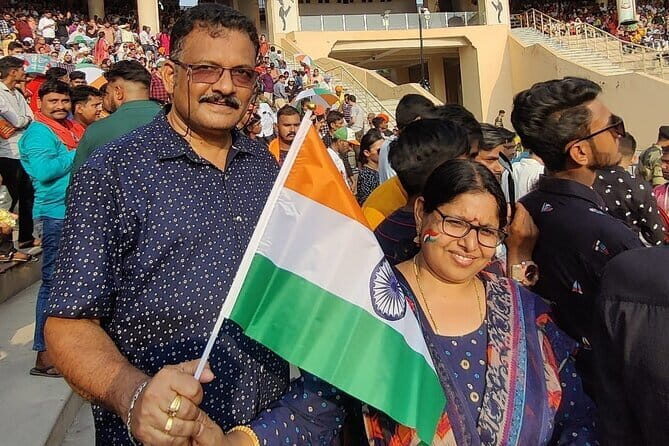
Day two starts with an Amritsar village tour, running long enough to feel like you left the city for a bit. This is one of the best values in the overall experience because it adds context to everything you saw on day one.
You’re looking at how local traditions and daily routines work outside the tourist core. The tour description frames this as a chance to taste rural Punjab culture and tradition, and the longer time slot helps—this isn’t a quick drive-by.
From the kind of moments this day can include, I think you’ll like the shift from monuments to people. You might get hands-on cultural moments—like watching breads cooked on a woodfire—or small travel-style joys such as tractor-related village experiences, depending on timing and local flow.
The drawback is also simple: village days can mean uneven walking surfaces and more time outdoors. If you’re with older adults, you’ll want to keep a comfortable pace and plan for breaks.
Still, this is the piece that often makes the whole trip stick in your memory. It’s where Amritsar stops being only a set of famous landmarks.



Ram Tirath Temple: A Spiritual Pause on the Outskirts
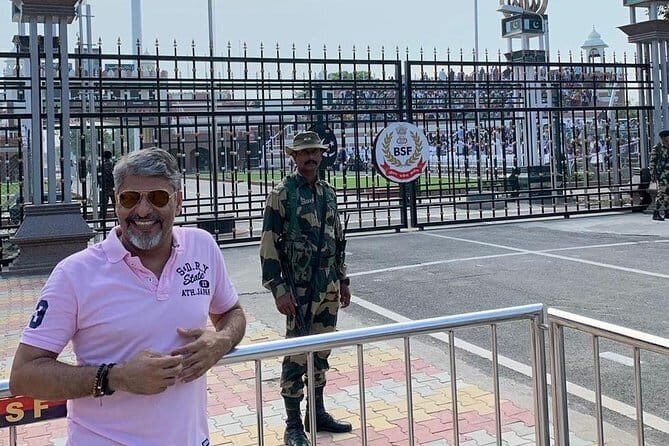
Next you visit Ram Tirath Temple, associated with the revered birthplace of Luv and Kush. This stop is shorter (about an hour), which works well after the longer village portion. You get a spiritual pause without exhausting your whole day.
What I like about having this temple stop right after the village tour is that it anchors the day with meaning. The day stops being only about learning what happened or building memories—it also becomes about tradition and belief that still exists now, not just centuries ago.
If you enjoy guided context, you’ll likely appreciate how the guide frames the mythological and spiritual significance during your walk through the site.
Gobindgarh Fort: Royal Stories, Admission Extra
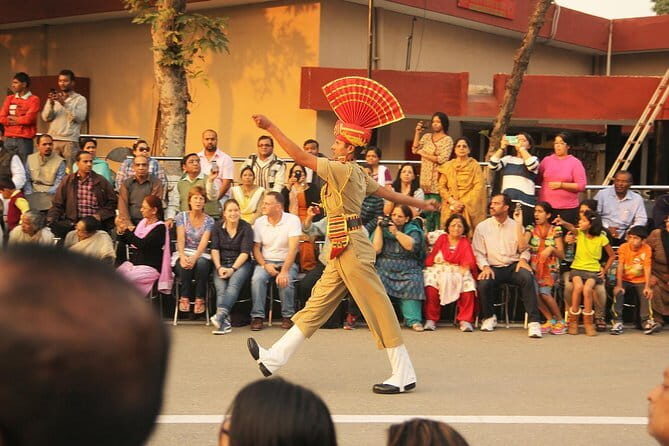
Then there’s Gobindgarh Fort, listed for about an hour, with admission not included. This is an optional-feeling stop inside a tour that otherwise bundles a lot.
The fort is described as a historical treasure built in the 18th century by Maharaja Ranjit Singh, known as the Lion of Punjab. That’s the angle you’ll want going in: think power, symbolism, and the era that shaped modern Punjab identity.
Is it worth the extra payment? For me, it often is—because forts give you a different kind of context than temples or memorials. Just be ready that you’ll pay separately here, so don’t plan on finishing your budget exactly as advertised.
If you’re short on time or you’re energy-limited, you can also treat this as the day’s “one big look” stop. Ask your guide which area is best for your interests.
What $59 Buys in 2 Days: Tickets, Meals, and Guide Time
Let’s talk value, because the $59 per person price only makes sense if you see what’s included.
You get:
- Breakfast and lunch
- Private transportation in an air-conditioned vehicle
- Bottled water
- WiFi on board
- A professional English-speaking guide
- Entry tied to key stops like the Golden Temple complex areas (including Akal Takht and Dukh Bhanjani Ber Tree), Jallianwala Bagh, and Wagah Border
Not included:
- Partition Museum admission
- Gobindgarh Fort admission
- Tips and gratuity
So you’re paying mainly for guidance, transport, and bundled admissions where it counts most. That’s a good deal in a city where hopping between sites efficiently saves time and energy.
One more small value note: it’s a private tour, meaning only your group participates. Even if the group you book with ends up being small, it usually means fewer compromises and more time for questions.
How the Guide Style Changes the Trip (And Why It Matters)
This tour’s success hinges on the guide. You can feel it in the way stops are explained.
Rishi is referenced for guiding people to best photography spots, which is a real skill. Golden Temple lighting and angles can be tricky, and having someone point out where the view works saves you from wandering around mid-shutter-spasm.
Aman is mentioned for adding extra emotional layers, including a Golden Temple night moment tied to the Palki Sahib ceremony, where the Guru Granth Sahib is carried in a golden palanquin. I can’t promise that exact ceremony will fit every schedule, but it’s a great example of what a strong guide can bring to the same core landmarks.
If you care about both meaning and visuals, you’ll likely enjoy a tour where the guide acts like a translator: turning symbols into clear stories.
Practical Tips for a Two-Day Sprint in Amritsar
A short, guided two-day trip is great—if you prepare for the pace.
- Comfort first: You’ll stand more than you think, especially around Wagah. Wear shoes you can keep on comfortably.
- Plan for extra admissions: The Partition Museum and Gobindgarh Fort aren’t included. Keep a small buffer so you’re not stuck deciding mid-day.
- Use the guide’s timing: When your guide explains what you’re looking at, you spend less time scrolling and more time seeing.
- Carry a scarf just in case: For religious sites, rules can be strict even when they aren’t announced far in advance.
- Ask about best photo timing: If you like photos, it’s worth asking your guide when the best light or viewing angles are.
If you’re coming in with kids or older adults, you’ll probably like the pacing across contrasting stops—temple calm, memorial weight, museum focus, border energy, and then a slower village feel.
Should You Book This Grand Amritsar Experience with Wagah?
I’d recommend booking if you want a structured two-day plan that covers the big emotional hits: Golden Temple, Jallianwala Bagh, Partition Museum, and the Wagah ceremony—without you having to piece together transport and tickets yourself.
I’d think twice if you strongly prefer fully all-inclusive pricing with zero on-site payments, because Partition Museum and Gobindgarh Fort admissions are not included. You’re still likely to find the overall value fair, but you need that small extra budget.
If your ideal Amritsar trip includes spirituality, history, and the daily spectacle of Wagah, this one is a solid way to do it without wasting hours figuring out how to get between places.
FAQ
How long is the Grand Amritsar experience with the Wagah flag ceremony?
It’s listed as approximately 2 days.
Is hotel pickup offered?
Yes, pickup is offered.
Is this a private tour?
Yes. It’s a private tour/activity, and only your group will participate.
What meals are included?
Breakfast and lunch are included, along with bottled water.
Is WiFi and air-conditioning included in the vehicle?
Yes. You get WiFi on board and travel in an air-conditioned vehicle.
Are tickets included for the Golden Temple?
Yes. Entry/admission for the Golden Temple complex areas is included, including Akal Takht and Dukh Bhanjani Ber Tree.
Is the Partition Museum admission included?
No. Partition Museum admission is not included.
Is Gobindgarh Fort admission included?
No. Gobindgarh Fort admission is not included.
Are VIP seats included for the Wagah ceremony?
No. The tour states they do not endorse or sell any VIP seats.
What is the cancellation policy?
Free cancellation is available up to 24 hours in advance for a full refund. If you cancel less than 24 hours before the start time, the amount paid is not refunded.