REVIEW · VARANASI
Essential Varanasi (North and Manikarnika) Walking Tour
Book on Viator →Operated by Roobaroo Walks · Bookable on Viator
The Old City of Varanasi is not built for quick sightseeing. This small-group walk helps you slow down and understand what you’re seeing, from everyday bazaars to sacred corners tied to life and the end of life. I love the way the route pairs temples and haveli architecture with clear explanations of Hindu practice, and I like the group size capped at 10, so questions don’t get lost in the noise. One drawback to plan for: you’ll be walking in tight streets, and this experience needs good weather to run smoothly.
I also think the value is strong for the price. At about 3 to 4 hours and $41.34 per person, you’re not just getting a route map—you’re getting context for why the places matter. You’ll start at St. Thomas Church and finish near Manikarnika Ghat, with a mobile ticket and a guide who’s praised for story-driven walking (often with Anupam named in guide feedback).
In This Review
- Key Things I’d Bet You’ll Notice First
- Walking Kashi With a Storyteller
- The 3–4 Hour Old City Format (And Why It’s the Right Length)
- Starting at St. Thomas Church, Then Threading Into the Old City
- Stop 1: Bhartendu Harishchandra Udhyan and a 300-Year Haveli
- Stop 2: Manikarnika Ghat, Manikarnika Kund, Tarakeshwar Mahadev, and Mahashamashan Views
- What You Learn About Hindu Beliefs While You Walk
- Small-Group Comfort: Up to 10 People in Tight Streets
- Navigating the Street Life: Pace, Clothing, and Timing
- Price and Value: $41.34 for Context, Not Just Sights
- Who This Tour Fits Best
- Should You Book Essential Varanasi (North and Manikarnika)?
- FAQ
- How long is the Essential Varanasi (North and Manikarnika) walking tour?
- What’s the group size limit?
- Where do I meet the tour?
- Where does the tour end?
- Do I get a mobile ticket?
- Are admission tickets included?
- When will I get confirmation after booking?
- Does the tour run in all weather?
- Is free cancellation available?
Key Things I’d Bet You’ll Notice First
- Small group (max 10): more time to ask questions and pause when the street gets intense
- Stop-by-stop structure: Bhartendu Harishchandra Udhyan plus Manikarnika Ghat, with set time at each
- Architecture + everyday city life: temples and haveli spaces mixed with local market energy
- Hindu belief context on the move: explanations of practices that make the sights click
- A serious tone near the end-of-life spaces: Manikarnika-area views can be emotionally heavy
Walking Kashi With a Storyteller
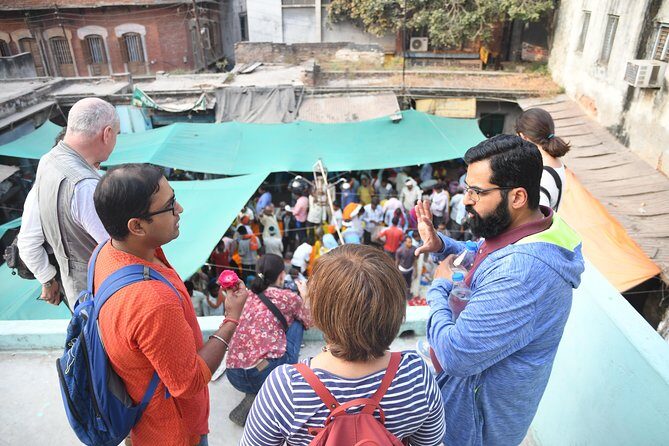
Varanasi, especially the Old City, can feel like sensory overload at first. People see ghats, temples, incense, and costumes. But without context, it’s easy to miss what’s actually happening—what’s being honored, what’s being practiced, and why certain places are where they are.
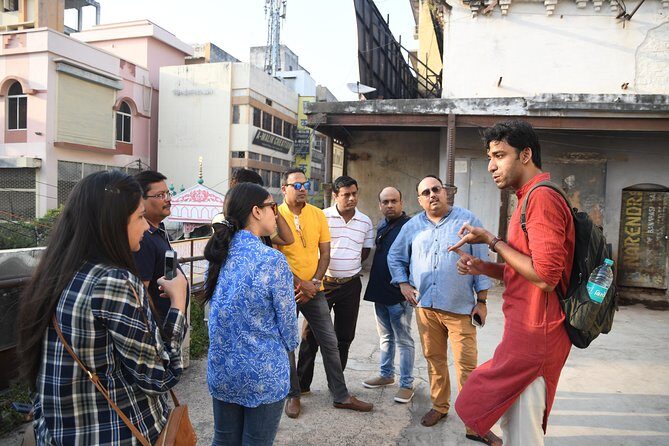
That’s where this Essential Varanasi walking tour earns its keep. You’re not on a checklist tour. You’re walking through neighborhoods where sacred meaning lives right beside regular commerce. And because the group stays small—up to 10—you get a chance to ask the questions that pop up mid-walk, like why certain offerings are made, or what different kinds of sacred spaces are used for.
A recurring theme in guide praise is that the leader tells stories in a way that sticks. In feedback, Anupam comes up again and again as a guide who weaves together mythology, spirituality, history, and geography into the route. Translation for your trip: the tour is designed so you walk away with a deeper “I get it now” feeling, not just photos.
You can also read our reviews of more walking tours in Varanasi


The 3–4 Hour Old City Format (And Why It’s the Right Length)
This tour runs about 3 to 4 hours. That matters more than it sounds. Long walking days can turn into endurance tests in Varanasi’s streets. Short tours can feel rushed and surface-level. This length hits the sweet spot where you can cover key areas, still have time to stop and absorb, and not feel like you’re sprinting between highlights.
It also helps that the pacing is built around two main stops:
- Stop 1 lasts about 30 minutes
- Stop 2 lasts about 15 minutes
Those time boxes are useful. Even if you’re fast, you still get a real chunk of time at the places that need attention. If you’re slower or you’re the type who needs a minute to look around, the structure supports that too.
And because it’s a walking tour focused on the Old City alleys, you’re going to spend a good part of your time outside of the big, easy-to-navigate roads. You’ll get the tight-street feel that makes Varanasi different, but plan your expectations: this is active travel, not a stroller-and-brochure stroll.
Starting at St. Thomas Church, Then Threading Into the Old City
You’ll begin at St. Thomas Church, Luxa Rd, in the Luxmanpura / Laxmanpura area (the meeting point address is listed right at the start of the tour info). This is a practical choice because it gives you a clear, fixed landmark to aim for in a city where directions can turn into a maze fast.
The tour ends near Manikarnika Ghat, close to Lalita Ghat. That ending location is smart for travelers because it lets you continue your own exploration in that area right after the walking portion ends, without needing to “go find the action” later.
You’ll also have a mobile ticket, which is handy in India’s line-and-paper-world. And the tour info notes it’s near public transportation, which matters if you’re juggling rickshaws, walking legs, and timing around temple hours.
Stop 1: Bhartendu Harishchandra Udhyan and a 300-Year Haveli
This first stop is where the tour slows down into architecture and atmosphere. You spend about 30 minutes at Bhartendu Harishchandra Udhyan, and admission is included for this stop.
What you’re looking for here is a layered sense of place. The area includes:
- a 300-year-old haveli connected to a prolific writer
- a peaceful temple with exquisite architecture
Why this stop works: it gives your brain something stable to hold on to before the tour moves toward higher-intensity spiritual zones. You get to see how old private architecture and devotional spaces coexist in the same local world. Then, when later you’re near ghats and ritual areas, you’ll understand you’re not moving between unrelated “tourist spots.” You’re moving through a living city where sacred and everyday spaces share walls.
Practical note: because you’re in an alley-and-courtyard style setting, you might find it easier to hear your guide if you’re patient and step in slowly. This is also a good moment to ask questions about what you’ve seen so far, since the first stop is long enough to settle your bearings.
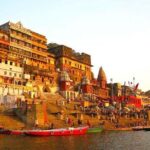
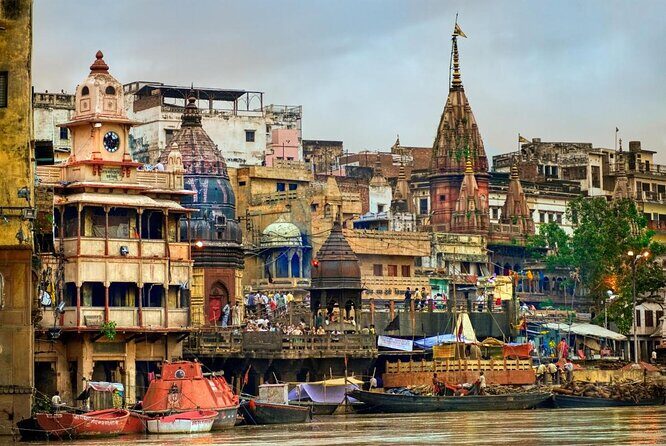
Stop 2: Manikarnika Ghat, Manikarnika Kund, Tarakeshwar Mahadev, and Mahashamashan Views
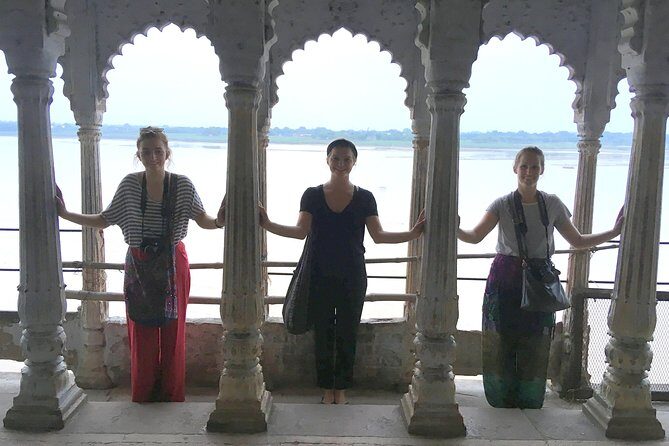
The second stop is the emotional center of the tour. You spend about 15 minutes here, and the info says admission is free for this stop.
At Manikarnika Ghat, you’ll be near:
- Manikarnika Kund
- Tarakeshwar Mahadev
- glimpses of Mahashamashan
- and you’ll come face-to-face with the idea of the end of life rituals
I want to be straight with you here. This isn’t a stop designed for casual comfort. The tour description frames it as confronting the reality of death and ritual practice in a place that’s deeply meaningful to many Hindus. If you’re sensitive around that topic, take a breath and pace yourself. The value is precisely that the guide doesn’t treat this area as a mere photo backdrop.
Why the stop is still “worth it” for many people: you gain context. When you understand how sacred life-cycle rituals fit into Hindu belief, the sights stop feeling like shock value and start feeling like a window into a belief system you don’t fully get from guidebooks alone.
Also, because this stop is shorter than the first, you’re not forced to stay in the most intense part of the experience longer than you can handle. It’s guided, purposeful time.






What You Learn About Hindu Beliefs While You Walk
A big promise of this tour is context: explanations on key Hindu beliefs and practices as you move through markets, temples, and other landmarks hidden in alleys.
Here’s why I think this matters. In Varanasi, you’ll see a mix of:
- public ritual activity
- devotional spaces tucked into corners
- everyday street life right alongside it
Without explanation, you might label it all as the same kind of religious scene and miss the differences. With a guided walk, the meanings become clearer. You’re less likely to feel like you’re watching from the outside, and more likely to understand what people are doing and why they do it.
Guide feedback also points to strong storytelling. The praise often highlights how the leader connects mythology and spirituality with real geography, plus touches like markets and flower-related sights along the way. That combination is practical: mythology becomes less abstract, because the story lands directly in the street and the sacred space where it’s meant to be understood.
Small-Group Comfort: Up to 10 People in Tight Streets
A capped group size of 10 is not just a number. In crowded Old City lanes, smaller groups make the difference between seeing and constantly bumping into people.
You’ll feel it in a few ways:
- You’ll likely get better pacing and fewer “stop and wait” interruptions
- Your guide can handle questions as you go
- You’ll have more chances to step aside and look closely without a crowd swallowing you
This is also why the tour tends to suit people who don’t want to run around grabbing a checklist photo. If you like guided conversation, gentle course-correction when you get confused, and time to absorb details, this format is a good match.
If you prefer silent, self-guided walking, you might find the explanation-heavy approach less your style. But even then, the guide-driven context can still be useful, especially when you’re trying to understand what you’re looking at.
Navigating the Street Life: Pace, Clothing, and Timing
The tour info says most travelers can participate, which is a good sign. Still, you should plan for the reality of a walking tour in the Old City: uneven ground, crowded sidewalks, narrow passages, and lots of visual noise.
Here’s what I’d do to make it smoother:
- Wear comfortable walking shoes with grip
- Keep your water handy
- Expect to move at a human pace, not a city-stroll pace
And plan your timing with the weather in mind. The experience requires good weather. If conditions are poor, the tour may be adjusted by offering a different date or a refund, so it’s best to avoid booking this as the one fixed plan on a day with uncertain sky.
Price and Value: $41.34 for Context, Not Just Sights
At $41.34 per person, this tour is priced like a mid-range walking experience. What makes it feel fair is the structure: you get a guided route built around meaningful stops, plus context about Hindu beliefs and practices, plus access details at two specific locations (admission included at the first stop and free at the second stop).
If you’ve ever done a “quick temples only” walk, you know what gets expensive: paying for movement without explanation. Here, you’re paying for interpretation. And because the group stays small, you’re paying for a more personal pace rather than a bus-load lecture.
Is it a bargain? If you care about understanding what you’re seeing, yes. If your goal is purely to collect scenery photos and you don’t want added meaning, you might decide to do a cheaper self-guided walk. But for many first-timers, the guide context turns Varanasi from confusing to comprehensible fast.
Who This Tour Fits Best
This is a great match if:
- you want a first real intro to Varanasi’s Old City without getting lost in the noise
- you like story-based guidance that connects spirituality, history, and street-level reality
- you’re traveling with someone who values explanation, not just movement
It’s also a good pick if you plan to pair it with other Varanasi experiences, because the ending near Manikarnika Ghat puts you in a location where you can decide what to do next based on your comfort level and time.
If you dislike emotional subject matter, you should read the description carefully before booking. Manikarnika-area content is about end-of-life rituals, not just temples and markets.
Should You Book Essential Varanasi (North and Manikarnika)?
I’d book it if you want your Varanasi visit to feel guided by meaning. The tour’s strongest selling point is the mix of specific places (Bhartendu Harishchandra Udhyan, Manikarnika Ghat and its key points) and interpretation (Hindu beliefs and practices explained as you walk). The small group cap and the praise for story-driven guidance—often with Anupam named—suggest you’re going to come away with a richer understanding, not just a set of photos.
Skip it if you want a fully relaxed self-paced walk, or if the end-of-life ritual focus near Manikarnika Ghat would feel too intense for you right now. And if weather is iffy, don’t treat it as a must-do on the only clear day you have.
FAQ
How long is the Essential Varanasi (North and Manikarnika) walking tour?
It runs for about 3 to 4 hours.
What’s the group size limit?
The tour has a maximum of 10 travelers.
Where do I meet the tour?
You start at St. Thomas Church on Luxa Rd, in the Luxmanpura/Laxmanpura area of Varanasi.
Where does the tour end?
The tour ends near Manikarnika Ghat, close to Lalita Ghat.
Do I get a mobile ticket?
Yes, the tour uses a mobile ticket.
Are admission tickets included?
Admission is included at Bhartendu Harishchandra Udhyan (Stop 1). Admission at Manikarnika Ghat (Stop 2) is free.
When will I get confirmation after booking?
Confirmation is received within 48 hours of booking, subject to availability.
Does the tour run in all weather?
No. The experience requires good weather. If it’s canceled due to poor weather, you’ll be offered a different date or a full refund.
Is free cancellation available?
Yes. You can cancel up to 24 hours in advance for a full refund.