REVIEW · VARANASI
Photography Documentary and Street Photography
Book on Viator →Operated by Manoj, Photography Fixer and Guide · Bookable on Viator
Varanasi photos get easier with the right local. This 8-hour photography day pairs you with a professional photography fixer who knows where the stories are, what the light will do, and how to build a simple plan that fits your interests—whether you shoot with a camera or your phone. You’ll focus on documentary-style street moments tied to Varanasi’s spiritual life and daily rhythms.
Two things I really like about this experience are the shot planning and the teaching. Manoj is especially strong for sadhu photography—he’ll help with ideas, framing, and practical tips even if you’re an amateur, including how to get better results on mobile. One consideration: you’re photographing in a place where scenes can be intense, and this is an early, full-day kind of outing—also lunch and some extras (like boat rental) aren’t included.
In This Review
- Key highlights in plain terms
- Why a photography fixer matters on Varanasi’s ghats
- Timing and meeting point: building your day around sunrise light
- Manikarnika Ghat: cremation scenes and respectful photographing
- Chasing holy men, saddhus, pilgrims, and daily ghats life
- What your fixer teaches: framing, pacing, and mobile photography
- Price and what $302 really covers (and what to plan for)
- Logistics you’ll actually feel during the shoot
- Who this Varanasi photography day is best for
- Should you book this Varanasi photo fixer tour?
- FAQ
- How long is the photography experience?
- What’s the starting point for the tour?
- Is this experience private or shared?
- What does the tour include?
- Is lunch included in the price?
- Is an air-conditioned vehicle included?
- Are boat rides included?
- Can I get a full refund if I cancel?
Key highlights in plain terms
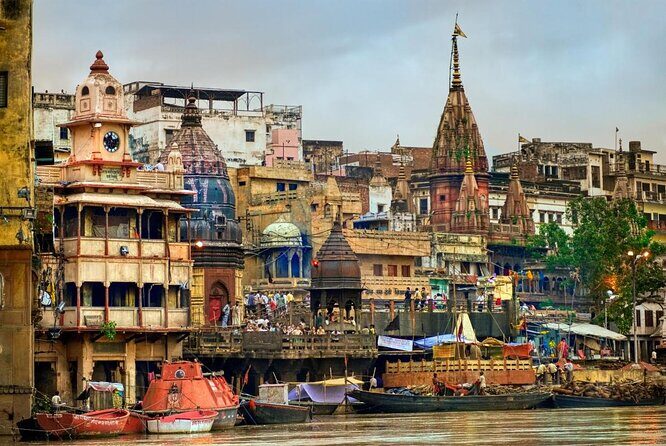
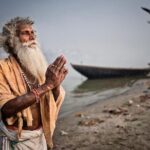
- Sadhu-focused shot guidance: Manoj brings specific ideas for how to compose holy men and saddhus, plus framing help you can use on your next trip.
- Real street + documentary approach: you’re not just sightseeing; you’re learning how to watch for story moments along the ghats.
- Designed for pros and beginners: the guidance works for photographers, videographers, journalists, and casual mobile shooters.
- Private by default: it’s for just your group, so you’re not competing for attention or pace with strangers.
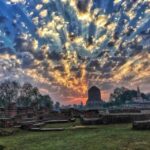
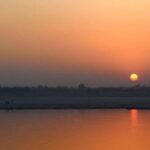
- Sunrise is part of the plan: you’ll have the chance to photograph the glorious sunrise and how it changes the ghats.
- A fixer who understands culture, not just locations: you’ll get context on current and historic cultural aspects as you shoot.
Why a photography fixer matters on Varanasi’s ghats
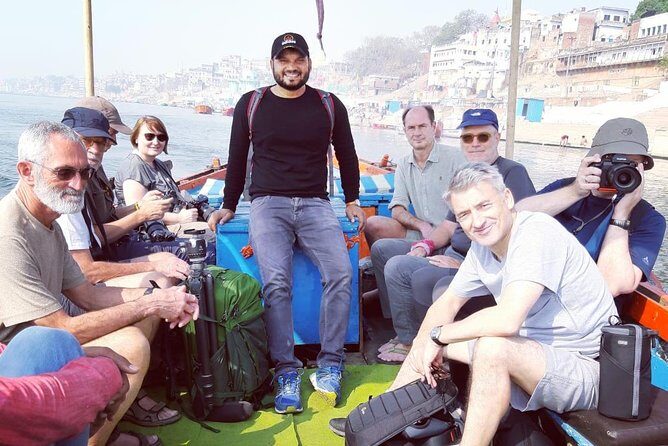
Varanasi is not a place where you can always rely on a map. The best photos come from knowing what’s happening right now, who’s where, and what to respect while you’re photographing. That’s what a fixer does for you: they help you turn a chaotic scene into a workable photo plan.
This setup also protects your time. Instead of wasting half the morning wandering, you get guidance on where to go for specific photo types—holy men and saddhus, pilgrims’ activities, cremation-related scenes, and more. The result is less random walking and more intentional frames.
And you get something that matters for documentary work: cultural context. When you understand what you’re seeing—current practices and historic meaning—you make better visual choices, and you’re less likely to accidentally photograph the wrong moment.
You can also read our reviews of more photography tours in Varanasi
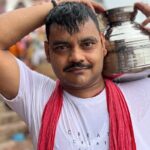
Timing and meeting point: building your day around sunrise light
Your day starts back where it began—at Dashashwamedh Ghat Rd, Ghats of Varanasi, Godowlia. The activity runs within opening hours that list 5:00 AM to 5:00 PM, and the exact timing is something you discuss. In practice, this is the kind of tour that usually makes room for early light, since sunrise photography is part of the experience.
Bring realistic expectations about the schedule. An 8-hour day can feel long, but it’s also the sweet spot for covering multiple ghats and activity zones without rushing every five minutes. The note about booking more than 3 hours is key: if you want one-of-a-kind photos, short sessions often don’t give enough time to wait for moments.
Finally, think about movement. The tour does not include an air-conditioned vehicle, so plan on being out and moving around. It’s near public transportation, which helps if you’re coming from elsewhere in the city, but it still means you’ll want comfy walking shoes and a camera/phone setup you can carry easily.
Manikarnika Ghat: cremation scenes and respectful photographing
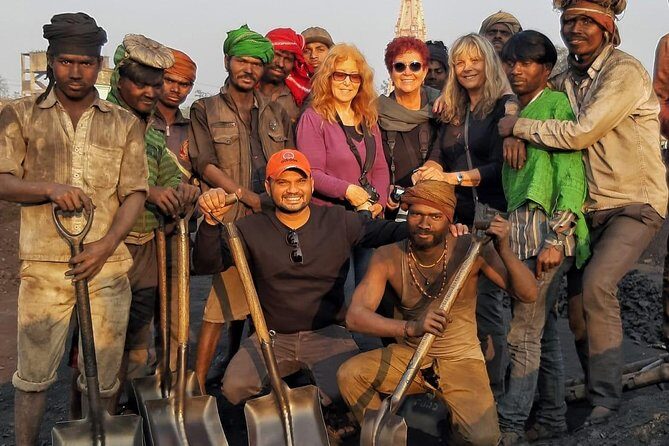
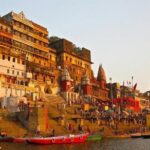
Manikarnika Ghat is the big named stop in the plan, and it’s also one of the most emotionally charged places to photograph anywhere in India. You’ll have the chance to capture striking images connected to cremation activity, plus the surrounding life of the ghats. This is where your fixer’s cultural guidance becomes more than “nice to have.”
A useful mindset here is documentary, not spectacle. Aim to photograph moments that show the human scale—faces, hands, ritual steps—rather than treating the scene like a photo contest. If you’re careful with framing and timing, you’ll come away with images that feel honest instead of intrusive.
Expect the light and angles to change fast. Ghats are crowded, people move unpredictably, and smoke or backlighting can affect your exposure. Your fixer’s job is to help you choose positions and timing so you spend less time fighting the scene and more time getting frames you’ll actually want to keep.
Practical tip: keep your sequence tight. Try for a set of 5–10 shots in one viewpoint, then step back and reassess. In a place like this, the ability to pause and reset is often the difference between a strong documentary series and a pile of half-usable frames.
Chasing holy men, saddhus, pilgrims, and daily ghats life
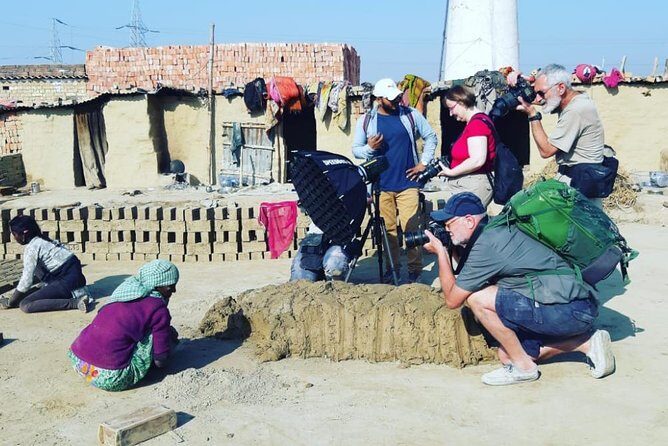
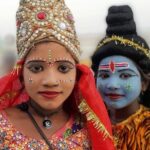
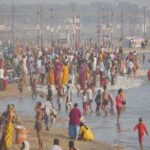
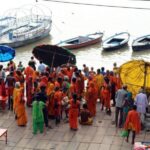
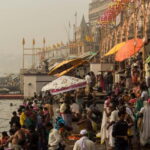
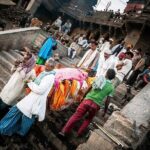
A big promise of this tour is variety inside the same spiritual neighborhood. You’ll have opportunities to see and photograph holy men and saddhus, pilgrims using the ghats for their sacred practices, and other daily scenes tied to Varanasi’s living culture. The day is built for documentary street photography, so you’re not just hunting for posed portraits.
Here’s what that means for your photos: you’ll want to be ready for quick decisions. People appear, change posture, and then move on. If you’re waiting too long, you’ll miss the gesture that tells the story.
This is also where a fixer’s storytelling skills help. A good local doesn’t only know where to stand—they know what kind of moment is likely to happen there. The service is described as “photographic fixing,” which is basically local, moment-by-moment problem solving: Where can you get a frame? When should you shoot? What should you avoid?
You’ll also have opportunities that go beyond the main riverfront intensity. The plan mentions rural fishing village moments and wrestling schools. That’s a reminder that Varanasi isn’t only about ceremonies; it’s also labor, practice, and community life—great territory for street-level documentary images.
Practical tip: set your camera/phone exposure before you rush. In bright sunrise conditions, a quick check of exposure helps prevent a lot of “looks fine on the screen, too dark later” issues.
What your fixer teaches: framing, pacing, and mobile photography
Even if you’re an enthusiast, this kind of guide matters because it turns you from a tourist photographer into someone who actually records a story. The experience highlights guiding you through current and historic cultural aspects, but it also promises shot ideas from a local who knows where to go. In plain terms: you learn how to see.
One of the most praised parts is how well Manoj supports both camera users and mobile shooters. The strongest feedback points to framing help and ideas for sadhu photography, plus mobile tips that help amateurs get results. That’s valuable because lots of tours assume you already know your phone settings and composition basics.
So what should you focus on during the day?
- Watch for a simple background story: river, steps, ritual elements, or community activity.
- Use framing to reduce clutter. Ghats can be visually busy, so think in layers: foreground subject, midground action, background context.
- Shoot in short bursts and then move carefully. You’ll often get better results by repositioning than by taking 200 nearly identical frames.
Also, don’t ignore the value of pacing. An 8-hour day can make you feel like you should keep shooting nonstop. A better approach is to shoot, reset your stance, check light and body position, then shoot again. Documentary photos often come from calm timing.
Price and what $302 really covers (and what to plan for)
At $302 for about 8 hours, this is priced like a serious guided photo service, not a casual city tour. The value is in the fixer role: local knowledge, customized itinerary building, and support for both professional and non-professional shooters. You’re paying for time, attention, and direction that helps you produce usable images.
The tour includes photographic fixing and guiding you in understanding cultural aspects as you shoot. It also operates as a private experience for your group, which can make the price feel more reasonable if you’re traveling with a friend or small team.
What’s not included is also important to budget:
- Lunch (food is not included)
- An air-conditioned vehicle
- Fees paid to models when requested
- Boat rental and boat driver service
Plan for the likely reality: you’ll still need water and snacks, and your best photos may require flexibility around how the day unfolds. If you’re someone who hates surprises, bring a small buffer for meals and any additional scene access costs that come up.
One more small note: group discounts and a mobile ticket are listed features. That can help if you’re traveling with others and you prefer tickets handled through your phone.
Logistics you’ll actually feel during the shoot
This is set up as a private tour/activity for only your group, which changes the whole vibe. You’re not herded by a big group schedule, and it’s easier for the fixer to adjust to the kind of photos you want—documentary, street portrait moments, or more focused sadhu-style shots.
Meeting is at Dashashwamedh Ghat Rd and the activity ends back at the meeting point. That’s useful: you don’t have to plan a separate return.
A few practical details from the experience info:
- Service animals are allowed.
- It’s near public transportation.
- Most travelers can participate.
Still, participation depends on your comfort level with early mornings, crowded areas, and intense scenes. Cremation-related photography, in particular, requires patience and a respectful attitude.
Practical tip: bring a lens/phone setup that you can use one-handed if needed, and keep your gear simple. When people move quickly and spaces get tight, having fewer things to manage saves shots.
Who this Varanasi photography day is best for
This tour is a strong fit if you fall into one of these groups:
- You want documentary-style street photography rather than postcard sightseeing.
- You’re specifically interested in holy men and saddhus and want help getting better compositions.
- You shoot with a camera or a phone and want a fixer who can still teach you what to do with mobile photography.
- You’re a professional filmmaker, photographer, or journalist—or a curious hobbyist—who values cultural context alongside images.
If you’re traveling solo and you prefer a personal pace, the private format can be a plus even though it’s not the cheapest way to do Varanasi. If you’re with friends, it can feel like a smart way to spend a dedicated half-day to a full-day focused on photos.
If you hate early starts, crowds, or emotionally heavy scenes, then this may feel like too much. But if you want images that actually match Varanasi’s reality, this approach is exactly built for that.
Should you book this Varanasi photo fixer tour?
I’d book it if your goal is photos with story—and if you want help turning the day into a shot plan. The standout value is the combination of a local fixer plus practical guidance, especially for sadhu photography and mobile shooting. Manoj’s approach, including framing ideas and amateur-friendly tips, is the kind of support that can quickly level up your results.
I’d think twice if you’re mainly looking for a relaxed sightseeing walk, or if you’re uncomfortable with scenes connected to cremation activity. Also, remember lunch and some extras aren’t included, so budget for basic day expenses.
If you want sunrise energy, ghats activity, and better framing—without trying to figure out everything yourself—this is a solid choice.
FAQ
How long is the photography experience?
It’s listed as approximately 8 hours.
What’s the starting point for the tour?
The start meeting point is Dashashwamedh Ghat Rd, Ghats of Varanasi, Godowlia, Varanasi, Uttar Pradesh 221001, India.
Is this experience private or shared?
It’s a private tour/activity, and only your group participates.
What does the tour include?
It includes photographic fixing for professional and non-professional photographers and guiding you in understanding current, historic, and cultural aspects of the Holy City.
Is lunch included in the price?
No. Lunch is not included.
Is an air-conditioned vehicle included?
No. An air-conditioned vehicle is not included.
Are boat rides included?
No. Boat rental and boat driver service are not included.
Can I get a full refund if I cancel?
Yes. Free cancellation is available, and you can cancel up to 24 hours in advance for a full refund.