Buddha’s first sermon lives in stone. This half-day outing takes you out of Varanasi to Sarnath, a place tied to the tradition of Buddha delivering his first sermon in 528 BC. You’ll get guided context as you move between monuments instead of just snapping photos and guessing.
I especially like the private AC car pickup and drop-off. It saves time in a city where traffic and crowds can turn a simple plan into a long day. I also like the guide-led storytelling, and you may end up with a standout explainer like Vinod, Indrajeet Kumar, Sunny, or Vinik, who focus on making the meaning clear and letting you take your time for photos.
One thing to consider: it runs only during the daytime window (9:00 AM to 3:00 PM), and it’s a moderate-walking visit. So if you want a relaxed pace with zero steps, plan for slower mobility and bring comfortable footwear.
In This Review
- Key things I’d zero in on
- Sarnath in a half day: what the timing feels like
- Sarnath: where the first sermon tradition becomes real
- Ashoka Pillar: Mauryan power written in stone
- Chaukhandi, Dhamek, Dharmarajika: the stupa lineup that tells a story
- Your guide and transport: private, licensed, and easy to manage
- Price and value: what $48 includes (and why it can be a fair deal)
- Practical tips for a smooth Sarnath visit
- Who should book this Sarnath tour from Varanasi
- Should you book this Sarnath tour, or DIY it?
- FAQ
- How long is the Sarnath Tour from Varanasi?
- What does the tour cost?
- Do I get hotel pickup and drop-off?
- Are entrance tickets included?
- What is not included in the tour price?
- Is this tour private, and how large is the group?
- What are the opening hours?
- Is the tour suitable for people with limited mobility?
- What is the cancellation policy?
Key things I’d zero in on
- Private AC pickup from your hotel, with transport handled end to end
- Licensed guide work, with a focus on Buddhist teaching and place-based history
- Sarnath first-sermon focus, plus major Mauryan-era landmarks
- Ashoka Pillar and Ashoka-built stupas, so the story has political and religious layers
- Small group size (max 10) while still feeling private for your group
- Entrance tickets included, so you’re not juggling costs mid-day
Sarnath in a half day: what the timing feels like
This is built as a “get the highlights without burning your whole day” kind of tour. The total duration is about 3 to 4 hours, so you’re not expected to wander for long stretches on your own. That’s a good fit if you’re touring Varanasi and want one focused outing that actually pays off in meaning.
The tour also works well if you like structure. You start at Sarnath and then flow through big monument stops tied to the Buddha’s early teaching and Ashoka’s role in shaping what later generations could see. It’s tight, but not rushed—especially because your guide will encourage you to look carefully and take photos.
Keep two practical timing things in mind. First, the tour operates only between 9:00 AM and 3:00 PM, so you can’t treat it like a late-afternoon plan. Second, Sarnath is outdoors and includes walking across uneven temple-site ground. Plan on a moderate fitness level, and if you’re traveling with older family members, it’s smart to tell the guide up front so they can help you keep movement comfortable.
You can also read our reviews of more tours and experiences in Varanasi.
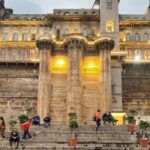


Sarnath: where the first sermon tradition becomes real
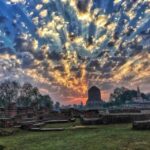
Sarnath is the anchor stop, and it’s where the emotional pull of the trip clicks for a lot of people. You’re visiting the Birth Place of Buddhism in the way this tour frames it—connected to the tradition that the Buddha delivered his very first sermon there in 528 BC. Even if you’ve read about Buddhism before, seeing the site with a guide’s explanation makes it easier to connect words to place.
You’ll also get a museum stop as part of the general Sarnath area feel, and that matters. Temples are powerful, but museums help you understand what you’re looking at and why certain things were important. In Sarnath, the setting can feel park-like, which helps your brain unclench after the sensory overload of Varanasi.
One more reason this stop is worth doing with a guide: Sarnath isn’t just a single object. It’s a cluster of meaningful locations that together tell the story of early teaching, early communities, and later royal support. A good guide will help you connect the dots as you walk from one monument to the next, instead of treating each building like a random postcard.
Photo note: don’t rush your angles. Your guide is likely to tell you to slow down for pictures and observation, which is exactly what you want here. With the sun and stone textures, the best shots usually come after you’ve looked longer than you think you should.
Ashoka Pillar: Mauryan power written in stone
Next comes the Ashoka Pillar. This isn’t just a tall column to admire from a distance. It’s tied to the Mauryan Emperor Ashoka and to the idea that rulers used inscriptions and public messages to shape religion and society in the 3rd century BCE.
Your guide will explain what you’re seeing: pillars dispersed across the Indian subcontinent, erected or at least inscribed with edicts by Ashoka during his reign. That’s a big deal, because it gives you a different lens on Buddhist monuments. It shows that Buddhism didn’t grow in a vacuum. It had patrons, politics, and public communication—plus a long afterlife in the monuments they left behind.
This stop also helps you understand something subtle about Sarnath. A lot of the most famous Buddhist sites in India have layers—religious meaning plus evidence of historical support. The Ashoka Pillar is one of the clearest ways to see that layer while you’re still on your feet and looking directly at a tangible artifact.
If you like history that’s readable, this is a strong moment. If inscriptions are hard to decipher for you, don’t stress. The real value is in the explanation: why Ashoka’s edicts matter and how they connect to what later visitors come to see.
Chaukhandi, Dhamek, Dharmarajika: the stupa lineup that tells a story
After Ashoka’s pillar, the tour shifts into the stupa world—the classic Buddhist monuments that often look similar at first glance until you learn what each one marks.
You’ll stop at the Chaukhandi Stupa, described as one of the most divine and important monuments of Buddhist culture. You’ll also see the stupa lineup that Sarnath is known for, including Dhamek Stupa and Dharmarajika Stupa, both linked in the tour’s framing to Ashoka in the 3rd century BCE.
Here’s why these stops work so well together:
- Dhamek Stupa is presented as marking the spot where the Buddha preached his first message. It’s the kind of location that feels important the moment you’re there, and a guide helps you understand why tradition places meaning here.
- Dharmarajika Stupa is described as being built over relics of the Buddha by Ashoka. Relics are a key concept in many Buddhist cultures, so this stop connects doctrine to physical remembrance.
Chaukhandi adds another layer through its status as a major, revered monument in Buddhist culture. Even without a big lecture, the guide’s guidance will help you read the symbolism and understand why these particular structures became focal points.
A small caution: stupas can be crowded during peak travel times, depending on your visit day and time. If you want clean photos, start with patience and let your guide position you where the light and sightlines are best. This is one of those places where your photos improve when you slow down, not when you sprint.
Your guide and transport: private, licensed, and easy to manage
The tour includes a private AC car for hotel pickup and drop-off, which is a real quality-of-life upgrade in Varanasi. It also keeps your time more predictable, which matters when you only have half a day to spend.
You’ll also have a professional private guide licensed by the Ministry of Tourism, Government of India. That’s worth caring about. In places like Sarnath, you don’t just want someone who points. You want someone who can translate meaning into something you can actually follow as you walk between monuments.
The review-style details you can expect from guides in this program are practical: they explain clearly, they’re kind, and they’ll help you adjust when someone needs extra care. For example, one guide (Sunny) helped arrange a wheelchair for a mother so the group could cover the monuments. That doesn’t mean it’s guaranteed on every trip, but it does tell you the guides are thinking about real needs, not just the script.
Small-group feel is another plus. This is private for your group, with a maximum of 10 people per booking. That usually means less waiting, more attention, and better chances to ask questions without feeling like you’re in a crowded bus tour.
If you’re traveling as a couple, a family, or with seniors, this setup is one of the better ways to do Sarnath without stress. You get structure, comfort, and someone who can connect the dots.



Price and value: what $48 includes (and why it can be a fair deal)
At $48 per person, this isn’t the cheapest option in Varanasi. But the cost becomes easier to justify when you look at what’s included.
Your price covers:
- a private AC car for pickup and drop-off
- a professional licensed guide
- Sarnath entrance tickets
That combo is where the value lives. If you try to DIY it, you’ll likely spend time coordinating transport, then pay for a guide separately, and still handle ticketing on-site. Here, the essentials are bundled, and the result is a smoother half-day.
Two details could affect your personal value calculation. First, there’s a minimum of 2 people per booking. If you’re solo, this may not be an option unless you can join with another party or travel with a companion. Second, the schedule is about 3 to 4 hours. If you’d rather spend all day at Sarnath, you might feel you’re moving too quickly. But if you want the big meaning in a short window, the price-to-time ratio can feel right.
One more practical note: tours like this are booked fairly in advance on average (about 13 days). If Sarnath is a “must-do” for your trip, it’s smart to reserve early rather than assuming you’ll find an open slot later.
Practical tips for a smooth Sarnath visit
A few things will make your half-day go better without adding much effort:
- Wear comfortable shoes. Stupa areas involve uneven ground and some walking between points.
- Bring sun protection. The tour is daytime (9:00 AM to 3:00 PM), and you’ll be outside for most of it.
- Plan for water and a snack. Food and drinks aren’t included, and tips aren’t included.
- Use the mobile ticket. If your phone is your whole travel system, this is handy.
- Tell the guide your pace needs early. The tour mentions moderate physical fitness, and guides have shown they can help with mobility needs when asked.
Also, be respectful with temple-site behavior. Dress in a way that won’t force you to constantly adjust and redirect attention. You’ll get more out of the visit when you’re not fussing with clothing, bags, or uncomfortable footwear.
Finally, keep your expectations aligned with the format: this is a focused half-day that highlights key sites. It’s not a long, slow research journey. Treat it as a smart first stop for understanding Sarnath.
Who should book this Sarnath tour from Varanasi
This tour is a great match if you:
- love religion and history, and want them explained in plain language
- want a family-friendly half-day without the hassle of planning transport and entry
- are making Varanasi a base and want one meaningful outing outside the city
- care about early Buddhist traditions and want to connect “teachings” to specific places
It’s also ideal for travelers who don’t want to spend their day negotiating with multiple people. The private AC car plus guided flow means you can focus on the actual sites: Sarnath, Ashoka Pillar, Chaukhandi Stupa, Dhamek Stupa, and Dharmarajika Stupa.
If you’re the type who loves wandering for hours on your own, you might want extra time to roam beyond the core monuments. But if your goal is to see the essentials with context, this is a strong choice.
Should you book this Sarnath tour, or DIY it?
Book it if you want the quickest path to understanding. The biggest reason is the guide-led explanation paired with entrance tickets and private transport in about 3 to 4 hours. For many people, that’s the difference between seeing buildings and actually grasping why they matter.
Skip it if you want a very long, slow visit, or if your schedule can’t fit the daytime operating window. Also, if you’re extremely sensitive to walking, you’ll want to plan carefully and consider discussing mobility needs with the provider in advance.
If you’re on the fence, here’s my simple decision rule: if you’ll struggle to connect the story of Buddhism, Ashoka, and these stupas on your own, book the guided version. It turns a short outing into something you’ll remember.
FAQ
How long is the Sarnath Tour from Varanasi?
The tour lasts about 3 to 4 hours.
What does the tour cost?
The price is $48.00 per person.
Do I get hotel pickup and drop-off?
Yes. The tour includes private AC car pickup from your hotel and drop-off back to your hotel.
Are entrance tickets included?
Yes. Sarnath entrance tickets are included, and specific stops in the route list tickets as included or free.
What is not included in the tour price?
Food and drinks are not included, and tips are not included.
Is this tour private, and how large is the group?
It’s private for your group only. There is a maximum of 10 people per booking, and a minimum of 2 people required per booking.
What are the opening hours?
The tour runs Monday to Sunday from 9:00 AM to 3:00 PM.
Is the tour suitable for people with limited mobility?
The tour suggests a moderate physical fitness level. If you have mobility needs, you should plan accordingly.
What is the cancellation policy?
Free cancellation is available. You can cancel up to 24 hours in advance for a full refund. If you cancel less than 24 hours before the start time, the amount paid is not refunded.