REVIEW · VARANASI
Private tour of Varanasi with official tour guide
Book on Viator →Operated by Vimal Pathak · Bookable on Viator
Ganga nights hit different. This private Varanasi plan is built around two big moments: an evening Ganga Aarti at the river ghats and a sunrise boat ride on the Ganges, plus a heritage walk through the city’s older lanes. It’s the kind of schedule that makes the city feel like more than a list of temples.
What I like most is the way you get context, not just sights. With an official guide such as Vimal Pathak, you’ll hear clear explanations about daily worship, local customs, and why places matter. I also like that the sunrise boat is timed for atmosphere, when you can see the river’s contradictions—life and death side by side—while still getting the calmer morning light.
One thing to weigh: there’s no private transportation included, and you’ll do early starts plus standing and walking in older, narrow streets. Also, in monsoon season, boat rides can be officially prohibited if the Ganges floods.
In This Review
- Key highlights to pay attention to
- Varanasi in two days: why this schedule works
- Dasaswamedh Ghat Ganga Aarti: what the evening ritual really feels like
- Practical note for the Aarti night
- Official guide + caring planning: the people side of the tour
- Sunrise boat on the Ganges: seeing life and death from the water
- Monsoon warning you should not ignore
- Walking the oldest streets: the Kashi Vishwanath area at human speed
- After breakfast: Sarnath and silk weaving for a more complete Varanasi
- Price and value: what you get for $55 per person
- Timing, comfort, and who this tour suits best
- Should you book this Varanasi private tour?
- FAQ
- How long is the Varanasi private tour?
- What time does the tour start?
- Is the tour private or shared with other groups?
- Do they offer pickup?
- What are the main experiences included?
- Are monument entrance tickets included?
- Does the tour include a boat ride in all seasons?
- Is there a mobile ticket?
- What fitness level do I need?
Key highlights to pay attention to
- Official guide who explains the why, not only the what, with English support you can ask questions with
- Ganga Aarti at Dasaswamedh Ghat in the evening, timed for a proper view of the ritual
- Sunrise Ganges boat ride that shows daily life along with cremation activity from the water
- Oldest lanes + Kashi Vishwanath Temple outside views, so you move at a human pace
- Sarnath and a silk weaving stop, adding culture and craft to the spirituality
Varanasi in two days: why this schedule works
Varanasi is intense. It’s loud in the right ways, spiritual in the real ways, and often too much if you try to do it yourself on a tight clock. This tour’s rhythm helps: you start at 4:30 pm, then you hit the main river ritual at night, sleep, and follow up with a sunrise boat before the day turns into full-on city heat.
Because it’s private, your pace is yours. You’re not stuck waiting for a big bus group to decide what to photograph. You also get an “ask anything” style of touring, which matters in Varanasi, where the meaning behind things can get lost if you’re just looking at buildings.
The “value” here is not only the boat and the big-name ghats. It’s the guide-led framing—what you’re seeing, why it’s done, and what to watch for as the evening and morning shift around you.
You can also read our reviews of more guided tours in Varanasi


Dasaswamedh Ghat Ganga Aarti: what the evening ritual really feels like
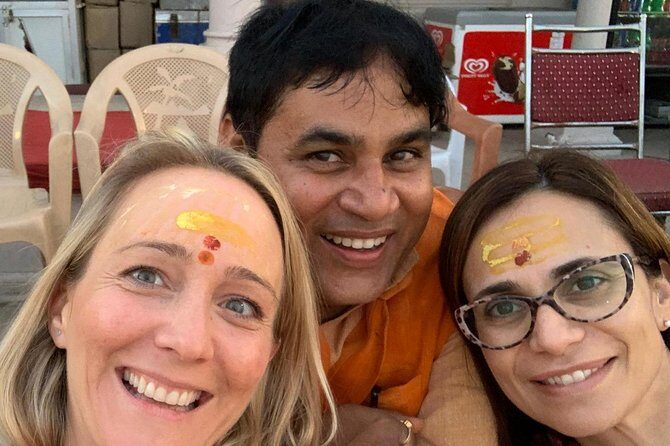
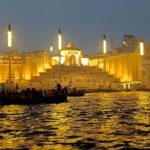
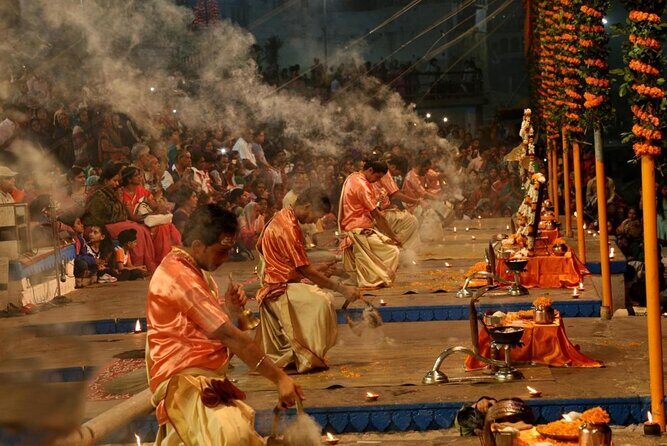
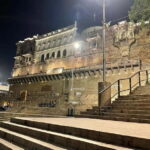
The standout first act is the evening ceremony at Dasaswamedh Ghat—a daily worship event that thanks the Ganges for its divine character. Even if you’ve seen photos, the atmosphere is different once you’re close enough to feel the scale of the riverfront and watch the rhythm of the ritual unfold.
Aarti here is not a random show. It’s part of a living tradition, organized each day near the water. Your guide’s job is to help you read what you’re seeing: the order of the ceremony, the symbolism, and how locals treat the river with a mix of reverence and everyday familiarity. That context can turn the experience from dramatic spectacle into something you understand.
One detail that can make a real difference: the tour is set up so you get good seating/viewing options for the ceremony. In a place where sightlines can be tricky, that saves time and frustration and helps you focus on the ritual instead of craning your neck.
Practical note for the Aarti night
Plan for a lot of standing and attention. The ghats bring crowds, movement, and a lot of activity at water level. This tour is marked as walkable and suitable for moderate physical fitness, but you’ll want to be comfortable staying on your feet for parts of the ceremony.
Official guide + caring planning: the people side of the tour
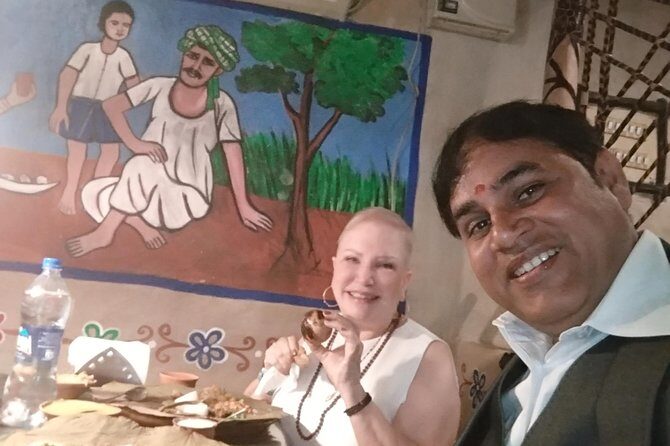
This experience is explicitly built around an official tour guide, and the guides listed through this provider have a clear pattern in the way they operate. People highlighted planning that feels organized end to end, plus explanations in straightforward English.
You may also see variations in the team depending on your group. For example, some groups report having Vimal Pathak as the main guide, while others mention a tour manager role like Arvind, and a specialist guide such as Prakash Dwivedi, who is described as having a Masters in Indian History from BHU. There are also mentions of someone like Irfan helping with the tour around the city.
Why this matters: Varanasi can be confusing fast if you’re trying to follow your own instincts. When your guide is practiced at pacing, clarifying, and handling questions, you get more out of fewer stops. And if you’re traveling with older relatives, the planning focus becomes even more valuable.
Also worth knowing: pickup is offered, and some guests report being collected from the airport and taken to the hotel before the evening program begins. Even though the tour description doesn’t promise every last detail of that handoff, it signals that the provider thinks about “getting you where you need to be” instead of just meeting you somewhere vague.
Sunrise boat on the Ganges: seeing life and death from the water
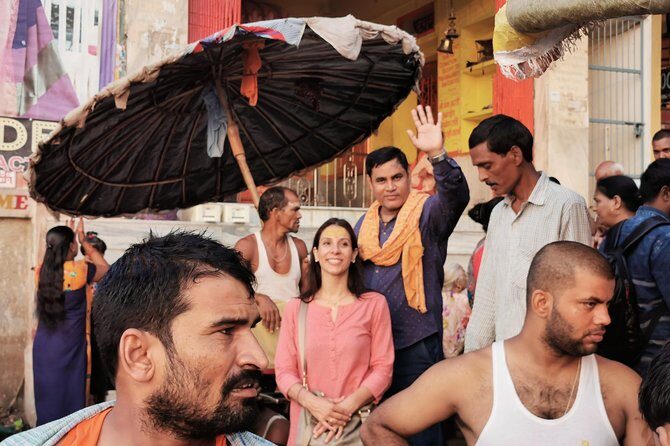
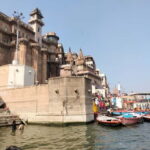
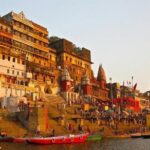
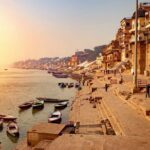
The second-day headline is a morning boat ride on the Ganges, timed early—before sunrise—and continuing until after sunrise. It’s about an hour on the water, and it’s one of the most powerful ways to understand Varanasi’s river culture because you’re not watching from the bank.
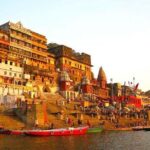
What you’re likely to notice is the closeness of river life and the stark reality of cremation practices along the ghats. The boat ride includes views of two crematoriums, and the timing helps you see how people handle daily existence and end-of-life rituals in the same river space. It’s not a comfortable “horror movie” scene—it’s daily life, conducted with tradition and routine.
If you’re sensitive to heavy themes, this is the moment to think about your comfort level. The tour is still worth it for many people because it’s not sensationalized. With a guide, you can ask what’s happening and why, rather than guessing or skipping the boat entirely.
You can also read our reviews of more private tours in Varanasi

Monsoon warning you should not ignore
The tour information includes an important constraint: in monsoon season, the Ganges can flood badly, and in those cases official boat rides are prohibited, so boat tours can’t be made. If you’re traveling during monsoon months, build flexibility into your expectations for Day 2 and treat the boat as conditional.
Walking the oldest streets: the Kashi Vishwanath area at human speed
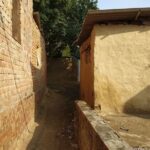
After the boat ride, you’ll transition to a small walk into the oldest part of Varanasi, known for its narrow streets. This is where the city stops feeling like a museum and starts feeling like a living neighborhood.
Your guide’s help is useful here, because it’s easy to get turned around in tight lanes unless someone is steering you. You’re not rushing through; you’re moving far enough to grasp the scale and character of the area without feeling like you’re sprinting between photo stops.
Then you’ll stop by Kashi Vishwanath Temple, often called the Golden Temple. The tour highlights seeing the temple from the outside, which keeps expectations realistic. You’ll still get the visual impact of the site and its role in the city, but it’s framed as part of the broader heritage walk rather than a deep-entry temple marathon.
One plus of doing this after sunrise: the streets feel calmer, and your eyes adjust from river motion to street detail.
After breakfast: Sarnath and silk weaving for a more complete Varanasi
Many Varanasi tours stop at ghats and temples. This one adds variety with Sarnath and a silk weaving center.
Sarnath is a strong contrast to the riverfront. It shifts you away from water-focused rituals and toward a place tied to broader spiritual traditions. You get time to see it as its own destination, not just a quick drive-by.
Then there’s the silk weaving stop. Even if you’re not a textiles person, craft centers can be a relief after intense spiritual sightseeing. You get to watch how something practical gets made and passed along—an everyday layer that helps Varanasi feel less like a postcard and more like a place where people work, trade, and create.
This pairing is smart: the tour uses spirituality first, then balances it with the city’s cultural economy.
Price and value: what you get for $55 per person
At $55 per person for about two days, the value comes from the mix of guided time and high-cost logistics items. You’re paying for:
- an official guide over two days
- an evening Ganga Aarti experience
- a sunrise boat ride (which is usually one of the pricier add-ons in Varanasi)
- pickup offered and group discounts depending on your booking setup
- a mobile ticket
- the itinerary structure that limits wasted time
What’s not included matters too:
- private transportation is not provided (the tour notes that private transport can be arranged on request)
- entrance tickets of monuments and tipping are not included
The practical question is: will you be paying extra to fill gaps? If you need private transfers, factor that in. If you’re comfortable using local options to get around and just want the guide + key experiences handled, this price looks more convincing.
Also, the tour’s major stop types list free admission tickets for the highlighted points. That helps you keep costs predictable, even though monument entrance fees may still apply depending on what you choose to enter.
Timing, comfort, and who this tour suits best
This tour’s timing is a big part of why it feels effective. It starts at 4:30 pm, which gets you into the evening river world without losing the whole day. Day 2 starts early, because sunrise boat rides only make sense before the city gets loud.
In terms of comfort, the tour is marked for moderate physical fitness and is walkable. That likely means you’ll handle walking and standing, but you’re not expected to tackle long hikes or extreme stairs. Still, remember Varanasi’s streets can be uneven and narrow, especially around the oldest lanes.
This is a great fit if you:
- want a private guide and a calmer pace
- are interested in Ganga Aarti and understanding what it means
- want the river experience at sunrise, not midday
- also want Sarnath and a craft stop, so the trip feels rounded
It may be less ideal if you:
- cannot manage early mornings
- have strong discomfort with scenes tied to cremation activity (the boat ride includes views of crematoriums)
- are traveling in monsoon season and need a guarantee of the boat (because flooding can stop it officially)
Should you book this Varanasi private tour?
I’d book it if you want Varanasi with structure: two days, two river-centered experiences, and a guide who helps you understand what you’re seeing. The guide factor is the deciding one. In places like Varanasi, a good guide turns “busy sights” into meaning you can actually carry home.
If you’re price-sensitive, the $55 level looks reasonable because it bundles the high-impact items (especially the sunrise boat) rather than only offering a walking tour. Just confirm whether you’ll need any extra transport, since private transportation is not included.
If you’re traveling during monsoon, treat the boat ride as conditional and be ready to pivot.
FAQ
How long is the Varanasi private tour?
It runs for about 2 days (approx.).
What time does the tour start?
The start time is 4:30 pm.
Is the tour private or shared with other groups?
It’s a private tour/activity, so only your group participates.
Do they offer pickup?
Yes, pickup is offered. Private transportation is not provided as part of the tour, but transport (private) can be arranged on request.
What are the main experiences included?
You’ll have an evening Ganga Aarti at Dasaswamedh Ghat and a morning sunrise boat ride on the Ganges, plus a heritage walk in the oldest part of Varanasi, a stop at Kashi Vishwanath Temple outside, Sarnath, and a silk weaving center.
Are monument entrance tickets included?
Entrance tickets of monuments are not included. Admission tickets for the listed stops are marked as free, but monument entry fees can still apply.
Does the tour include a boat ride in all seasons?
In monsoon, the Ganges can flood, and if that happens officially boat rides are prohibited, so boat tours cannot be made.
Is there a mobile ticket?
Yes, the tour offers a mobile ticket.
What fitness level do I need?
A moderate physical fitness level is recommended. The tour is walkable.