REVIEW · VARANASI
The Ultimate 1 Day in Varanasi – How to Spend 13 Hours
Book on GetYourGuide →Operated by Yattri Tour Operator In India · Bookable on GetYourGuide
The Ganges does the talking here. This 13-hour, English-guided day in Varanasi strings together a sunrise boat ride plus the evening Ganga Aarti so you see the city’s sacred rhythm from water level and from the ghats. Two things I really like: the way the stops connect (river, cremation ghat, temples, then Sarnath) and the focus on guided meaning, not just photos. One drawback to plan for: you’ll climb about 30 steps to reach the ghats, and there’s no elevator.
The pace is full-day, but it doesn’t feel like you’re being dumped at random sites. You get a hotel pickup, a private-group format, and a local guide (many past guests name guides like Sunny and Ballu) who helps you understand what you’re seeing while the city hums around you. If morning mist affects the boat schedule, the guide may adjust with a calmer alternative, so the day doesn’t fall apart.
In This Review
- Key things worth knowing before you go
- Sunrise boat ride on the Ganges: the best first move
- Manikarnika Ghat: what you’re seeing and why it matters
- Kashi Vishwanath Temple and the Kashi corridor: big meaning, tight checks
- Breakfast and the city story: temples, mosques, and BHU
- Sarnath day: Buddha’s first sermon origin and Ashoka monuments
- Sarnath Museum and the Lion Capital of Ashoka
- Evening Ganga Aarti at Dashashwamedh Ghat: the climax
- How the transport and private-group format helps (and what to watch)
- Price and value: is $65 a good deal for 13 hours?
- What to pack and how to handle the steps
- Who this tour suits best
- Should you book this 1-day Varanasi plan?
- FAQ
- How long is the Varanasi tour?
- Where does the tour start and do you get hotel pickup?
- Is the morning boat ride included?
- What do I need to bring for Kashi Vishwanath Temple?
- Is Sarnath admission included?
- Is this tour wheelchair accessible?
Key things worth knowing before you go
- Sunrise on the Ganges first: You start with the river at its most atmospheric, then build the rest of the day around what you notice from the water
- Manikarnika Ghat walk has weight: You’ll learn why this ghat is known for cremations and what the site means in Hindu tradition
- Kashi Vishwanath Temple entry needs a passport copy: You’ll show a copy for police checks before entering
- Temple-and-city circuit after breakfast: Bharat Mata, Sankat Mochan (Hanuman), Manas Mandir, and BHU give you more than just one neighborhood
- Sarnath adds the Buddha connection: First sermon origins, Ashoka-era monuments, deer and birds at the park area, plus the Lion Capital in the museum
- Evening Aarti at Dashashwamedh Ghat: Oil lamps, flowers, and ritual energy at the key ceremony location
Sunrise boat ride on the Ganges: the best first move
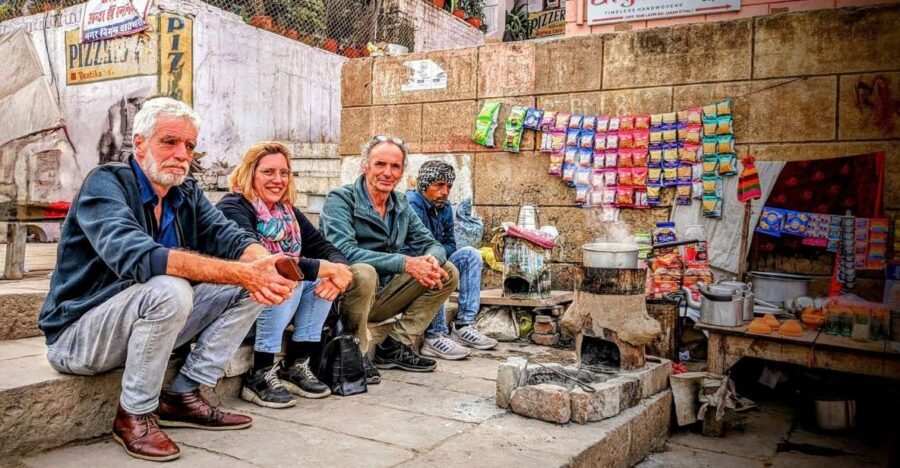
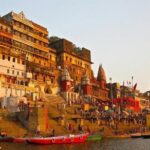
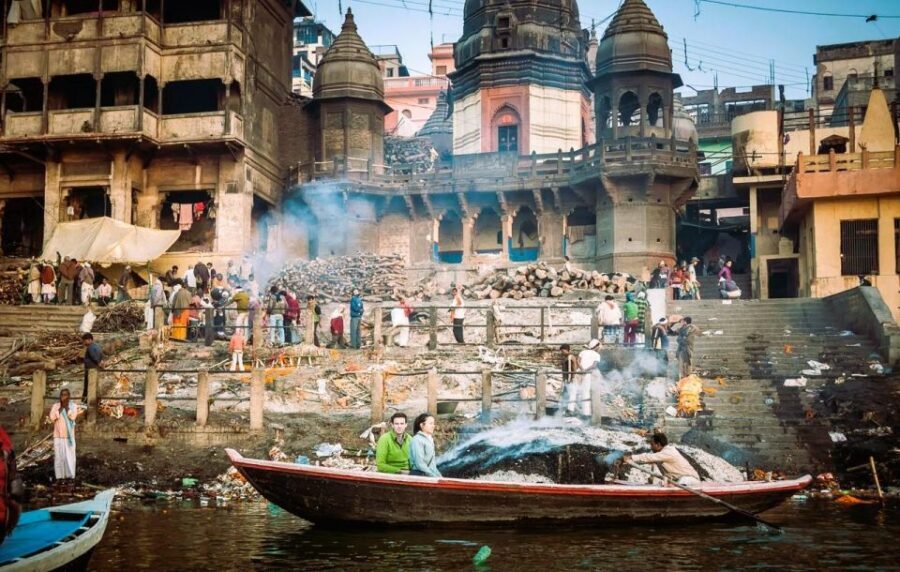
If you’re trying to understand Varanasi quickly, start with the river. The morning boat ride is timed for sunrise, and it sets the tone before you’re absorbed by temples and lanes. From the water, you see daily devotion in motion: people offering water to the Sun God and devotees taking a holy dip in the Ganges.
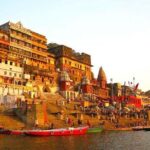
You’ll also get a “ghat tour” by boat, so instead of walking every stretch, you get an overview. The boat ride drops you at Manikarnika Ghat, which is smart because it transitions you from broad river life into one of the most important (and most sensitive) places in the city.
Two practical notes make this part smoother:
- Bring patience for crowds. Even at dawn, ghats draw people fast.
- Dress for sun and mist. Early mornings can feel cool, then warm up quickly.
You can also read our reviews of more tours and experiences in Varanasi


Manikarnika Ghat: what you’re seeing and why it matters
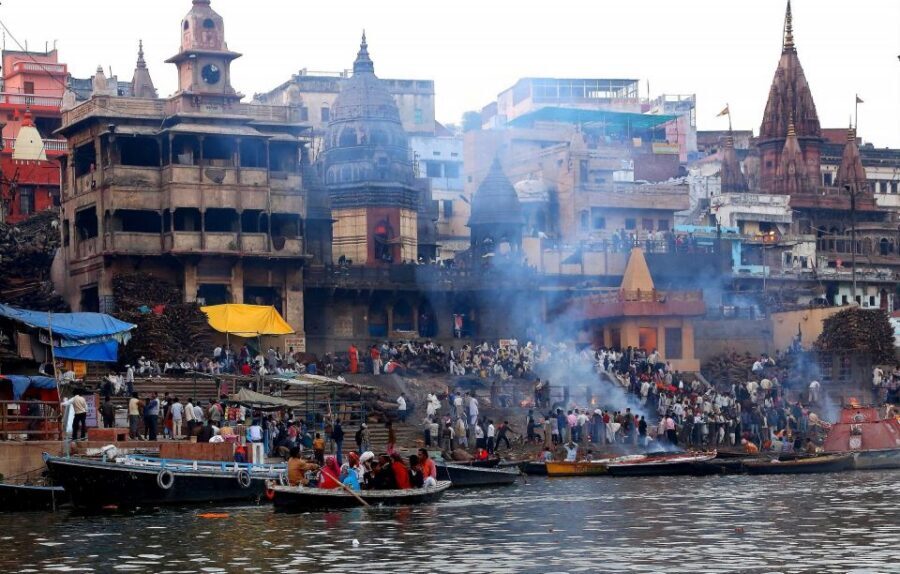
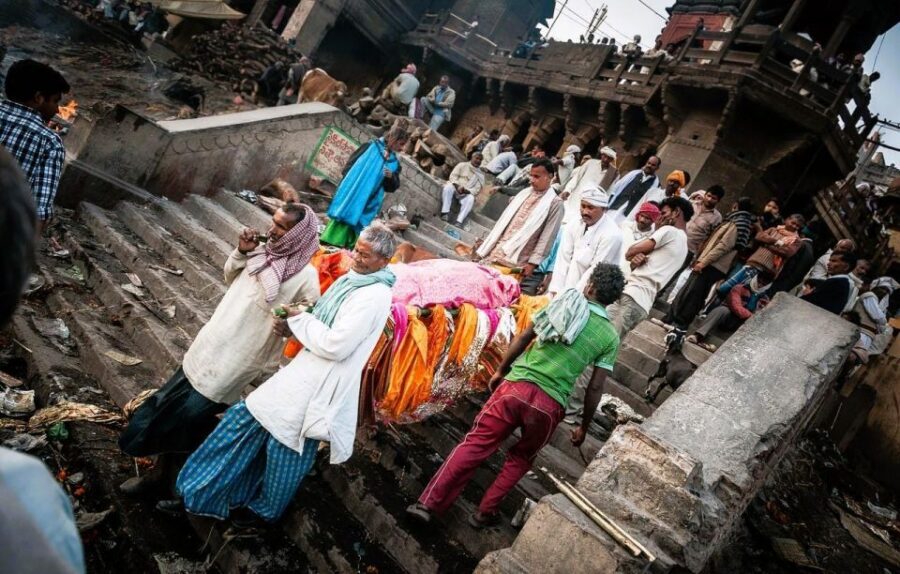
After the boat ride, you step into Manikarnika Ghat with a guided explanation and time to walk through the area. This ghat is famous because cremation takes place here. That’s not just trivia. The rituals, the layout, and the constant flow of families explain a huge part of why Varanasi is such a spiritual magnet.
As you walk, you’ll also notice details that turn the place from a landmark into a living world:
- ancient buildings and temple architecture nearby
- the feel of traditional houses and local heritage along the lanes
- cultural practices you may not catch if you only rush past with a guide pointing at signs
You should go with a respectful mindset. This is not a sightseeing stop like a museum. It’s a working religious site. If you prefer distance, ask your guide how much time makes you comfortable; a good guide will help you pace it.
One logistics heads-up: you’ll be climbing steps to reach the ghats, and there’s no elevator. So wear grippy shoes, and plan for a slower rhythm on this section.
Kashi Vishwanath Temple and the Kashi corridor: big meaning, tight checks
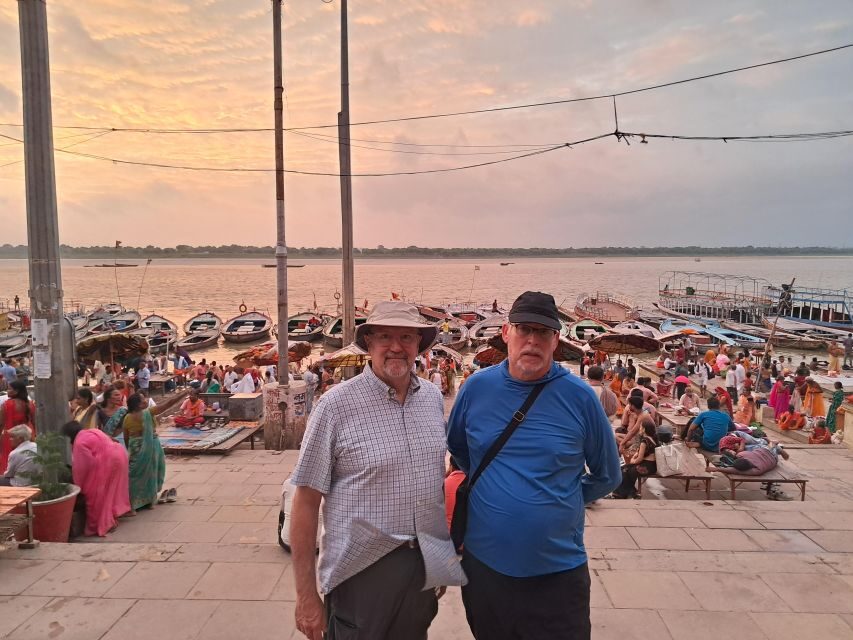
Next comes a walk through the Kashi Vishwanath corridor, which eventually leads you to the Kashi Vishwanath Temple—often called the Golden Temple. The corridor walk is part of the experience because it gives you time to absorb the temple’s scale and the way the city funnels pilgrims toward it.
The key practical point here is entry. You’ll need to carry a passport copy because the same will be required to show to police while entering inside. It’s easy to forget if your passport is in your hotel safe, so pack a photocopy (or a printed copy in your day bag) the night before.
Why I like this stop for value: it’s not just one building. The corridor walk, guided context, and the temple visit together explain the “why” behind the worship. You come away understanding why people treat Kashi as more than a travel stop.
Breakfast and the city story: temples, mosques, and BHU
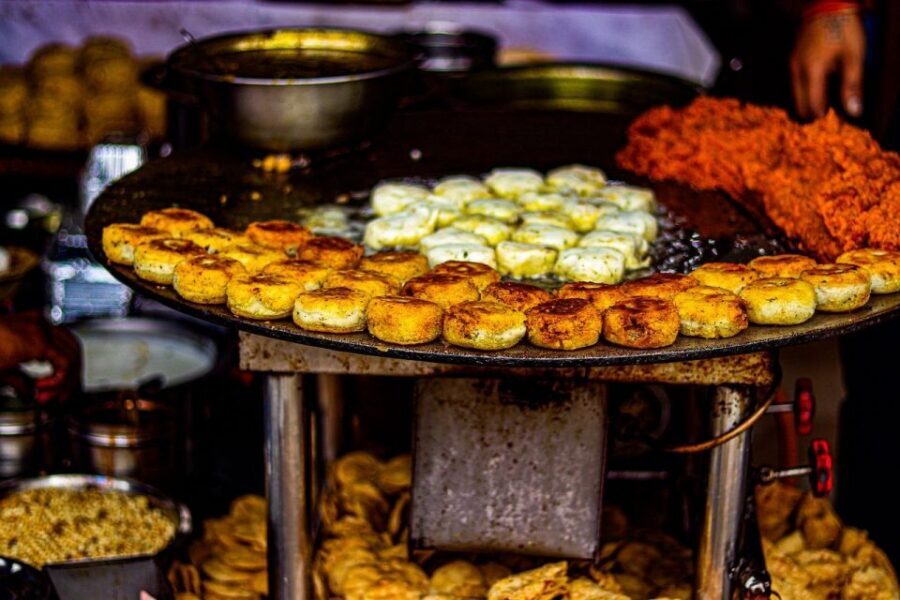
After you settle back for breakfast, the tour shifts from the ghats toward a “city tour” circuit. This part works well if you want to see Varanasi beyond riverfront postcard angles.
Expect stops that connect different layers of faith and culture:
- Bharat Mata temple
- Sankat Mochan (Hanuman)
- Manas Mandir
- Banaras Hindu University (BHU)
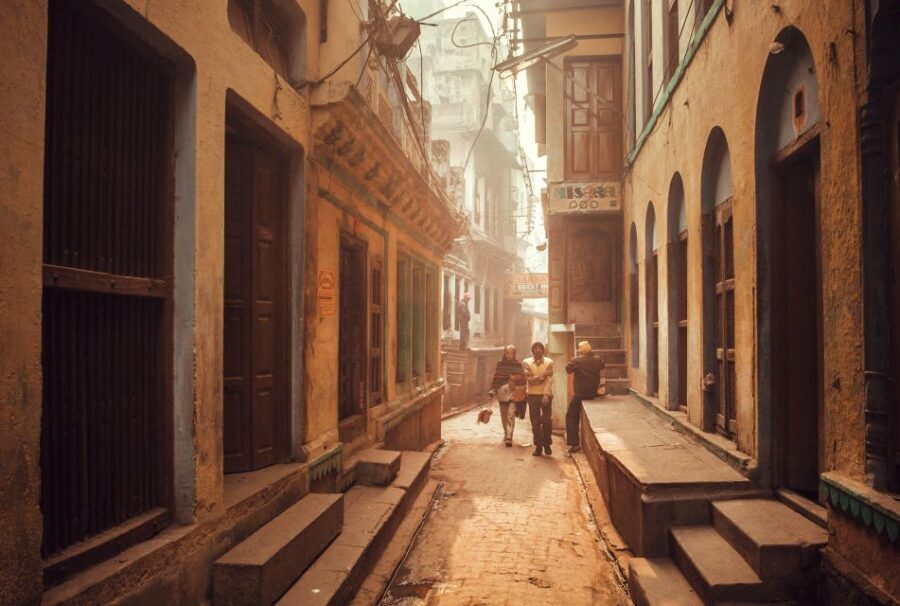
BHU is a highlight because it adds a modern anchor to the old-city atmosphere. You can also expect walking through narrow lanes where you’ll see a mix of religious architecture, including ancient mosques. The result is a more complete picture of the city’s identity: not only ritual on the river, but daily life and learning woven into the same geography.
This is also where your guide makes a real difference. In past experiences described by guests, guides like Sunny and Ballu are praised for translating what you’re seeing into clear stories, from temple symbolism to local legends you’d otherwise miss.
Sarnath day: Buddha’s first sermon origin and Ashoka monuments
Sarnath is about 13 km from Varanasi, and the visit adds a second spiritual storyline to your day. Here’s the core reason it matters: it’s the place where Buddha preached his first sermon to his five apostles. That’s where Buddhism’s public start is tied in.
You’ll also learn how Emperor Ashoka supported Buddhism by creating stupas and monuments to spread the faith. This means your time in Sarnath isn’t only about one moment—it’s about the follow-on impact that left physical traces.
Keep an eye out for the park-style atmosphere too. Sarnath has animals and birds that attract attention, especially in the deer park area.





Sarnath Museum and the Lion Capital of Ashoka
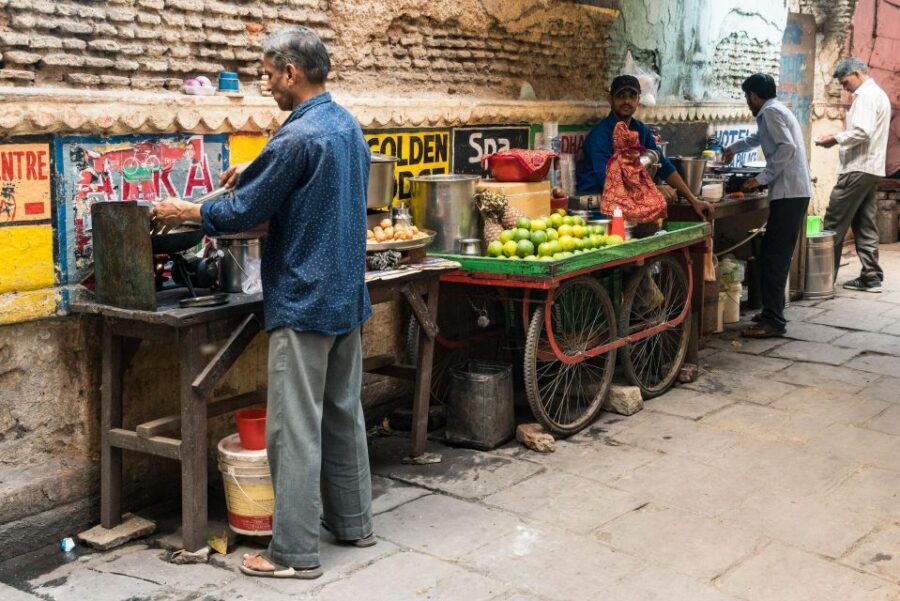
The Sarnath Museum is short but meaningful. It’s one of the best ways to make the religious sites feel less abstract. Inside, you’ll find remaining monasteries and a polished display of the Lion Capital of Ashoka.
If you like history but don’t want to get stuck reading a wall of facts, the museum helps you connect the dots. You see an object tied to Ashoka-era influence, then you return to the monuments and temples with a clearer sense of timeline.
This is also where the day becomes more balanced. After intense ghats and temple corridors, museum time lets you slow down and reset.
Evening Ganga Aarti at Dashashwamedh Ghat: the climax
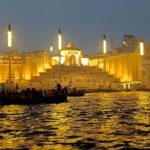
For many people, the evening is the reason they chose a 1-day plan. The Ganga Aarti at Dashashwamedh Ghat starts at 4:00 p.m., and people from around the world gather for it.
At Dashashwamedh Ghat, the ceremony is carried out by a group of young clergymen in silky saffron and white robes. Each one takes a specific spot along the ghats and begins rituals by offering flowers to the Ganga. The ritual includes many oil lamps, which means you’re watching light and movement across water.
Here’s the practical benefit of doing this with a guide: you arrive knowing where the ceremony happens and how to follow what’s going on without feeling lost in the crowd. It’s not about “finding the perfect view” only. It’s about understanding the sequence enough to feel connected to it.
How the transport and private-group format helps (and what to watch)
This tour uses an AC sedan vehicle with parking arranged for the route. It’s a good match for a full-day program because it saves you from negotiating traffic and distances in Varanasi, especially when you’re moving between river sites and Sarnath.
It’s also listed as a private group, which usually means you can adjust timing a bit—staying longer somewhere important, or moving on when you’ve had enough. Past guests also highlight the smooth, relaxed feel of the day and mention drivers like Sonu for safe driving and careful parking.
A fair caution: even with a great guide, some stops can include sales pressure (especially around shops connected to handicrafts or silk). If you’re not shopping, be polite but firm, and stick to your budget.
Price and value: is $65 a good deal for 13 hours?
At about $65 per person for 13 hours, the value comes from what’s included:
- hotel pickup and AC private transport
- a morning boat ride
- an English-speaking guide
- Sarnath entrance fee
- mineral water
- guided site visits across multiple major areas
The big value question is whether you could piece it together yourself safely and sensibly. In Varanasi, getting the timing right is half the battle. Starting with sunrise on the river and landing at Manikarnika Ghat in time for a guided walk is hard to recreate without local help.
Where you’ll spend extra is personal spending: snacks beyond what’s built into the day, tips/gratuities, and any purchases at markets or craft stops. Plan for that and the headline price feels like a solid way to buy organization and local interpretation.
What to pack and how to handle the steps
Before you go, plan around walking and stairs. You’ll climb around 30 steps to reach the ghats, and there’s no elevator. Wheelchair accessibility is listed, but the lack of an elevator at the ghats still matters. If stairs are a problem, tell your operator in advance and ask how they handle ghats access for your specific needs.
For your day bag:
- a printed passport copy for the Kashi Vishwanath Temple police check
- water (you get mineral water, but carry a little extra if you run hot)
- shoes that grip well for uneven steps
- modest clothing that lets you move comfortably for temples and ceremonies
Who this tour suits best
This is ideal if you want one organized day that covers the core Varanasi spiritual circuit without turning your trip into logistics.
You’ll be especially happy if:
- you like sunrise experiences and river life
- you want guided context for Hindu sites and the Buddha connection at Sarnath
- you can handle some walking and stairs
- you appreciate seeing how rituals connect to everyday devotion
You might want a different plan if you:
- can’t handle stairs at all (no elevator to the ghats)
- get uncomfortable with cremation-site proximity (Manikarnika Ghat is a sensitive place)
- prefer a slow, low-schedule day rather than a full program from morning to evening
Should you book this 1-day Varanasi plan?
I think it’s a smart booking if you have limited time and you care about understanding what you’re seeing. The pairing of sunrise boat ride plus the evening Ganga Aarti gives you two different angles on the city’s spiritual core. Add the guided corridor walk to Kashi Vishwanath Temple and a real Sarnath stop, and you get more “Kashi meaning” than most half-day plans.
Book it if your priority is depth with convenience. Skip it if your priority is a laid-back pace or if steps and sensitive sites like Manikarnika Ghat don’t work for you.
FAQ
How long is the Varanasi tour?
The total duration is 13 hours.
Where does the tour start and do you get hotel pickup?
The pickup is from Varanasi, and pickup is included. You should wait in the hotel lobby about 10 minutes before your scheduled pickup time.
Is the morning boat ride included?
Yes, the morning boat ride in Varanasi is included.
What do I need to bring for Kashi Vishwanath Temple?
Carry a passport copy, because it will be required to show to police when entering inside the temple.
Is Sarnath admission included?
Yes, the Sarnath entrance fee is included.
Is this tour wheelchair accessible?
Wheelchair accessibility is listed, but you will climb 30 steps to reach the ghats and there is no elevator.