REVIEW · UDAIPUR
Durga Cooking Class
Book on Viator →Operated by Durga Cooking Class · Bookable on Viator
Cooking in a local home changes the day.
The Durga Cooking Class in the heart of Udaipur is a real, hands-on Rajasthan home-cooking session, not a demo you watch from the side. I especially like the small-group attention, and I also like that you can tailor the menu with vegetarian or non-vegetarian dishes (plus vegan options). One thing to plan for: the class can run a bit longer than expected, so keep your evening flexible.
You meet Durga’s family at Black Pepper 339 (Panduwari, Gadiya Devra Marg, near Hotel Gangaur Palace), then settle into their kitchen rhythm. Durga teaches, her husband Mukesh often helps with additional dishes, and their daughter Mitali is a warm host who may help you connect the cooking to what you’ll notice around Udaipur.
In This Review
- Key highlights you’ll feel right away
- Durga’s Udaipur Home Kitchen: What Makes This Class Feel Real
- Choosing Your Menu: Veg, Non-Veg, or Vegan in Rajasthan Style
- The 3-Hour Flow From Chopping to Chapati
- Tastings and Rooftop Dinner: The Part You Actually Remember
- Small Group Size Means Actual Help (Not Just Watching)
- What You Learn You Can Recreate at Home
- Price in Perspective: Why This Costs About the Price of a Meal
- Logistics That Matter: Meeting Point, Timing, and What to Expect
- Who Should Book (and Who Might Skip)
- Should You Book the Durga Cooking Class?
- FAQ
- What is the Durga Cooking Class duration?
- Where does the class take place?
- What is the price per person?
- Are vegetarian, non-vegetarian, and vegan options available?
- What will I cook and eat during the class?
- Are ingredients and utensils provided?
- How big is the class?
- Where do we meet and where does the activity end?
- Is the booking refundable or changeable?
Key highlights you’ll feel right away
- Hands-on cooking in a family home kitchen with a real pace, not a show
- Pick your menu: veg, non-veg, and vegan options are available (non-veg pricing can vary)
- Cook, taste, then eat your creations on the rooftop after class
- Small group size (max 15) for faster questions and practical guidance
- Chai and snack-style starters may be included depending on timing (like chai masala and poha)
- Recipes shared after so you can repeat the dishes, though written quantities aren’t always included
Durga’s Udaipur Home Kitchen: What Makes This Class Feel Real
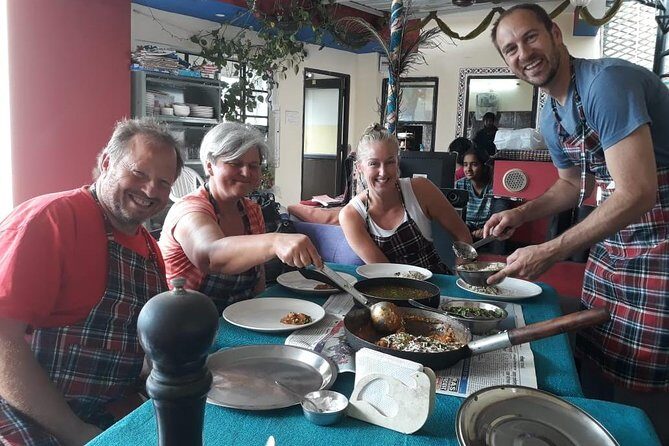
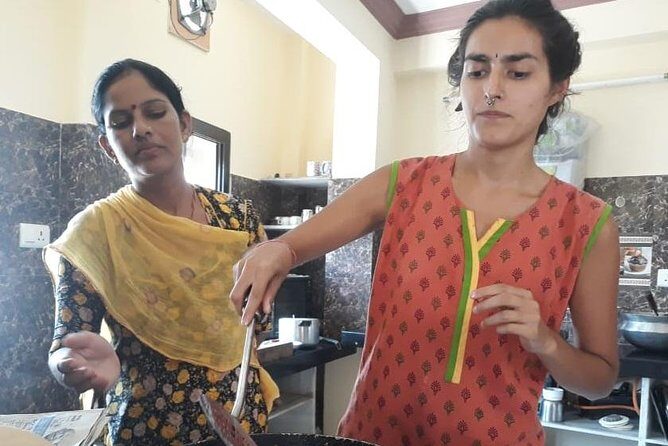
This is one of those Udaipur experiences where you end up thinking in ingredients. The class is hosted in a local home in the city center, so the setting is intimate and normal—exactly the kind of place where Indian cooking makes sense. You’re not just learning what to cook; you’re learning how the kitchen works: what gets toasted, what gets ground, what simmers, and what needs quick attention.
I love that the focus is on everyday traditional dishes from Rajasthan, like dal (lentils), chapati/roti, and a main dish of your choice. You also get a sense of how Indian meals build in layers—bread and grains, lentils and gravy, then something comforting on the side.
The group stays small, which matters. With more people, you’d spend time waiting. Here, you can actually keep your hands moving and get help before something goes wrong.
You can also read our reviews of more cooking classes in Udaipur
Choosing Your Menu: Veg, Non-Veg, or Vegan in Rajasthan Style
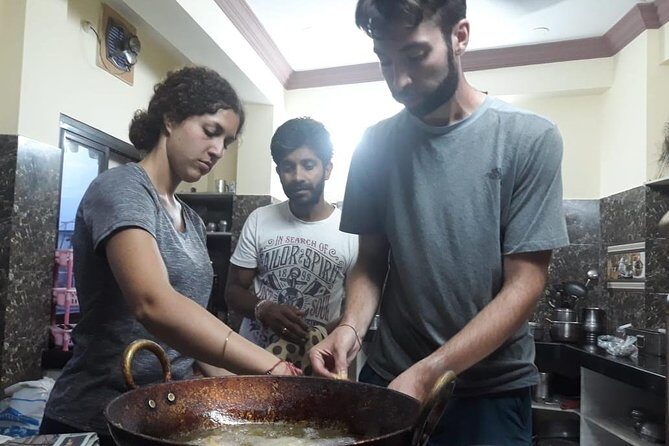
One of the smartest parts of this class is that you can shape the lesson around what you want to eat. You can learn vegetarian or non-vegetarian dishes, and vegan options are also available. The menu is guided by what Durga recommends and what you’d like to cook, so it doesn’t feel like a rigid checklist.
From what you’ll likely see in the class, the cooking can include bread-making and spice-forward mains. Chapati and paratha show up often, along with lentil-based dishes like dal. If you choose non-veg, you may also make a meat dish taught with the same step-by-step approach.
A practical note: non-veg options can have different pricing, so if you’re budgeting, double-check what you’re selecting at booking.
The 3-Hour Flow From Chopping to Chapati
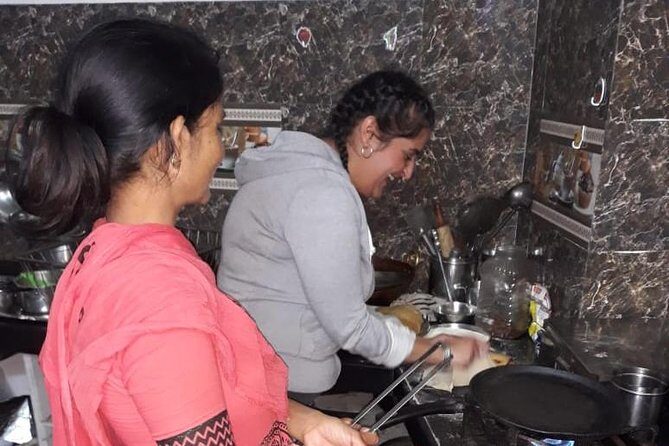
The class runs about 3 hours, and it follows a pattern that builds confidence fast. Expect a warm welcome, a quick orientation to the ingredients and tools, then steady hands-on cooking. Since all ingredients and utensils are supplied, you won’t waste time hunting for specialty items.
A typical flow looks like this:
- You start with prep—chopping, measuring out basic components, and learning how spices are used.
- You move into bread and gravy work: rolling and cooking chapati/roti, and preparing a dal or curry base.
- You cook your main dish and any supporting items, like rice or sides, depending on your choices.
- You taste what you’ve made, then finish with a proper meal.
What makes this useful is the teaching style. Durga’s instruction is structured enough that you can follow step-by-step, but relaxed enough that you can ask questions without feeling rushed. In the home kitchen, small mistakes become learning moments—heat control, spice timing, and how dough should feel.
Also, timing can be flexible. The class can be adjusted to align with lunch or dinner, and that affects what you’ll experience in the lead-up. In some sessions, you might start with snacky Indian comforts like chai masala and poha before the main cooking and meal.
Tastings and Rooftop Dinner: The Part You Actually Remember
One of the best tricks of this class is the payoff: you don’t just cook, you eat. After class, you and your group sit down to dine on what you made, and the meal is served on the rooftop. That rooftop part matters more than it sounds. It turns the class into a full experience: learning, then sharing, then eating under an open view.
You’ll usually taste multiple dishes: bread (like chapati or paratha), lentil dishes, and a main course. Many people end up repeating the same sentence in their head afterward: I can’t believe I made that.
Arrive hungry. There’s enough food that you’ll want a clean stomach for the full spread. People often describe getting plenty of it—rotis/parathas, dal, curry-style mains, chai, and a sweet finish.
Small Group Size Means Actual Help (Not Just Watching)
This is limited to a maximum of 15 travelers, which keeps the teacher-student ratio reasonable. In a home kitchen, that difference is huge. When you’re rolling dough or simmering a pot, you need feedback before you hit the same problem twice.
You’ll likely get direct guidance on:
- dough texture and rolling technique for chapati/roti and paratha
- spice mixing and when to add ingredients in a curry base
- how to tell if your lentils are cooked through and flavored properly
Because the class is small, you can also learn the logic behind the steps, not just memorize them. That’s what helps you replicate the cooking later instead of only cooking it once.
You can also read our reviews of more tours and experiences in Udaipur

What You Learn You Can Recreate at Home
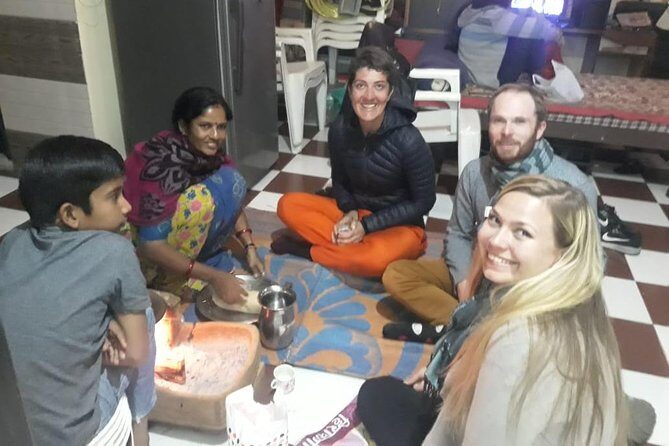
The lesson isn’t just about one dish. You’re building blocks for multiple favorites. Common takeaways include the base for curries (so later you can understand why certain “restaurant-style” flavors happen), plus bread skills that feel intimidating until someone shows you how.
From the dishes people mention learning, your menu could cover:
- dal (lentils) and spiced gravy styles
- chapati and paratha
- jeera rice
- aloo muttar and other vegetable-forward mains
- sides and snacks like bhindi masala and pakora curry
- chai masala and a sweet ending
If you’re thinking about recreating at home, focus on the technique you learn for spice timing and texture. Even if your exact ingredients aren’t identical, you’ll get far by reproducing the method: how spices toast, how sauces thicken, and how bread is handled.
One small caution: recipes are shared after the class, but at least one person found that the recipe notes didn’t include quantities. So if you’re serious about cooking again, take a pen and write down amounts as you go. It’s a simple move that pays off later.
Price in Perspective: Why This Costs About the Price of a Meal
At $15.64 per person, this class is priced like a budget meal—but the experience is closer to a guided, meal-sized workshop in a real home. You’re getting:
- ingredients and utensils supplied
- step-by-step instruction
- cooking plus tasting
- and a full sit-down rooftop meal
When you compare that to the typical cost of a fancy food experience in a city center, the value is strong. The real “value” isn’t just the low number. It’s that you leave with skills you can repeat: how to roll bread, how to build a dal or curry base, and how to use spices in a way that makes sense.
Also, the small group size helps justify the price. You’re not paying for crowds; you’re paying for attention and a complete meal.
Logistics That Matter: Meeting Point, Timing, and What to Expect
The meeting point is Black Pepper 339, Panduwari, Gadiya Devra Marg, near Hotel Gangaur Palace, Udaipur, Rajasthan 313004. The end point is back at the meeting point.
It’s also listed as near public transportation, which is helpful in Udaipur where distances can feel longer than you expect. Still, I recommend giving yourself a little extra buffer on arrival so you can walk in unhurried and ready to cook.
As for timing, the class is about three hours. If you’re planning other activities the same evening, keep your schedule loose. One consideration that comes up is that the session may run longer than you expect, especially when people are learning actively and the family is hosting warmly.
Finally, you’ll receive a mobile ticket, and you should get confirmation at booking time.
Who Should Book (and Who Might Skip)
You should book this if you want a Udaipur experience that feels like a conversation. It’s a great fit for people who like hands-on learning, eating what they cook, and getting practical instruction on Indian staples.
It’s also a good choice if you’re traveling solo or in a small group. The home setting and patient teaching make it easier to ask questions and feel included.
You might consider skipping if:
- you want a very timed, factory-style experience with strict minute-by-minute pacing
- you’re only interested in a single dish and don’t want to cook and eat a full meal
- you dislike lessons where recipes may not list exact quantities, unless you’re willing to take notes
Should You Book the Durga Cooking Class?
I think you should book if your idea of a good Udaipur day includes real cooking, a rooftop meal, and learning methods you can actually reuse. At $15.64, you’re not paying “tour tax” for a generic activity; you’re buying a skill-building dinner with a family kitchen feel.
If you’re on the fence, here’s the decision shortcut: if you want hands-on practice with breads, lentils, and curry-style flavors, this is a strong match. If you’d rather watch from the sidelines or need a tightly controlled schedule, you may find it a bit too relaxed.
Either way, show up with an appetite and a willingness to get your hands into the process. That’s where this class shines most.
FAQ
What is the Durga Cooking Class duration?
The class runs for approximately 3 hours.
Where does the class take place?
It takes place in Udaipur, India, in a local home in the heart of the city.
What is the price per person?
The price is listed as $15.64 per person.
Are vegetarian, non-vegetarian, and vegan options available?
Yes. You can choose vegetarian or non-vegetarian dishes, and vegan options are also available. Non-vegetarian options have different pricing.
What will I cook and eat during the class?
You learn to cook dishes that may include dal (lentils), chapati/flatbread, and a main dish, plus you dine on the dishes you prepare after the class.
Are ingredients and utensils provided?
Yes. All ingredients and utensils are supplied.
How big is the class?
The class has a maximum of 15 travelers, so it stays small.
Where do we meet and where does the activity end?
You start at Black Pepper 339, Panduwari, Gadiya Devra Marg (near Hotel Gangaur Palace, Udaipur). It ends back at the meeting point.
Is the booking refundable or changeable?
No. The experience is non-refundable and cannot be changed for any reason.
If you want, tell me your food preferences (veg/non-veg/vegan) and whether this is for lunch or dinner, and I’ll help you pick a menu style that fits your taste and energy.