REVIEW · VARANASI
Tourist Guide English & Spanish Varanasi/Benares
Book on GetYourGuide →Operated by GUÍA TURÍSTICO EN VARANASI · Bookable on GetYourGuide
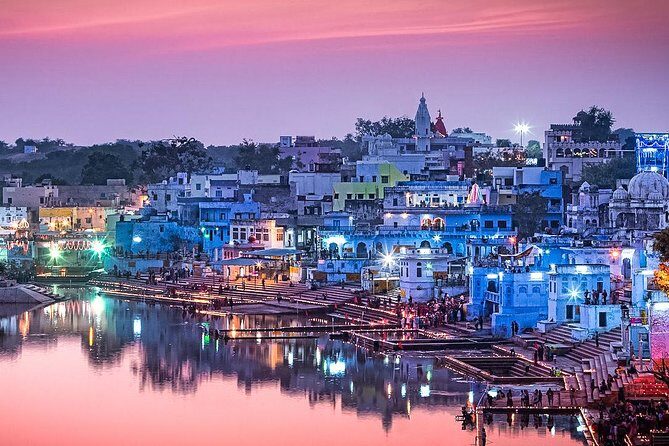
Varanasi feels real when you see it from the river. This 2-hour guided walk-and-boat combo takes you through key ghats (including cremation areas) and important temples, then adds the big moment: time on the Ganges at dawn and again as the light changes. I like that it’s built for both understanding and witnessing, not just photos.
I also really like the human scale here: you’ll talk with a live guide who can switch languages (English and Spanish show up clearly in the guide feedback), and you get food breaks like a local banarasi breakfast plus tea/coffee/water. One thing to consider: the cremation and river ceremony stops are powerful, and the pace is a walking tour, so it may feel intense if you prefer slower, quieter sightseeing.
In This Review
- Key things to know before you go
- Why the Ganges boat ride makes this tour worth it
- The old-city ghats walk: Dashashwamedh to Harishchandra and Assi
- Ganga Aarti from the river: the ceremony moment
- Temples you’ll actually remember: Kashi Vishwanath, Nepali Mandir, Hanuman
- Akhara Goswami Tulsidas and the tea break with aromatherapy talk
- Banarasi silk handlooms: the loom workshop visit
- Breakfast, lassi, and those stops that keep the day pleasant
- Price and logistics for a 2-hour English/Spanish tour from Hotel Mrk
- Who this tour fits best (and who should think twice)
- Should you book this Varanasi tour?
- FAQ
- How long is the tour?
- What languages are available for the guide?
- Where is the meeting point?
- Is pickup included?
- What is included in the price?
- What is not included?
- Does the tour include a boat ride on the Ganges?
- Will I see cremation and river ceremony spots?
- Can I cancel and get a full refund?
Key things to know before you go
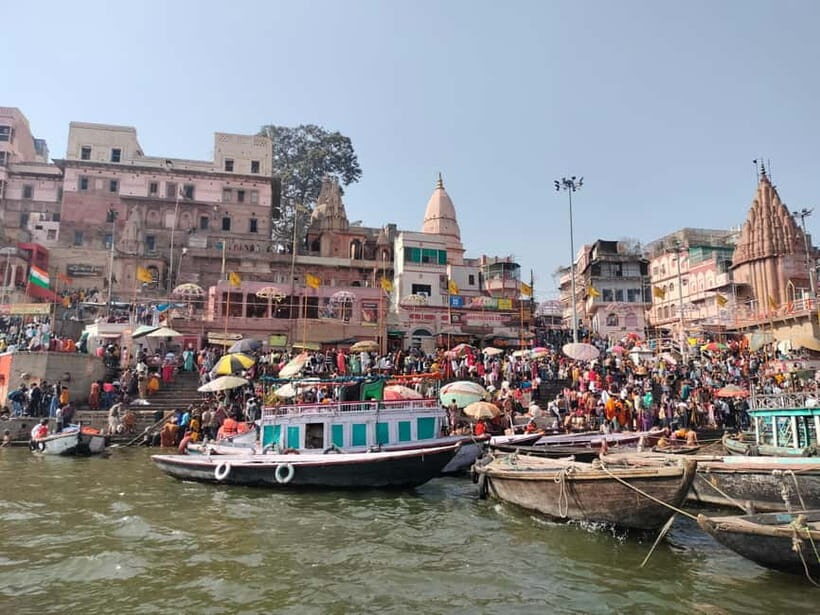
- Ganges boat time at sunrise and sunset: early starts, but you get the classic Varanasi river view when people are doing rituals.
- Cremation ghats on the route: you’ll visit Manikarnika ghat and Harishchandra ghat areas as part of the guided walk.
- Temple stops are specific: Kashi Vishwanath, the Nepali Mandir, Hanuman temple, Durga Bari, Chousatti, and more.
- A craft stop for Banarasi silk: visit one of about 270 handloom workshops that follow Mughal designs.
- Food is part of the experience: banarasi breakfast plus tea/coffee/mineral water, and a lassi option.
- Meet-up is very precise: below Hotel Mrk on Dashashwmedh road near a Bank of Baroda ATM.
Why the Ganges boat ride makes this tour worth it
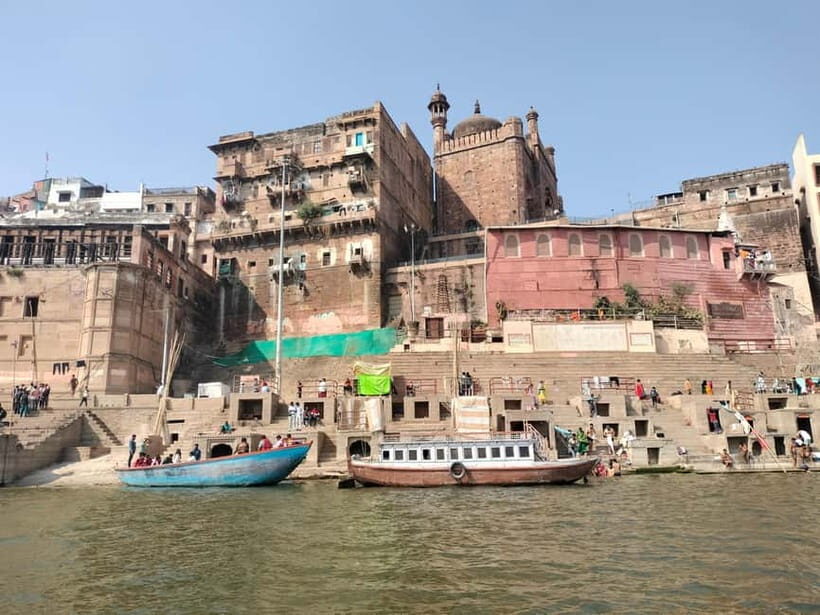
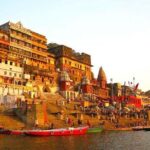
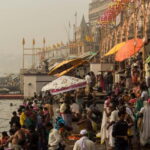
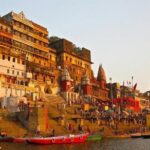
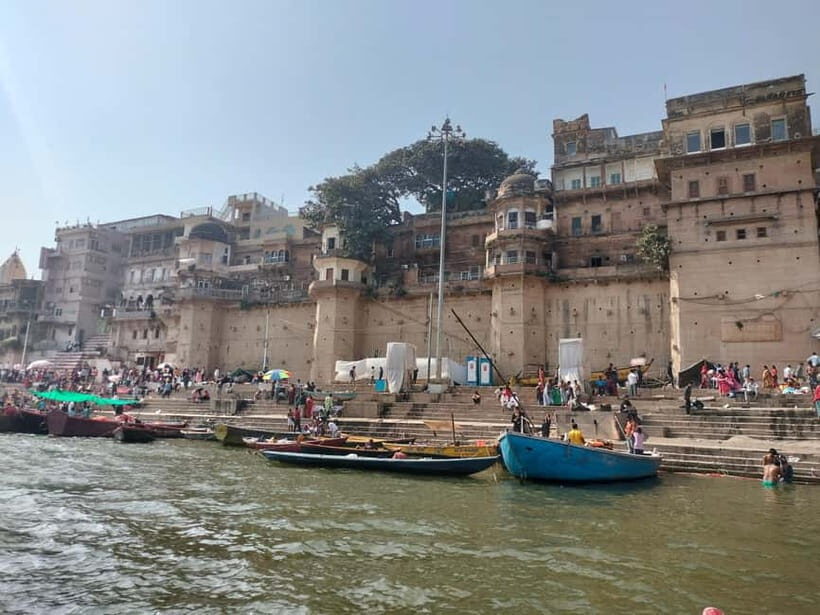
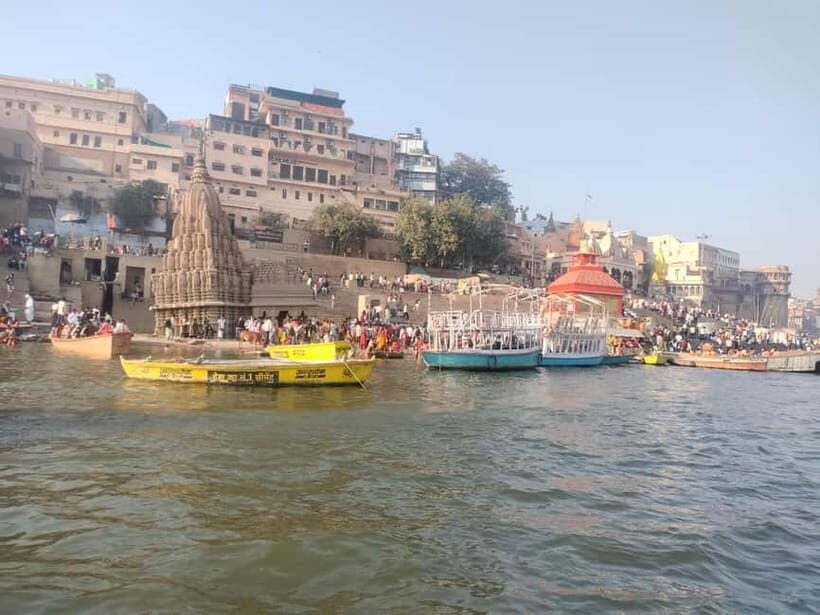
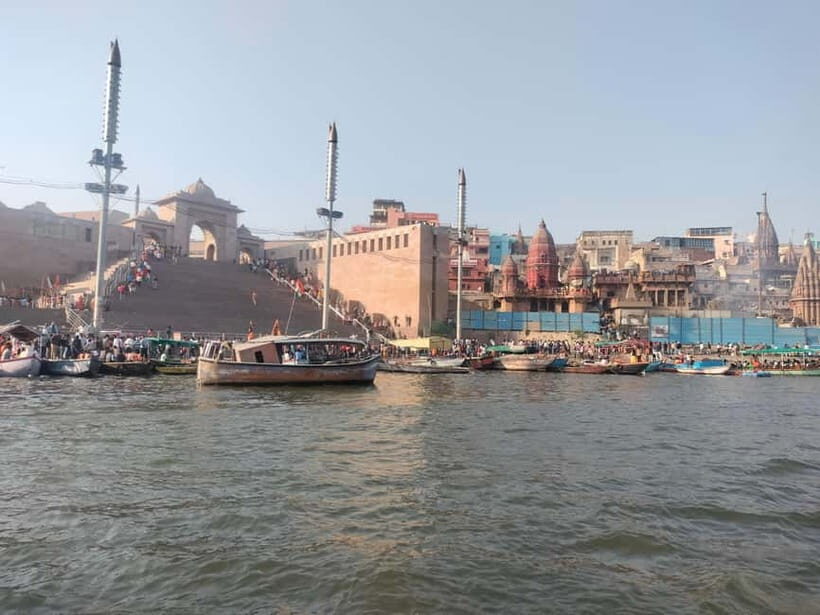
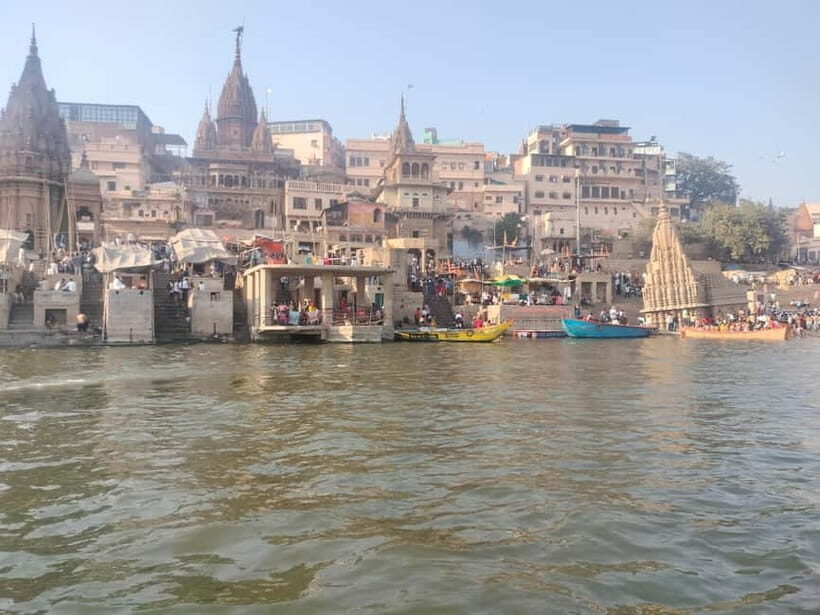
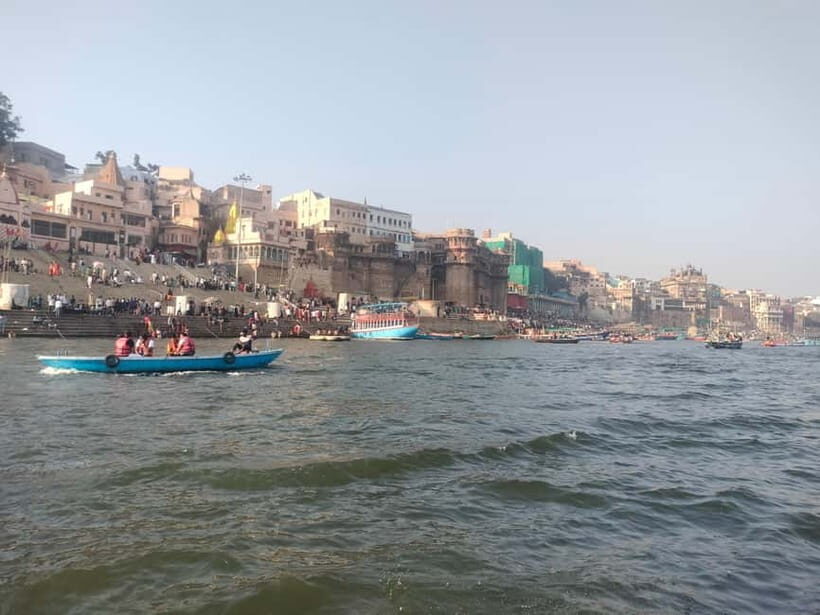
If you only see Varanasi from land, it can feel like a lot of sights stacked next to each other. Getting onto the Ganges at dawn changes the whole equation. The river view gives you context fast: ghats, rituals, devotees moving through their routines, and the calm that shows up before the day gets loud.
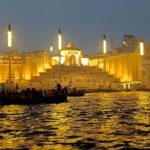
The tour’s boat component is timed for atmosphere. The experience description points to a sunrise ride when the city awakens and people go down for ritual baths, plus additional river time around sunset. That means you’re not just checking a landmark—you’re watching how the day begins and ends here.
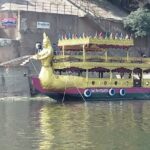
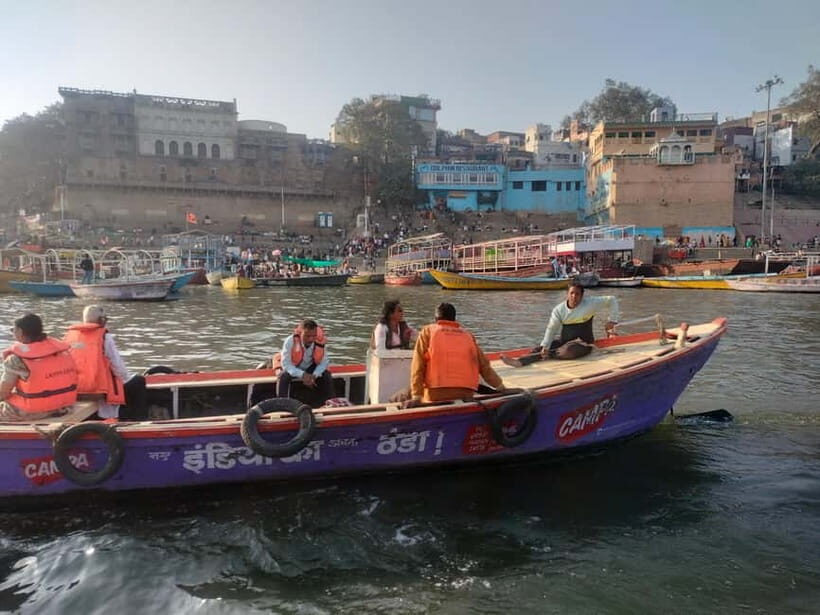
You’ll also be near the action. The boat ride is small and traditional in feel, and guides aim for a viewpoint that helps you understand what you’re seeing from the water. That matters because some of the most meaningful moments in Varanasi are hard to interpret from the street.
You can also read our reviews of more guided tours in Varanasi

The old-city ghats walk: Dashashwamedh to Harishchandra and Assi
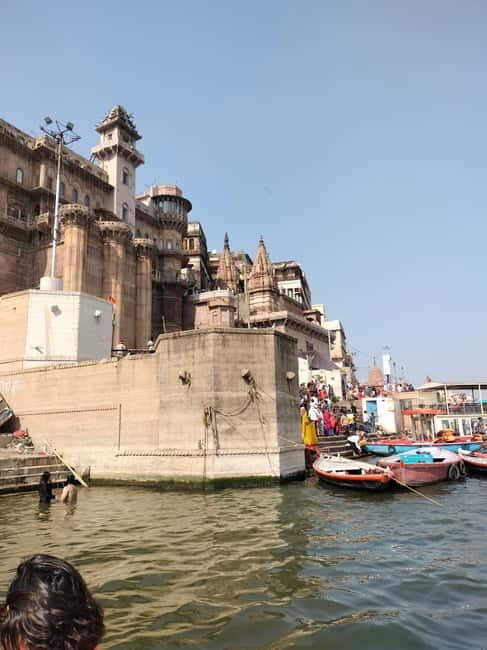
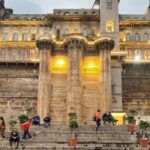
The walking portion is where you start to get your bearings. The route begins near Dashashwamedh Ghat, then moves through other major ghats tied to daily life and spiritual practice. You get frequent photo stops, short guided explanations, and enough movement to see how north and south Varanasi connect along the river.
Here are the standouts along the way, and what they mean for your experience:
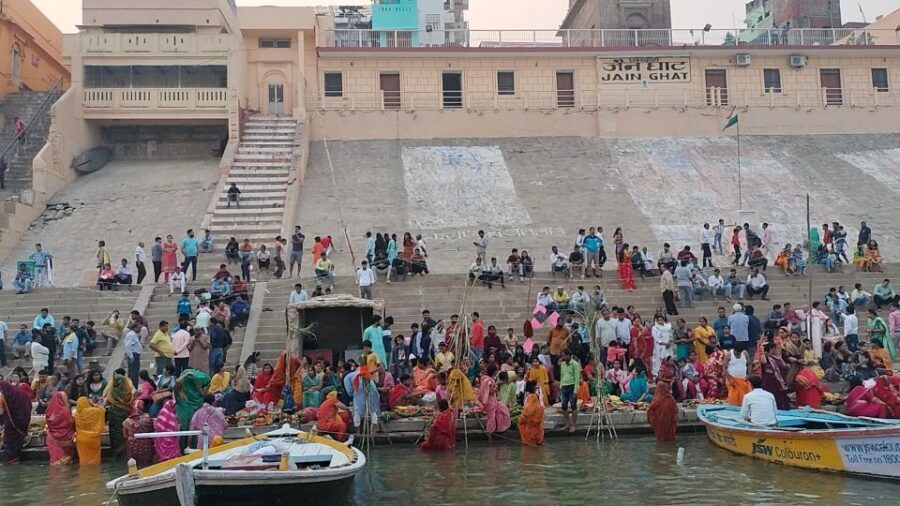
- Dashashwamedh Ghat: often one of the first big ghats people associate with Varanasi energy. You’ll stop early here, which helps you orient before the tour gets more intense.
- Harishchandra Ghat: this is one of the cremation areas you’ll learn about. The guide frames it in religious and cultural terms, so you’re not just observing; you’re understanding why this spot matters.
- Assi Ghat and Namo Ghat: these add variety beyond the most famous names. You’ll get a sense of different styles of river activity and how pilgrims and locals use the waterfront.
- Manikarnika Ghat: another major cremation ghat in the route. It’s a place where you’ll likely feel the emotional weight of what’s happening, even if you’re only there for a short guided stop.
If you’re sensitive to intense religious scenes, plan how you want to handle it. You can keep your distance visually, focus on what the guide is explaining, and take a breath when needed. This tour doesn’t hide the cremation sites, but the guidance can make the experience more grounded and less overwhelming.
Ganga Aarti from the river: the ceremony moment
Later in the route, you’ll connect to the evening side of Varanasi through Ganga Aarti Kashi Varanasi. The timing is set so you’re not just walking temples in the late day; you get an organized ceremony stop that fits into the flow of boat-and-ghat viewing.
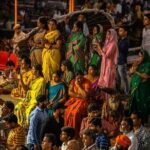
What I like about doing Aarti from this tour format is the balance. You’re already primed from the morning and river views, so the ceremony feels like a continuation of the same sacred geography—not a random add-on. In at least one English-speaking experience, guides were noted for helping the group reach good seating from the boat viewpoint, which is the kind of detail that really changes how much you get out of the ceremony.
Also, since you’re on a tight schedule, the guide is doing the “where do we stand” work for you. You get the benefit without having to figure out the best spot while crowds, noise, and confusion do their thing.
Temples you’ll actually remember: Kashi Vishwanath, Nepali Mandir, Hanuman
Walking Varanasi can turn into a blur of stone and signage. That’s why the temple stops matter here: they’re named, explained, and sequenced so you learn what to look for.
A few of the most memorable stops include:
- Shri Kashi Vishwanath Temple: presented in the tour material as the key temple for Hindus (often associated with the Golden Temple idea). Expect a powerful religious focus here, and listen closely to what the guide says about the temple’s significance.
- Nepali Temple (Mandir): known for carvings, including scenes linked to the Kamasutra tradition. This is one of those stops where the symbolism is the point, not just the architecture.
- Hanuman Mandir: a clear devotional stop that helps you understand the range of Hindu practice you’ll encounter across the city.
- Maa Tara Devi Temple, Durga Bari Temple, and Chousatti Temple: each one adds a different flavor of devotion. If you like seeing how many ways faith shows up in daily life, these stops will feel satisfying rather than repetitive.
- Shri Kashi Kaamkoteeshwar Mandir and Lolark Kund: these keep the tour from being only the biggest postcard names. You get a sense of how local worship and pilgrimage patterns expand across smaller landmarks too.
One practical tip: at these temples, give yourself permission to slow down for 30 seconds. Read what you can, watch how people move, and then let the guide’s explanation connect the details to the bigger story.
Akhara Goswami Tulsidas and the tea break with aromatherapy talk
Not every tour gives you a “how people live” stop. This one includes a traditional akhara style setting, tied to Akhara Goswami Tulsidas, which is described as a training gym following ancient practices. Even if you’re not there to watch training, it’s a meaningful angle on Varanasi beyond monuments.
Then you’ll connect it with something very practical: tea and conversation, including aromatherapy and essential oils. That’s a smart moment in the itinerary because it breaks the walking rhythm and gives you a different kind of cultural entry point. It also explains why Varanasi has a reputation for scent, spices, and sensory knowledge—things that visitors often miss when they only chase temples and ghats.
If you like tours that teach you how local culture works in real life, this section is one of the more enjoyable detours.



Banarasi silk handlooms: the loom workshop visit
The highlight list includes a craft stop: one of the about 270 workshops where Banarasi silk fabrics are made on handlooms using Mughal design patterns. Even if you’re not shopping, this matters because it shows you what’s underneath the city’s visual identity.
Why I think it’s a valuable stop:
- You see the process behind what you might recognize later in shops.
- You learn that these fabrics aren’t mass-made in a factory feel; they’re part of a working craft network.
- You get a more grounded understanding of why Varanasi attracts textile interest from around India and beyond.
The tour description doesn’t say you’re forced to buy, and craft visits like this can be a great way to support local artisans directly. If you do shop, treat it like a conversation: ask questions, compare quality, and don’t feel rushed.
Breakfast, lassi, and those stops that keep the day pleasant
You’re out early or out during a long stretch, and Varanasi walks can add up. This tour helps by including local banarasi breakfast and giving you tea, coffee, and mineral water during the tour.
You’ll also have a chance at a lassi stop—often described as a lassi in a clay cup—and there’s even a named lassi option like a Blue Lassi shop. I like these breaks because they do two things: they calm your nerves and they make the city taste like the city.
In one reported experience, breakfast was described as cream toast plus masala tea, so the food stop clearly aims for something simple and local. It’s not a big sit-down restaurant meal. It’s a quick reset so you can keep moving without turning the tour into a survival mission.
Price and logistics for a 2-hour English/Spanish tour from Hotel Mrk
The price is listed at $16 per person for a 2-hour experience, with boat ride included and tour tea/coffee/mineral water covered. For Varanasi, that’s a practical value setup: you’re paying for local guidance, access to the river viewpoints, and a structured way to see important places without getting lost.
Here’s how the money usually translates into your day:
- Included: boat ride, local breakfast, tea/coffee/mineral water, and likely some guided time for photo stops and explanations.
- Not included: entrance tickets, and vehicle (unless pickup is possible when your hotel is close).
- If your hotel is far from the meeting point, you may face extra costs for getting to the start.
The meeting point is very specific: below Hotel Mrk on Dashashwmedh road, near the Bank of Baroda ATM. The tour starts from there, and you can finish back at Hotel Mrk or at Hotel Ganges Grand – Varanasi, depending on the drop-off.
One more real-world note from the tour feedback: this may not always be a private experience. If privacy is important to you, message the host ahead of time and ask how solo bookings are handled, so you know whether you’ll join a shared group or get a different setup.
Who this tour fits best (and who should think twice)
This experience is a strong fit if:
- You’re seeing Varanasi for the first time and want a fast map of major ghats plus temples.
- You want a Ganges river perspective instead of only walking the street level.
- You like guides who explain what the rituals mean, not just where to stand for the photo.
It’s worth thinking twice if:
- You’re very uncomfortable around cremation ghats. The tour route includes Manikarnika ghat and Harishchandra ghat areas as part of the guided walk.
- You prefer a slow, quiet pace. Some guidance feedback described the tour as a bit rushed for a spiritual setting. You can still enjoy it, but go in with the mindset that this is a structured 2-hour overview.
On the language front: this is offered in English and Spanish (and Hindi as well). Guide names showing up in feedback include Pintu and Dheeraj, and the consistent theme is that the guides stayed clear, patient, and fluent enough to make the details land.
Should you book this Varanasi tour?
Yes, I’d book it if you want the best “start here” version of Varanasi in a short window. The combination of boat time, major ghat walking, and temple stops gives you context quickly, and the included food stops help you keep a steady pace without spending extra on snacks.
Book it with open eyes if you’re prepared for intense religious scenes at the cremation ghats. If you know you handle that kind of cultural reality with sensitivity and you rely on a guide to frame what you’re seeing, this tour can be both moving and clarifying.
And if you care about pacing or privacy, do yourself a favor: message the host before you go. Ask whether it’s shared, and if you’d like a calmer rhythm, say so early.
FAQ
How long is the tour?
It lasts 2 hours.
What languages are available for the guide?
The tour is offered with a live guide in English, Spanish, and Hindi.
Where is the meeting point?
You meet below Hotel Mrk on Dashashwmedh road near a Bank of Baroda ATM machine.
Is pickup included?
If your hotel is close to the meeting point, pickup is possible for free.
What is included in the price?
Tea, coffee, mineral water, a boat ride, and a local banarasi breakfast are included.
What is not included?
Entrance tickets and a vehicle are not included. Wheelchair use is also not included. Vehicle transfer costs may apply if your hotel is far from the meeting point.
Does the tour include a boat ride on the Ganges?
Yes. The tour includes a Ganges River boat ride, with sunrise and sunset mentioned as key moments.
Will I see cremation and river ceremony spots?
Yes. The experience includes cremation-related ghats and a river ceremony moment as part of the tour.
Can I cancel and get a full refund?
Yes. You can cancel up to 24 hours in advance for a full refund. The tour also offers reserve now and pay later.