REVIEW · PUSHKAR
From Jaipur : Private Ajmer Pushkar Tour by Cab
Book on GetYourGuide →Operated by Golden Triangle Holidays · Bookable on GetYourGuide
One long day of devotion and driving. I like how this private AC car turns a tiring road trip into a comfortable, door-to-door experience. You also get live guidance at key sites like the Khwaja Muin-ud-din Chishti Shrine, plus a proper look at Pushkar’s famous temples. The main drawback is that it’s not a full spend-free package: monuments entry fees and several activities are not included, and some rituals can involve donations.
If you’re traveling with limited time, this format is a good fit. You’re picked up in Jaipur (and in some cases Ajmer), driven out with an English-speaking driver, and given practical touches like unlimited water and Wi‑Fi in the car. In one experience, Sandeep called the night before to confirm pickup timing, and the driving was smooth and careful.
Just know what kind of day you want before you book. This is best if you’re okay with walking, temple etiquette, and budgeting extra for optional rides or on-site offerings. It’s not suitable for wheelchair users, and it’s also listed as not suitable for pregnant women.
In This Review
- Key things to know before you go
- Price and time: what $12 buys in an 8–14 hour day
- Jaipur pickup to Pushkar: AC comfort, Wi‑Fi, and the sunrise plan
- Pushkar on foot: temples, lake rituals, and what to expect emotionally
- Brahma Temple and Pushkar lake: how to handle donations without ruining your day
- Optional safaris in Pushkar: camel, jeep, horse, and added costs
- Ajmer street time to Khwaja Muin-ud-din Chishti Shrine
- Lunch at Sunset Cafe: plan for pay-as-you-go
- Driver and guide: English/French guidance and how to get more value
- The return to Jaipur: how to end the day well
- Who this Pushkar-Ajmer private cab suits best
- Should you book this tour?
- FAQ
- What does the tour include?
- How much time do I spend in Pushkar and Ajmer?
- Are temple entry fees included?
- Are camel rides or safari activities included?
- Is lunch included?
- What language is the guide available in?
- What should I bring, and is there a refund if plans change?
Key things to know before you go
- Private, door-to-door transport from Jaipur with an English-speaking driver and car Wi‑Fi
- Pushkar guided time (about 3 hours) focused on temple stops and walking around the lake area
- Ajmer guided time (about 2 hours) with a centerpiece visit to the Khwaja Muin-ud-din Chishti Shrine
- Not all activities are included, so camel/jeep/horse safaris and certain local rides cost extra
- Bring cash for rituals and offerings since some blessings start from 2,100 INR
- Time pressure can happen, so ask your driver for a clear plan if you add optional experiences
Price and time: what $12 buys in an 8–14 hour day
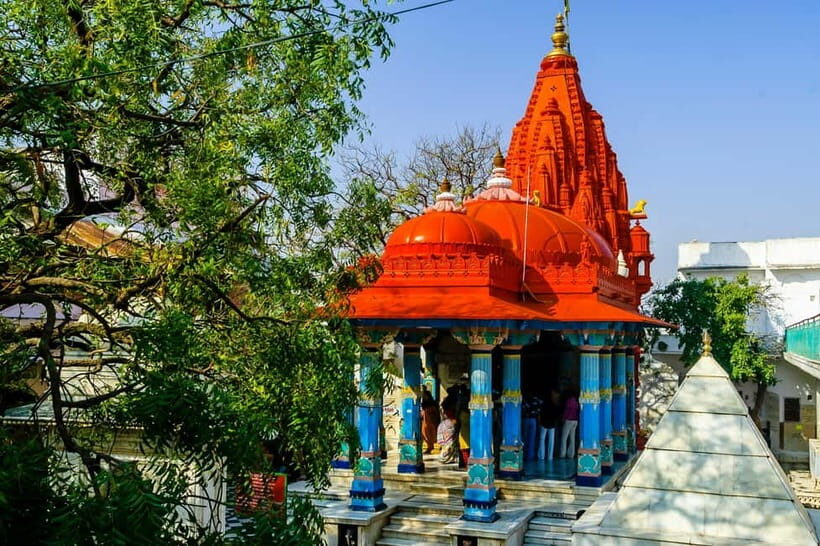
At $12 per person, the value here isn’t the “cheap ticket” feeling. It’s the structure: you’re paying for private transport, driver time, and guided touring during a day that can otherwise become chaos on your own. The total duration is listed as 8 to 14 hours, which means you’ll be trading a half-day trip for a full day of motion and spiritual stops.
Pushkar gets about 3 hours, and Ajmer gets about 2 hours. That sounds balanced on paper, but real-world timing depends on traffic and how many extras you add. One verified booking described guide time at a Brahma temple stop as quite brief (around 30 minutes), and the day then turned into more driving than touring. In other words: if you care deeply about temple time, speak up early and set expectations with your driver.
What I like is that the price is for a private group. You’re not squeezed with strangers, and the driver can usually respond if you want to add a short detour. What I’d watch is the “extras add up fast” risk, because food and monuments entry fees aren’t included.
You can also read our reviews of more private tours in Pushkar

Jaipur pickup to Pushkar: AC comfort, Wi‑Fi, and the sunrise plan
Your day starts with pickup from your hotel or a chosen location in Jaipur. The car is private, air-conditioned, and has Wi‑Fi. You also get tissue paper and unlimited bottled water, which sounds small until you’re stuck in a long day and grateful for basic comfort.
Timing matters because the tour is built around Pushkar’s sunrise. You’ll be looking for the golden light moment that makes this desert-garden town feel extra special. I also like that there’s room for a photo stop and scenic viewpoints on the way, because that’s where you get context for why people love Rajasthan’s travel rhythm: start early, move slowly, and let the scenery do the work.
One practical note: drivers in this area handle traffic constantly. In the experiences shared, drivers like Sandeep, Manoj, and Bhupendra were praised for careful driving. Still, if you’re prone to motion sickness, consider bringing what you need. You’ll be in the car for a while.
Pushkar on foot: temples, lake rituals, and what to expect emotionally
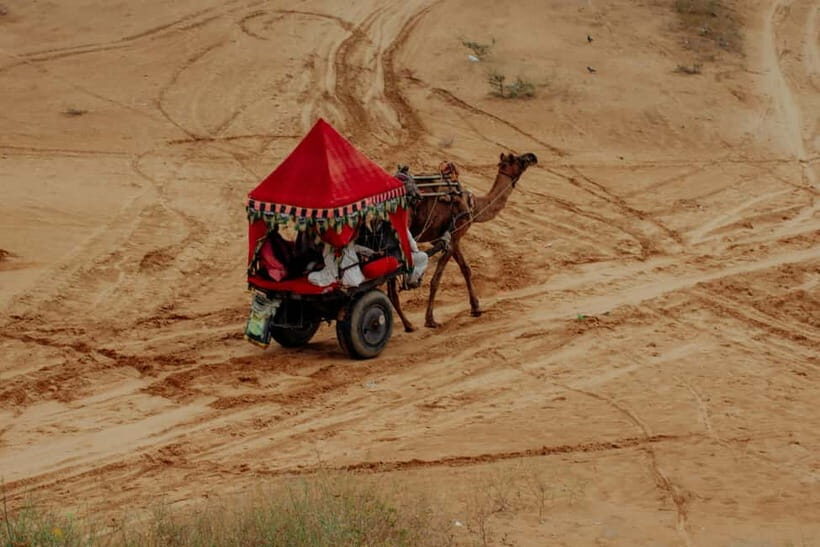
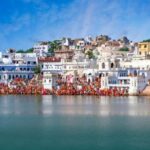
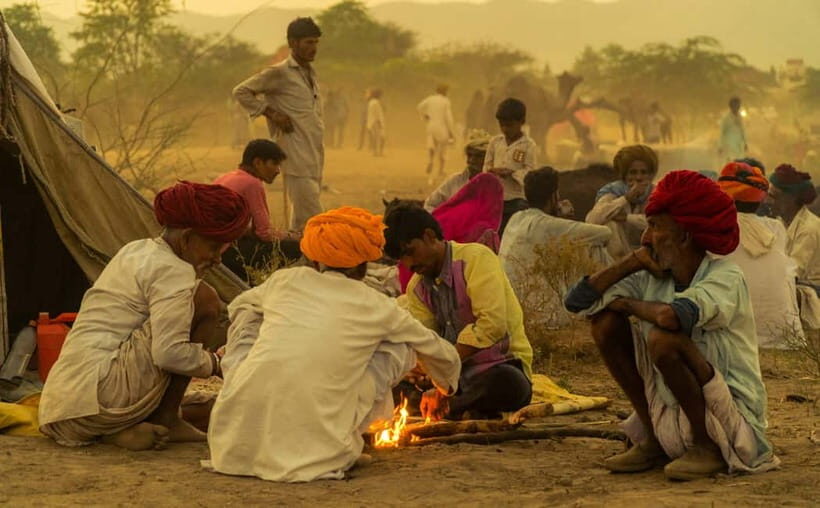
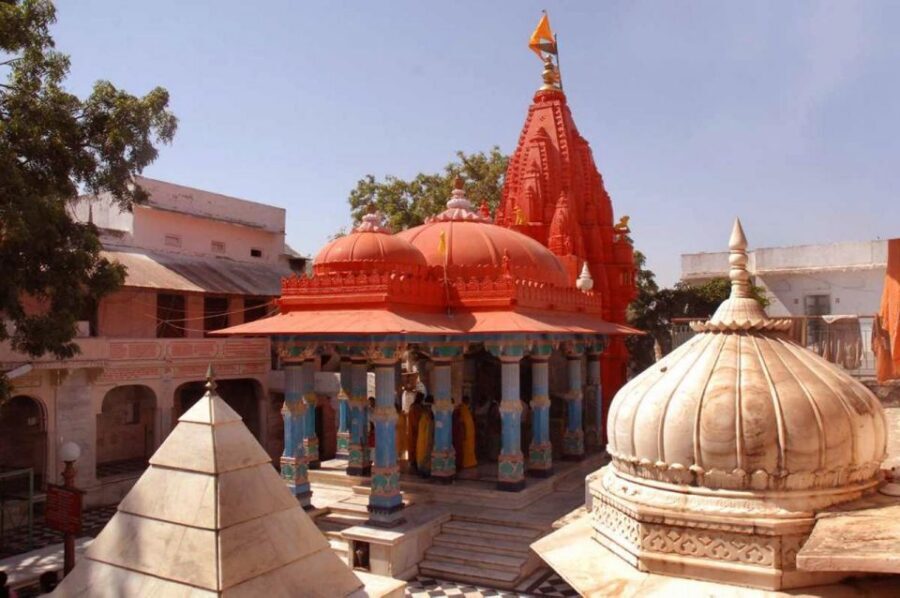
Pushkar is the star of this route, and the tour gives you walking time plus guided temple visits. You’ll spend roughly 3 hours there, including a guided tour and sightseeing walks. The big religious focus is on Brahma’s temple, plus stops around the lake area.
The Brahma Temple stop is the headline. Expect a structured visit where your guide helps you understand what you’re seeing and what it means to devotees. Then you may also visit a second temple near the lake area where ritual offerings happen. If you take part in the blessing at the holy waters, be ready for the donation amount to start at 2,100 INR and possibly go higher depending on what you offer.
Here’s the practical side of the spiritual side: your comfort level matters more than being pressured into doing something. In one shared experience, a priest stood close by while asking for a donation, with the idea that card payment might be accepted if you didn’t have enough cash. Even if cards work, the safest plan is still simple—carry cash and decide your limit before you reach the offering point.
Also, keep your phone and wallet secure. Some places in both Pushkar and Ajmer involve a lot of attention from strangers. A little vigilance goes a long way.
Brahma Temple and Pushkar lake: how to handle donations without ruining your day
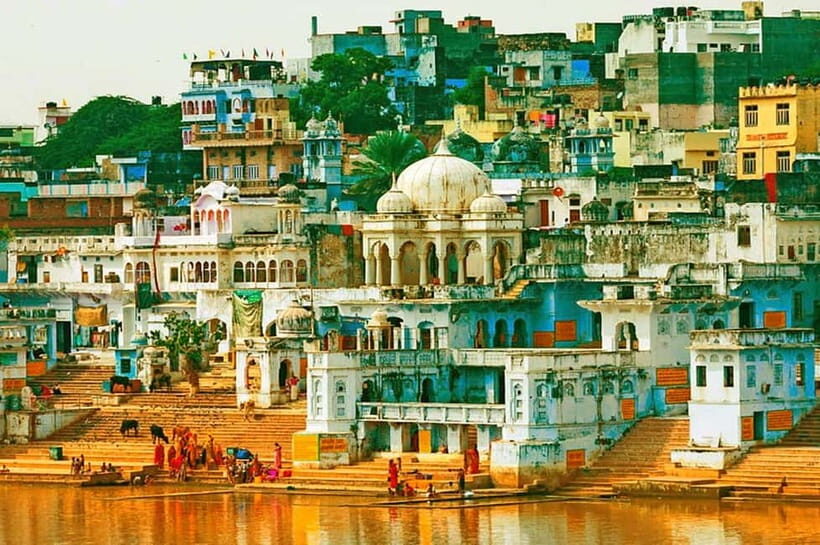
This part is where tourists either feel moved or feel annoyed. Both are normal. The tour includes guided time, but the actual ritual flow can vary, and donation expectations are real.
What helps:
- Set a budget in your head before you start. If the ritual starts at 2,100 INR, you’ll be calm when you see it.
- Treat it like a choice, not a test. If you’re not comfortable, you can watch and keep moving.
- Pay attention to what’s included in the blessing versus what’s optional.
I also like that the tour is guided, because a local escort can explain temple etiquette—when to stand, where to walk, and how to behave respectfully. In one experience, a guide helped connect a visitor to a local escort for a Sikh temple ritual and the holy waters. That kind of context can turn a quick stop into something you remember for the right reasons.
If you’re someone who dislikes donation pressure, I’d still consider this route, but go in with a plan: keep interactions brief, smile, and don’t feel like you have to match every expectation.
Optional safaris in Pushkar: camel, jeep, horse, and added costs
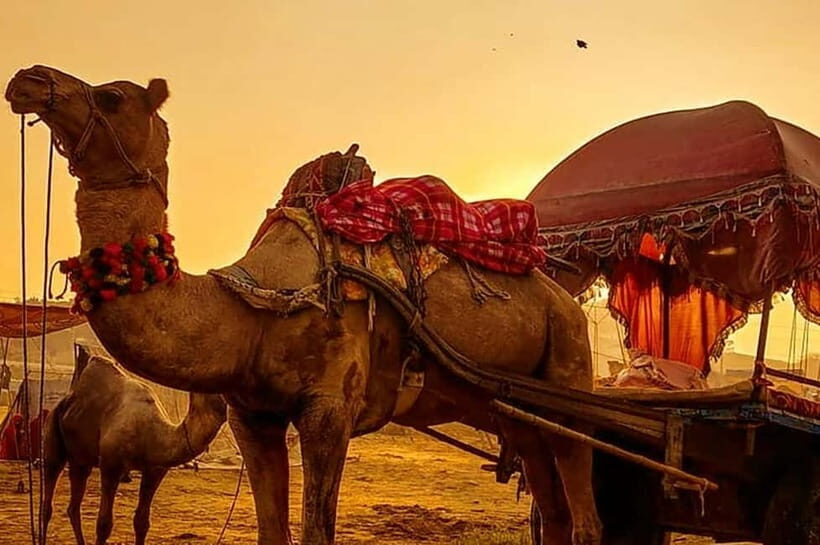
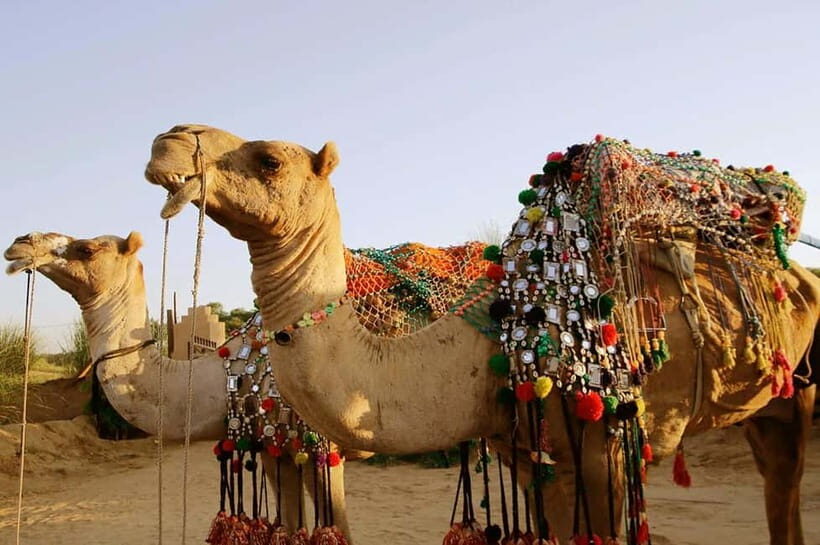
Pushkar isn’t just temples. There’s a “desert feel” around here, and the tour gives you the option to add a camel ride, jeep safari, or horse safari. The key is that these are not included in the base tour.
If you want one, you’ll need to arrange it on-site with your driver or guide. In one experience, the itinerary was flexible enough to add a 2-hour camel safari and another temple visit. That flexibility is a real advantage of private transport.
Budget tip from on-the-ground experiences: prices can vary by season. One traveler shared that in low season it may be around 1,500 INR, while high season can run 3,000–4,000 INR for longer desert experiences. Another note: one person felt the “desert” area was small. That’s not a dealbreaker, but it’s good to know so you don’t picture a big off-the-map adventure.
What to bring if you do this: closed-toe shoes, sun protection, and cash. If you add a safari, your overall temple time can shrink, so decide which matters more: animals/safari or slower temple pacing.

Ajmer street time to Khwaja Muin-ud-din Chishti Shrine
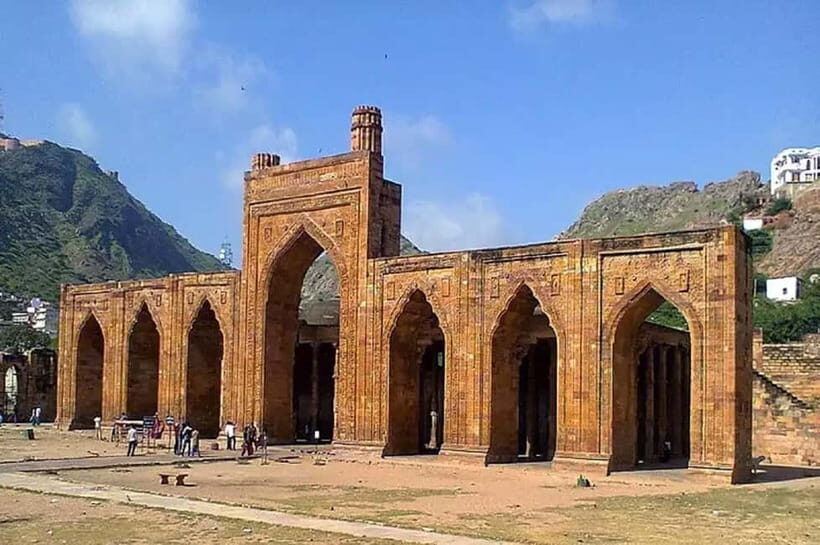
After Pushkar, you head to Ajmer for about 2 hours. You’ll have a photo stop, walking time, and guided sightseeing. The tour also includes a safety briefing, which is a good sign in a place that draws crowds.
The centerpiece here is the Khwaja Muin-ud-din Chishti Shrine. This is one of India’s most famous Sufi pilgrimage sites, and the experience is less about “sightseeing” and more about watching devotion in motion. People come to pray, to reflect, and to participate in the rituals connected to the shrine.
Your guide’s job is to help you move through the space confidently. If you’re unsure about where to stand or how to behave, that added guidance is worth it.
One practical transport point: there can be local movement to reach the most active areas of the complex. In one shared experience, the advice was to go to the mosque area by tuk-tuk rather than walking. The tuk-tuk ride to the Ajmer Dargah area is listed as not included, so plan for that if you want it.
And yes, keep an eye on personal belongings. In one account, there was a warning about people asking for money and the risk of phone or wallet snatching. Stay aware, not alarmed.
Lunch at Sunset Cafe: plan for pay-as-you-go
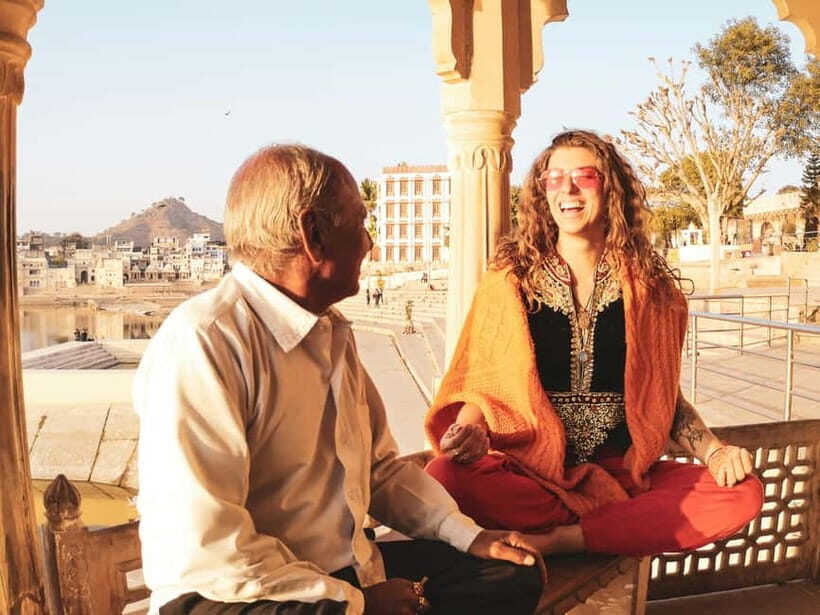
Food isn’t included. The day may suggest lunch at a spot called Sunset Cafe in Pushkar with views as you eat, but you should treat it as a place you pay for during the tour.
Because the schedule is tight, the best approach is to eat efficiently and keep your energy up for temple time. If you add a safari, you might not get long meals. So bring a light mindset: good meal, quick break, then back out again.
Driver and guide: English/French guidance and how to get more value
This tour is private, with a live tour guide in English or French, plus an English-speaking driver. That combo matters. The driver handles timing, traffic, and safe navigation. The guide handles interpretation—what you’re looking at and why it matters.
In the experiences shared, drivers such as Sandeep, Manoj, and Bhupendra were praised for responsibility and safe driving. Guide support also came with flexibility. One person described a guide connecting them with a local escort at a Sikh temple in Pushkar, explaining a ritual tied to holy water.
Here’s how to maximize value in a day like this:
- Decide your “must do” first (Brahma Temple, the shrine, sunrise).
- If you add extras like a camel safari, ask how it affects temple time.
- Ask your guide what costs are likely on-site before you reach the moment.
The main value-risk is that some parts are not all inclusive. That can be fine if you’re prepared, but frustrating if you’re expecting everything to be included. If you want minimal spending beyond the tour fee, keep your wishlist short.
The return to Jaipur: how to end the day well
When the tour ends, you’re dropped back in Jaipur at your preferred location, or in some cases Ajmer depending on your chosen pickup/drop-off. The idea is a direct return that lets you relax instead of negotiating transport late in the day.
I’d recommend you treat the ride back as part of the experience, not just the exit. Hydrate, cool down, and let your brain settle after crowds and rituals. If you’re sensitive to long days, you’ll be glad you planned a light evening after you return.
Also, if you’ve done a longer safari, factor in that you may feel tired quickly. This is not a “quick hit and sprint” tour. It’s a long, spiritual day with a lot of movement.
Who this Pushkar-Ajmer private cab suits best
This tour is a strong fit if:
- You want a private day trip from Jaipur that includes major spiritual stops
- You like early mornings and temple-focused sightseeing
- You’re comfortable paying extra for optional rides and on-site offerings
- You want guidance in English or French so you don’t feel lost
It’s a weaker fit if:
- You want a fully all-inclusive package with no extra spending
- You dislike donation expectations during rituals
- You need wheelchair access (not suitable per listing)
- You’re traveling if pregnancy affects your comfort (not suitable per listing)
Should you book this tour?
Book it if you want a structured, private way to see Pushkar and Ajmer in one day—especially if sunrise and temple visits matter to you. The combination of private transport, live guiding, and the centerpiece visit to the Khwaja Muin-ud-din Chishti Shrine is exactly the kind of “time-saving” travel solution that works in Rajasthan.
Skip or rethink if you hate the idea of cash spending on-site or you strongly prefer long, unhurried guided time. The day can run on a tight schedule, and some optional experiences (camel/jeep/horse) will shift how much guided time you get.
If you book, do one thing that improves everything: tell your driver and guide what your non-negotiables are, and set expectations early about anything that costs extra.
FAQ
What does the tour include?
You get a private AC vehicle with an English-speaking driver, unlimited water bottles, Wi‑Fi in the car, tissue paper, and pickup and drop from your hotel or other chosen location in Jaipur. A live tour guide is included (English or French). Fuel, parking, tolls, and taxes are included.
How much time do I spend in Pushkar and Ajmer?
You have about 3 hours in Pushkar and about 2 hours in Ajmer, based on the time blocks for visiting, sightseeing, and guided walking.
Are temple entry fees included?
Monuments entry fees are not included, so you should expect to pay any ticket costs on your own.
Are camel rides or safari activities included?
Camel ride and jeep safari are not included. Horse safari is also an option mentioned, but the tour pricing info indicates these activities are not part of the included package.
Is lunch included?
Food and drinks are not included. A lunch stop at Sunset Cafe in Pushkar may be part of the plan, but you should budget for your meal.
What language is the guide available in?
The live tour guide is available in English and French.
What should I bring, and is there a refund if plans change?
Bring a passport or ID card. Cancellation is free up to 24 hours in advance for a full refund.