REVIEW · VARANASI
Morning Boat Tour followed by a short heritage walking tour in VARANASI
Book on Viator →Operated by Walk 2 Xplor · Bookable on Viator
Sunrise on the Ganges feels like a show. This morning Varanasi experience pairs a calm boat ride from Dasaswamedh Ghat with a heritage walk through old lanes to Kashi Vishwanath (the famous Golden Temple for Shiva worship). I love the perspective you get from being on the water as rituals unfold along the ghats, and I love how guides like AJ Alok and Anish Jha explain what you’re seeing in plain, practical terms. One drawback to plan for: it’s an early start and the walking involves uneven steps and narrow alleyways.
What makes this tour feel worth it is the tight pacing and the small cap on the group size. You’re not stuck wandering; you’re moving with a guide, and you can ask questions as the city wakes up. I also like that it’s set up as a private experience for up to 10 people, so it stays manageable even when Varanasi is crowded, like during Dev Diwali.
You’ll also pause at a cremation ghat and learn how to watch with respect. It’s not staged or sanitized, and that can be a lot for some people, so be mentally prepared for serious scenes while the morning light does its usual magic.
In This Review
- Key things I’d focus on before you go
- Sunrise Ganges boat + heritage walk: what you’re really buying
- Getting to Dasaswamedh Ghat at 4:00am (and why it matters)
- Dasaswamedh Ghat: the main front door of Hindu Varanasi
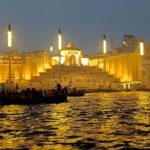
- Banaras ghats: moving from one scene to the next
- A south Indian temple ghat stop: a reminder Varanasi isn’t only one story
- Cremation ghat viewing: intense, and exactly why guidance matters
- Leaving the boat for alleyways: the quickest way to feel the old city
- Kashi Vishwanath Temple (the Golden Temple): ending with real spiritual gravity
- Group size, pace, and comfort: the practical reality
- Price and value: $45 per person for a guided early-morning package
- Who this morning boat-and-walk suits best
- Should you book this tour? My decision guide
- FAQ
- Where does the tour start and end?
- What time does the tour start?
- How long is the experience?
- How many people are in a booking?
- Is this a private tour or a shared tour?
- What is included in the price?
- What dress code should I follow?
- Is a passport required?
- Is cancellation free?
Key things I’d focus on before you go
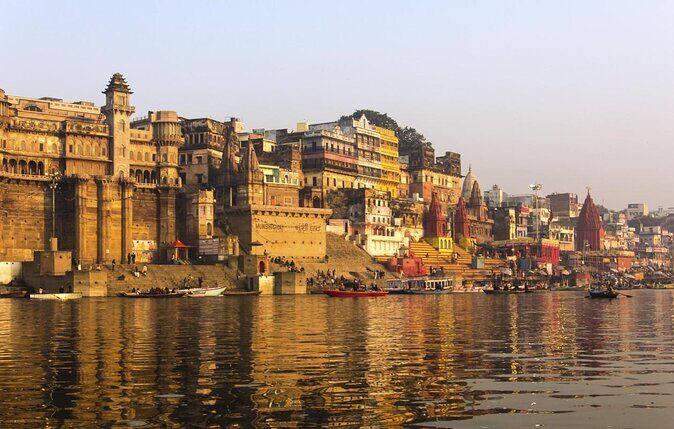
- Sunrise Ganges boat ride from Dasaswamedh Ghat for a front-row view of morning life
- A heritage walking route through old Varanasi with time to absorb details
- Stop(s) along the ghats including a south Indian temple ghat you might otherwise miss
- Respectful viewing of cremation-ghat activity with guidance on what you’re looking at
- Kashi Vishwanath visit (Golden Temple) as the spiritual finish line
- Up to 10 people with professional and local guidance so you’re not guessing
Sunrise Ganges boat + heritage walk: what you’re really buying
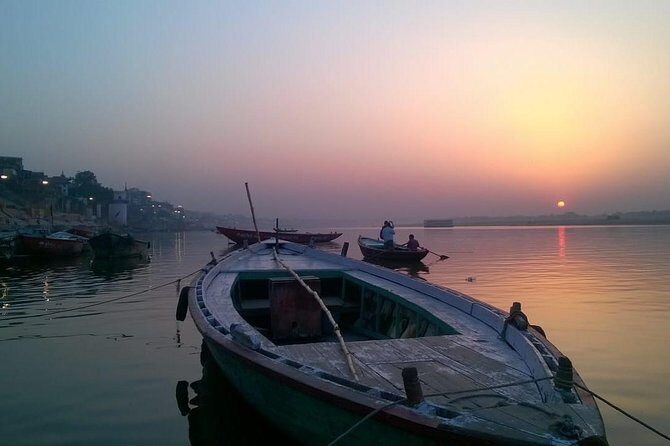
This is the kind of Varanasi morning experience that’s less about ticking off famous spots and more about understanding how the city functions. You start at a major ghat and move at a tempo that matches early day—quiet enough to take in the water, then gradually busier as you shift into the old lanes and temples.
For value, you’re getting a guided package: local and professional guidance, private transportation, admissions for the key stops, and a boat segment with a morning schedule. At $45 per person for about two hours, it’s also a good deal if you’d otherwise have to piece together transport, tickets, and a guide on your own.
The other big win is context. Varanasi can look like chaos from the street. From the water and with a guide’s explanations, it starts making sense: what happens at which ghat, why people gather where they gather, and what the rituals mean.
You can also read our reviews of more walking tours in Varanasi

Getting to Dasaswamedh Ghat at 4:00am (and why it matters)
Your tour meets back at Hotel Ganges Grand, front of the Marwari Hospital Building near Dashashwamedh Ghat Road. The start time is listed as 4:00am, and the point of that early hour is simple: you catch the city in setup mode, before full daytime crowds take over.
In practice, this can mean an even earlier feel than you expect. One traveler described being met at the hotel around 5:45am, which fits the idea of a pre-sunrise or very early morning start. Either way, you should come ready for dim light, cooler air, and the reality that the city’s main stages are already active.
Dress code is smart casual, and because it’s morning, you might want a layer you can tolerate while walking. You don’t need to dress like a monk, but do keep clothes comfortable for steps and short distances on uneven surfaces. Your guide will set the pace, but your feet still do the work.
Dasaswamedh Ghat: the main front door of Hindu Varanasi

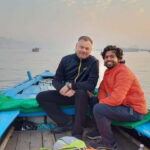
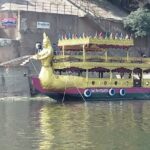
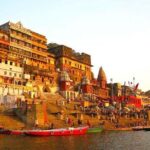
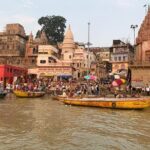
You begin at Dasaswamedh Ghat, one of the central ghats where the energy of the city becomes visible fast. From here, you board a boat for a peaceful ride that’s designed to give you a deeper understanding of Hindu life along the Ganges.
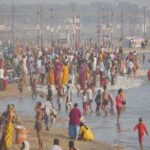
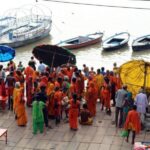
This stop is special for two reasons. First, it’s visually dense—you see boats, people, offerings, and the way different groups use the water. Second, a good guide turns what you’re seeing into something you can interpret. Instead of just photos, you get meaning.
If you like taking pictures, this is the best moment to do it. Sunrise light and the waterline shape give you strong compositions without needing to search for them. And because you’re on the water, you avoid the constant jostle you can get when you’re trying to shoot from the ghats themselves.
Banaras ghats: moving from one scene to the next
After the initial boat segment, the tour shifts into a guided exploration of the Banaras ghats area. You’ll spend around an hour in this part, with multiple stops and viewpoints.
You’ll get a structured walk that includes what you might call scene changes: a ghat with a south Indian temple, watching activities at the cremation ghat, and then a short walk through alleyways toward the main Shiva temple area. This is where the tour stops being sightseeing and starts becoming “how the city works.”
A practical note: ghats are not smooth sidewalks. Expect steps and angles. Even if you’re generally comfortable walking, give yourself time to go slowly. The guide’s job is to keep you moving in the right direction, but your job is to respect the terrain—especially in early crowds when surfaces can feel busy.
A south Indian temple ghat stop: a reminder Varanasi isn’t only one story
One of the more interesting stops is a beautiful ghat with a south Indian temple. That might sound like a small detour, but it helps you understand Varanasi as a meeting point of communities, not a single, one-note religious stage.
When a city has a major pilgrimage center, people tend to bring their traditions with them. In Varanasi, that shows up in the physical layout and the temple presence along the water. A guide can point out what looks similar and what’s different, and that makes the walk more than a straight line to the next postcard.
If you’re the type who likes noticing details, you’ll enjoy this moment. It’s also a good “breather” stop—less about intense viewing and more about architecture, location, and how worship fits into the street-and-ghat geography.
You can also read our reviews of more boat tours in Varanasi



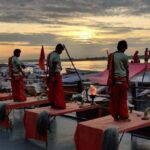
Cremation ghat viewing: intense, and exactly why guidance matters
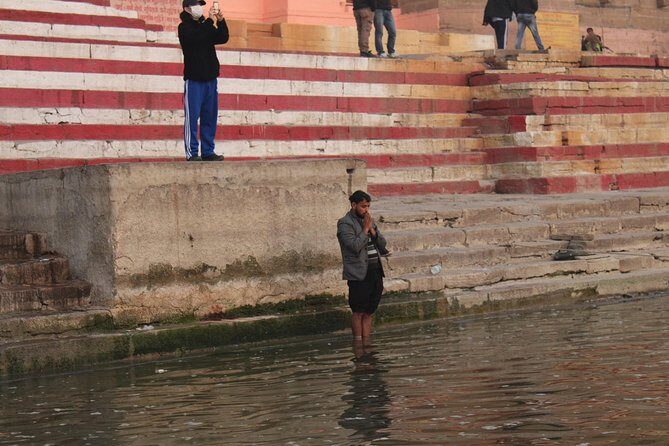
One stop includes watching the activities going on at the cremation ghat. This is not the kind of stop you can treat casually. It’s serious, and your guide’s role is to help you see it correctly and with the right respect.
What you should plan for:
- Emotional weight: even if you understand the religious meaning, it can still hit hard.
- Etiquette needs: you’ll want to follow the guide’s instructions closely and avoid intrusive behavior.
- Time and movement: you’ll likely pause, observe, and then move on rather than linger at will.
I think this is where the tour can be either a powerful learning moment or a moment you’re glad you had a guide for. Without guidance, you might miss the meaning and only feel shock. With guidance, you can experience the reality of the ritual while keeping your own boundaries intact.
If you’re sensitive to this topic, consider whether you want to be in close proximity to active ritual space. This is included in the experience, so you should decide ahead of time.
Leaving the boat for alleyways: the quickest way to feel the old city
After the ghats, you’ll leave a boat here for a short walk in alleyways leading to the main Shiva temple of the city. This isn’t a long trek, but it’s one of the best parts for understanding Varanasi’s texture.
Here’s what I like about this structure: you don’t just watch temples from a distance. You transition into the “in-between,” where daily movement happens. Those tight lanes make it clear how people live around sacred spaces rather than visiting them like an attraction.
This is also where a guide’s English (or whatever language you share) becomes more than a convenience. In one set of experiences, visitors highlighted that guides like AJ Alok and Anish Jha spoke very good English and answered questions as they walked. That matters because alleyway Varanasi can feel confusing fast unless someone helps you connect the dots.
Kashi Vishwanath Temple (the Golden Temple): ending with real spiritual gravity
The final big highlight is Kashi Vishwanath Temple, described as the big center of Hindu faith and often called the Golden Temple among international visitors.
You’ll have about 30 minutes at this stop, including admission. That’s not long enough to turn it into a deep self-guided pilgrimage, but it’s enough time to take in the key spiritual focus and understand what brings worshippers here.
What I find valuable is the way it’s placed at the end. You’ve already seen the water and the ghats. Now the ritual meaning pulls everything together, and you can make sense of why Shiva worship is woven into daily life along the Ganges.
Also, you’ll likely appreciate being with a guide at this point. Temple areas can be crowded and layered. Having someone explain where to look, what to notice, and how to behave is part of why the experience feels smooth even early in the day.
Group size, pace, and comfort: the practical reality
This is capped at maximum 10 people per booking, and it’s described as a private tour/activity where only your group participates. That’s a sweet spot: small enough for questions and movement, large enough that the tour can still run without feeling chaotic.
The tour also has a requirement of moderate physical fitness. That doesn’t mean you need to be an athlete. It means you should be comfortable with short but frequent walking segments, steps, and some uneven ground around the ghats.
Timing-wise, the tour runs for about 2 hours (approx.). The schedule is built in chunks: start at the ghat, boat ride, a focused walking segment across several ghats, then the temple finish. You’ll feel like you did a lot, without feeling like you spent your entire morning exhausted.
One extra detail to know: a current valid passport is required on the day of travel. That’s unusual for a local-feeling tour, so treat it as non-negotiable.
Price and value: $45 per person for a guided early-morning package
At $45.00 per person, the price can look straightforward, but what you’re really paying for is the bundle:
- a guided Ganges morning experience
- admissions for the key stops included
- local and professional guides
- private transportation
- GST included
If you were trying to recreate this yourself, you’d quickly spend time coordinating a guide, tickets, and getting to the right ghat at the right hour. The tour solves the timing problem for you, which is the hardest part of morning Varanasi.
Also, the tour supports mobile ticketing and allows group discounts (depending on your booking). If you’re traveling with friends or your family can share, it’s often easier to justify.
Who this morning boat-and-walk suits best
You’ll likely enjoy this most if you:
- want a structured morning plan in Varanasi with a guide
- like boats and want the water perspective for photos and understanding
- don’t mind a serious stop at a cremation ghat
- can handle a bit of walking on steps and narrow lanes
It can also work well during busy religious seasons, when the city feels crowded but the guide’s local know-how helps keep you oriented. In one described Dev Diwali visit, the experience felt magical precisely because the schedule still made sense in peak crowds.
If you’re looking for a purely light, fluffy sightseeing loop, this may be too real. The cremation ghat stop is part of the deal.
Should you book this tour? My decision guide
Book it if you want the Ganges and the old-city streets to make sense fast, with a guide who can answer your questions and keep the experience respectful—especially at the cremation ghat. The small group limit and the planned order (boat, ghats, alleys, Kashi Vishwanath) are exactly what you want when you only have a morning.
Skip it or choose a different option if you:
- feel strongly uncomfortable with cremation-area viewing
- can’t handle early mornings
- expect an easy, flat walking route
If you’re on the fence, a practical approach is this: go with the tour if you want context more than chaos, and if you’re open to learning through real places, not just scenic views. Varanasi has a way of changing your perspective, and this morning route is one of the most direct ways to see why.
FAQ
Where does the tour start and end?
The tour starts at Hotel Ganges Grand, front of Marwari Hospital Building, D-37/47, Dashashwamedh Ghat Rd, Crossing, Godowlia, Varanasi and ends back at the same meeting point.
What time does the tour start?
The listed start time is 4:00am.
How long is the experience?
The duration is about 2 hours.
How many people are in a booking?
The experience is limited to a maximum of 10 people per booking and requires at least 1 person to book.
Is this a private tour or a shared tour?
It is described as a private tour/activity, meaning only your group participates.
What is included in the price?
The tour includes a local guide and a professional guide, private transportation, admission tickets for the stops, and GST. It also notes a mobile ticket.
What dress code should I follow?
The dress code is smart casual.
Is a passport required?
Yes, a current valid passport is required on the day of travel.
Is cancellation free?
Yes, you can cancel for a full refund up to 24 hours in advance of the experience’s start time.