REVIEW · VARANASI
Varanasi: Varanasi ghat & temple walking tour
Book on GetYourGuide →Operated by India Trip Packages (TMRT) · Bookable on GetYourGuide
Varanasi runs on the river, and this tour lets you see how it moves through daily prayer and temple life. I like the way it ties together Assi Ghat in the early ritual hours and then builds toward the evening Ganga Aarti at Dashashwamedh Ghat, where fire, chants, and devotional music make the Ganges feel central, not decorative. You’ll also cover iconic stops like Manikarnika Ghat, the Kashi Vishwanath Temple lanes, and quieter spiritual corners along the way.
The biggest plus here is that you’re not just looking at places. You’re learning what the places are for—moksha beliefs at cremation ghats, food blessings at Annapurna, and even the wood-carving detail of the Nepali Temple. One consideration: in big crowd seasons, you may not be able to enter temples as fully as you expect, and language can matter since guides are offered in several languages but availability can vary.
In This Review
- Key moments you’ll remember
- Assi Ghat to Dashashwamedh: morning rituals, then fire on the river
- What to know before you go
- The ghats aren’t just scenery: the rituals you’ll likely notice
- Practical note
- Kashi Vishwanath Temple lanes: Shiva’s crowd, sweets, flowers, and offerings
- When crowds block the plan
- Manikarnika Ghat: understanding moksha without turning away
- Nepali Temple near Lalita Ghat: wood carvings and a different architectural language
- How to enjoy it
- Walk through the alleys: crafts, silk, and how you avoid getting lost
- A smart, simple tip
- Price and value: what $60 buys you in 5 hours
- Who this walking tour suits best (and who might feel stressed)
- Should you book this Varanasi ghat and temple tour?
- FAQ
- How long is the Varanasi ghat and temple walking tour?
- Where does the tour begin and where does it end?
- Which major sites are included in the route?
- Is pickup and drop-off included?
- What is included in the tour price?
- Are entry tickets included?
- Are there options for different guide languages?
- Is this tour suitable for people with mobility impairments?
Key moments you’ll remember
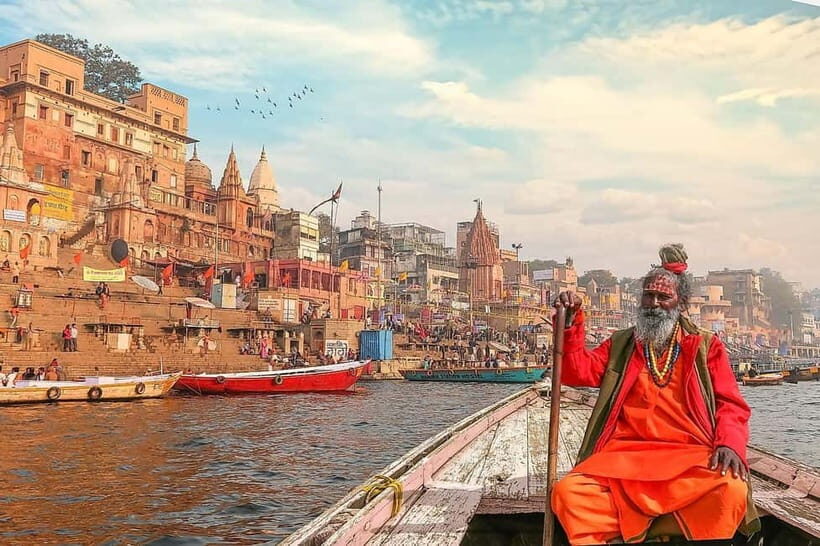
- Assi Ghat morning rituals: watch pilgrims, prayer, and yoga-like routines as the day begins
- Dashashwamedh Ghat Ganga Aarti: evening ceremony focused on the river with fire and chant
- Manikarnika Ghat and moksha: the cremation customs explained through Hindu beliefs
- Kashi Vishwanath lanes: a maze of sweet shops, flowers, and offering stalls leading to Shiva’s temple
- Nepali Temple wood carvings: intricate design style often compared to Khajuraho
- Hanuman Ghat wind-down: a calmer ending point by the Ganges
Assi Ghat to Dashashwamedh: morning rituals, then fire on the river
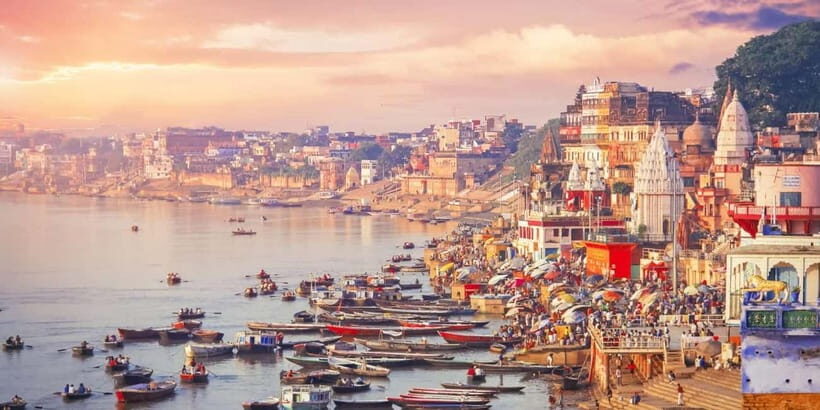
This 5-hour Varanasi ghat & temple walking tour is built like a story. You start at Assi Ghat, then move through the most meaningful riverfront spaces and temple lanes, and finish at Hanuman Ghat after experiencing the evening rhythm at Dashashwamedh.
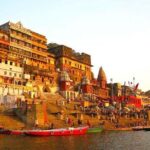
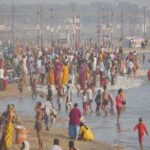
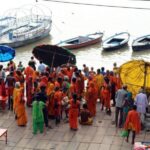
At Assi Ghat, the atmosphere tends to be about first things—early rituals, pilgrims gathering for a holy dip, and the kind of daily spiritual routine you can actually watch. If you like travel that feels grounded in real life (not just postcard views), this start gives you context. You’ll see the Ganges as a place people return to, not a backdrop.
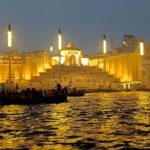
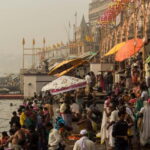
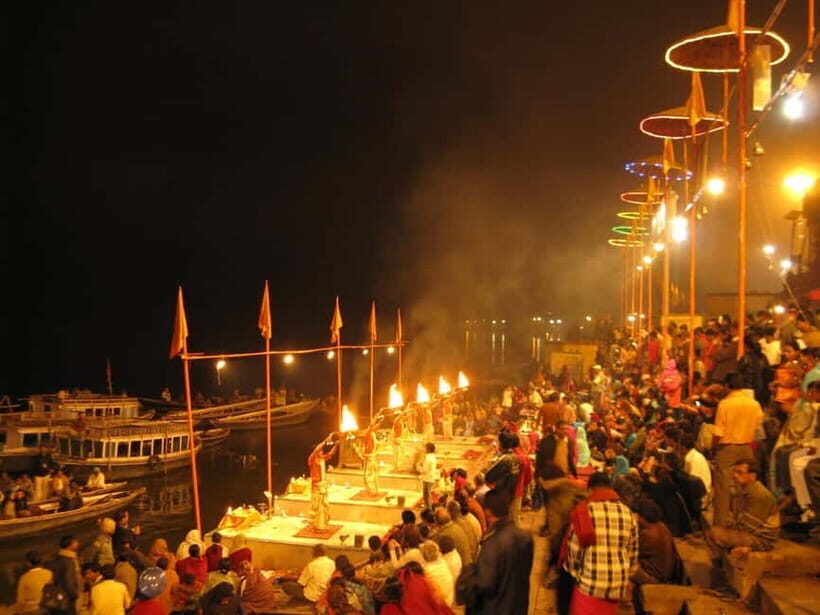
Then the tour shifts toward Dashashwamedh Ghat. This is one of the oldest and most important ghats in Varanasi, and it shows. In the evening, if your timing is right, you’ll catch the Ganga Aarti ceremony. Expect fire, chants, devotional music, and priests performing rituals with a focus that can feel intense—especially if you take a moment to watch how the crowd participates rather than only looking at the flames.
You can also read our reviews of more walking tours in Varanasi


What to know before you go
Because the tour includes both early and evening moments, dress for temperature changes. Also, plan to be on your feet more than you’d expect—ghats have stairs and uneven steps, and temple lanes can be tight even when you’re not climbing big hills.
The ghats aren’t just scenery: the rituals you’ll likely notice
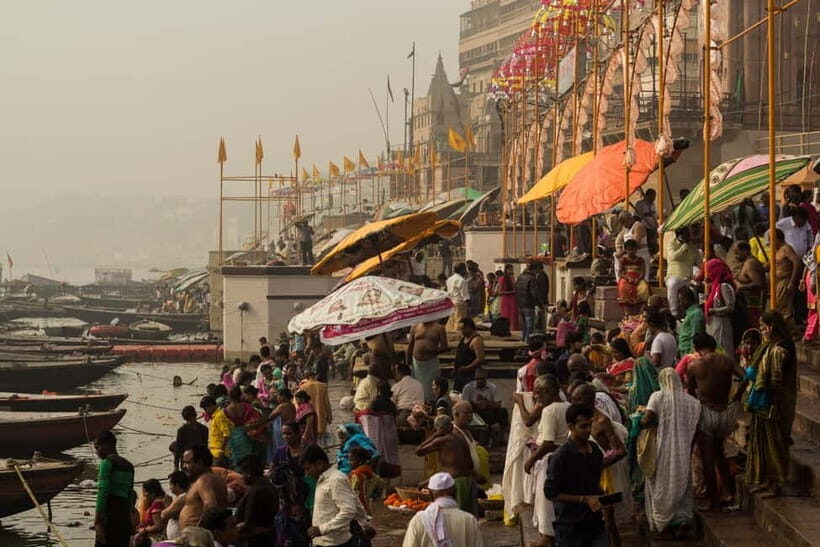
A good ghat visit changes how you interpret Varanasi. On this tour, you’re guided through what you’re seeing, so the riverfront stops feel less random.
You’ll spend time at major stops like Assi Ghat and Dashashwamedh Ghat, and you’ll also get the logic of why certain places matter. Priests performing rituals, pilgrims moving through daily prayer, and the way offerings appear along the route all help connect the dots between religion and everyday behavior.
And at Manikarnika Ghat, the tour becomes more philosophical. This is the famous cremation ghat, and the key theme is moksha—liberation—linked to the cycle of life and death. You won’t just see the customs; you’ll have a guide’s explanation for why this place holds that spiritual weight. That context matters, because without it, a visitor can only see a ritual happening, not why people believe it leads toward liberation.
Practical note
Manikarnika Ghat is an emotionally heavy stop. If you’re sensitive to death rituals, take breaks and move at your own pace while your guide keeps the group moving safely.
Kashi Vishwanath Temple lanes: Shiva’s crowd, sweets, flowers, and offerings
One of the best parts of the route is the walk toward Kashi Vishwanath Temple through narrow lanes. This isn’t a straight road-to-temple situation. It’s a maze of small streets where you’ll pass sweet shops, stalls selling flowers, and vendors offering devotional items.
That lane-walk is more than “shopping time.” It shows you Varanasi’s spiritual economy—how worship connects to everyday trade. You’ll start to understand why people aren’t only visiting temples to pray; they’re also picking up what they need to take that prayer home or use it on the spot.
The temple stop also sets up a useful contrast. Right nearby is the Annapurna Temple, dedicated to Goddess Annapurna, the goddess of food and nourishment. That pairing—Shiva’s devotion, then Annapurna’s food blessings—helps explain something people might miss: spirituality here isn’t just about ceremonies. It also covers sustenance, family, and daily needs.






When crowds block the plan
If you’re visiting during a major festival season, expect crowds to be a real factor. On high-attendance periods, it can be harder to see temple interiors. You might still get the route, the atmosphere, and the guided explanation, but entry can be limited by the flow of people.
Manikarnika Ghat: understanding moksha without turning away
Manikarnika Ghat is famous for a reason, but it’s not a typical “photo stop.” The tour treats it as a spiritual site where the belief in moksha shapes behavior and ritual.
What I find useful as a planning lens: your guide’s job isn’t to make the customs comfortable. It’s to make them understandable. You’ll learn how Hindu traditions connect cremation customs to the idea of liberation from the cycle of life and death. That doesn’t make it easy to watch, but it can help you see the logic behind the rituals.
If you want to get the most out of this stop, stay present. Don’t speed through it just for the next landmark. A few extra minutes with your guide’s explanation can shift the whole meaning of the ghats for you.
Nepali Temple near Lalita Ghat: wood carvings and a different architectural language
Another memorable stop is the Nepali Temple, also known as the Mini Khajuraho, for its intricate wood carvings. This is a distinct style within Varanasi, located near Lalita Ghat, and it reflects a blend of Indian and Nepalese architecture.
For architecture lovers, this part gives your eyes something different from the usual stone-and-stair rhythm of ghats and mainstream temple views. It also helps break up the intensity of the more solemn stops, giving you a calmer pace and a chance to look closely at craft.
How to enjoy it
Give yourself time to actually look at the carvings. In a quick group walk, people often glance and move on. If you can slow down by even a minute, you’ll get more from this stop.
Walk through the alleys: crafts, silk, and how you avoid getting lost
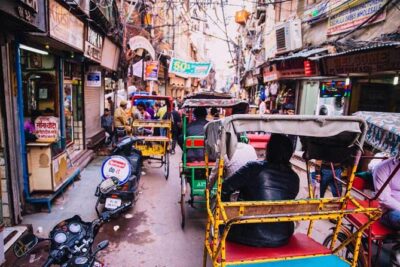
Between temples and ghats, you’ll walk through the maze-like alleys of Varanasi. This is where the city’s daily life shows up in small details—brassware shops, silk saree stalls, and street snack prep you can sometimes spot mid-action.
Because the lanes can feel like a maze, having a guide matters. You get the safe navigation of narrow streets and also the meaning behind what you pass. It’s not only “look at stores.” It’s seeing how artisans work and how everyday trade supports religious life.
A smart, simple tip
Wear comfortable shoes with good grip. You’ll want stability near stairs and along uneven surfaces by the river and around temple areas.
Price and value: what $60 buys you in 5 hours
At $60 per person for a 5-hour tour, the value is strongest when you count what’s included. You get pickup and drop-off, an air-conditioned car used throughout the tour, a live guide, mineral water bottles, and all taxes and parking fees.
What you don’t get: entry tickets, lunch, dinner, and personal expenses. So you should budget separately for meals and any site entry fees. The good news is the tour includes a skip-the-ticket-line option, which can save time at places where tickets are required.
When is this price most worth it? If you want a guided route that connects the ghats, temple lanes, and ritual context into one coherent walk. If you only want a quick temple photo circuit, you could do it on your own. But if you want meaning and direction, the included guide pays for itself quickly.
Who this walking tour suits best (and who might feel stressed)
This tour is best for people who like walking, interpretive guides, and getting the “why” behind what they see. The route includes multiple ghats, temple lanes, and at least one deeper ritual site (Manikarnika Ghat), so curiosity and emotional flexibility help.
It’s a private group experience, which is a big practical win in crowded cities. You can move as a unit without constantly waiting for strangers. Also, you get live guidance in several languages: English, French, German, Japanese, Russian, and Spanish.
Two practical fit notes:
- It is not suitable for people with mobility impairments, since walking through ghats and temple alleys involves steps and uneven ground.
- If you’re counting on a specific language, it’s worth being alert. One booking experience reported a mismatch when a German guide wasn’t available, which forced a different arrangement. If language is non-negotiable, plan to communicate your needs clearly when you reserve.
Should you book this Varanasi ghat and temple tour?
Book it if you want Varanasi in layers: morning river rituals, a major evening ceremony at Dashashwamedh Ghat, a walk through Shiva’s temple lanes, and cultural context for Manikarnika Ghat and moksha. The combination of key ghats plus temple sites close together gives you a structured route without feeling like a rushed bus tour.
Skip it or look for an alternative if you:
- can’t handle walking on uneven steps and narrow lanes,
- hate crowded religious settings, or
- need guaranteed temple interior access on festival dates.
If you want your Varanasi day to feel guided, focused, and meaningful, this is a solid choice—especially at its $60 price point, where transportation, guide time, and water are already handled.
FAQ
How long is the Varanasi ghat and temple walking tour?
The tour lasts 5 hours.
Where does the tour begin and where does it end?
It begins at Assi Ghat and ends at Hanuman Ghat.
Which major sites are included in the route?
You’ll cover Assi Ghat, Dashashwamedh Ghat, Manikarnika Ghat, Kashi Vishwanath Temple lanes, Annapurna Temple, Nepali Temple, and Hanuman Ghat.
Is pickup and drop-off included?
Yes. Pickup and drop-off are included.
What is included in the tour price?
Included are pickup and drop-off, an air-conditioned car for the entire tour, a live tour guide, mineral water bottles during the tour, and all taxes and parking fees.
Are entry tickets included?
No. Entry tickets are not included.
Are there options for different guide languages?
Yes. The live tour guide is available in English, French, German, Japanese, Russian, and Spanish.
Is this tour suitable for people with mobility impairments?
No, it is not suitable for people with mobility impairments.