REVIEW · VARANASI
Full-day private Varanasi tour with AC car, boat & Sarnath
Book on GetYourGuide →Operated by Incredibile kashi tour · Bookable on GetYourGuide
Sunrise on the Ganges changes everything in Varanasi. I love the private early boat ride plus the way your local guide links temples, ghats, and Sarnath into one clear story. You also get hotel pickup with an air-conditioned car so the long day stays manageable. The only real drawback is the schedule is full, so you’ll want to plan for early starts and some walking.
This is the kind of day that works best with a guide who can translate what you’re seeing into something you can actually feel. In this tour, guides like Anmol and Saurabh Rajbhar (and a steady driver such as Aman in one account) focus on flow, explanations, and keeping you comfortable between stops. The experience is offered in English, Spanish, Japanese, Italian, and Hindi, which makes a big difference when you’re trying to understand Varanasi’s religious routines.
At about $61 per person for a private car, a private boat segment, and a full-day guide, the value can be strong—especially if you’d otherwise spend time figuring out transport and meeting points. Just remember monument fees and meals like lunch (and breakfast) are not included, so budget a bit extra.
In This Review
- Key things I’d circle before you book
- Why a 5:30am start makes the whole day click
- Ganges sunrise boat ride: what to expect and what to notice
- Old Varanasi on foot: Kashi Vishwanath and the meaning behind the alleys
- BHU at 10:00am: Birla Temple’s exact replica and a needed breather
- Durga Mandir, Sankat Mochan, and Bharat Mata: temples that teach different lessons
- Sarnath: Dhamekh Stupa, deer park context, and the museum timing
- Dashashwamedh Ghat and Ganga Aarti: how to handle the evening ritual
- Private car, skip-the-line support, and why AC matters in Varanasi
- Price and value: is $61 a bargain or a risk?
- What to pack and how to stay comfortable all day
- Who should book this Varanasi to Sarnath day
- Should you book this tour?
- FAQ
- FAQ
- What time does the tour start?
- Is the boat cruise included?
- Do I get air-conditioned transportation?
- What sites are included in the day?
- Are monument fees included?
- Is breakfast or lunch included?
- Is the Sarnath Archaeological Museum always open?
- What languages are the guides available in?
- Is the tour wheelchair accessible?
- Can I cancel or pay later?
Key things I’d circle before you book
- 5:30am pickup so you catch morning rituals with cooler light and fewer crowds
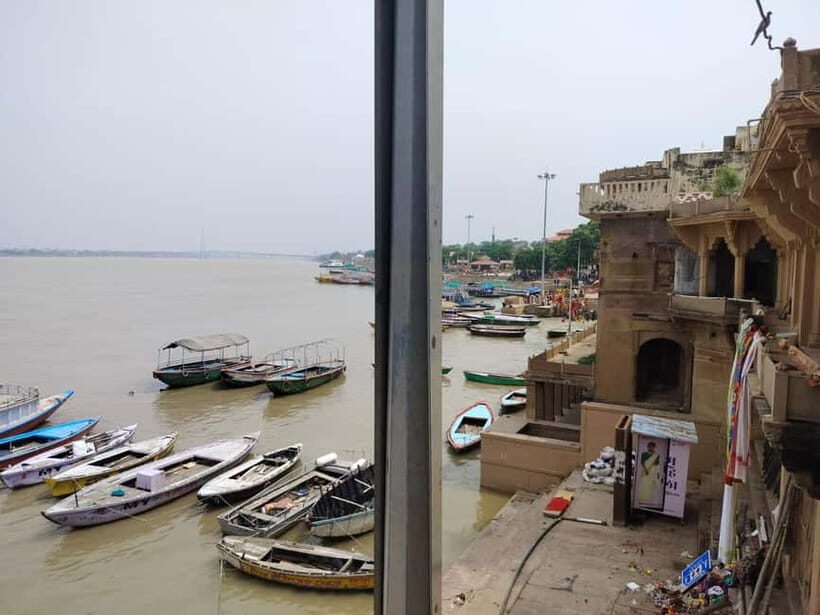
- Private Ganges boat cruise for an up-close look at ghats from the water
- Old-town walking time to connect the alleyways with the meaning of Kashi Vishwanath
- BHU at 10:00am plus a visit/pass-by to the Birla Temple replica
- Sarnath main highlights including Dhamekh Stupa, with the museum closed on Fridays
- Evening Ganga Aarti at Dashashwamedh Ghat timed around sunset and the lights, chants, conch shells, and flowers
Why a 5:30am start makes the whole day click
Varanasi is intense in the best way, but mornings are when it feels most readable. With hotel pickup around 5:30am, you’re already in motion before the city heats up and before your brain gets overloaded by sensory stuff. This tour is built for that rhythm: boat first, temples and stories next, Sarnath after, then the evening ritual.
That early timing also helps you avoid the most annoying part of traveling solo here—figuring out how to get from a crowded riverfront to a set of temples and then out to Sarnath without losing time. You’re in a private setup with air-conditioned transportation, so you can shift between spiritual moments and short breaks without waiting around.
One more practical perk: the day is long (about 10 hours), but the pacing is intentional. You’re not locked into one long slog. There are breaks, a change of scenery with BHU, and downtime for lunch, so you can actually enjoy what you came for.
You can also read our reviews of more boat tours in Varanasi


Ganges sunrise boat ride: what to expect and what to notice
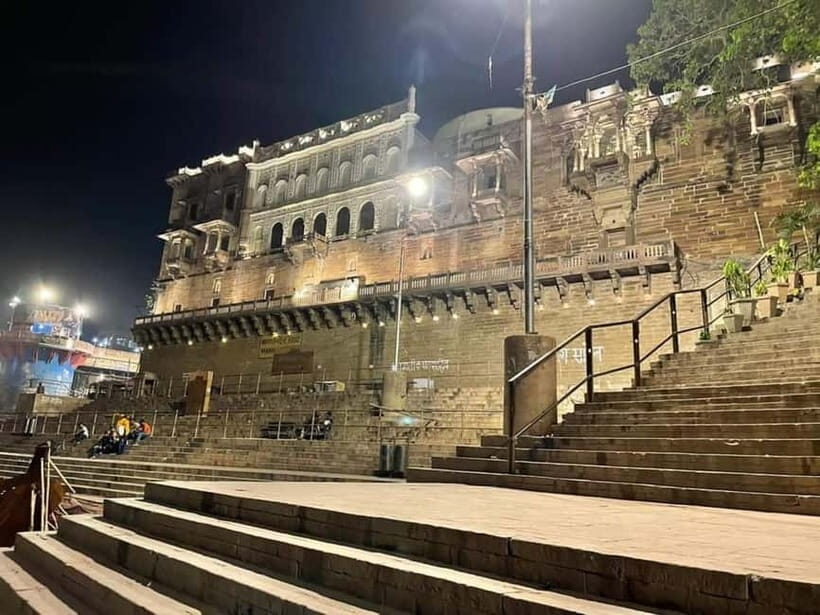
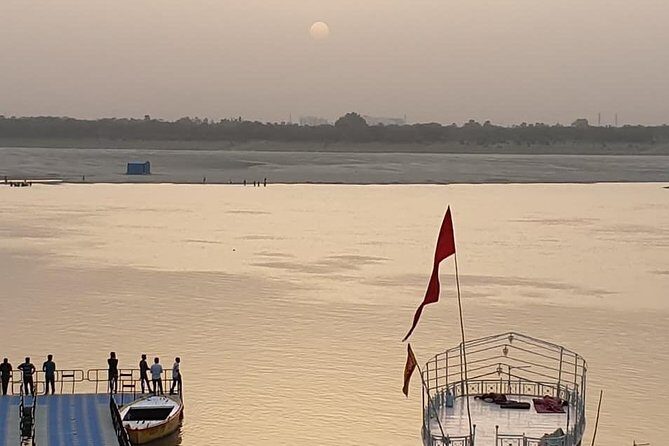
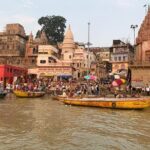
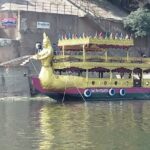
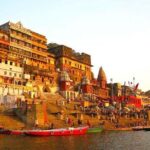
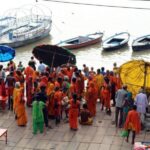
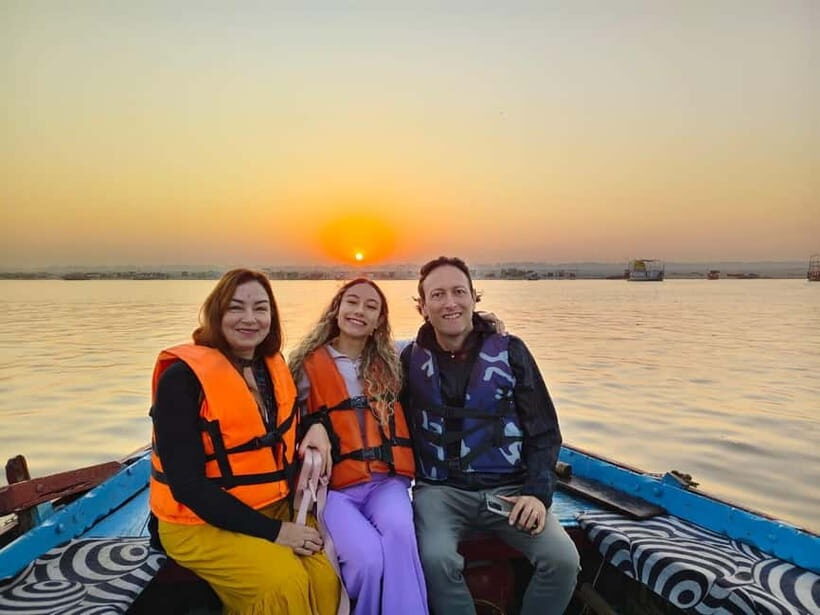
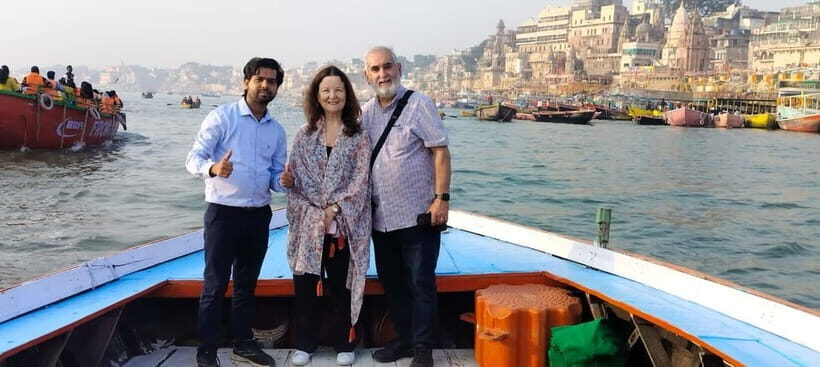
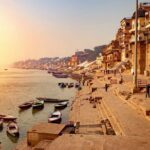
The highlight opener is a sunrise boat ride on the Ganges. You’ll see morning rituals along the riverfront while the city is still waking up, and your guide helps you understand what you’re looking at rather than just photographing it and moving on. One of the nicest parts of a boat perspective is that ghats and temple viewpoints align differently from the water, so it feels like you’re seeing the same place with a new brain.
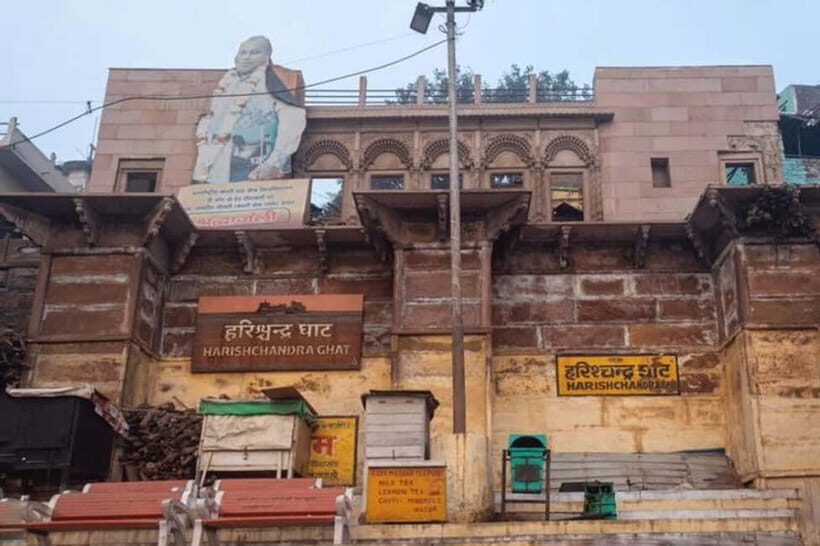
Your itinerary includes time around Assi Ghat and Manikarnika Ghat with guided sightseeing and walking. That matters, because Varanasi’s ghats are not just scenery—they’re the stage for daily life and deep ceremony. You’ll want to bring a towel (it’s listed as a requirement), since mornings can feel damp and you’ll be out around the river.
The tour also includes basics that make boat time easier: bottled water and a cup of tea. Small things, but they help when your day starts before you’ve even finished your first real meal.
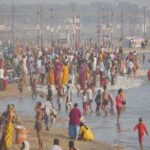
A note on respect: you’ll be near rituals and cremation grounds during the day, and that’s part of Varanasi’s reality. The best way to get through it smoothly is to listen to your guide’s cues, keep your movements considerate, and don’t treat everything as content.
Old Varanasi on foot: Kashi Vishwanath and the meaning behind the alleys
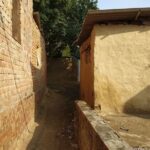
After the river segment, you move into the older city’s maze. This is where a local guide earns their fee. Instead of just pointing at temples, your guide walks you through old alleyways and helps you spot key views of Shri Kashi Vishwanath, one of Varanasi’s holiest Hindu temples.
This kind of walking is also practical. Even if you’re comfortable with cities, Varanasi’s tight streets can drain energy quickly when you’re trying to orient yourself. With a guide, you can focus on what the places mean and how the city’s religious geography works.
You’ll also have built-in transitions. The tour doesn’t force you to remain in one place too long. After temple and walking time, you’re set up to move into a calmer midday rhythm at BHU and other landmarks farther from the riverfront intensity.
BHU at 10:00am: Birla Temple’s exact replica and a needed breather
Around 10:00am, you head to Banaras Hindu University (BHU). The campus was established in 1916 and is described as the largest university campus in Asia, so even if you’re not a campus-tour person, it’s a big change from the ghats.
This stop works for two reasons. First, it gives your eyes and legs a break from tight lanes and river crowds. Second, you get a cultural “bridge” between the spiritual core of Varanasi and a major modern institution rooted in Indian education.
You’ll tour BHU’s campus and also visit the new Vishwanath Temple (the Birla Temple), noted as an exact replica of the original Vishwanath Temple. That’s a strange detail until you think about why replicas matter: they show how religious meaning gets carried, copied, and reinforced across time and space. It’s not the same as the original site, but it’s a strong way to understand how devotion spreads.
Breakfast is available earlier but is own expense, so if you want a smooth energy curve, grab something light and stickable before the BHU portion.
Durga Mandir, Sankat Mochan, and Bharat Mata: temples that teach different lessons
Midday in Varanasi isn’t just another stop—it’s where the city shows you its variety. You’ll spend time at Durga Mandir (also called Durga Kund Mandir). You’ll then move on to Sankat Mochan Hanuman Mandir, a well-known stop for those who want to see a different face of devotion than the main Vishwanath focus.
Then comes one of the most visually distinctive experiences on this route: Bharat Mata Mandir. This shrine isn’t dedicated to a single deity. Instead, it centers on “Mother India” with a large relief marble map of undivided India carved from Makrana marble. The tour also notes it was built by Shiv Prasad Gupta and inaugurated by Mahatma Gandhi in 1936, which gives you a helpful historical anchor for what you’re seeing.
If you’re wondering how these stops fit together, here’s the simple answer: Varanasi isn’t one theme. It’s religion, myth, city identity, and national symbolism all sharing the same streets and schedules.
Also, at 12:30pm, there’s time to learn about silk weaving traditions. That’s a useful pivot point because it shifts from temples into everyday craft. Varanasi’s spiritual life and its daily production lives aren’t separate here.
Lunch is own expense, so plan for the way the day naturally breaks. This is a good moment to eat something that won’t upset your schedule.
You can also read our reviews of more private tours in Varanasi


Sarnath: Dhamekh Stupa, deer park context, and the museum timing
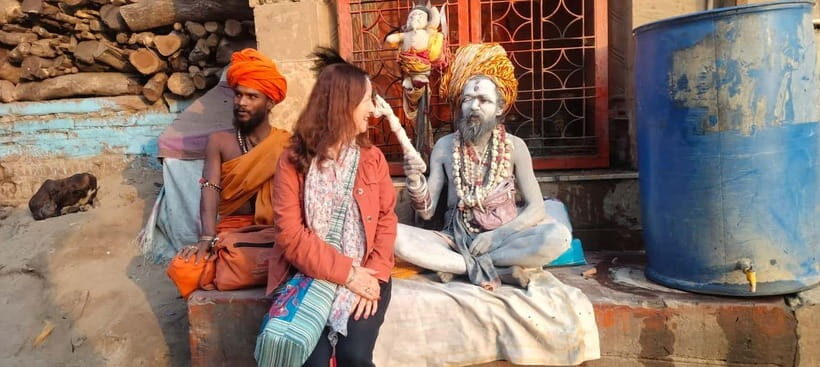
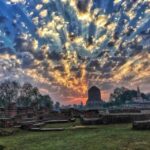
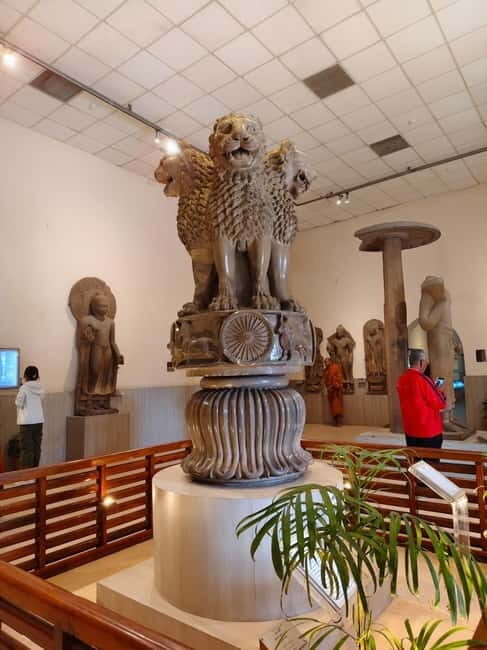
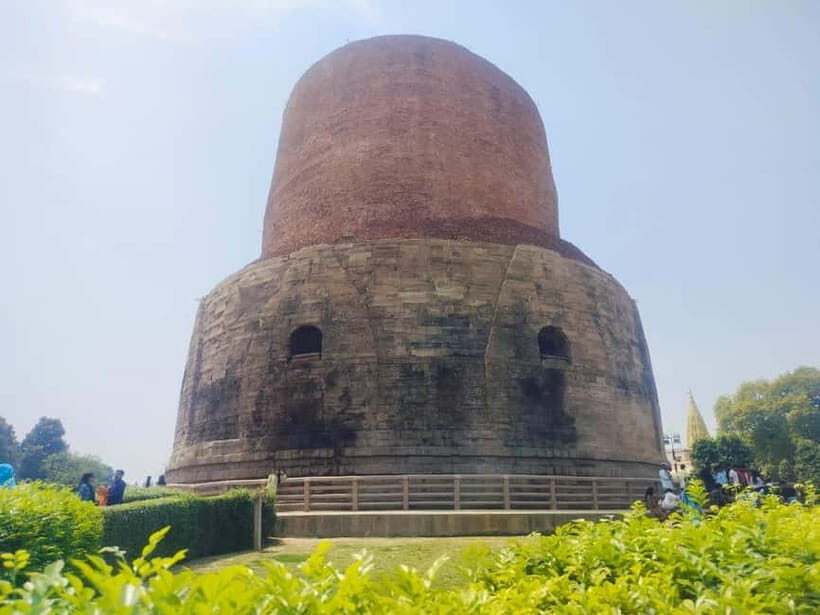
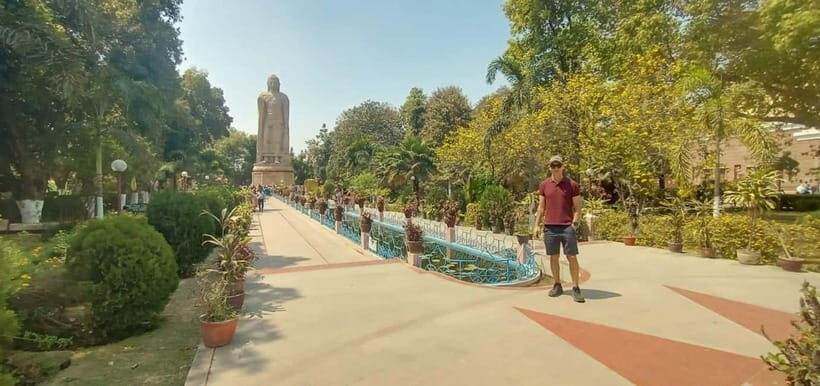
At about 8 miles (13 km) from Varanasi, the trip to Sarnath is short, but the mood changes fast. Your guide takes you to Dhamekh Stupa, known as the place where the Buddha gave his first sermon. You’ll also visit the archaeological museum, which includes treasures dating to the 3rd-century BC.
There’s one timing detail you should actually plan around: the Sarnath museum is closed on Fridays. If your day in Varanasi lines up with a Friday, you’ll still get the key Sarnath sites, but you might miss the museum portion.
Sarnath itself is described as about 10 kilometres northeast of Varanasi, near the confluence of the Ganges and Varuna rivers. It’s also tied to early Buddhist tradition, including the deer park connection for the Dharma teaching and the rise of the Buddhist Sangha through Kondanna’s enlightenment. Even if you’re not a scholar, having that context helps you notice details like how sites are arranged and why specific monuments matter.
Sarnath is often a relief after Varanasi’s intense sensory rhythm. Here you’re not trying to take in everything at once—you’re focusing on the meaning of one spiritual landscape.
Dashashwamedh Ghat and Ganga Aarti: how to handle the evening ritual
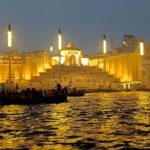
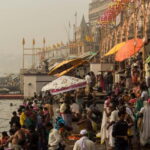
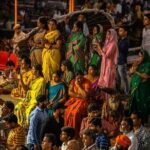
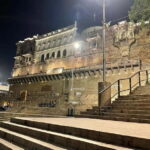
The evening segment starts around 5:00pm with time to view the cremation grounds from the water/river area. Then you return to Dashashwamedh Ghat to watch the Ganga Aarti. This is where the day comes full circle: river as life, river as ceremony, river as a living presence.
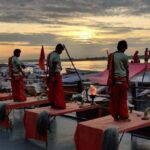
The tour describes the Ganga Aarti as a powerful mix of lights, chants, and reverence. Priests swing glowing lamps, sound conch shells, and offer flowers to the sacred waters. It happens daily around sunset, and it draws a large gathering.
You’ll feel the scale here. Even in a private tour format, this is still a public ceremony with many people close together. So the best approach is to be patient and follow your guide’s handling of viewing spots. Your included car means you don’t have to scramble for transport after the ceremony.
The tour ends with a return to your hotel around 8:00pm, so you’re not stuck in the city late. That’s a quiet gift on a day already starting at 5:30am.
Private car, skip-the-line support, and why AC matters in Varanasi
A private day in Varanasi is mostly about saving mental energy. This tour gives you private vehicles (with air conditioning) so you’re not negotiating river traffic, ride-hailing, or long waits between distant stops. That’s not a luxury-only detail. It’s what keeps the day from turning into fatigue management.
You also get a local guide and the tour notes that you can skip the ticket line. Monument fees aren’t included, but avoiding slow queues at entrance points can still make a big difference when you’re trying to hit boat timing and a sunset ritual.
One practical benefit you’ll feel: the day includes built-in transitions, and the AC car turns those transitions into actual recovery time. In a city where walking and heat can stack up fast, that recovery window helps you enjoy the temples and boat ride instead of just getting through them.
Price and value: is $61 a bargain or a risk?
For $61 per person for a private full-day tour, the value is strongest if you care about structure. You’re getting: pickup and drop-off, a local guide, bottled water and tea, private boat ride, AC car, and guidance at major stops across Varanasi and Sarnath.
The trade-off is that not everything you’ll want to pay for is included. Monument fees are not covered, and lunch and breakfast are own expense. So if you compare this to a cheaper group tour, the math changes based on how you eat and how you handle site entry costs.
Where it’s a great fit: first-timers who want the highlights in one day, and people who don’t want to plan transport between river ghats and Sarnath on their own. Where it’s less ideal: if you prefer slow travel, or if you’re someone who hates structured schedules and early starts.
What to pack and how to stay comfortable all day
The tour is explicit about two items: bring your passport or ID card and a towel. Beyond that, I’d pack for an early morning river day plus temple walking. Even without knowing your exact weather, you’re starting before the sun, and you’ll spend time moving between shaded car breaks and outdoor viewing spots.
Also, because the schedule includes walking through older city lanes and time around ghat areas, comfortable footwear matters. If you’re sensitive to crowds or long standing, use your guide’s pacing cues and take breaks when offered. The tour is designed with breaks, but your body still sets the pace.
One more real-world note: the tour data says it’s not suitable for wheelchair users and people over 70, yet it also lists wheelchair accessibility. That contradiction means you should check directly with the provider before assuming it will work for you. For seniors, it’s smart to ask how much walking is expected on your specific day.
Who should book this Varanasi to Sarnath day
This tour is made for you if:
- You want a private, guided route through Varanasi’s big spiritual and cultural sites
- You like the idea of seeing Varanasi from the Ganges, not just from streets
- You’re curious about both Hindu sites (Kashi Vishwanath, Durga Mandir, Hanuman) and Buddhist heritage in Sarnath
- You value comfort between stops, especially with AC transport
It may be less ideal if you’re traveling super slowly, have limited mobility, or don’t want to be outside for sunrise and evening ceremony timing.
Should you book this tour?
If you’re balancing first-time excitement with real logistics, I’d say yes. This is a tightly planned day that pairs sunrise Ganges moments, guided temple navigation, and the calm contrast of Sarnath, all with private transport and basic hydration support. The $61 price works best when you want the whole arc of Varanasi in one go without doing the planning.
I’d reconsider if monument fees and extra meals would push your budget too far, or if you know you can’t handle an early start plus a full itinerary. If you’re unsure about mobility or age fit, ask questions up front, especially because the notes on suitability include a couple of conflicting signals.
FAQ
FAQ
What time does the tour start?
Pickup starts at about 5:30am from your hotel in Varanasi. The day ends with a return around 8:00pm.
Is the boat cruise included?
Yes. You get a private boat ride on the Ganges River as part of the tour.
Do I get air-conditioned transportation?
Yes. The tour includes private vehicles with air conditioning.
What sites are included in the day?
You’ll visit major Varanasi stops such as Assi Ghat, Manikarnika Ghat, and Kashi Vishwanath Temple, then BHU, Durga Mandir, Sankat Mochan Hanuman Mandir, Bharat Mata Mandir, and Sarnath (including Dhamekh Stupa). The day finishes at Dashashwamedh Ghat for the Ganga Aarti.
Are monument fees included?
No. Monument fees are not included in the price.
Is breakfast or lunch included?
Breakfast and lunch are listed as own expense.
Is the Sarnath Archaeological Museum always open?
No. The museum remains closed on Fridays.
What languages are the guides available in?
The live guide is available in English, Spanish, Japanese, Italian, Hindi, and Hindi.
Is the tour wheelchair accessible?
The information provided includes both wheelchair-related notes: it lists wheelchair accessibility, but it also states the tour is not suitable for wheelchair users. Check with the provider before booking.
Can I cancel or pay later?
Yes. You can cancel up to 24 hours in advance for a full refund. You can also reserve now and pay later.