REVIEW · VARANASI
5-Day Private Sightseeing Tour of Varanasi Ayodhya and Prayag
Book on Viator →Operated by Grand India Tours & Travels · Bookable on Viator
Five days of sacred rivers can change you.
This private sightseeing tour strings together Varanasi, Ayodhya, and Prayagraj with an air-conditioned car and your own guide, so you can move at a human pace instead of rushing with a crowd. Two things I especially like: the included Ganga Aarti on Day 1 (with ticket included), and the way the plan builds in prayer moments plus practical temple sightseeing across all three cities.
One thing to keep in mind: part of the spiritual experience involves optional costs—things like guide fees and special puja requests—so the base price is only the start of what you might spend.
In This Review
- Key things to know before you go
- Why this private Varanasi–Ayodhya–Prayagraj route feels personal
- Day 1 in Varanasi: Ganga Aarti, pickup, and your first night view of the river
- Day 2 in Kashi: Golden Temple time, Banaras Hindu University, Tulsi Manas and Sankat Mochan
- Shri Kashi Vishwanath Temple and the temple cluster walk
- Banaras Hindu University (BHU) and the modern campus in the middle of old Varanasi
- Tulsi Manas Temple and Sankat Mochan: specific stories, not generic temple stops
- Sarnath: Buddhist temples and a powerful first-sermon reference
- Day 3 to Ayodhya: Ram Janma Bhoomi, Hanuman Garhi, and Nageshwarnath
- Day 4 to Prayagraj: Saryu snan, Ram Ki Paidi, then your drive onward
- Ram Ki Paidi and the Saryu river focus
- Evening sightseeing in Prayag
- Day 5 at Triveni Sangam: early puja, Hanuman temple, Bhardwaj ashram, then back to Varanasi
- Price and logistics: what’s included, and what costs can pop up
- What’s included
- What is not included (and can affect your total budget)
- My practical advice on money
- Service quality: when your guide actually listens
- Who should book this tour (and who should adjust expectations)
- Should you book this tour?
- FAQ
- What cities does this 5-day private tour cover?
- Where does the tour start?
- How long is the tour?
- What’s included in the price?
- Are all temple and site tickets included?
- Do I need to pay a guide fee?
- Is there a boat ride besides Varanasi?
- Are pujas included?
- Does the tour include hotel meals?
- What is the cancellation policy?
- What time window does pickup operate?
Key things to know before you go
- Private schedule: you can adjust timing and stay focused on what you care about.
- Ganga moments included: boat ride in Varanasi plus the evening Ganga Aarti.
- Early mornings are real: day plans include sunrise-ish temple time and snan (holy bath) options.
- Some admissions are extra: several temples and sites list admission as not included.
- Puja budget helps: special prayers can add up if you decide to participate deeply.
- Comfort on the road: AC vehicle through long travel blocks between cities.
Why this private Varanasi–Ayodhya–Prayagraj route feels personal
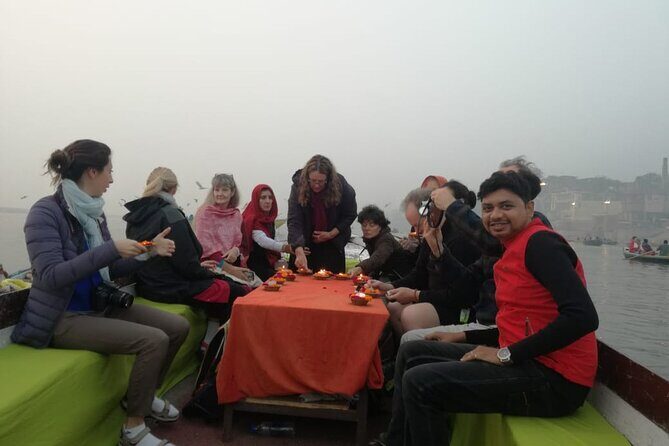
Varanasi, Ayodhya, and Prayagraj are not just places on a map. They’re places where the day runs on rituals, queues, and timing. What makes this tour workable is that it’s built as a private route, not a fixed group march. You get a guide who can respond to your pace when temples feel crowded or when you want a little more time to sit, watch, and take it all in.
The tour also mixes big-name sights with smaller stops that give context. In Varanasi, you’re not only doing one temple. You’re moving through clusters like Kashi Vishwanath and related shrines, then you slide into Sarnath for the Buddhist side of this region’s spiritual story.
Practical note: this is a religious circuit, so plan to walk. Comfortable shoes help. Also, bring something for heat and dust because even with an AC car, your feet still do the work around temple zones.
You can also read our reviews of more private tours in Varanasi

Day 1 in Varanasi: Ganga Aarti, pickup, and your first night view of the river
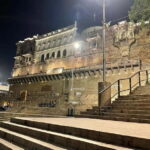
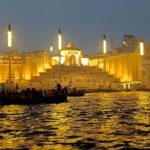
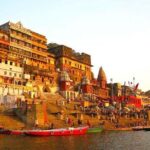
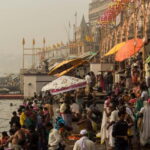
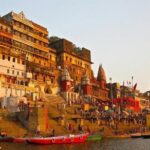
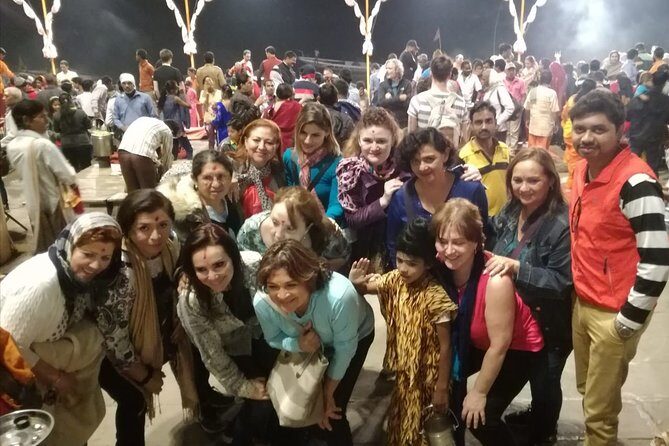
Day 1 is built around arrival plus atmosphere. You’re picked up from Lal Bahadur Shastri International Airport in Varanasi (Babatpur side), then you go straight to your hotel and settle in. The main event is the evening Ganga Aarti. You get a start time that fits the daily rhythm, and admission for that ceremony is listed as included.
What you’ll feel here is why Varanasi has earned its reputation. The river isn’t a backdrop—it’s the center of the performance. You’ll be close enough to understand the choreography of lamps and chanting, without the stress of trying to figure out where to stand on your own.
The rest of the evening is night stay in Varanasi. You’ll likely need that recovery time. Even before the early mornings begin, the sights and sounds around the ghats can be intense.
Day 2 in Kashi: Golden Temple time, Banaras Hindu University, Tulsi Manas and Sankat Mochan
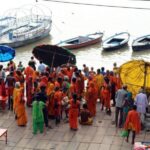
Day 2 is the kind of day that makes you glad you picked a tour instead of attempting it solo. The morning starts early with a Ganga snan boat ride, then you head into the cluster of temples around Kashi.
Shri Kashi Vishwanath Temple and the temple cluster walk
You start at Shri Kashi Vishwanath Temple, often called the Golden Temple. This stop is the spiritual “anchor” of the day. After that, the itinerary keeps you moving through nearby temples, including Annapurna temple, Vishal akshi temple, Bhu Bharat mata Mandir, Durga temple, and Sankat Mochan Temple.
A practical expectation: even when you’re not paying admissions for each stop, you may still face lines, crowd flow, and tight paths. The upside of a private tour is that your guide can help you navigate the best order and keep the stops from turning into aimless wandering.
Banaras Hindu University (BHU) and the modern campus in the middle of old Varanasi
Then you shift gears to Banaras Hindu University, founded by Madan Mohan Malviya in 1920. This isn’t just a sightseeing detour. It gives you a different angle on Varanasi—education and scholarship alongside devotion.




Tulsi Manas Temple and Sankat Mochan: specific stories, not generic temple stops
Two other highlights in the plan are Tulsi Manas Temple and Sankat Mochan Temple.
Tulsi Manas Temple is devoted to the Ramcharitmanas by Goswami Tulsidas. It’s also linked with the idea that its temples are in white marble, noted as done in 1955. Sankat Mochan is devoted to Shri Hanuman ji and is said to have been founded by Goswami Tulsidas ji in the 16th century.
These details matter. They help you look at what you’re seeing as living tradition, not just architecture.
Sarnath: Buddhist temples and a powerful first-sermon reference
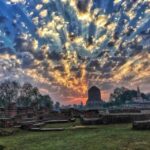
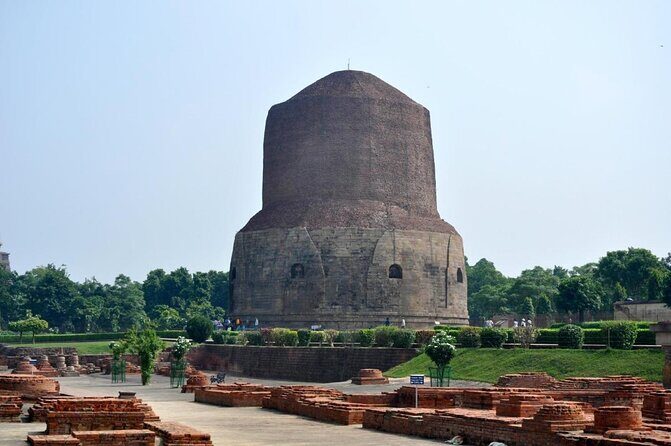
In the afternoon, you head to Sarnath, with time to visit Buddhist temple sites. The tour description points to the moment when Lord Buddha delivered his first sermon at Dhamak Stupa (spelled that way on the itinerary). Even if your background is more Hindu than Buddhist, Sarnath gives you a calm counterpoint to the river ghats.
Day 2 finishes with night stay back in Varanasi.
Day 3 to Ayodhya: Ram Janma Bhoomi, Hanuman Garhi, and Nageshwarnath
On Day 3, you drive to Ayodhya. After breakfast, you check in at your hotel, then you do evening sightseeing.
The anchor stop is Shri Ram Janma Bhoomi. The plan marks it as a 1-hour visit and notes admission as free. Expect a strong atmosphere here. Also expect crowds and some walking. One review noted that a Ram mandir visit can involve roughly a half-hour queue walk—so you’ll want patience and a plan for where to place water and personal items.
After that, you go to Hanuman Garhi Mandir, a famous Hanuman temple in Ayodhya, and then to Nageshwarnath Temple, described as ancient and devoted to Lord Shiva by King Dashrath in Treta Yug.
These two stops add balance. Hanuman Garhi brings devotion that feels grounded and personal. Nageshwarnath adds the Shiva layer, so the day doesn’t become only one narrative.
Practical note: with temple travel like this, it helps to keep your expectations flexible. Some sites may feel deeply moving, while others may feel more informational. That’s normal on a route like this.
Day 4 to Prayagraj: Saryu snan, Ram Ki Paidi, then your drive onward
Day 4 starts early again. You begin with Ram Ki Paidi, plus a Saryu snan (holy bath) and visits to Ram Janki Temple and Dashrath Temple. After breakfast, you check out at 1200 hours and then drive to Prayag (Prayagraj). Evening sightseeing follows, then night stay.
Ram Ki Paidi and the Saryu river focus
Ram Ki Paidi is positioned as the morning ritual anchor. The tour also lists the Saryu River as very holy, connected to Vashishth rishi, and includes holy bath and puja time. If you’re coming from Varanasi, this is your second “river-ritual” day, and it feels like a theme rather than a random stop.
You’ll likely spend time in a mix of religious activity and river-facing views. Even if you don’t participate in every puja, just watching the flow of people and the rhythm of devotion is part of the experience.
Evening sightseeing in Prayag
The evening block in Prayag is a chance to reorient after the drive. The itinerary doesn’t list every temple here, but the structure is clear: morning ritual in the river area, then transit, then sightseeing before sleep.
Day 5 at Triveni Sangam: early puja, Hanuman temple, Bhardwaj ashram, then back to Varanasi
Day 5 is early and focused. You go to Triveni Sangam in Prayagraj for morning snan and puja, plus stops at a Hanuman temple and Bhardwaj ashram. Admission is listed as free, and the visit is marked as about 1 hour.
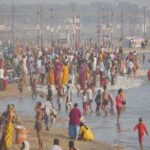
Triveni Sangam is one of the most famous ritual meeting points in India. Here, the idea of three rivers converging is what draws people, but the experience is also about the human side—families, pilgrims, priests, and the shared sense that morning matters.
After the morning activities, you return to the hotel for breakfast. You check out at 1200 hours, then you’re dropped at Varanasi Airport for an evening flight.
That timing is helpful if you want to minimize travel days. It also means you’re not lingering too long at any one spot. If you love one place—like the ghats or the temple cluster—you might feel a bit rushed at the end. A private tour helps with small adjustments, but the final-day airport transfer is fixed by the schedule.
Price and logistics: what’s included, and what costs can pop up

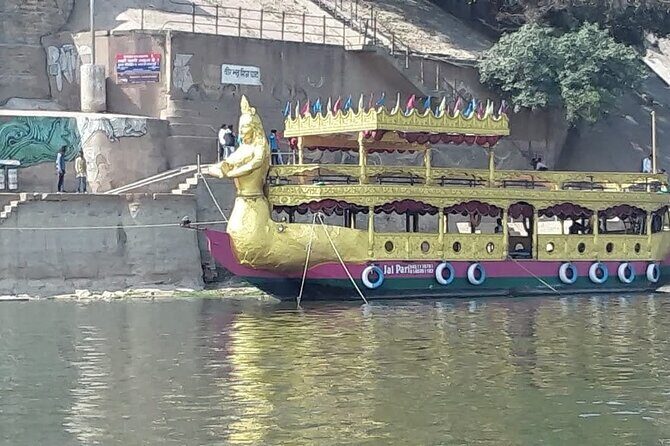
This tour costs $209.68 per person, booked about 28 days in advance on average. For that price, you’re getting a lot of “keep it simple” items: 3-star hotel accommodation with free breakfast, an air-conditioned vehicle, and boat ride in Varanasi with no extra charge, plus breakfast on 4 days.
That’s real value if you don’t want to arrange transport, hotels, and multi-city routing yourself.
What’s included
- AC vehicle for transfers and sightseeing blocks
- 3-star hotels with free breakfast
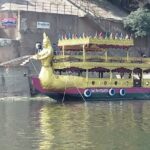
- Boat ride in Varanasi (no extra cost)
- Ganga Aarti ticket included on Day 1
- Breakfast included (4)
What is not included (and can affect your total budget)
Here’s where you’ll want to plan ahead. The tour lists several costs not included:
- Guide fee: 500₹ per person for Varanasi and Ayodhya
- Ayodhya & Allahabad boat: 250₹
- Temples special puja: up to 500₹
- Pind daan puja: approximately 1100₹
- Ramnagar fort admission: ₹50 per person
Also, many temple and site entries are marked as not included (for example, Sarnath and some temple admissions), meaning you may pay onsite if needed.
My practical advice on money
Set aside a small “religious add-ons” buffer even if you don’t plan to do anything fancy. If you decide to participate in a puja, you’ll appreciate having the flexibility. If you want a simpler experience, you can often keep things to the free visits and the main included ceremonies.
Service quality: when your guide actually listens
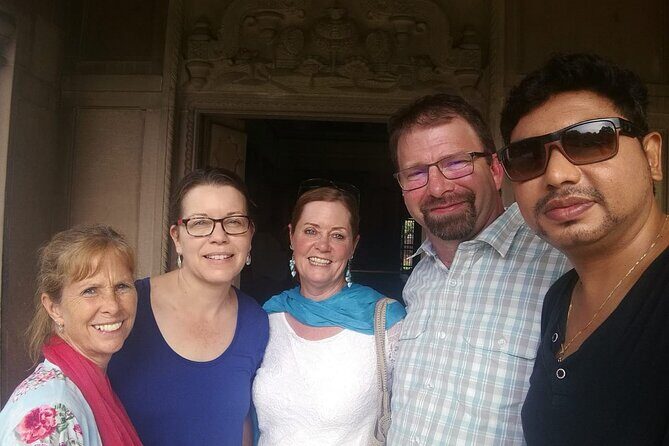
One of the most praised parts in the feedback is the guide experience. A name that came up is Manish, described as helpful, dedicated, and open-minded, with a strong habit of listening to what people want to see. That kind of guidance matters on a route like this, because “sacred places” aren’t all the same. Some people want quick darshan; others want pauses for photos and quiet time.
The private format helps you benefit from that. You’re not forced to follow a one-size schedule when you’d rather spend extra minutes at a temple that hits you.
Who should book this tour (and who should adjust expectations)
This tour fits best if you:
- want a guided route across three major pilgrimage cities
- appreciate early starts when they tie to rituals
- prefer an AC car and planned transitions over DIY navigation
- like a mix of Hindu pilgrimage sites and Sarnath’s Buddhist connection
You may want to adjust expectations if you:
- hate queues and slow movement inside temple zones
- only want “top 10” landmarks and not a full day-by-day rhythm of multiple shrines
- expect every temple to feel equally engaging. Some stops are more about belief and practice than wow-factor architecture.
Also, if hotel location matters a lot for you: one review mentioned a stay at Clarks Inn Express being good but fairly far from the mandir areas. Your placement could differ, but it’s a reminder to check how far your hotel is from the main walking zones, especially when mornings start early.
Should you book this tour?
I’d book it if your priority is a structured, private route that protects your time: hotel, AC transport, and key ceremonies handled. The included Ganga boat ride and Day 1 Ganga Aarti alone make this feel like more than a basic “temple checklist.”
I would also book it if you like being flexible. This plan works best when you treat it like a guided pilgrimage circuit with practical sightseeing rather than a museum tour.
Don’t book it blindly if you’re on a tight budget and don’t want any extra spending for pujas or guide fees. You can still keep costs controlled, but you should go in knowing the add-ons are part of the religious environment here.
If you want my simple rule: choose this tour when you want guidance and timing more than you want maximum freedom. It’s the right trade in a place where getting lost is easy.
FAQ
What cities does this 5-day private tour cover?
It covers Varanasi, Ayodhya, and Prayag (Prayagraj).
Where does the tour start?
Pickup is offered from Lal Bahadur Shastri International Airport, Varanasi (Babatpur, Uttar Pradesh).
How long is the tour?
It’s listed as 5 days (approx.).
What’s included in the price?
You get an air-conditioned vehicle, 3-star hotel accommodation with free breakfast, a boat ride in Varanasi, and breakfast for 4 days. Admission for Ganga Aarti is included.
Are all temple and site tickets included?
No. Some sites list admission as not included, such as Sarnath, while others are marked as free or included.
Do I need to pay a guide fee?
Yes. The guide fee is listed as 500₹ per person for Varanasi and Ayodhya, and it is not included in the tour price.
Is there a boat ride besides Varanasi?
Yes, there’s an Ayodhya & Allahabad boat listed at 250₹, but it is not included in the price.
Are pujas included?
Temples special puja (up to 500₹) and pind daan puja (about 1100₹) are listed as not included, meaning you pay if you choose to do them.
Does the tour include hotel meals?
Breakfast is included for 4 days, and hotels are described as including free breakfast.
What is the cancellation policy?
You can cancel for a full refund up to 24 hours in advance of the experience start time.
What time window does pickup operate?
The opening hours listed are Monday to Sunday: 6:00 AM–8:30 AM and 1:30 PM–7:30 PM.