REVIEW · VARANASI
All Inclusive : Private Guided Tour of Varanasi and Sarnath
Book on GetYourGuide →Operated by Limra Holiday · Bookable on GetYourGuide
Varanasi starts early, and that matters. This 7-hour private tour strings together the big spiritual highlights of Varanasi and Sarnath, with a morning hand-rowed boat on the Ganges, temple visits, and the evening Ganga Aarti at Dashashwamedh Ghat.
I like how much of the day is spent where the rituals actually happen, not just where you take photos. I also love the private live guide, because the explanations turn sights like the Kashi Vishwanath Temple and Sarnath’s Dhamekh Stupa into something you can make sense of quickly.
One consideration: the boat ride is early and the Ganges watercraft can be noisy, so if you rely on hearing every detail, plan for that. Comfortable shoes are a must, and the tour is not suitable for pregnant women.
Key points I’d plan around
- 5:30 a.m. hand-rowed Ganges boat for the best view of bathing ghats at sunrise
- Kashi Vishwanath Temple tied to the Jyotirlingas and Shiva traditions
- Sarnath’s Dhamekh Stupa plus a chance to visit the archaeological museum (closed Fridays)
- Evening Ganga Aarti at Dashashwamedh Ghat right back in Varanasi
- Private, multilingual guide to connect what you’re seeing to the meaning behind it
In This Review
- A 5:30 a.m. Ganges boat ride that sets the tone for Varanasi
- Manikarnika Ghat and Assi Ghat: rituals you can actually see
- Kashi Vishwanath Temple: the Jyotirlinga story in real space
- BHU and Bharat Mata Mandir: learning Varanasi’s mindset
- Sarnath’s Dhamekh Stupa: the Buddha’s first sermon site
- Dashashwamedh Ghat and evening Ganga Aarti: color, fire, and devotion
- Price and value: what $31 per person really covers
- Private logistics that make the day feel manageable
- Who this tour is best for (and when to rethink)
- Should you book this Varanasi and Sarnath private tour?
- FAQ
- What time does the tour pickup happen?
- Is the morning boat ride included?
- What stops are included in the itinerary?
- Is Sarnath’s archaeological museum included?
- Are monument entry fees included?
- Does the tour include food?
- Is this tour suitable for pregnant women?
A 5:30 a.m. Ganges boat ride that sets the tone for Varanasi
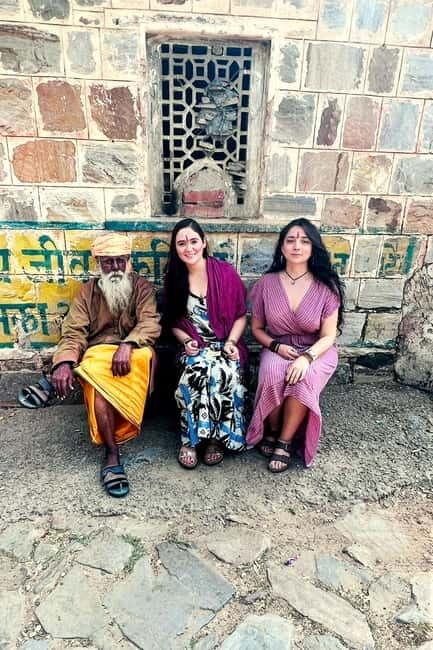
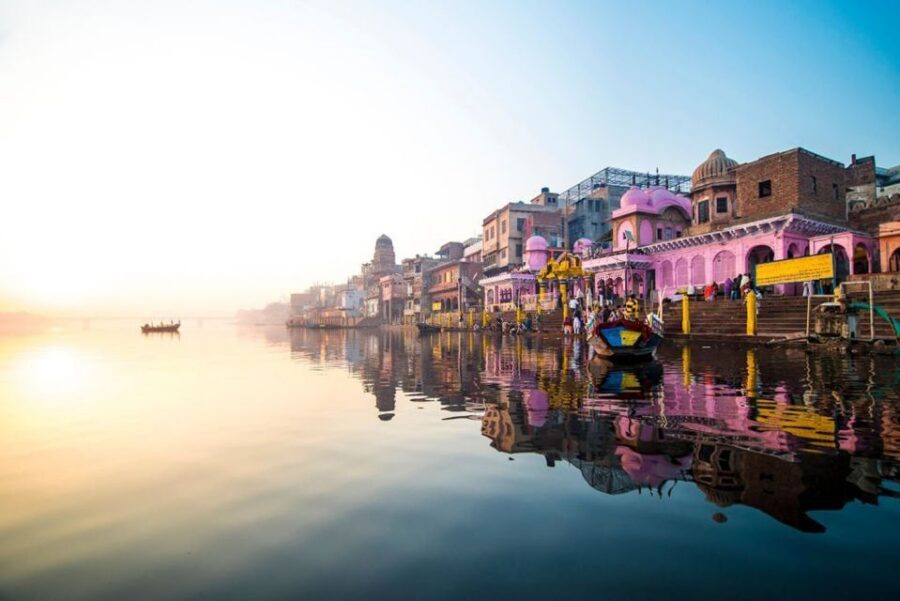
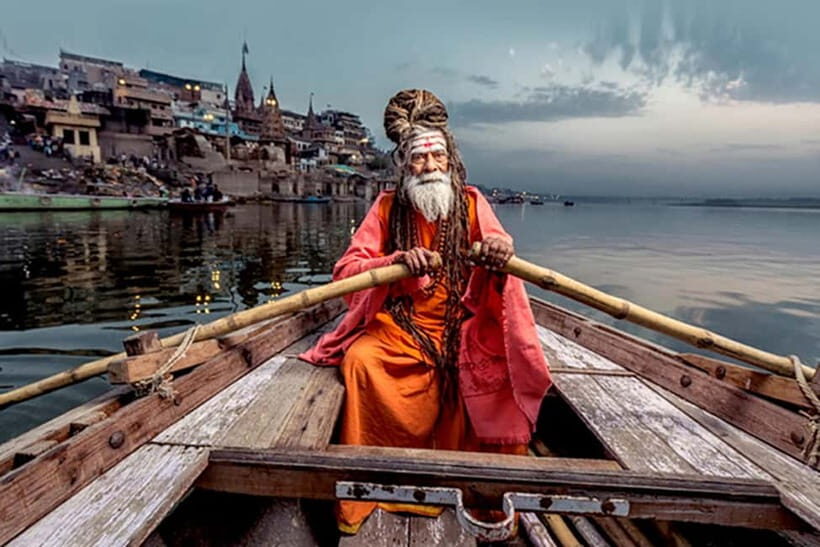
The day kicks off with an early pickup at 5:30 a.m. from Varanasi, Sarnath, or Varanasi cantonment, and then you head out for a boat ride on the Ganges. The tour uses a hand-rowed boat (weather permitting), and the point isn’t just transportation. It’s perspective.
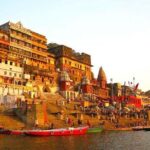
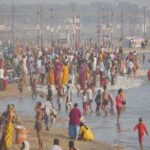
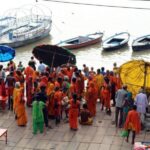
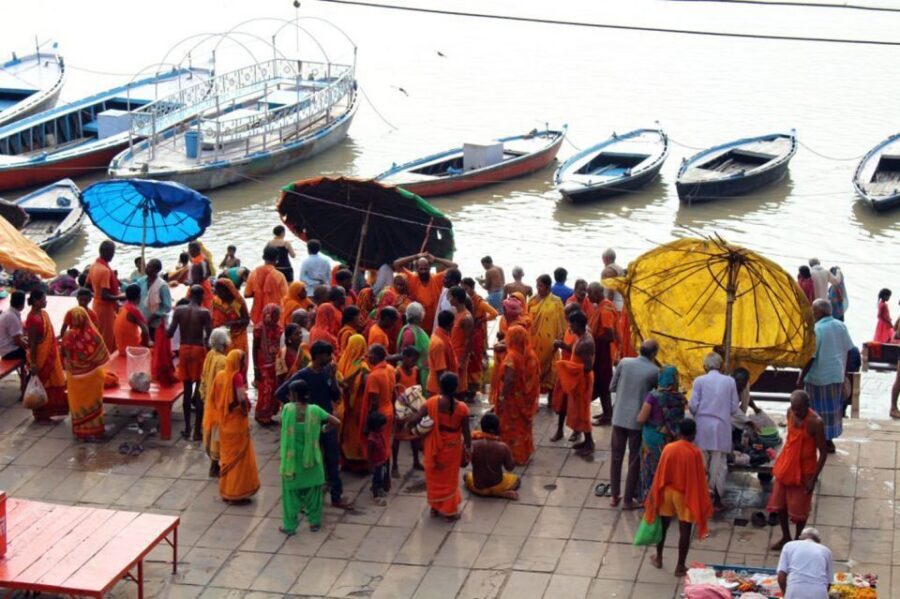
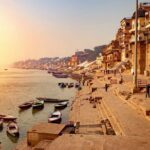
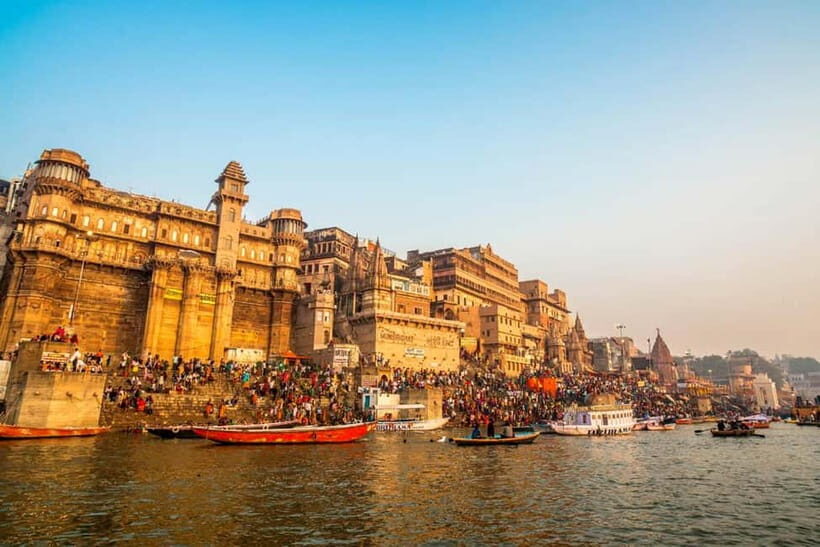
From the water, the bathing ghats, ritual areas, and cremation sites along the riverbank come into focus as part of one living system. You’ll see morning activity close up: people bathing, gathering, and moving through routines that feel old because they have been repeated for generations. Sunrise light on the riverfront also helps you get oriented fast—your brain stops treating the city like one big blur and starts sorting it into meaningful zones.
I like that the boat is scheduled early enough to catch that first wave of energy, but not so early you feel wrecked all day. Still, you’re going to be up before most normal schedules, so set expectations for an early start.
A practical note: one issue that can happen on a boat is sound. In at least one experience, the guide was harder to hear because of the engine noise. If you’re the type who loves listening closely, don’t assume every word will be crystal clear during the ride. It’s worth focusing on the sights first, then letting the guide fill in more detail once you’re back on land.
Manikarnika Ghat and Assi Ghat: rituals you can actually see
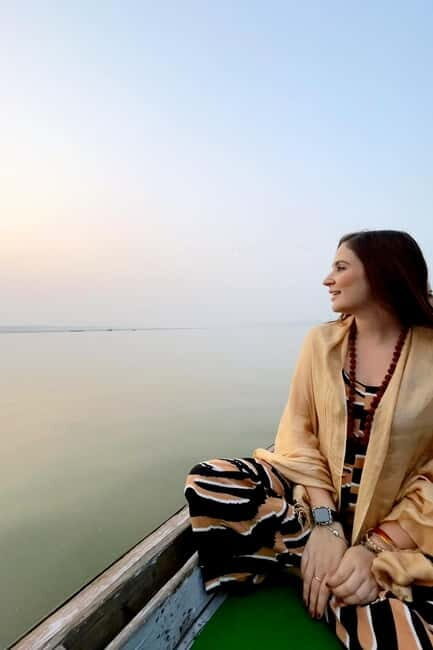
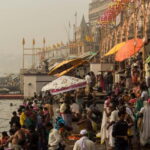
After the boat, the itinerary keeps you moving through Varanasi’s ghat geography. You’ll stop at Manikarnika Ghat, where you can make out the cremation area and see how central river life is to Hindu practice. Even if you’ve seen images before, watching this kind of activity from a guided, context-rich route changes how you read the scene.
Then you’ll have a quick stop at Assi ghat as well. This isn’t just another postcard stop; it’s part of what makes Varanasi feel like a place where spiritual routines are woven into everyday movement. The tour includes photo stops and short guided segments here, so you can take in the atmosphere without losing the schedule.
What makes the ghats valuable on a private format is timing and clarity. You’re not stuck in a group with a rushed script, and you have a guide to explain what you’re looking at: why the river matters, what the spaces are used for, and how different rituals connect to beliefs.
The main drawback is also the obvious one: ghats are active and you should expect crowds, uneven surfaces, and standing time. Bring comfortable shoes, and keep your pace steady. If you have balance issues, plan to move slowly and hold your footing.
You can also read our reviews of more guided tours in Varanasi


Kashi Vishwanath Temple: the Jyotirlinga story in real space
Next up is Shri Kashi Vishwanath Temple, dedicated to Vishveswara (Shiva as lord of the universe). This temple is described as one of the twelve Jyotirlingas, which is important because it gives the site a level of religious status that goes beyond local worship.
A guide visit here is where your day can change gears. You’ll get the temple context you need before you’re deep in the crowd. The temple sits on the western bank of the Ganges, and that geography matters—this isn’t a random structure in a random neighborhood. It’s tied directly to the river and the idea of Varanasi as a sacred place.
You’ll have a photo stop and a guided visit for about 30 minutes. That’s a practical amount of time: enough to understand what you’re seeing and to look around, but not so long that you lose track of the rest of the day’s highlights.
One more reality check: temple areas can be intense—busy, spiritual, and full of movement. If you want quiet sightseeing, this stop may feel crowded. If you’re okay with that, the experience feels powerful because it’s not staged. It’s in use.
BHU and Bharat Mata Mandir: learning Varanasi’s mindset
After temple time, the route shifts to education and cultural context. You’ll visit Banaras Hindu University (BHU), established in 1916, and you’ll tour the campus, including the Bharat Kala Bhavan museum and the new Vishwanath Temple (Birla Temple), described as a replica of the original Vishwanath Temple.
This part of the day is a smart change of pace. In many temple-heavy itineraries, you only see worship spaces. Here, you also get an institutional view of how Varanasi thinks, studies, and preserves culture. BHU is noted as the largest university campus in Asia, so even before you get into museum details, the scale helps you understand how much academic identity is tied to the city.
Then you’ll head to Bharat Mata Mandir, dedicated to the goddess who represents all the goddesses in Indian culture, with the idea that it personifies India as a mother goddess. Instead of typical statue-focused worship, the tour describes a huge marble map of undivided India carved into the temple.
This is one of those stops that makes you stop and look longer. If you’re curious how religion, identity, and symbolism overlap in India, this temple gives you a specific visual anchor. It’s not just a pretty building; it’s a statement in stone.
The itinerary also mentions learning about silk weaving traditions of Varanasi after the temple visits. Then lunch is on your own. That’s a good setup if you want to try local food without letting the tour schedule rush you. Just remember you’ll need to plan for it, because the tour doesn’t include food.
Sarnath’s Dhamekh Stupa: the Buddha’s first sermon site
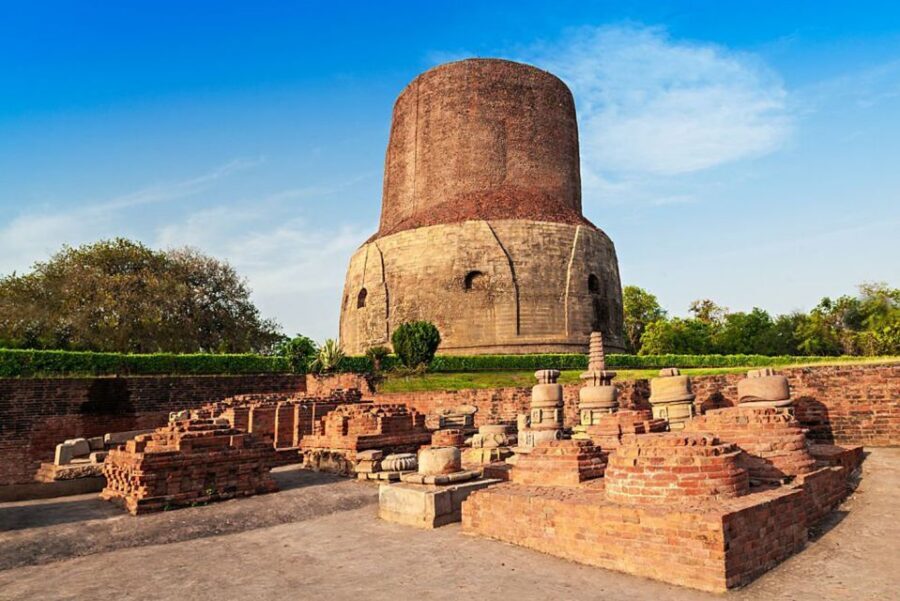
By the time you reach Sarnath, the day’s focus shifts from Hindu landmarks to a major Buddhist pilgrimage center. The tour frames Sarnath as a place where, after enlightenment at Bodh Gaya, Lord Buddha delivered his first discourse—referred to as Maha Dharm Chakra Pravartan.
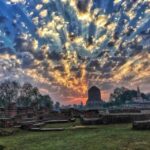
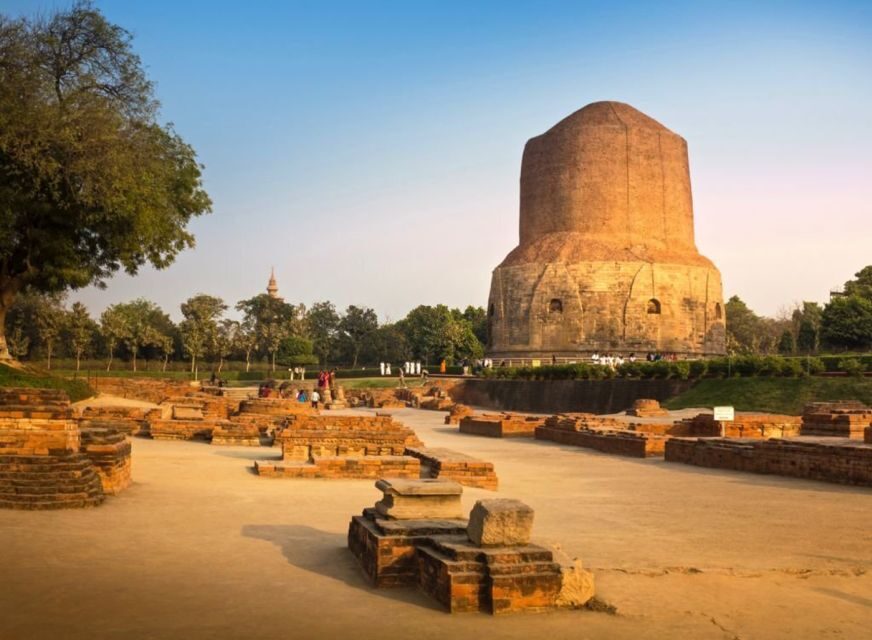
The visit centers around the Dhamekh Stupa, plus several other structures that show the importance the place held after that early preaching moment. Even if you aren’t a deep Buddhist scholar, this site is easy to connect to because the story is clear and the architecture supports it.
You’ll also visit the Archaeological Museum, where the tour information says you can see treasures dating to the 3rd century BC. Important timing detail: the museum is closed on Fridays. If your day lands on a Friday, you may need to accept that this portion won’t happen, and you’ll want to enjoy the stupa and surrounding remains more heavily instead.
Sarnath works well on a private schedule because it’s not just “walk and see.” You have time to pause, look, and ask why these structures are significant. The guide’s job here is to turn the physical layout into a story you can follow.
This is also a quieter change from Varanasi’s ghats. Sarnath often feels more open, more contemplative, and easier to photograph without as much river-level bustle. You still get the spiritual weight, but the rhythm is different.
Dashashwamedh Ghat and evening Ganga Aarti: color, fire, and devotion
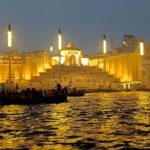
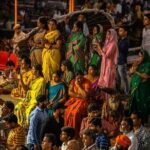
The day ends back in Varanasi at Dashashwamedh Ghat for the Ganga Aarti ceremony. This is performed at dusk on the banks of the Ganges using fire as an offering to Maa Ganga, described as the goddess of the holy river.
The tour gives you exactly what you need to appreciate it: it’s a devotional ritual, and the experience is tied to dusk timing. You’ll get around an hour here with photo stop and guided context.
What I like about planning this on a guided itinerary is that you’re not just watching fire go up and down. You understand why people gather, what the ceremony is doing symbolically, and why the ritual looks similar across time. It helps you avoid treating the moment as only spectacle.
Also, this is where Varanasi often hits hardest. The whole day has been about spiritual life and the river’s role, and then the evening ceremony turns those earlier scenes into a fuller picture. If you’re tired from the early morning, this hour is a strong payoff.
Expect standing and crowd conditions along the ghats. Keep your footing, keep your phone secure, and focus on the ceremony rather than trying to capture every second.
You can also read our reviews of more private tours in Varanasi

Price and value: what $31 per person really covers
The listed price is $31 per person for a 7-hour private guided experience. For that cost, you’re not paying just for a driver. You’re getting an AC vehicle, a private live tour guide, and pickup and drop-off included from locations you choose (airport, hotel, railway station, or other desired spot).
On top of that, you may get monument entry fees if you select that option. You’ll also receive complimentary mineral water during the tour.
If you choose the option that includes it, you get the morning boat ride as well (weather permitting). For a lot of people, the boat is the difference between a typical sightseeing day and a day that feels like you are seeing Varanasi’s spiritual geography instead of just moving between landmarks.
What’s not included is just as important: food and drinks are on you. Lunch is explicitly own expense. So the value is strongest if you budget for at least lunch, plus any snacks or water you might want beyond what’s provided.
If you’re comparing alternatives, the big value lever here is that it’s private. You’re not negotiating a shared pace through temples, ghats, and a second city (Sarnath). Your guide can keep the flow logical and keep you from missing key points.
Private logistics that make the day feel manageable
The tour supports multiple pickup locations: Varanasi, Sarnath, or Varanasi cantonment, and you can also arrange pickup from airport, railway station, or your hotel. That matters because Varanasi traffic and distances can mess with your timing if you have to coordinate yourself.
The day’s structure is built around fixed anchors: boat ride in the morning, temple and cultural stops mid-day, then Sarnath, then the Ganga Aarti at dusk. Because it’s guided and scheduled, you’re less likely to lose time hunting down directions.
Languages are also a real plus: the guide is available in English, Spanish, German, French, Russian, Japanese, and Italian. If you’re not fluent in English, this can be the difference between hearing instructions you understand and hearing explanations that barely land.
One more practical point: the tour is not suitable for pregnant women, likely because of the early start and the nature of walking around ghats and temples. If that applies to you, you’ll want to choose a different format.
Who this tour is best for (and when to rethink)
This experience is ideal if you want a guided day that connects dots between river life, Hindu worship, and a key Buddhist pilgrimage site.
I think it fits best for:
- People who like spiritual and religious context, not just architecture and photos
- Visitors who prefer private pacing so the guide can explain as you go
- Early risers who can handle a 5:30 a.m. pickup without turning grumpy by midday
I’d rethink it if:
- You’re not comfortable with standing time at ghats and crowded temple zones
- You strongly dislike early mornings
- You need a trip designed around very quiet, minimal walking
The boat ride deserves a specific mention. If hearing the guide matters to you, remember that boat noise can make it harder to catch every word while you’re on the water. Still, the tradeoff is that you get one of the best viewpoints of the Ganges morning scene.
Should you book this Varanasi and Sarnath private tour?
Yes, I’d recommend booking it if you want one day that covers the city’s most famous religious themes with a guide who can explain what you’re seeing. The mix is smart: sunrise Ganges boat ride, Kashi Vishwanath Temple, BHU and Bharat Mata Mandir for cultural context, then Sarnath’s Dhamekh Stupa, and finally the evening Ganga Aarti.
Book it especially if you value private guidance, multilingual support, and a schedule that actually protects your time. If you’re the type who gets value from understanding ceremonies and sacred spaces, you’ll feel satisfied by the end of the 7 hours.
If you’re on a tight budget, remember that food is not included and museum entry depends on the selected option. But even with that in mind, the combination of AC transport, private guide time, and the added boat and evening ceremony moments is a solid value for a first (or only) trip to this area.
FAQ
What time does the tour pickup happen?
Pickup is at 5:30 a.m. from your hotel or other chosen location in Varanasi.
Is the morning boat ride included?
A boat ride in the morning is included only if you select the option for it, and it runs weather permitting.
What stops are included in the itinerary?
You’ll visit the ghats (including Manikarnika and Assi), Kashi Vishwanath Temple, Banaras Hindu University (with Bharat Kala Bhavan museum and the new Vishwanath Temple), Bharat Mata Mandir, Sarnath (Dhamekh Stupa and the archaeological museum), and Dashashwamedh Ghat for the Ganga Aarti.
Is Sarnath’s archaeological museum included?
The tour includes a visit to the Archaeological Museum, but it is closed on Fridays.
Are monument entry fees included?
Monuments entry fees are included if you select that option.
Does the tour include food?
No. Food and drinks are not included, and lunch is on your own expense.
Is this tour suitable for pregnant women?
The tour is listed as not suitable for pregnant women.