REVIEW · VARANASI
Guided Walking Tour of Ghats and Galis of Varanasi by VLT
Book on Viator →Operated by Varanasi Local Tours · Bookable on Viator
Varanasi by foot turns the volume down. This guided walk threads through everyday flower stalls and sweet stops, then pushes into the older, tighter streets and famous ghats where the city’s rituals are right there in front of you. You start at Godowlia Crossing, wind through market streets, and finish at Manikarnika Ghat with a guide explaining what you’re seeing.
I love the way this tour gives you quick context while you’re moving, so the lanes and ghats stop feeling like a blur. I also like that guides such as Monu or Sandeep use clear English and explain the meaning behind stops like Kachaudi Gali and the cremation areas. The only real drawback is the final stretch: cremation activity at Manikarnika can feel intense, so you’ll want a calm, respectful mindset and clothing you don’t mind getting warm in.
In This Review
- Key highlights you’ll remember
- Why this afternoon walk works in Varanasi (and for whom)
- Godowlia Crossing to Bansphatak Road flower market
- Kachaudi Gali sweets: Rajbandhu and the Chowk lane buzz
- Thatheri Bazaar: the old alleys and Sherwali Kothi photo moment
- Walking past ghats: Panchganga, Bhosale, and the ritual sightlines
- Scindia Ghat: seeing the bathing after a funeral
- Manikarnika Ghat: cremation focus and respectful viewing
- Price and value: what $22.70 buys you
- Small-group pace, mobile tickets, and the weather reality
- Who should book this walking tour
- Should you book this walking tour?
- FAQ
- How long is the Ghats and Galis walking tour?
- What is the meeting point for the tour?
- Where does the tour end?
- What time does the tour start?
- What is included in the price?
- Is dinner included?
- Do I need a printed ticket?
- What fitness level do I need?
- Is the tour refundable if I cancel?
Key highlights you’ll remember
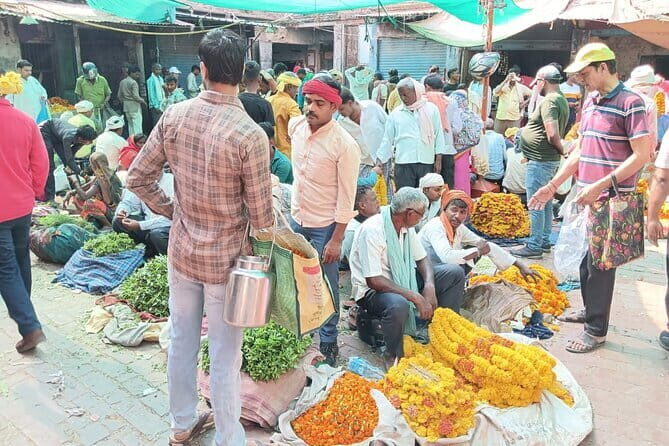
- Bansphatak Road flower market: a short, focused look at how villagers sell and arrange flowers.
- Rajbandhu sweets in Kachaudi Gali: a quick tasting moment for authentic local flavors and photo ops.
- Thatheri Bazaar narrow alleys: old-school lanes that show Varanasi’s tight street geometry.
- Sherwali Kothi photo stop: you get time at an old palace structure for a closer look.
- Scindia Ghat viewing: a chance to watch people bathing after a funeral.
- Manikarnika Ghat drop-off: your guide ends you at one of the most important cremation ghats.
Why this afternoon walk works in Varanasi (and for whom)
This is a 2-hour guided stroll at 2:30 pm, built for people who want structure without locking you into a full-day schedule. You cover a lot of ground by walking, but the pace still leaves room for short stops and questions, especially in the busy market segments.
I think it’s a strong fit if you want an overview that mixes daily life (flowers, sweets, paan sellers) with sacred spaces (ghats and ritual areas). It also helps that the group size is capped at 30 travelers, which usually means you’re not trapped behind a huge crowd.
One caution: the tour ends at Manikarnika, and that area is active. If you’re easily distressed by human rituals, this might be a tougher ending than a purely scenic ghat walk.
You can also read our reviews of more walking tours in Varanasi


Godowlia Crossing to Bansphatak Road flower market
You begin at Hotel Ganges Grand (front of the Marwari Hospital Building) near Godowlia Crossing. From there, you walk north into the city’s street-mix, and the first meaningful moment is Bansphatak Road, just about 10 minutes into the walk.
This is the flower-market pause, where you’ll spend roughly 10 minutes watching locals sell different types of flowers. Even without a long lecture, you get the point fast: in Varanasi, these aren’t just decorations. They’re part of the daily flow tied to worship and ceremonies.
The practical upside here is that it’s an early “street orientation” stop. After a couple minutes on unfamiliar lanes, it’s nice to have a calmer window to reset and take photos before you hit the sweeter, busier parts of the route.
Kachaudi Gali sweets: Rajbandhu and the Chowk lane buzz
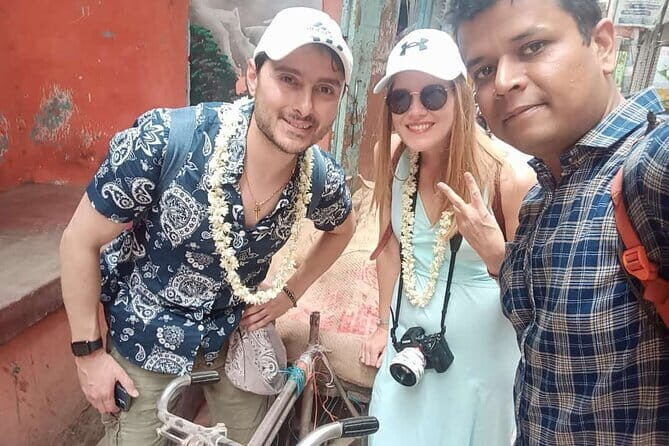
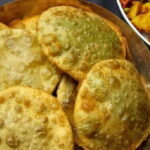
After the flower market, you head toward Kachaudi Gali for a stop at the famous sweets shop Rajbandhu. You’ll get around 20 minutes here, which is enough time to taste something typical and still keep the pace moving.
I like this stop because it gives you a concrete, edible souvenir option. You’re not just seeing the city; you’re tasting a slice of it in the middle of a working street market. It also breaks up the walking so you’re not just marching from one landmark to another.
Then you continue along Kachaudi Gali toward the Chowk area, with a short pass through the streets that feel more like a working neighborhood. The route includes time along the way for watching vendors, including people selling paan, plus a pass by a police station.
This section is where you’ll feel the energy of Varanasi most. The best way to handle it is to keep expectations simple: you’re there to notice patterns—how people move, how sellers set up, how the lanes funnel crowds—while your guide ties it back to the city’s culture.
Thatheri Bazaar: the old alleys and Sherwali Kothi photo moment
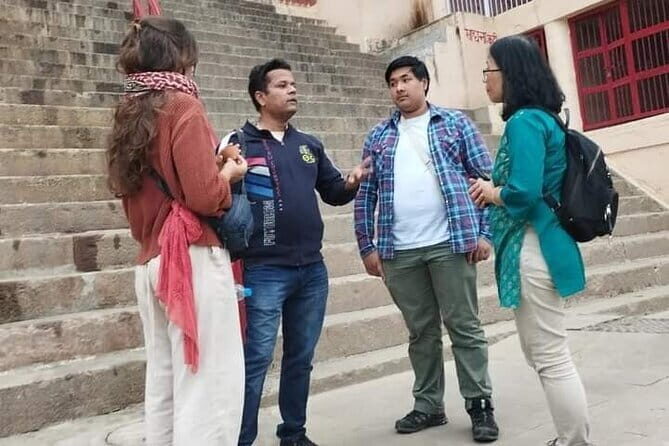
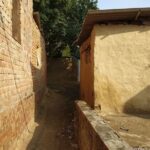
From the Chowk area you enter Thatheri Bazaar, and this is where the streets tighten. The stop here runs about 20 minutes, giving you time to slow down and look at how old Varanasi still functions in narrow lanes.
You’ll notice the difference quickly: less wide storefront energy, more alley feel. It’s the kind of place where you start to understand why people get lost even when they have a map.
The next pause is at Sherwali Kothi, an old palace-like structure inside this neighborhood. You’ll spend about 20 minutes for photos, and this is one of those stops that works well even if you’re not a big “monuments” person. A palace facade in the middle of daily alleys helps you picture how power, architecture, and street life used to connect.
If you care about authenticity over postcard views, this is a key value moment. It’s not just famous ghats—it’s the city’s texture in between.
Walking past ghats: Panchganga, Bhosale, and the ritual sightlines
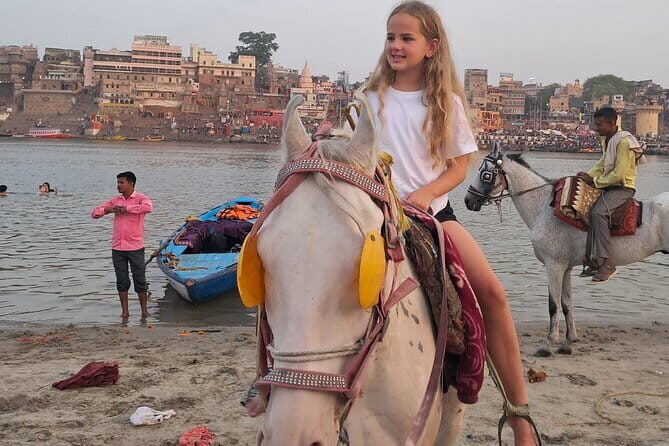
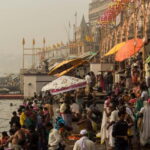
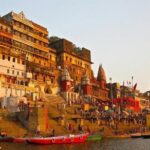
After Thatheri Bazaar, your route heads toward the riverfront ghats. The walk includes time where you pass by major ghats such as Panchganga and Bhosale Ghat, plus other ghats in the same corridor that lead you onward.
I love this approach because it avoids the common beginner mistake: treating ghats like isolated scenic stops. Instead, you experience them as a linked system along the river, with people moving between worship, bathing, waiting, and ritual.
As you get closer to the water, you’ll also feel how the city changes its rhythm. The noise shifts, the crowd density can change fast, and you’ll likely see more people pausing near water steps. A guide helps you read those moments without you having to guess what’s happening.
You can also read our reviews of more guided tours in Varanasi



Scindia Ghat: seeing the bathing after a funeral

You’ll reach Scindia Ghat after stopping near Panchganga Ghat. This part of the itinerary includes a pause of about 20 minutes, focused on watching people bathing after finishing a funeral.
This is not a “sit for photos and leave” moment. It’s a ritual observation stop, so the vibe is calmer and more solemn than the market lanes earlier. If you’re sensitive to intense settings, treat this like a respectful viewing area, not an entertainment show.
The benefit of having a guided explanation here is that you’re not just watching bodies in water. You’re seeing how the ghats function across different phases of life and death, and you understand why people return to the river for important transitions.
Manikarnika Ghat: cremation focus and respectful viewing
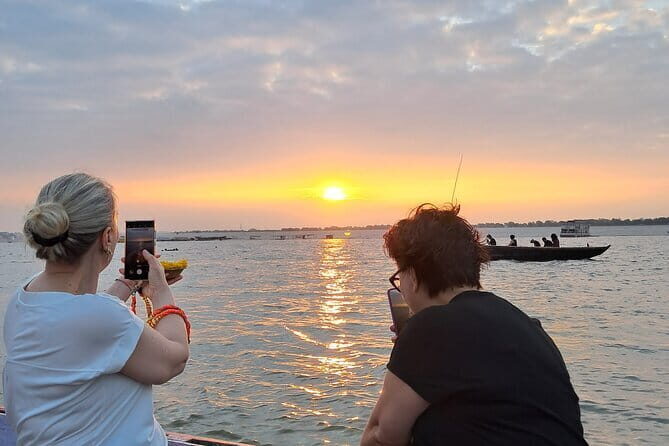
Your tour ends with a drop-off near Manikarnika Ghat (near Lalita Ghat). The time you spend here is about 20 minutes, and this stop centers on cremation activity.
I can’t sugarcoat it: Manikarnika is one of the most significant cremation ghats in Varanasi, and it’s active. If you choose to visit, keep your expectations grounded. You’re going to see human rituals up close, and your role is mainly observer.
What makes this ending manageable is the guide framing. With clear direction on where to stand and how to behave, you’re less likely to feel lost in the crowd. Also, this tour ends by dropping you right at the cremation ghat area, so you’re not left navigating the most confusing part on your own afterward.
Price and value: what $22.70 buys you
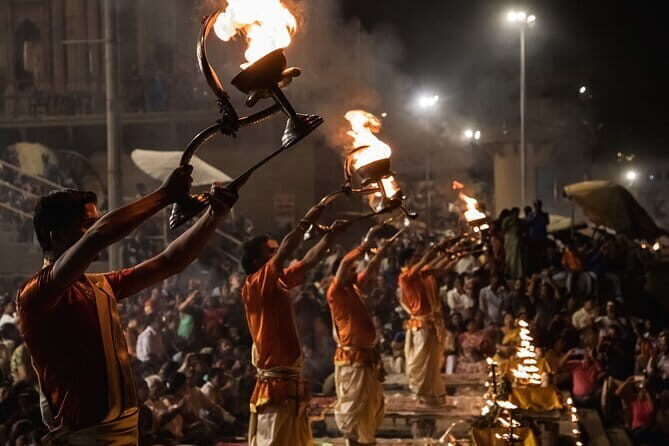
At $22.70 per person for about 2 hours, this tour can feel like a bargain in a city where guided time can easily get expensive. The value comes from a few concrete items: you get guidance through multiple areas, coffee and/or tea included, and paid entry is part of the plan for some stops.
Not every stop costs extra. You’ll see places where admission is free, like the flower market and the sweets stop. Then other times you have stops where admission is included, such as at Sherwali Kothi, Scindia Ghat, and Manikarnika Ghat.
So you’re paying for more than sightseeing words. You’re paying for time management and access to the right viewpoints at the right moments, plus someone to explain the why while you’re in the street chaos.
Small-group pace, mobile tickets, and the weather reality
This experience uses a mobile ticket, which is useful in India where paper can get lost in your bag at the worst moment. The group size stays small enough to keep moving, and you’re walking at a pace suited to moderate physical fitness.
Weather matters here. The tour requires good weather, and if it gets canceled due to poor weather, you’ll be offered a different date or a full refund. Plan for heat and crowds depending on the season, and bring the basics for comfort.
Also, expect narrow areas. You’ll be in old alleys and busy streets, so comfortable footwear is non-negotiable. Keep water handy, and if you’re prone to sensory overload, consider bringing a small buffer plan for afterward.
Who should book this walking tour
Book this if you want:
- A fast overview of Varanasi that mixes markets, alleys, and ghats
- A guide who can explain what you’re seeing in clear English
- An ending at Manikarnika with a guided, respectful approach rather than trying to figure it out alone
Skip it (or think hard) if:
- You know you’re uncomfortable with cremation activity
- You’d rather focus only on softer, scenic ghat experiences
Should you book this walking tour?
Yes, if your goal is understanding Varanasi as a living city, not just a photo list. The mix of flower market + sweets lane + old alleys + major ghats makes the walk feel like a map you can carry in your head.
Also, the small-group format and the included coffee/tea turn it into a real half-session you can enjoy rather than a sprint. Just go in with respect for the ending, and you’ll get a meaningful, no-nonsense introduction.
FAQ
How long is the Ghats and Galis walking tour?
It runs for about 2 hours (approx.).
What is the meeting point for the tour?
You meet in front of Hotel Ganges Grand at the front of the Marwari Hospital Building, D-37/47, Dashashwamedh Ghat Rd, Crossing, Godowlia, Varanasi, Uttar Pradesh 221001.
Where does the tour end?
The tour ends at Manikarnika Ghat, near Lalita Ghat, Lahori Tola, Varanasi.
What time does the tour start?
Start time is 2:30 pm.
What is included in the price?
The tour includes coffee and/or tea, plus admission tickets for some stops (Sherwali Kothi, Scindia Ghat, and Manikarnika Ghat).
Is dinner included?
No, dinner is not included.
Do I need a printed ticket?
No. It uses a mobile ticket.
What fitness level do I need?
You should have a moderate physical fitness level.
Is the tour refundable if I cancel?
This experience is non-refundable and cannot be changed for any reason. If it’s canceled due to poor weather, you’ll be offered a different date or a full refund. If the minimum number of travelers isn’t met, you’ll also be offered a different date/experience or a full refund.