REVIEW · AGRA
Agra: Taj Mahal, Agra Fort & Fatehpur Sikri Guided Tour
Book on GetYourGuide →Operated by Adventure waves India · Bookable on GetYourGuide
One day in Agra can feel like a movie.
This tour strings together three UNESCO World Heritage Sites with a real guide who points out what to notice (not just what to stand next to). I especially like the sunrise Taj Mahal timing and the door-to-door comfort of a private AC car that keeps your day moving.
Two more things I love: the Agra Fort visit is hands-on (you get into the royal spaces), and Fatehpur Sikri gives you that unusual feeling of walking through a city that stopped. One consideration: days can stretch out (8–14 hours), and Taj Mahal photography/extra shop stops can vary by guide—so it helps to set expectations early.
In This Review
- Key points before you go
- Why seeing Taj Mahal, Agra Fort, and Fatehpur Sikri in one day makes sense
- Sunrise at the Taj Mahal: what makes the morning visit different
- Agra Fort inside: Mughal power you can walk through
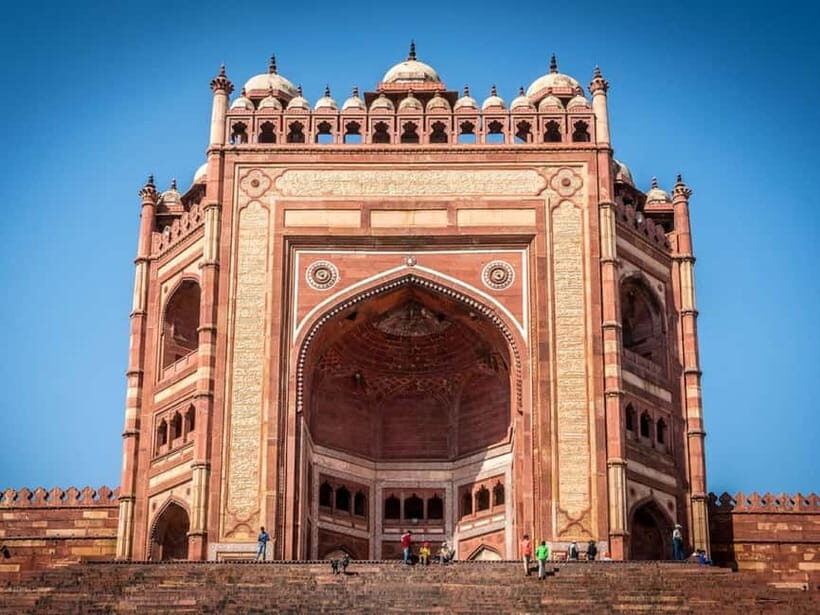
- Fatehpur Sikri: walking a capital that stopped after 14 years
- Private AC transport and door-to-door pickup: the comfort part that actually matters
- Guide languages and how to choose one who fits your style
- A practical strategy to stay comfortable
- Photo stops, craft stops, and staying in control of your time
- Lunch and breaks: plan for optional food, and keep water handy
- Value for money: why the price can be surprising in a good way
- What to bring, and the few rules that affect your day
- Who this tour fits best (and who should pick something else)
- Should you book this Agra day tour?
- FAQ
- How long is the Agra guided tour?
- What pickup locations are available?
- Which languages are available for the live guide?
- Are entrance fees included?
- Is lunch included?
- Is the Taj Mahal open every day?
Key points before you go
- Sunrise Taj Mahal with guided storytelling that explains the love-and-loss angle behind the marble
- Agra Fort interiors, including the area associated with Shah Jahan’s final years
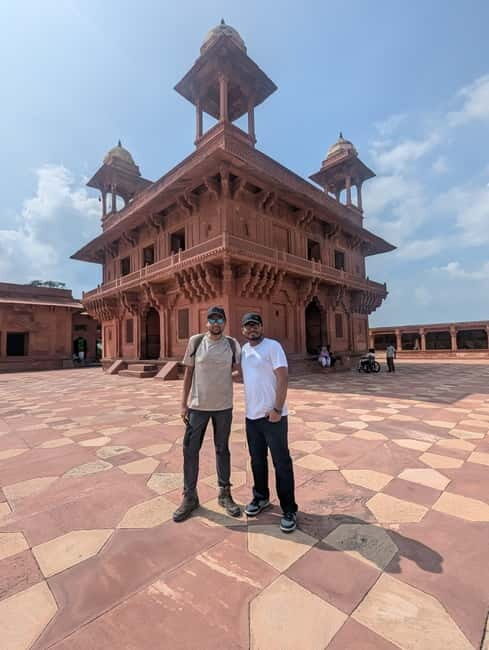
- Fatehpur Sikri to see the abandoned Mughal-era capital and its carved gateways and mosques
- Private AC vehicle with hotel (or station/meeting point) pickup and drop-off
- Licensed live guide in Chinese, English, German, Japanese, Russian, Spanish, or French
- Some guides may add photo or craft stops, so you’ll want to stay in control of your time
Why seeing Taj Mahal, Agra Fort, and Fatehpur Sikri in one day makes sense
Agra has a rhythm. You’ll feel it right away: the morning is for the Taj Mahal, the late morning and midday are for power and architecture at Agra Fort, and the afternoon is where Fatehpur Sikri does its magic trick—quiet, empty, and full of details.
The big advantage of this kind of day plan is that you don’t waste time deciding what to do next. You’re not stuck doing one site well and the others as quick hit-and-run photos. Instead, you get a full arc: love turned to legend at the Taj Mahal, royal control at the fort, then an abandoned city that makes you ask how whole capitals can vanish in a historical blink.
This also helps if you’re short on time. If you only have one day in Agra, you’ll still come away with three very different “Agra” moods.
You can also read our reviews of more guided tours in Agra



Sunrise at the Taj Mahal: what makes the morning visit different
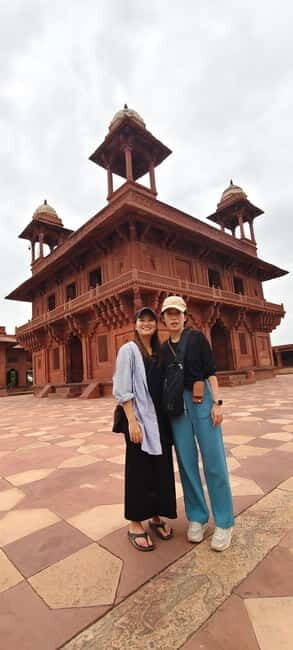
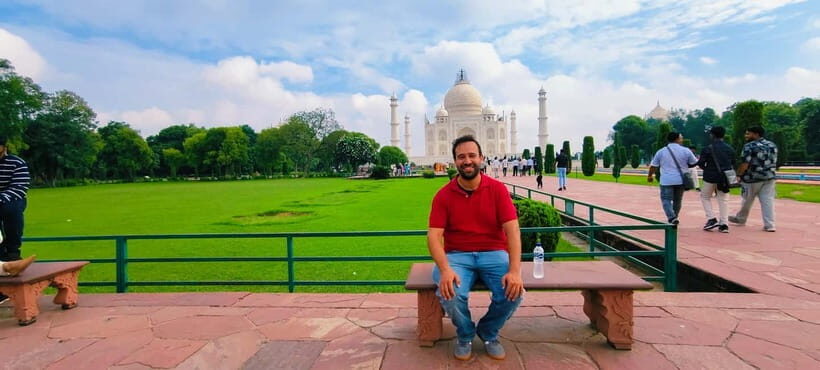
The Taj Mahal at sunrise is not just a photo moment. It’s a change in light that makes the white marble look like it’s shifting in slow motion. And when the day starts early, you’re more likely to get a calmer experience, which matters when crowds are the difference between enjoying details and rushing past them.
This tour builds the day around that early timing, and the guide role is a real part of the value. You’ll hear the story of love and loss tied to the monument, plus smaller details that many people miss when they only focus on pictures. In one example from a Japanese-speaking guide experience, BILAL stood out for explaining things clearly and answering questions so you didn’t feel lost.
A key practical note: the Taj Mahal is closed on Fridays. Plan your dates around that, or you’ll be stuck switching plans.
Also, the tour mentions skipping the ticket line. That’s not a luxury. In India, saving time at entry points can mean the difference between having enough minutes to actually look, and only getting “in, out, next.”
Agra Fort inside: Mughal power you can walk through
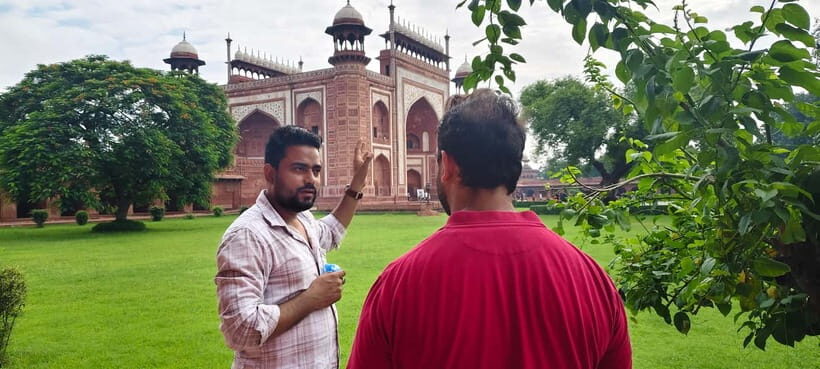
Agra Fort is the Taj Mahal’s louder cousin. The Taj is poetry. The fort is government.
Here, you’ll step into red sandstone walls that once served as a royal residence for Mughal emperors. The best part is that the visit isn’t limited to an exterior view. You’ll walk through halls and courtyards and get into spaces that feel built for ceremony and control—exactly what you want if you’re trying to understand how the empire lived, not just what it built.
One detail that makes this stop especially memorable is the mention of a prison chamber tied to Shah Jahan’s final years, where he spent time gazing toward the Taj Mahal from afar. Even if you don’t know the full story going in, a good guide connects those locations so the fort doesn’t feel like random architecture.
The tour also includes guided time here, and guide quality shows up fast. Some guides are strong at making the architecture legible—what you’re looking at and why it matters. Others may try to steer you toward extra stops; more on that soon.
Fatehpur Sikri: walking a capital that stopped after 14 years
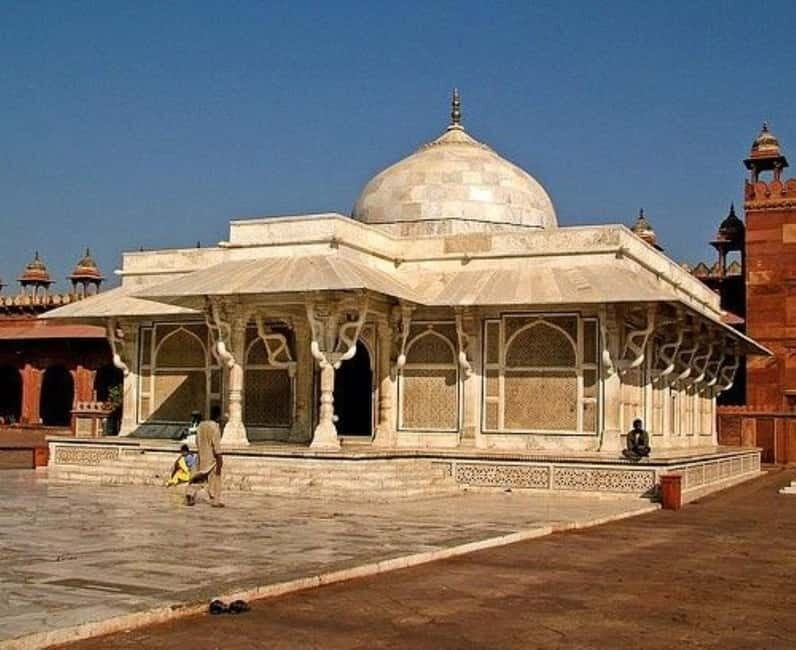
Fatehpur Sikri has a different temperature. It feels like you’re touring a place that used to be full and then quietly emptied out.
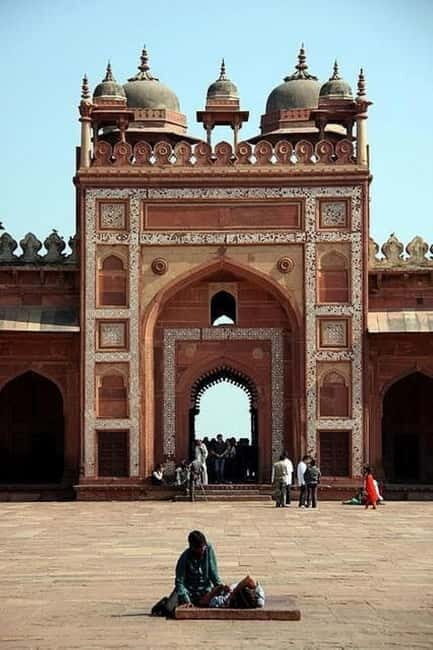
This tour takes you about an hour from Agra (depending on traffic and your timing) to explore the abandoned city created under Emperor Akbar, then left behind after roughly 14 years. The “ghost city” label in the description isn’t marketing fluff. The layout and scale make it easy to imagine the daily life that once filled these carved gateways, palaces, and mosques.
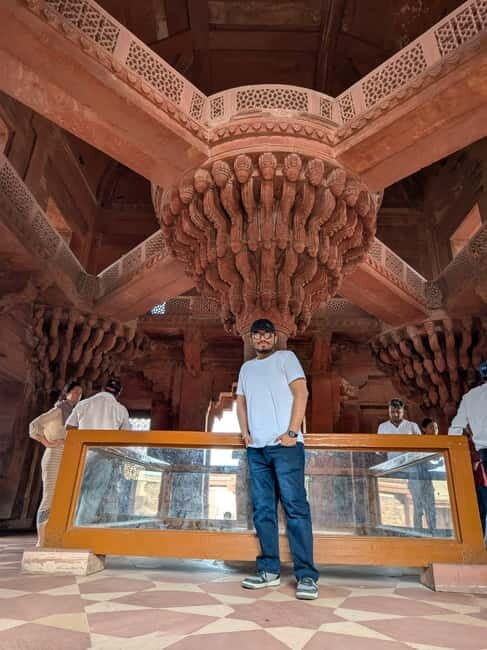
What you’ll love here is the feeling of discovery with less pressure. You get time to wander and photo-stop around key structures, and you’ll typically do a guided visit that helps you connect the dots: which areas were central, how different buildings fit together, and what you’re seeing when you look at all that carving.
A practical caution: the drive to Fatehpur Sikri is a real time cost. One review noted the long drive and suggested it can be better to combine it with a transfer, depending on your overall route. In plain terms: if you’re already spending a lot of time in transit that day, manage your expectations and don’t schedule tight plans immediately after.
Private AC transport and door-to-door pickup: the comfort part that actually matters
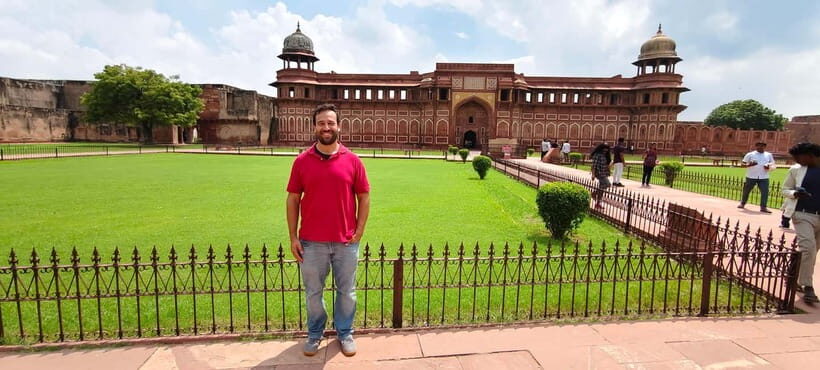
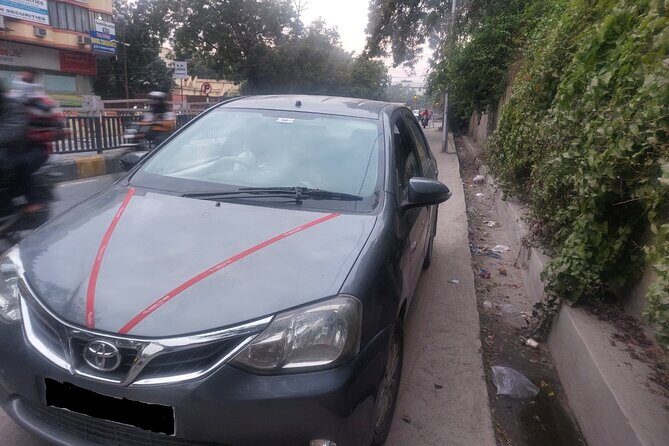
This is a private group tour, and the car is an AC vehicle with a driver. That sounds standard until you use it for a day of monuments, especially if you’re doing this from Delhi/Noida/Gurugram/Faridabad regions as the pickup point expands.
Pickup options include Agra, Gurugram, New Delhi, Agra Cantt, Noida, Delhi, and Faridabad (and the description adds Delhi airport as a pickup option). That matters when you’re trying to avoid the “where do I meet you?” chaos that can ruin a morning.
The other comfort win is control. You’re not sharing a bus with strangers and trying to coordinate bathroom stops, slow walkers, and time gaps. A private vehicle lets your guide run the day with your pace, which is especially helpful for sunrise timing.
One more thing: duration is 8–14 hours. That range is wide, so don’t book a second tight activity right after. Give yourself breathing room for traffic, site timing, and the guide’s pacing.



Guide languages and how to choose one who fits your style
This tour includes a professional licensed tour guide, and language options include Chinese, English, German, Japanese, Russian, Spanish, and French.
In the feedback, certain guides really shine for being communicative and active. Rehan Ali (French) is described as outgoing and attentive, with lots of interesting explanations and constant care for the group. Ali (English/also mentioned as entertaining and kind) got praised for being knowledgeable and explaining small details at each location. And Shakir Ali (Spanish) was paired with a professional driver and strong photo help.
At the same time, guide style is personal, and the review set includes some uncomfortable notes about pushing extra stops and pressuring guests about things like reviews or photo arrangements. The takeaway for you is simple: you should feel comfortable setting boundaries.
A practical strategy to stay comfortable
- Tell your guide early what you do and don’t want, especially around photography or extra sales stops
- If you’re not interested in craft or inlay/gem demonstrations, say so up front
- Keep your own schedule mental model: you want time for the monument, not to lose it in side rooms
- If a guide starts steering you toward a review request before the day is over, politely shift focus back to the sites
This isn’t about mistrust. It’s about keeping your day focused on Agra.
Photo stops, craft stops, and staying in control of your time
One mixed review mentioned that a guide at the Taj Mahal and Agra Fort allowed a scam-like experience involving photographers, and that the guide was pushy about posting a review during the tour. Another comment complained about being taken to two places to show inlay and gems without being asked if they were interested.
You can’t control every person you meet, but you can control your behavior:
- Use your guide as your filter, not your enabler
- If someone approaches you about paid photos or “special opportunities,” ask your guide what’s appropriate before agreeing
- If you want strictly monument time, say that clearly before you leave the car
If you end up with a guide like BILAL (praised for strong Japanese and answering questions), you’ll likely feel more grounded. If your guide is more sales-forward, you can still steer the day—just don’t wait until you’re already inside a shop.
Lunch and breaks: plan for optional food, and keep water handy
Lunch is mentioned as optional if you choose the all-inclusive option. So if food timing matters to you, check what your package includes when you book.
Bottled water is included during sightseeing, which is a small line item that helps a lot in Agra’s heat. I like that this isn’t “bring your own bottle or suffer.” Still, I’d treat the water as a support, not a guarantee that you’ll never feel thirsty.
Also, the day can run long. If you’re the type who needs a predictable meal window, mentally plan to eat early enough that you don’t get stuck waiting for the next break.
Value for money: why the price can be surprising in a good way
The price listed is $17 per person, which is low for a full-day plan with:
- a licensed live guide
- private AC transport
- hotel pickup and drop-off
- bottled water during sightseeing
- tolls, parking, and fuel charges
- and entrance fees if you book the all-inclusive option
The value comes from consolidation. Hiring a guide for one site is usually far more expensive than doing all three in a single day with transport included. Even if you end up paying separate entrance fees depending on your chosen option, the tour still does the heavy lifting: the driver logistics, timing, and guided interpretation.
My honest advice: the biggest swing factor isn’t the sites. It’s whether your package includes entrance fees and lunch. If you’re trying to keep costs predictable, select the all-inclusive option if it matches your priorities.
What to bring, and the few rules that affect your day
Bring an ID card or passport—this is specifically called out. Wear comfortable shoes, because you’ll be walking inside monuments and navigating courtyards.
There are also basic rules: no smoking in the vehicle, and no alcohol or drugs. These aren’t unusual, but they’re worth remembering because your car is part of the shared day rhythm.
One more timing reminder: Taj Mahal is closed on Fridays, so if your dates land on a Friday, confirm alternatives before you go.
Who this tour fits best (and who should pick something else)
This tour is for you if you want a structured one-day plan that hits the biggest names without turning your day into a spreadsheet of tickets and directions.
It’s also a good match if you like questions. The best guides answer things clearly, and the language options mean you can actually participate instead of nodding politely at explanations.
A few limitations are stated:
- not suitable for babies under 1 year
- not suitable for people over 95 years
- wheelchair accessible is listed, so mobility support is part of the offering
If you hate long days, note the 8–14 hour range. You’ll be more comfortable if you treat the whole day as the main event.
Should you book this Agra day tour?
Book this tour if you want to maximize one day in Agra and you’d rather have a guide help you notice the right things at the Taj Mahal, Agra Fort, and Fatehpur Sikri. The sunrise focus at the Taj Mahal and the fact that you’re not just looking from outside at every stop make this feel like a complete day, not a checklist.
Don’t book it if you’re extremely sensitive to add-on stops or you want total control down to the minute and place level. In that case, you should look specifically for a guide style you can trust, and be ready to speak up early about what you want (and don’t want) for photo and craft stops.
If you do book it, go in with a simple plan: prioritize monument time, ask questions where you can, and set boundaries fast. Do that, and the day can be genuinely satisfying.
FAQ
How long is the Agra guided tour?
It runs from 8 to 14 hours, depending on the starting time and routing. Check availability to see the exact starting times.
What pickup locations are available?
Pickup can be arranged from Agra, Gurugram, New Delhi, Agra Cantt, Noida, Delhi, and Faridabad, and the description also notes pickup from Delhi airport.
Which languages are available for the live guide?
The live guide is offered in Chinese, English, German, Japanese, Russian, Spanish, and French.
Are entrance fees included?
Entrance fees to Taj Mahal, Agra Fort, and Fatehpur Sikri are included if you book the all-inclusive option.
Is lunch included?
Lunch is included only if you choose the all-inclusive option. Otherwise, lunch may be optional during the day.
Is the Taj Mahal open every day?
No. The Taj Mahal is closed on Fridays.