REVIEW · VARANASI
Private Guided Walking Tour in Varanasi
Book on Viator →Operated by Dhyanam India Tours · Bookable on Viator
Varanasi unfolds fast when you walk. This private guided walking tour strings together key places with real meaning, from Rani Laxmibai Janmsthali to the ghats and the Kashi Vishwanath temple corridor, all paced for seeing and understanding. You get a guided route through wrestlers at Tulsi Ghat, the fertility rites at Lolark Kund, the shifting mood at Assi Ghat, and the cremation ghats that make Varanasi feel like a world of its own.
Two things I really like: first, the itinerary has strong variety without feeling random. You see sacred worship, fertility rituals, and cremation practices side-by-side, and the guide ties them together so they make sense. Second, the tour includes bottled water and uses a mobile ticket, so logistics stay simple while you focus on the walk.
One consideration: this is still a 4 to 5 hour walking experience, and it’s dependent on good weather. Also, the visit at Kashi Vishwanath is described as the corridor view from outside, so if you’re hoping for a full inside temple visit, this format may feel limiting.
In This Review
- Key highlights you’ll actually notice
- Rani Laxmibai Janmsthali: courage gets a starting point
- Tulsi Ghat and the akhada where wrestlers train
- Lolark Kund: fertility rites tied to a stepwell
- Assi Ghat in daylight and evening: the chill contrast
- Harishchandra Ghat: the walk to the cremation ghats
- A quick stop for South Indian life and architecture
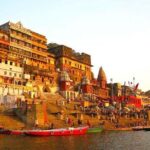
- Dasaswamedh Ghat: where the city’s energy gathers
- Manikarnika Ghat: the oldest cremation ground
- Shri Kashi Vishwanath Temple corridor: golden focus from the outside
- The value in the price: $69 for a lot of ground
- Timing choices: morning quiet vs evening energy
- What to do before you go (so the walk feels easier)
- Who this tour suits best
- Should you book this private Varanasi walking tour?
- FAQ
- How long is the private guided walking tour in Varanasi?
- What does the tour cost?
- What time windows does the tour run?
- Is it a private tour?
- What’s included in the tour price?
- Are admission tickets included for the stops?
Key highlights you’ll actually notice
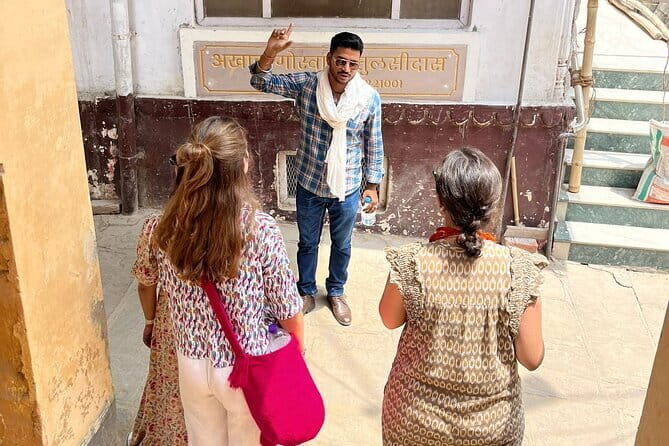
- Private group only: it’s just you and your party, so questions and pacing are easier.
- Free admission at the listed stops: most site visits are marked with free entry.
- A unique mix of Varanasi themes: wrestlers at an akhada, fertility rites at Lolark Kund, and cremation ghats.
- Two different ghat moods: especially around Assi Ghat and Dasaswamedh Ghat, where morning and evening feel different.
- Kashi Vishwanath corridor, explained clearly: you get the golden-temple context even from the outside approach.
Rani Laxmibai Janmsthali: courage gets a starting point
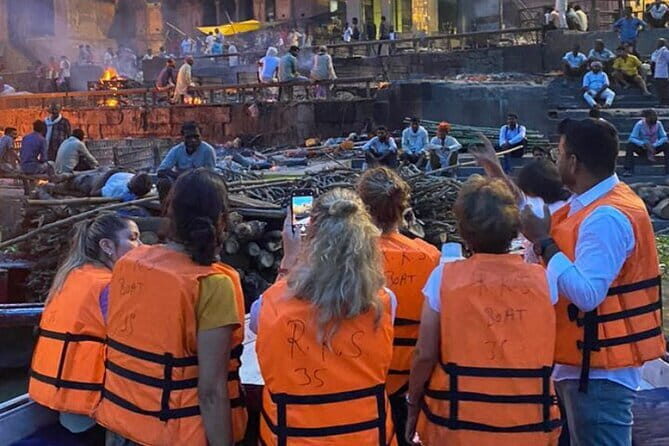
You begin with Rani Laxmibai Janmsthali, tied to one of the most famous figures in Indian history: Jhansi’s brave queen. Starting here matters because it gives you a different lens for Varanasi than the one most people arrive with. Instead of jumping straight into the ghats, you warm up with a story about courage and legacy, so later rituals land with more weight.
Expect this first stop to be a quick orientation to who’s being remembered and why. It’s also a good time to get your bearings and learn how the route will flow.
A practical note: this early segment sets the tone for the rest of the day. If you’re the type who likes meaning before spectacle, you’ll appreciate the order.
You can also read our reviews of more walking tours in Varanasi


Tulsi Ghat and the akhada where wrestlers train
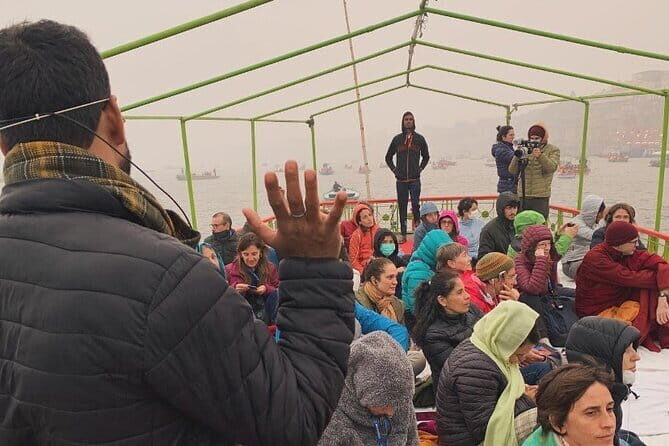
From there, the walk moves to Tulsi Ghat, where you’ll visit the famous akhada—essentially a gym space for Indian wrestlers. This is one of the more unusual stops on the route. Yes, Varanasi is about devotion and the Ganga, but it’s also about discipline, training, and how strength is built in daily routines.
You’re allotted about 30 minutes here, and the good news is that admission is free for this part. Even if you don’t know wrestling terminology, you’ll leave with a clearer sense of how physical culture fits into the city’s spiritual atmosphere.
Consider how you’ll photograph it. This kind of scene often changes quickly, with motion and faces turning toward activity. Go in ready to watch for small details, not just wide shots.
Lolark Kund: fertility rites tied to a stepwell
Next up is Lolark Kund, a historical stepwell associated with fertility rites. The key detail here is that there’s a bath festival once a year for women who are unable to conceive a baby. That’s heavy subject matter, and it’s exactly why having a guide helps. You’re not just looking at old stone steps—you’re seeing how place connects to hope and prayer.
You’ll spend around 20 minutes, with free admission noted for this stop. The short visit length makes sense here: this is best understood in context, but it doesn’t need an hour to appreciate the meaning. If you’re sensitive to deeply personal rituals, you’ll likely find the time just right.
One caution: this is a fertility-related ritual space, so be respectful with your camera and your attention. Keep your focus on observing the space and the purpose.
Assi Ghat in daylight and evening: the chill contrast
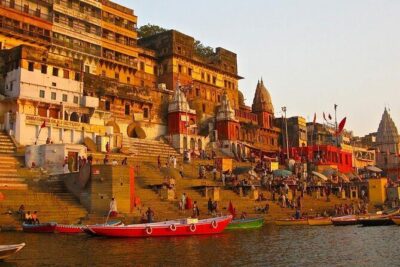
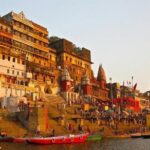
Assi Ghat is one of the most important pilgrimage centers for Hindus, and you’ll get time here to slow down and take pictures. The tour plan sets aside about 25 minutes, and the visit is marked as free admission.
Here’s what makes this stop special: Assi Ghat isn’t one mood. In the evening, it has a totally different vibe. That contrast is a big part of why Assi matters—morning and daylight can feel more grounded and easy to photograph, while later hours shift into something more social and alive.
If you’re planning your day around atmosphere, think about timing. You’ll likely get the best experience if you choose the tour slot that matches the mood you want to see. The tour runs in two daily time windows, and that choice can change how Assi Ghat feels under your feet.
Harishchandra Ghat: the walk to the cremation ghats
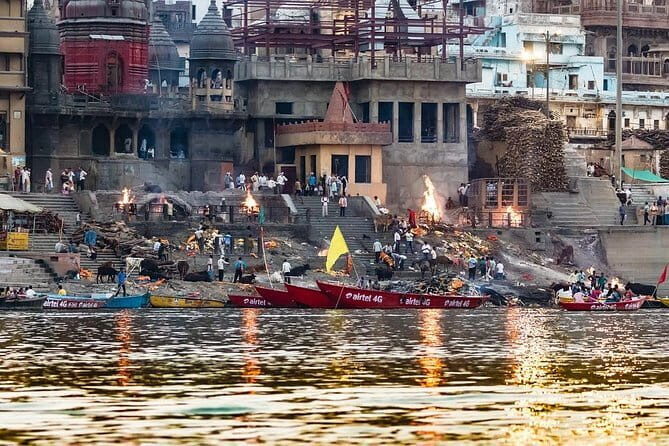
From Assi Ghat, you’ll walk toward Harishchandra Ghat. The route note says you’ll reach it in about 20 minutes, and you’ll stay for about 40 minutes total at the cremation ghat area.
This is the emotional center of the walk. Harishchandra Ghat is associated with cremation rituals, and the experience described here is about seeing the architecture and understanding the role of these rites in Varanasi’s culture and spiritual life.
You’re not given a checklist of what you must observe, and that’s good. Cremation spaces can be intense and unpredictable. A good guide helps you understand what you’re looking at and what you’re not meant to disrupt. The walking time also matters because it keeps you from arriving and instantly being overwhelmed—you have moments to settle your brain along the way.
If you’re visiting for the first time and worried about discomfort, plan mentally for smoke, heat, and the weight of ritual scenes. The tour doesn’t sanitize this part of Varanasi, and that’s part of the value.
You can also read our reviews of more guided tours in Varanasi




A quick stop for South Indian life and architecture
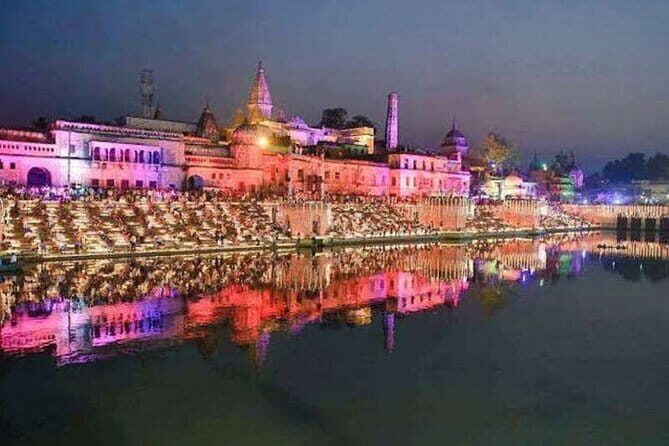
There’s an additional stop on the route that shows life, culture, and architecture of South India. The time at this specific point isn’t clearly broken out by minutes in the notes, but you can treat it as a short cultural pause between the ghats and the busier ritual areas.
Why include something South Indian in a Varanasi walking tour? Because you’re not only seeing Varanasi as a single theme park. India’s regions meet in real ways—through people, practices, and the built forms you notice as you move through different corridors and gathering spaces.
Use this stop to reset. If Harishchandra Ghat has your mind racing, this is where you balance the emotional intensity with something more observational and architectural.
Dasaswamedh Ghat: where the city’s energy gathers
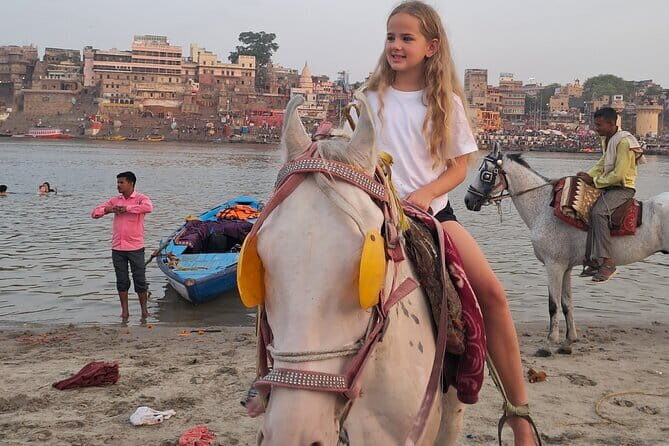
After that cultural pause, you head to Dasaswamedh Ghat. The walk is another about 20 minutes, and your time at the ghats center is around 30 minutes.
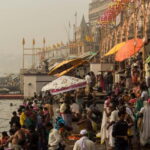
Dasaswamedh is described as the center of all the ghats of Varanasi—every pilgrim or tourist comes here first to feel the city’s vibe. Morning and evening are different, and the tour design acknowledges that by giving you a visit that fits the time window you booked.
One standout detail: Ganga aarti is held here. Even if you only catch part of the ceremony, you’ll understand why this ghat gets so much attention. The aarti ties the river to everyday devotion, and it’s one of those moments where the city’s spiritual logic becomes visible.
Practical idea: if you care about photography, stand where you can see faces and actions, not just the river. Aarti is a human ritual as much as a river ritual.
Manikarnika Ghat: the oldest cremation ground
Next is Manikarnika Ghat, described as the oldest cremation ground in Varanasi. You’ll be here for about 40 minutes, and the experience focuses on burning pyres, rituals, and activities.
This stop is intense. Unlike a museum scene, you’re watching live, ongoing practices. The guide’s job matters here because your first impulse might be to stare, but the better approach is to observe with context—what happens, in what order, and how the environment frames the ceremony.
If you’re sensitive to what you see, know that the tour includes both Harishchandra and Manikarnika ghats. That means you’re in cremation spaces more than once, which is not a small thing. However, if your goal is to understand Varanasi rather than just photograph it, these are the moments that turn a trip into real understanding.
Also, bring patience. Even with a guide and a set plan, activity levels can change. A private format helps here because your guide can adjust to what’s happening around you.
Shri Kashi Vishwanath Temple corridor: golden focus from the outside
The tour concludes at Shri Kashi Vishwanath Temple. The notes specify that you’ll visit the corridor of this Golden Temple from outside, with the guide explaining what you’re seeing.
That outside corridor approach can still be powerful. The point isn’t just the gold color—it’s the symbolism, the tradition of devotion, and the way worship spills into the public space. From the corridor, you’ll get a clear sense of why this temple is such a magnet for pilgrims.
You’ll stay for about 1 hour, and admission is listed as free. The walk ends back at the meeting point, so you can plan dinner or a second stop immediately after without wondering where you’ll end up.
If you’re the kind of visitor who likes to know what something means before you chase the next photo, this finale is a good fit.
The value in the price: $69 for a lot of ground
At $69 for a private guided walk lasting about 4 to 5 hours, the value comes from three areas: time, access, and structure.
First, it’s a long enough route to hit major anchor points in one go—multiple ghats, the wrestlers’ akhada, a stepwell ritual site, and the Kashi Vishwanath temple corridor. Second, most stops are marked as free admission, which matters in a city where expenses can creep in. Third, bottled water is included, which is a small line item that helps on a walking-heavy day.
And because it’s private, you’re not competing with a crowd for your guide’s attention. It’s easier to ask questions in real time, which makes the difference between seeing locations and understanding them.
If you want a straightforward comparison: this isn’t a “few highlights and done” tour. It’s a guided route that covers the spiritual range of Varanasi in one session.
Timing choices: morning quiet vs evening energy
This tour operates Monday through Saturday with two time windows: 8:30 AM to 1:00 PM, and 2:30 PM to 7:00 PM. That’s not just scheduling trivia. It affects what you experience at ghats.
Assi Ghat has a chill feel in the evening, described as a different vibe from other times. Dasaswamedh Ghat also changes between morning and evening, and the Ganga aarti is a key reason people plan later hours. If your priority is ceremony, choose the window that gives you the best shot at being there when it happens.
One more factor: the experience requires good weather. In Varanasi, that can mean your plans need a little flexibility. If weather turns, you’ll be offered a different date or a full refund.
What to do before you go (so the walk feels easier)
This is a walking route with serious cultural stops. You’ll get more out of it if you show up prepared for both comfort and respect.
- Wear shoes that can handle uneven paths near the ghats.
- Plan for a few different emotional textures in one day, especially around cremation scenes.
- Keep your camera habits respectful at ritual areas, especially where people are gathered for worship or rites.
Also, note that admission is free at most listed stops, but VIP tickets (Rupees 250 per person) are an option if you select them. That means you can usually keep the experience at the base price unless you choose otherwise.
Who this tour suits best
This private walking tour is ideal if you want a guided, place-based understanding of Varanasi, not just a photo walk.
It’s a strong fit for:
- First-time visitors who want major ghats and the Kashi Vishwanath corridor explained.
- People who like cultural context and are open to serious ritual scenes.
- Anyone who prefers a flexible private pace rather than a large group schedule.
If you’re seeking only light sightseeing or you can’t handle cremation ghats as part of the cultural picture, you may want to look for a different kind of tour focus.
Should you book this private Varanasi walking tour?
I’d book it if you want to understand Varanasi as a living spiritual city—wrestlers training, fertility rites tied to Lolark Kund, and Ganga aarti at Dasaswamedh, all stitched together with stops that explain what you’re seeing. At $69, with bottled water included and most admissions listed as free, the price feels fair for the time and the range.
I’d hesitate if you need a mostly cheerful sightseeing experience or you’re uncomfortable with cremation-related rituals being a central part of the route. Also, if your must-do is being inside the Kashi Vishwanath Temple itself, this corridor-from-outside format may not match your expectations.
If you’re curious, respectful, and ready to walk, this tour gives you a clear path through Varanasi’s most meaningful zones.
FAQ
How long is the private guided walking tour in Varanasi?
It’s about 4 to 5 hours.
What does the tour cost?
The price is $69.
What time windows does the tour run?
Monday to Saturday, it runs 8:30 AM to 1:00 PM, and 2:30 PM to 7:00 PM.
Is it a private tour?
Yes. Only your group participates.
What’s included in the tour price?
Bottled water is included, and you’ll use a mobile ticket.
Are admission tickets included for the stops?
Admission is listed as free for the stops on the route. VIP tickets are optional at Rupees 250 per person if you choose that option.