REVIEW · VARANASI
Private Cultural Walking Tour of Varanasi with Guide
Book on Viator →Operated by Guide Varanasi · Bookable on Viator
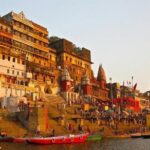
Varanasi hits fast. This private walking tour takes you through the old city and down to the ghats, where you’ll see everyday rituals side-by-side with life’s most solemn moments. You’ll move with a guide so you can make sense of what you’re seeing in a short window, with pickup offered and a mobile ticket for an easier start.
I like two things a lot. First, the pacing is built for getting answers quickly: a guide helps you understand the places you pass instead of just pointing at them. Second, the stops are very specific—Manikarnika Ghat, Dashashwamegh Ghat, and Harishchandra Ghat—so you’re not doing generic sightseeing.
One consideration: you’ll be walking in close proximity to public cremation activity. If this kind of scene feels too intense for you, plan to step back when needed and keep your expectations realistic.
In This Review
- Quick highlights
- Why walking Varanasi’s ghats with a guide makes sense
- Meeting at Hotel Ganges Grand and planning your time
- Stop 1: Varanasi Old Town and the living maze
- Kathwala (Nepali) Temple: wooden Shiva and an extra ticket
- Manikarnika Ghat: understanding public cremation at life’s edge
- Dashashwamegh Ghat at the height of evening ritual
- Harishchandra Ghat: a calmer cremation-viewing stop
- The narrow-lane market stop where locals actually shop
- Price and value: is $55 fair for this private walk?
- Who this tour suits best (and who should think twice)
- Should you book this Private Cultural Walking Tour of Varanasi?
- FAQ
- How long is the Private Cultural Walking Tour of Varanasi?
- Is this tour private?
- Is pickup offered?
- Where does the tour start and end?
- Are tickets included for every stop?
- Is bottled water included?
- What happens if the weather is poor?
- Can I cancel and get a full refund?
Quick highlights
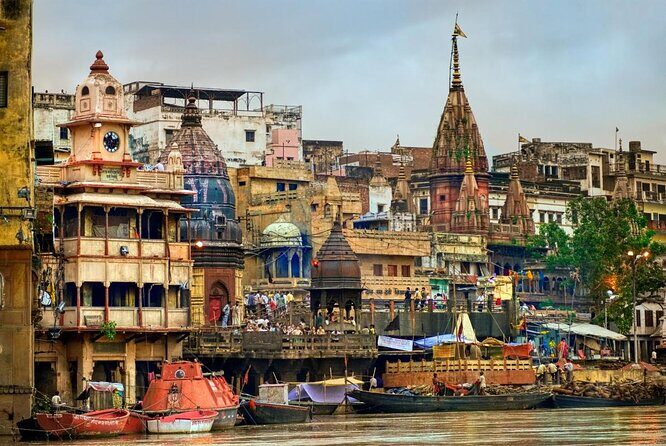
- A private, guide-led route through Varanasi Old Town and key ghats, so you don’t waste time guessing
- Manikarnika Ghat for the Hindu cremation process in public (with a clear sense of what you’re watching)
- Harishchandra Ghat as the less-crowded crematorium stop, where you can observe more peacefully
- Kathwala (Nepali) Temple featuring a wooden Shiva temple and erotic sculpture, but with a small extra admission fee
- Dashashwamegh Ghat during peak ritual energy, including priest-led prayers, floating candles, and ancestral rites
- Bottled water (500ml) included so you stay comfortable during the walk
Why walking Varanasi’s ghats with a guide makes sense
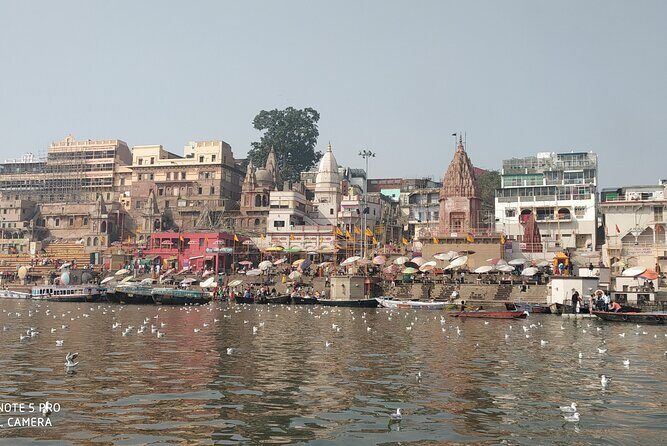
Varanasi can feel like a maze. The streets twist, the crowd patterns shift by the hour, and it’s not always obvious what matters spiritually versus what’s just daily activity. A guide turns the chaos into context.
I also like that the tour is built around meaning. You’re not just seeing a temple façade or a photo spot. You’re learning why people come, what rituals signal, and how the ghats function as both religious spaces and community spaces.
This tour is also a practical choice if you’re short on time. At around 2 to 3 hours, it gives you a focused sampling of the old city and multiple ghats without spending half your day navigating on your own.
You can also read our reviews of more walking tours in Varanasi


Meeting at Hotel Ganges Grand and planning your time
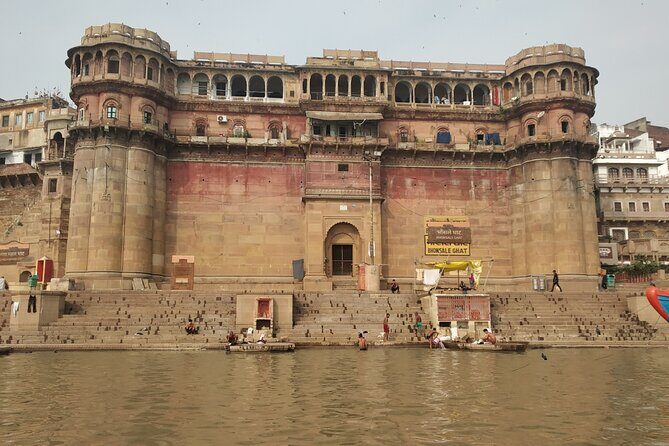
The tour starts at the Hotel Ganges Grand – Varanasi, in front of the Marwari Hospital Building on Dashashwamedh Ghat Road. The experience ends back at the same meeting point, so you’re not left figuring out your next move.
Because it’s a walking tour, you’ll want to treat the time like a real commitment, not a casual stroll. The route includes old lanes, temple access, and ghat areas where crowds can thicken quickly.
This experience is private, meaning only your group joins in. That matters here. Varanasi can be intense. Having your own guide helps you set a pace that works for your comfort level.
Stop 1: Varanasi Old Town and the living maze
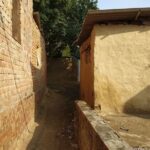
The first stop is the Varanasi Old Town tour, where you’ll walk through streets shaped by generations. This is the kind of place where you can feel that people have lived with these lanes for a very long time.
Expect a lot of people and a lot of motion. The tour description calls out a big, colorful crowd, which is exactly what makes this stop valuable. You’re seeing daily life as it actually happens—neighbors, shop fronts, and the rhythm of the old city.
The main benefit of starting here: it gives you orientation. Once you understand the logic of the lanes and how people move, the ghats make more sense. Without that start, the waterfront areas can feel like they’re happening in a different world.
Kathwala (Nepali) Temple: wooden Shiva and an extra ticket
Next comes the Nepali Temple (Kathwala Temple). You’ll see a wooden temple dedicated to Shiva, and you’ll also notice erotic sculpture elements that are hard to miss once you’re up close.
This stop is short—around 10 minutes—but it adds variety. After the old-town lane energy, the temple offers a different kind of meaning: symbolism, devotional art, and a reminder that Indian temple culture can be visually bold.
Important practical point: admission is not included. The temple fee listed is ₹20 per person. If you’re traveling with cash or prefer card where possible, it’s smart to be ready for this small extra cost.
Manikarnika Ghat: understanding public cremation at life’s edge
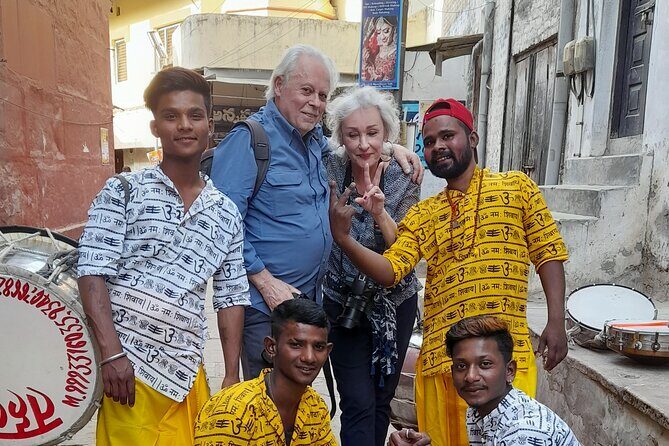
Then you reach Manikarnika Ghat, one of Varanasi’s best-known cremation locations. This is where you’ll see the Hindu way of cremation in public, with the itinerary noting that around 150 bodies are cremated daily.
Let that sink in. This isn’t a museum scene. It’s a working cremation area and an active religious space. The guide’s role becomes crucial: they’ll help you interpret what you’re seeing instead of turning it into a shocking spectacle.
If you do go, I’d treat this stop with extra respect. Keep your distance when the activity is closest. Don’t block people who are participating. And remember: you’re there to understand a ritual, not to stare.
If public cremation is a hard “no” for you, this is the part where you should be honest about your limits.
You can also read our reviews of more guided tours in Varanasi


Dashashwamegh Ghat at the height of evening ritual
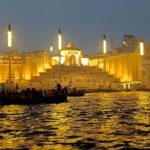
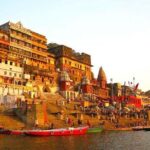
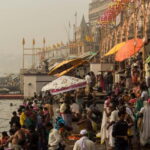
After Manikarnika, the tour moves to Dashashwamegh Ghat. This is described as one of the most active places in Varanasi, especially in the evening.
Here, the itinerary highlights several ritual styles:
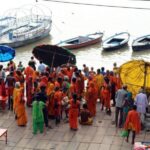
- pilgrims coming to take a bath and pray with priests
- people offering floating candles
- some taking part in ritual acts for ancestors, including shaving hair
This stop is valuable because it shows the ghats as a living religious system. You’re not only looking at death rituals. You’re also seeing devotional practice—prayer, offerings, and personal vows—playing out in real time.
That balance is what makes a walking tour along multiple ghats feel worth it. One ghat shows one side of the city. Multiple ghats show the full picture.
Harishchandra Ghat: a calmer cremation-viewing stop
Next is Harishchandra Ghat, described as a less crowded crematorium. That one detail changes the whole tone of the visit.
The itinerary includes specific moments you may observe, such as:
- how families buy wood and what types of wood it is
- how the funeral pyre is made
- how the fire is lit
In other words, you’ll see more of the process rather than only the final stage. A guide helps connect the steps to the ritual meaning, which can be the difference between feeling lost and feeling informed.
If you found Manikarnika intense (or just too crowded to truly absorb), Harishchandra can feel more manageable. Still, keep the same respectful approach. This is active, ongoing ceremony.
The narrow-lane market stop where locals actually shop
The last part is a market area in a narrow lane with small, colorful shops. It’s described as always crowded with locals.
This is a smart finishing move. It shifts you from the ghats and temples to the daily economy of Varanasi. You’ll get a sense of what people do between rituals: buying necessities, browsing, and moving through the old city streets.
If you like getting a feel for real city life—beyond monuments—don’t rush this segment. Even a short market walk can tell you a lot about the place.
Price and value: is $55 fair for this private walk?
At $55 for a 2 to 3 hour private walking tour, the value comes from three places.
First, you’re paying for a guide to interpret what you see fast. In Varanasi, meaning is the product. Without that context, you’ll still take photos—but you may miss why people are doing what they’re doing.
Second, you’re paying for time efficiency. The route hits major ghats and a temple stop in a short window, and the tour is designed so you spend less time figuring out logistics and more time understanding the city.
Third, small extras are included: 500ml bottled water per person. For a warm-weather destination and a walking schedule, that’s not nothing.
Yes, there’s a small extra cost at the Nepali Temple (₹20 per person). But overall, the core tour is priced like a practical guided orientation rather than a pricey full-day outing.
Who this tour suits best (and who should think twice)
This is a good match if you want:
- a private, calm guide approach in a place that can otherwise feel overwhelming
- a route focused on ghats and cultural context, not only famous landmarks
- direct exposure to how rituals fit into daily life
It may be a tough match if:
- you feel strongly uncomfortable with viewing public cremation activity
- you prefer a lighter, purely temple-and-viewpoints kind of day
If you’re traveling with family, I’d still consider it—but be honest about what each person can handle. The tour is short enough that you can regroup mentally afterward, but the subject matter is not light.
Should you book this Private Cultural Walking Tour of Varanasi?
Book it if you want your Varanasi time to have structure and meaning. A private guide helps you move through old lanes and along the ghats without turning the experience into confusion or shock.
Skip it, or change your plan, if cremation-viewing scenes feel like a deal-breaker. You can still enjoy Varanasi with other tours, but this one is specifically designed to show you the ghats in real function.
If you do book, go in with the right mindset: respectful, patient, and ready to learn. You’ll leave with a clearer sense of how Varanasi works, not just what it looks like.
FAQ
How long is the Private Cultural Walking Tour of Varanasi?
The tour runs for about 2 to 3 hours.
Is this tour private?
Yes. It’s private, so only your group participates.
Is pickup offered?
Yes. Pickup is offered, and the tour starts at the Hotel Ganges Grand – Varanasi meeting point listed.
Where does the tour start and end?
It starts at Hotel Ganges Grand – Varanasi (front of the Marwari Hospital Building, on Dashashwamedh Ghat Road) and ends back at the meeting point.
Are tickets included for every stop?
No. Nepali Temple (Kathwala Temple) has an extra admission fee of ₹20 per person. The other listed stops are marked as free.
Is bottled water included?
Yes. Bottled water (500ml per person) is included.
What happens if the weather is poor?
The experience requires good weather. If it’s canceled due to poor weather, you’ll be offered another date or a full refund.
Can I cancel and get a full refund?
Yes. Free cancellation is available up to 24 hours before the experience starts for a full refund. Cancel less than 24 hours before and the amount may not be refunded.