REVIEW · VARANASI
Walking Tour of Varanasi
Book on GetYourGuide →Operated by INDIATOR · Bookable on GetYourGuide
One street can teach you a whole city. This Varanasi walking tour turns the volume down and the details up: narrow lanes, compact homes, and everyday commerce explain how people actually live here. I especially love the chance to see ancestral homes still holding their shape, plus the way an English-speaking guide can connect religion, neighborhoods, and routines so it clicks fast.
The main trade-off is simple: Varanasi is tight and busy, and the walk can feel even tighter than you expect. I recommend going into it with good shoes and a flexible mindset, since the timing can occasionally feel a little shorter than the planned 3 hours.
In This Review
- Key moments on this Varanasi back-streets walk
- Catching the day: hotel pickup and the walk’s first lessons
- Old lanes, stacked apartments, and still-standing ancestral homes
- Market streets and neighborhood “specialties” you can actually see
- Dharamshalas: low-cost lodging that shapes the flow of visitors
- A quick banarasi paan stop with cultural meaning
- Timing and pace: what 3 hours feels like on tight lanes
- Guide-led context that makes the city make sense fast
- Price and value: is $38 per person worth it?
- Who this tour suits best (and who should choose something else)
- Should you book this Varanasi walking tour?
- FAQ
- What is the duration of the Walking Tour of Varanasi?
- What time does the tour start?
- Is this tour private?
- Where do I get picked up and dropped off?
- What’s included in the price?
- What is not included?
- Can I try banarasi paan during the walk?
Key moments on this Varanasi back-streets walk
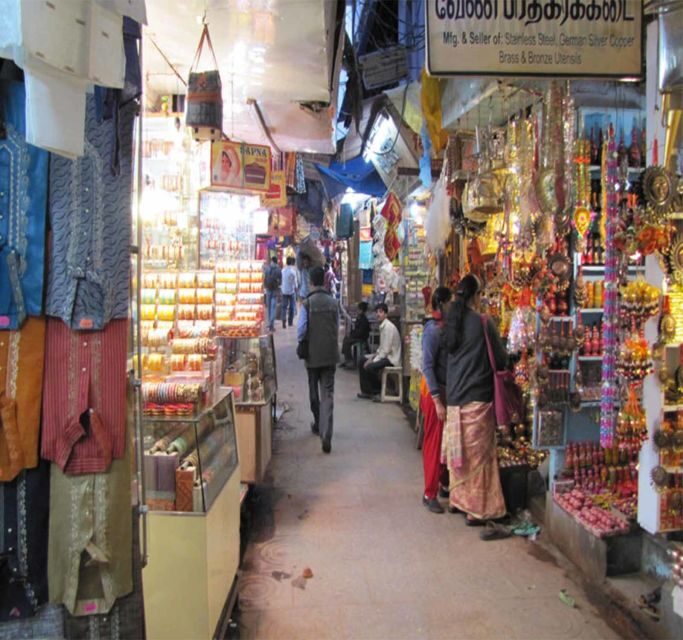
- Hotel pickup and a smooth start at 10:00 AM, with a driver meeting you at your lobby
- Old residential lanes where tiny apartments stack over each other and life spills onto the street
- Speciality areas across the city, so you see how Varanasi organizes neighborhoods and shops
- Dharamshalas (public dormitories) and the low-cost lodging culture that draws visitors and devotees
- A stop for banarasi paan from a market kiosk, a small taste with big local meaning
- English guidance that gives you context, including names and stories tied to what you see on the ground
Catching the day: hotel pickup and the walk’s first lessons
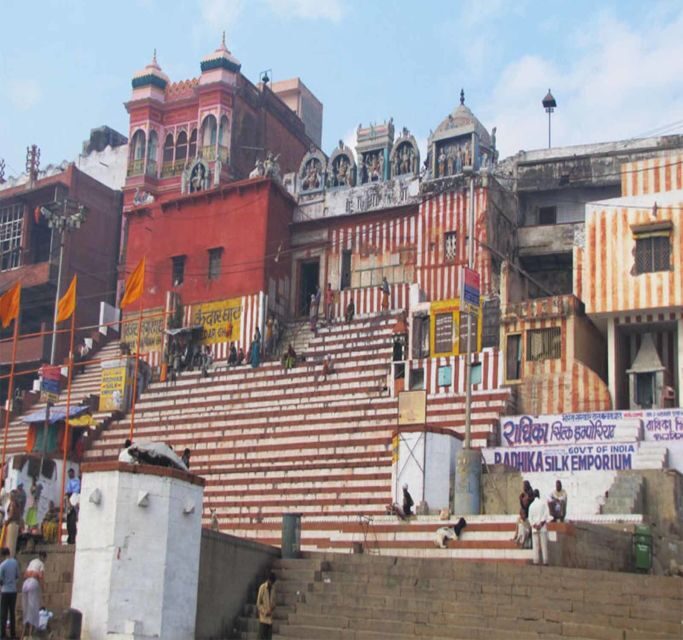
This tour is built around a practical start. At 10:00 AM, a driver picks you up from your hotel lobby and brings you into the residential area where the walking begins. That matters here because traffic can be chaotic, and you don’t want to spend your first hour figuring out where to go.
Once you’re dropped off, your guide takes over. The first stretch is about orientation: what kind of street you’re on, which neighborhoods the city is divided into, and why the buildings and shops look the way they do. I like this approach because it reduces the shock of Varanasi’s pace. You get a mental map before you’re asked to navigate real lanes where “street” can be a narrow corridor between walls.
You can also read our reviews of more walking tours in Varanasi



Old lanes, stacked apartments, and still-standing ancestral homes
This is the part I’d tell you not to rush. The walk moves through compactly built alleys where there’s barely space to pass comfortably, especially when vendors and pedestrians share the lane. Expect to see homes arranged tightly, with people’s everyday life spilling outward—little moments like doors opened onto the lane, curtains, balconies, and the everyday sounds of neighbors.
One of the most compelling aspects is the view of ancestral homes that look untouched by the modernizing world. You’ll notice how many buildings seem to have grown into their current form rather than been replaced. That gives you a better sense of continuity: Varanasi isn’t just a place of monuments. It’s a living neighborhood system.
And because your guide is with you, the narrow lanes become more than an aesthetic. You’ll get “why” answers: why certain kinds of houses are where they are, what makes the lanes function day-to-day, and how communities maintain routines in close quarters. That turns the walk from sightseeing into understanding.
Market streets and neighborhood “specialties” you can actually see
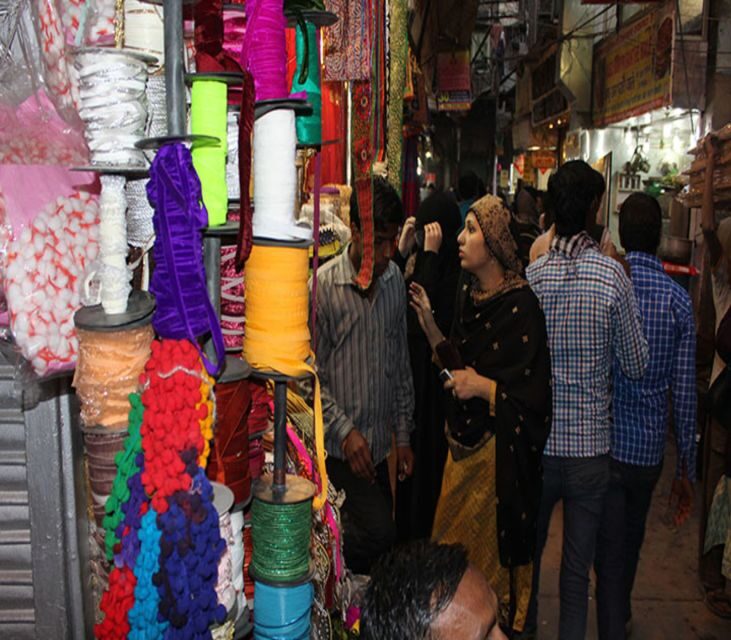
Varanasi is organized into sections, and this tour tries to show that structure. You’ll wander through older markets and charming alleys, then shift into another area with a different focus. The goal is not to see every shop. It’s to see how the city’s parts connect to the lives happening inside them.
As you move, watch for how shopfronts and small commercial spaces change from one lane to the next. Some streets feel more residential even while shops are present; others are clearly oriented around quick needs—items sold in tight kiosks, goods displayed at street level, and constant movement that keeps commerce close to homes.
This is also where having an English-speaking guide matters. A city like Varanasi can feel like sensory overload if you’re just following signs. A good guide helps you translate what you’re seeing into something you can remember: what these areas are known for, how locals use the street space, and why certain types of visitors show up where they do.
Dharamshalas: low-cost lodging that shapes the flow of visitors
At some point you’ll switch into an area lined with dharamshalas, which are public dormitories where visitors can stay at low prices. This stop is more than a visual change of scenery. It explains a huge part of Varanasi’s atmosphere.
Here’s what makes this area meaningful: dharamshalas are tied to the city’s role as a destination for devotees and travelers with different budgets. When you see these buildings up close, the city’s constant arrival energy makes more sense. You start to understand why so many people move through the area—not only because of temples and rituals, but because these dormitories provide a workable base for days.
You’ll likely notice how that visitor flow affects the street: more quick exchanges, more people passing through, and more visible luggage and routines. It’s a good reminder that Varanasi is not a “one-day” stop. It’s a place where people plan time, not just routes.
A quick banarasi paan stop with cultural meaning
You’ll have a chance to try banarasi paan, often prepared with betel leaves, from a kiosk in the market. This is the kind of food moment that’s small in time but big in context.
Why? In Varanasi, paan isn’t only a snack. It’s a habit locals know well and visitors often want to understand. It also fits perfectly into a walking tour because it’s something you can do right where it belongs—at a market stall, not in a staged food area.
Do note: the tour lists personal expenses as not included. So if you order paan (or anything else from the kiosk), plan on paying that yourself. Even so, the option to try it is a nice cultural touch that gives the tour another dimension besides looking.






Timing and pace: what 3 hours feels like on tight lanes
The tour is 3 hours in total, and it’s set up as a private group, so you won’t be rushed by other people’s schedules. Still, Varanasi’s narrow lanes change the tempo. When a lane is tight, you naturally slow down—especially while you’re stopping to look or listen.
Your best practical move: wear shoes that can handle uneven pavement and quick stops. You’ll be walking through compact lanes with little room to step aside, and you’ll want comfortable footing more than fashion.
One timing consideration to keep in mind: while the plan is for 3 hours, the walk can sometimes feel shorter in practice. The safest approach is to confirm your guide’s timeline at the start—ask if you’ll be able to cover the full route and stops within the full allotted time.
The good news is you’ll get mineral water during the tour, which is a small but helpful inclusion when you’re moving through hot streets.
Guide-led context that makes the city make sense fast
This is the kind of tour where the guide can make or break the experience. You’ll get an English-speaking guide, and the value is in what they connect for you: the city’s divisions, why people stay in certain types of buildings, and what certain streets signify beyond “old” or “traditional.”
I also like that the guides bring personal clarity. One guide name you may encounter is Pulkit, who has been praised for explaining the city’s history, culture, and religion in a way that feels practical rather than textbook-like. Even if you don’t get the same guide, the emphasis on explaining what you’re seeing is the consistent win.
This matters because Varanasi can look chaotic to a first-time visitor. With context, it starts to feel structured. You stop seeing random scenes and start seeing a system.
Price and value: is $38 per person worth it?
At $38 per person for a private 3-hour walk, this isn’t a bargain you’d call “cheap,” but it can be good value—mainly because of what you get beyond walking.
You’re paying for:
- Hotel pickup and drop-off with a chauffeur service (so you’re not figuring out local transport mid-day)
- An English-speaking guide who leads the stops and explains what they mean
- Complimentary mineral water
- Site visits as per itinerary, plus taxes and service charges included
For me, the best way to judge the value is to compare effort. In a place like Varanasi, figuring out which lanes to try, where to pause, and what to look for can take time. This tour compresses that learning into a short window while also taking the pressure off you for logistics.
The biggest reason you might skip it is if you already have a strong local guide or you’re comfortable wandering and decoding the neighborhoods on your own. If you’re new to Varanasi and want your first day to feel anchored, this price can make sense.
Who this tour suits best (and who should choose something else)
This walking tour is ideal for you if:
- You want a first glimpse of Varanasi’s everyday fabric, not only major sights
- You enjoy learning from a guide while you’re on your feet
- You’re curious about how neighborhoods work, including dharamshalas and markets
- You prefer a private experience with an English guide
You might choose a different option if:
- You’re sensitive to tight walking spaces and prefer wider routes
- You need a tour with guaranteed long time at each stop (since the overall timing can feel shorter in practice)
- You’re only interested in large, well-marked monuments and don’t want a neighborhood-focused route
Should you book this Varanasi walking tour?
Yes, if you want a guided, neighborhood-level introduction that helps you understand Varanasi quickly. I think this tour is a strong pick for your first day because it gives you both visual cues—alleys, ancestral homes, dharamshalas—and the context that turns those cues into real understanding.
I’d book it with one practical mindset: you’re walking through close lanes, so dress for comfort and accept that the city’s rhythm will shape your experience. If you confirm your guide’s expected timing at the start, you’ll set yourself up for the best chance at a full 3-hour route.
FAQ
What is the duration of the Walking Tour of Varanasi?
The tour lasts 3 hours.
What time does the tour start?
Pickup and the start of the walking portion are scheduled for 10:00 AM.
Is this tour private?
Yes, it’s a private group experience.
Where do I get picked up and dropped off?
Pickup is from your Varanasi hotel lobby, and after the tour you’re dropped back at your hotel.
What’s included in the price?
Included items are an English-speaking tour guide, complimentary mineral water, site visits as per the itinerary, hotel pickup and drop-off, and all applicable taxes and service charges.
What is not included?
Personal expenses during the tour are not included, and pickup/drop-off from the airport or railway station is not included.
Can I try banarasi paan during the walk?
You’ll have a chance to try banarasi paan at a market kiosk. Any purchase you make would count as a personal expense.