REVIEW · VARANASI
Sunrise & Morning Down Town, Walking Tour. Daily Tour
Book on Viator →Operated by Streetwise Varanasi Tours - Day Tours · Bookable on Viator
Early morning in Varanasi has a different pulse. This sunrise boat ride from Dashashwamedh Ghat sets the tone fast, with the Ganges coming alive as pilgrims and locals move between prayers, bathing, and daily tasks along the steps. What I like most is the way a local guide keeps you grounded in what you’re seeing, and how the stories connect everyday life with sacred meaning.
You also get a second anchor that most city tours skip: Manikarnika Ghat, where Hindu funeral rituals take place on one of the holiest cremation sites along the river. That combination—morning light plus rituals of death—gives you a fuller picture of Kashi, instead of only the postcard side.
One consideration: you start at 5:30 am, so this isn’t a “sleep in and wander” kind of outing. If you dislike early starts or feel uneasy about observing cremation rites, this tour may feel like a lot.
In This Review
- Key highlights you’ll feel immediately
- Why this 5:30 am Varanasi morning tour works
- Dashashwamedh Ghat sunrise boat ride and morning rituals
- Breakfast break, then you shift from birth to death
- Manikarnika Ghat cremation rituals: intense, but guided and explained
- Old town alleys after the ghat: temples, palaces, and street-level Kashi
- How the guide shapes the whole experience (Rahul and Radjul examples)
- Meeting point, timing, and small-group flow
- Price and what you’re really paying for ($64.68 for a meaningful morning)
- Who should book this tour, and who should reconsider
- Should you book Sunrise & Morning Down Town?
- FAQ
- What time does the Sunrise & Morning Down Town tour start?
- How long is the tour?
- Does the tour include pickup from my hotel?
- Where is the meeting point?
- What are the main stops on the route?
- Is there a mobile ticket and are admission tickets included?
Key highlights you’ll feel immediately
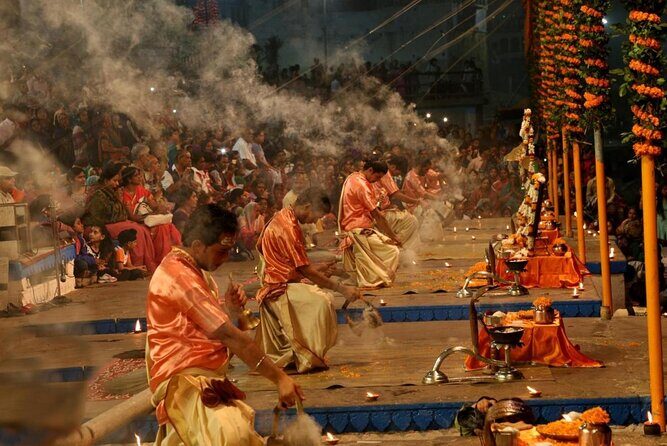
- Dashashwamedh sunrise from the water: you see the ghats as activity begins, not after the crowds settle.
- Small group size (max 15): it’s easier to ask questions and stay together in narrow old-town lanes.
- Manikarnika Ghat cremation rituals explained: you get context for what you’re watching, not just a sightseeing stop.
- Old Varanasi walking through alleys and temples: you’ll shift from riverfront steps into the older city fabric.
- Local guide energy (often Rahul or Radjul style): friendly, patient explanations that answer real questions on the spot.
- Admission tickets included: at least for the main guided segments, you’re not scrambling for add-ons.
Why this 5:30 am Varanasi morning tour works
Varanasi isn’t a museum city. It’s a living religious river town, and the schedule matters. Starting before sunrise lets you witness the moment when the Ganges steps are still forming the day’s rhythm—quiet enough to absorb, busy enough to understand what people do and why.
Also, the timing gives you a cleaner experience for photos and walking. The light over the river is softer and the streets feel less chaotic than later in the morning. You’ll get a tour that feels like you’re seeing the city’s daily script instead of watching a replay.
Finally, the structure is simple: boat first, then walking. That flow helps you move from awe (the sunrise) to understanding (rituals, street life, and the old center) without feeling like you’re jumping randomly between distant sights.
You can also read our reviews of more walking tours in Varanasi

Dashashwamedh Ghat sunrise boat ride and morning rituals
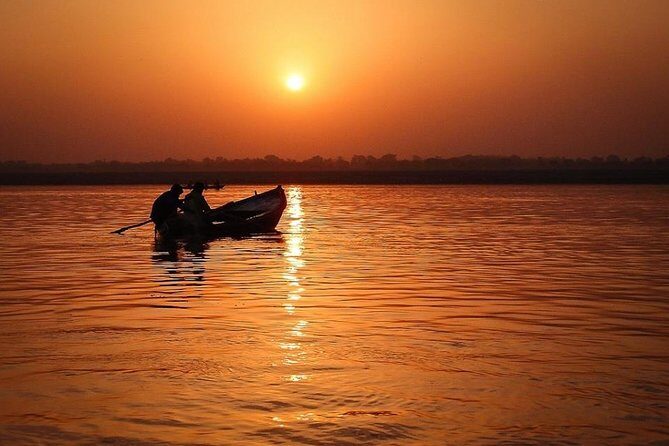
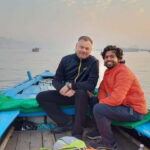
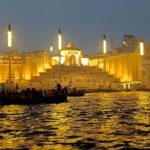
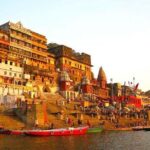
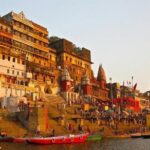
The day begins with hotel pickup (if you request it) and a trip to Dashashwamedh Ghat, Varanasi’s main and busiest waterfront stop. From there, you’ll take a boat ride early on, before full daylight. The core payoff is watching the sunrise over the Ganges and seeing how the light hits the palaces and temples along the bank.
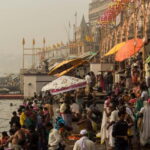
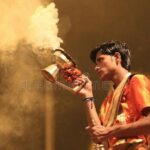
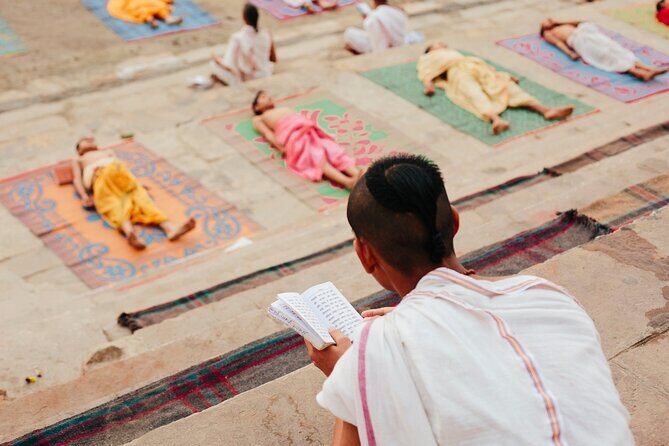
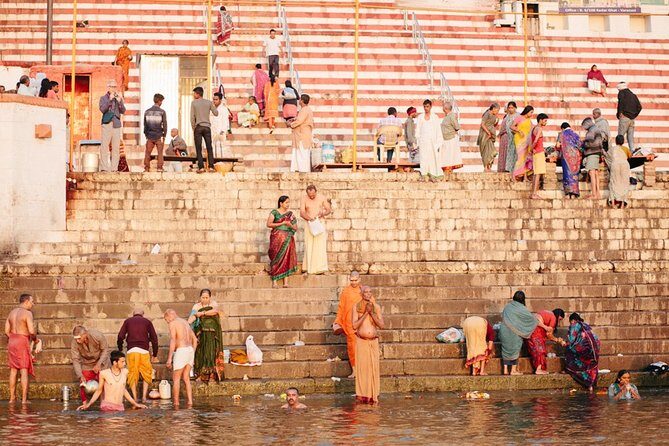
What makes this stop worth it is the “in motion” part. From the water you can observe the ghats as people arrive and work through their routines: sacred bathing, prayer, ceremonial gestures, and everyday chores that happen right next to religious spaces. You’ll also have chances to photograph the color of traditional life—without having to fight for positioning on land.
A small practical note: you’ll be out early, so dress with comfort in mind. Bring a layer you can manage, because dawn can feel cooler than midday, even if you’re only outside for a short time.
Breakfast break, then you shift from birth to death
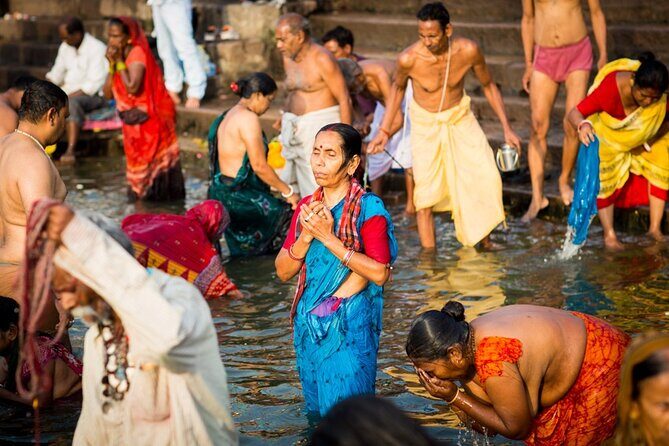
After the river segment, the tour moves back toward your hotel area for a short snap and a good breakfast. That reset matters, because the second half is more intense.
Then you head back out again, continuing the exploration around Manikarnika Ghat. This is where the tour’s emotional balance changes. You go from sunrise beauty to the cremation ghats, and you’ll learn the Hindu sacred rituals of death as you observe what’s happening.
If you’re someone who wants context, this is where the guide’s role becomes crucial. A good explanation helps you interpret what looks shocking at first glance as a religious process with meaning for the families involved.
Manikarnika Ghat cremation rituals: intense, but guided and explained
Manikarnika Ghat is one of the holiest cremation sites along the Ganges. The tour positions you for observation and photography from one of the best places to see the rituals while smoke and chanting fill the area.
This stop is not just a photo-op. You’ll hear details about Hindu practices around death and what the ceremonies are believed to accomplish. You’ll also notice a powerful contrast: grief and repentance, and then the practical movement of the cremation process continuing as part of daily life along the river.
A respectful mindset matters here. Keep your questions thoughtful, follow your guide’s instructions, and remember this is an active sacred space where families are dealing with real losses. If you’re easily distressed by sights of death rites, be honest with yourself before booking.
Still, for many people, that’s exactly why it’s memorable. It’s one of the clearest ways to understand why Varanasi feels spiritual even in the middle of everyday crowds.
Old town alleys after the ghat: temples, palaces, and street-level Kashi
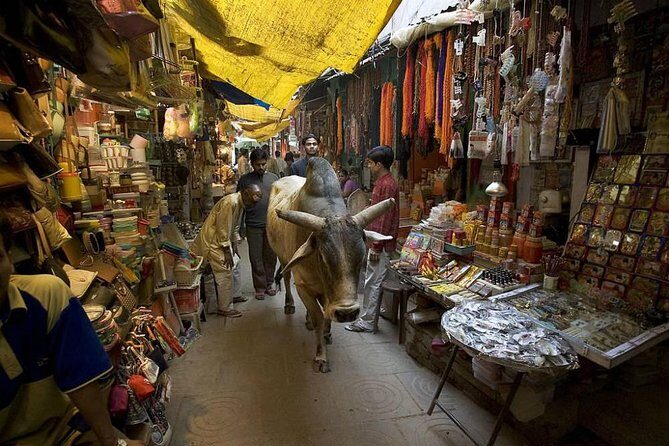
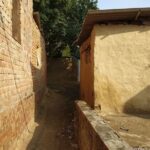
Once the Manikarnika segment is underway, the tour continues into the old town. You’ll walk through small, colorful alleys in the center of Varanasi, where history shows up in layered architecture and in how people move through tight lanes.
Along the way, you’ll see and discuss historical palaces and sacred temples. Your guide will connect the sights to the bigger story of Kashi so it doesn’t feel like random stops. This is where you start to understand how the city works beyond the riverfront: the temples aren’t just monuments; they’re part of the street life pattern.
What I like about this phase is that it changes your tempo. After the intensity of the cremation ghat, the alleys and temples feel more like a slow, meaning-filled walk. You’re still learning, but the atmosphere shifts from the ritual space of the river to the lived-in city center.
You can also read our reviews of more tours and experiences in Varanasi

How the guide shapes the whole experience (Rahul and Radjul examples)
A tour like this lives or dies by the guide. The best version is when you can ask questions and get straight answers on the spot, in plain language, without making you feel silly.
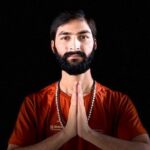
From what you can expect on these runs, guides like Rahul and Radjul are local, patient, and comfortable steering you through sensitive areas. People specifically praise their ability to explain how things work in old Varanasi and to share behind-the-scenes details that you won’t figure out on your own.
This matters because some of what you’ll see has symbolism you can miss if you just look. The sunrise is beautiful, but the guide helps you understand why those rituals happen where they happen. And with Manikarnika, the difference between staring and understanding can be huge.
If you do one thing: bring curiosity, and ask questions as you go. This tour’s value is in the explanations, not only the locations.
Meeting point, timing, and small-group flow
The tour meets at Kashi Chat Bhandar, 37/49, Godowlia Rd, Harha, Varanasi, Uttar Pradesh 221001, India. It ends back at the same meeting point, so you’re not dealing with a long transfer at the end of the day.
Start time is 5:30 am, and the total duration is about 6 hours. The group limit is 15 people, which helps on both the boat and in the narrow alleys. In a city like Varanasi, staying in a tight group is not just convenient—it keeps you from getting separated in busy lanes.
You’ll also use a mobile ticket, which makes it easy to keep everything on your phone. If you’re trying to fit this into a short stay, the early start and fixed route helps you plan the rest of your day with less guesswork.
Price and what you’re really paying for ($64.68 for a meaningful morning)
This tour costs $64.68 per person for about 6 hours. On paper, that’s not a bargain, especially in India. But the value comes from the structure: you’re paying for a guided sunrise boat experience, admission coverage for the main segments, and an explanation-focused walkthrough of both day-to-day river rituals and cremation practices.
You’re also paying for a local who can navigate the older city safely and confidently, including moving you through sensitive areas where etiquette and context matter. That guide skill is hard to replace if you’re trying to DIY it.
One more thing: booking far in advance is common here, since the tour is limited in size and runs daily. If you’re traveling in a peak season or have only a few morning windows, lock in early.
Who should book this tour, and who should reconsider
This works best if you want an overview of Varanasi’s core spiritual zones fast. If you care about seeing how the Ganges shapes daily life and you’re open to learning the meanings behind rituals, you’ll likely find this tour satisfying.
It’s also a good fit for first-time visitors who want structure. You get both the riverfront anchor and the old town lanes in one morning, without having to stitch together multiple guides and transportation choices.
Consider skipping or swapping to a lighter option if:
- you cannot handle the intensity of observing cremation rituals
- you hate very early starts
- you prefer a strictly scenic itinerary without religious context
For everyone else, this tour gives you the kind of “I get it now” feeling that comes from pairing sunrise wonder with explanation.
Should you book Sunrise & Morning Down Town?
If you’re only in Varanasi briefly, I think this is one of the smarter ways to use your time. The sunrise boat from Dashashwamedh Ghat is a memorable way to begin, and the second half at Manikarnika Ghat gives context that makes the city’s spiritual identity easier to understand.
I’d book it if you want authentic mornings, respectful learning, and a guide who can answer real questions—especially in sensitive places. I’d hesitate only if cremation rites would take you out of the experience or if the 5:30 am wake-up is a deal-breaker.
FAQ
What time does the Sunrise & Morning Down Town tour start?
The tour starts at 5:30 am.
How long is the tour?
It runs for about 6 hours.
Does the tour include pickup from my hotel?
Pickup is offered, and the guide will pick you up from your hotel as part of the tour.
Where is the meeting point?
You’ll meet at Kashi Chat Bhandar, 37/49, Godowlia Rd, Harha, Varanasi, Uttar Pradesh 221001, India.
What are the main stops on the route?
You visit Dashashwamedh Ghat for a sunrise boat ride, then Manikarnika Ghat, and you also explore old town alleys, temples, and historical areas afterward.
Is there a mobile ticket and are admission tickets included?
Yes, you’ll use a mobile ticket, and admission tickets are included for the main guided segments listed on the itinerary.