REVIEW · JAIPUR
Explore Private Tour The Golden Triangle Done Differently
Book on Viator →Operated by Raju's Private Tours · Bookable on Viator
Golden Triangle tours usually race. This one slows the pace where it matters. You’ll connect the big names in Delhi, Agra, and Jaipur with side sights that many people skip, guided by Raju so the day feels planned for your priorities.
What I like most is the private, flexible guidance from Raju (including the kind of routing that keeps you safe in busy traffic). I also like the built-in comfort factors: hotel pickup style starts on arrival, breakfast is included most mornings, and you get a smooth flow from one landmark to the next without hunting for logistics.
One consideration: lunch and dinner aren’t included, so your real day-to-day costs depend on where you choose to eat. Also, the baseline Delhi stay is listed as Red Fox in Delhi, with a step-up possible to negotiate if you want more comfort.
In This Review
- Key highlights worth planning for
- First night in Delhi: pickup that helps you land well
- Lodhi Garden and Lotus Temple: a gentler Delhi start
- Humayun’s Tomb: where Mughal design starts to make sense
- Agra prep: Itimad-ud-Daulah and the Baby Taj effect
- Black Taj (Shah Nawaz Khan): myth, truth, and a different side of Agra
- The Taj Mahal day: more than a checklist stop
- Fatehpur Sikri and Jodha Bai’s Palace: victory gate to palace fusion
- Abhaneri’s stepwell: the quick stop that rewards your attention
- Galtaji Monkey Temple: sacred water and a quirky sensory stop
- Royal cenotaphs at Gaitore: where you learn to slow down again
- Jaipur time for hidden shopping goals and local “how it’s made” moments
- City Palace: Jaipur’s political heart, told in a walkable way
- Water Palace at lunch or sunset: a pause with purpose
- Amber Fort: ramparts, gates, and the last big walking day
- The last morning: breakfast and a clean exit
- Price and value: what $224.71 per person really buys
- Who this tour suits best (and who should tweak expectations)
- Should you book this private Golden Triangle plan?
- FAQ
- How long is the Golden Triangle tour?
- Do you get pickup and drop-off during the trip?
- What meals are included in the tour price?
- Are entrance tickets included for all stops?
- Is this tour private?
- What’s the cancellation window?
Key highlights worth planning for
- Airport and city pickup starts day one, with drop-off help at the end
- A private guide who adjusts the route to fit your wishes (not just a fixed checklist)
- Breakfast is included for seven mornings, but lunch and dinner are on your schedule
- Taj Mahal time gets treated as a moment, not a photo stop that lasts 12 seconds
- You add Mughal and Rajasthan “supporting roles”: Baby Taj, Black Taj, Galtaji, and Abhaneri stepwell
- Admission tickets are mixed (some included, some free), so you should still budget for entries where needed
First night in Delhi: pickup that helps you land well
The best time to see a city is when you’re not stressed. Here, the trip starts with a short drive from the airport to your Delhi accommodation, especially useful if you’re arriving in the evening and don’t want to figure out transport after a long flight.
This matters more than it sounds. When you arrive tired, you need two things fast: a clean handoff and a clear plan for tomorrow. The tour includes that handoff, and the tone is practical from the beginning.
You’ll also get the sense this is built around working with your group, not herding a crowd. It’s a private tour, so your pace stays yours.
You can also read our reviews of more private tours in Jaipur



Lodhi Garden and Lotus Temple: a gentler Delhi start
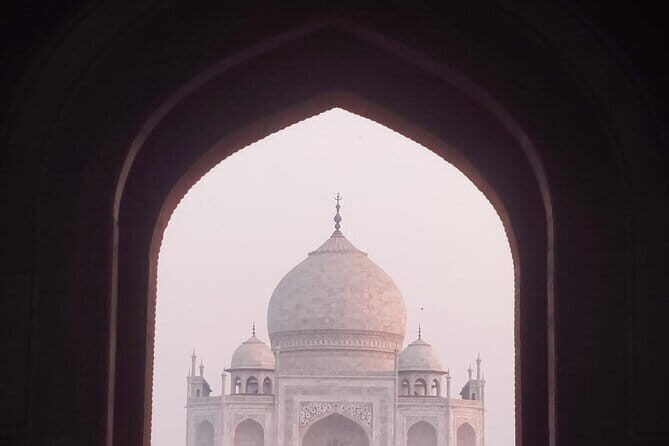
On your Delhi day, you’ll begin at Lodhi Garden, a 90-acre green space that feels like a reset button inside the city. It’s the kind of stop that helps you avoid the “too fast, too loud” feeling people get when they only hit monuments.
Then comes Lotus Temple. It’s welcoming and open to people of all faiths, and the architecture is so recognizable you’ll understand why it’s called what it’s called. I like this pairing because it gives you contrast: calm first, then a modern spiritual landmark.
If you care about photos, this is also a smart order. The garden gives you soft light and space to breathe, while the Lotus Temple gives you a signature shape you’ll remember later when the Mughal buildings start.
Humayun’s Tomb: where Mughal design starts to make sense
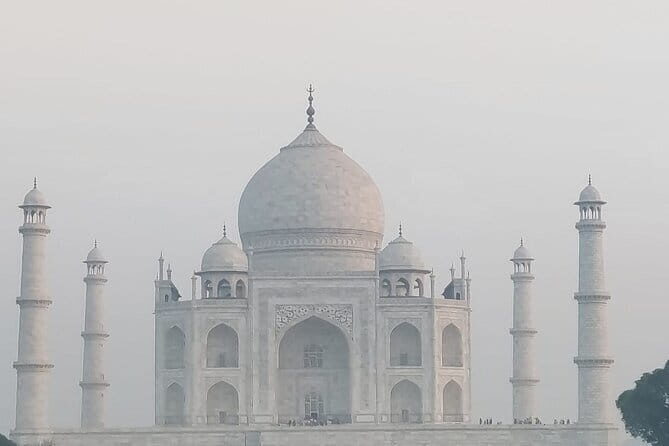
Humayun’s Tomb is one of those sites where the details teach you how to look. Built in the 1500s, it mixes red sandstone and marble, and it’s often treated as a turning point in Mughal tomb architecture.
This stop is also useful because it prepares you for what follows in Agra. Once you’ve seen the layout logic here—symmetry, garden plan, and how the tomb sits within the complex—you’ll spot those patterns again when the tour moves toward later Mughal masterpieces.
Time-wise, you’re not trapped here all day. You get a solid visit length, enough to see the main structure and take in the surrounding gardens without burning out.
Agra prep: Itimad-ud-Daulah and the Baby Taj effect
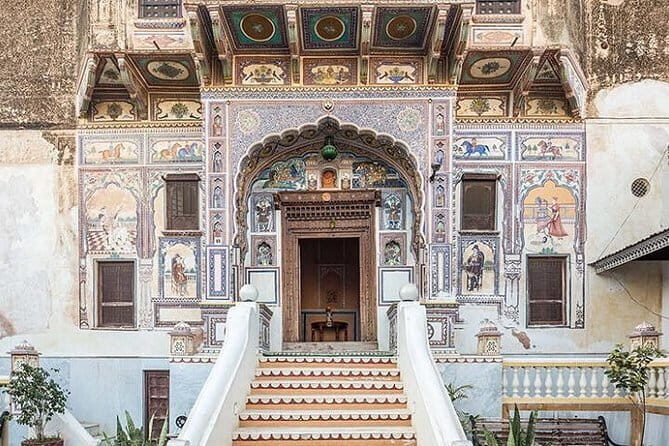
On the next day, the trip heads into the “prelude” phase of Mughal mausoleums with Itimad-ud-Daulah, often called the Baby Taj. It dates to 1626–1628 and is described as a kind of draft that came before the larger Taj Mahal.
If you love carving and fine details, this is a smart move. Smaller monuments often let you see craftsmanship more clearly because you’re not rushing through the biggest crowd magnet.
You’ll also get an interpretation moment with the guide’s storytelling. Places like this reward a short lesson in what you’re looking at—especially when you’re trying to understand why the Taj Mahal later feels so inevitable.
Black Taj (Shah Nawaz Khan): myth, truth, and a different side of Agra
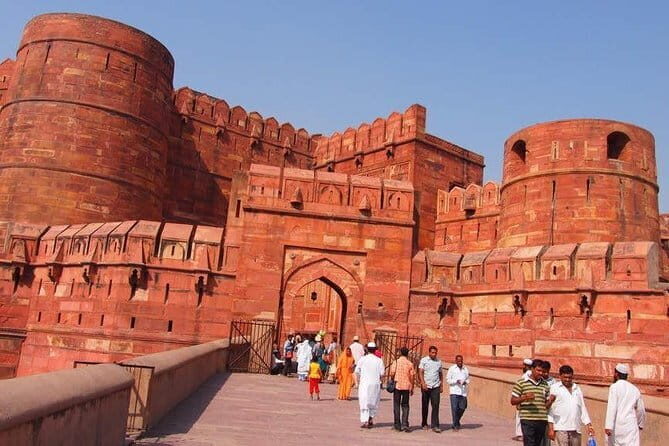
Right across the river sits the Tomb of Shah Nawaz Khan, known as the Black Taj. This stop is built around something more interesting than just walls and marble: you’re invited to compare myth and reality.
That approach changes how you experience the building. Instead of treating it like a standard stop, you start asking questions about what people say, what the evidence suggests, and how stories travel.
You’ll likely find this a satisfying counterweight after seeing the Baby Taj. It keeps the day from feeling repetitive and helps you understand that Mughal architecture comes with mystery, politics, and legend attached.





The Taj Mahal day: more than a checklist stop
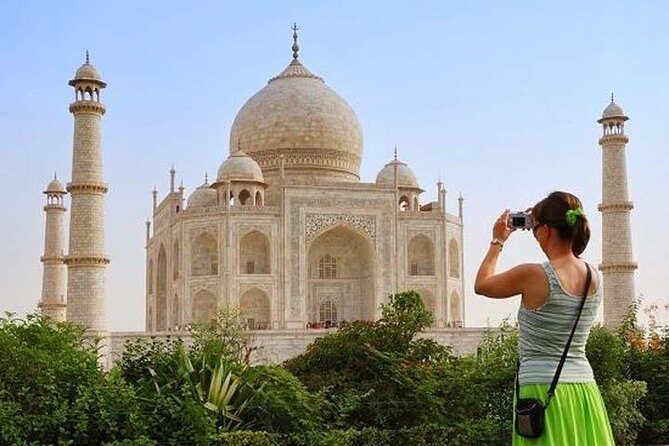
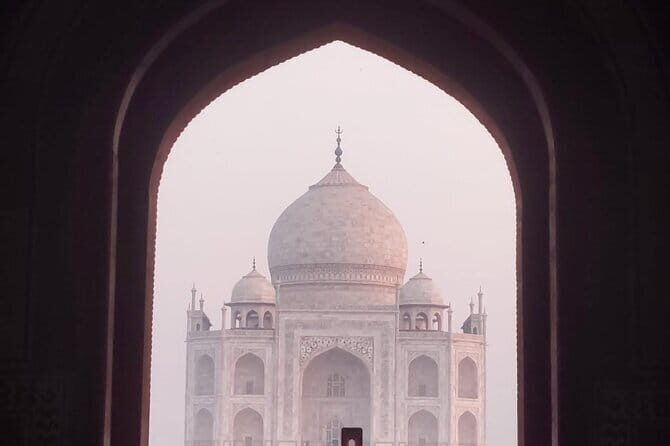
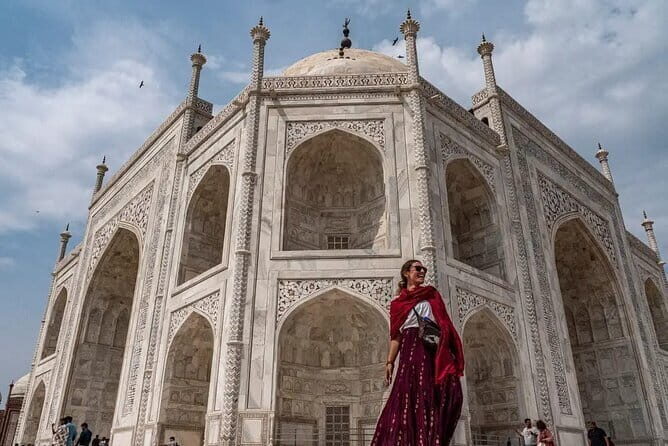
The Taj Mahal is obviously the headline. Still, what makes this plan feel different is how the day is structured around you getting time to see, not only to collect images.
You even get a playful detail: a photo opportunity on the Diana seat. It’s a recognizable spot people associate with classic Taj photos, so it’s a fun way to do the tradition—without turning the day into a single photo sprint.
When you go here, you’ll notice your attention shifting. The more you’ve seen around Mughal design in Delhi, the more the Taj’s layout and marble work will feel legible. You’re not just seeing a masterpiece; you’re seeing how the design language builds.
One more practical note: Taj days can get hot and crowded. Having a private guide helps you manage flow, timing, and where you stand for the best viewing without guesswork.
Fatehpur Sikri and Jodha Bai’s Palace: victory gate to palace fusion
Leaving Agra, you shift into Fatehpur Sikri, with the focus on the Victory Gate commissioned after the Gujarat victory in the late 1500s. This is the kind of history hook that makes a gate stop feel like a story you can follow.
Then you’ll visit Jodha Bai’s Palace within the Fatehpur Sikri complex. It’s described as a fusion of Hindu and Persian architecture, built of red sandstone in 1569. I like this stop because it teaches you to look past the obvious and notice how styles blend.
This is also where the tour’s “done differently” promise shows in how it treats monuments. You’re not only chasing the most famous names. You’re sampling the architecture logic that made those names possible.
Abhaneri’s stepwell: the quick stop that rewards your attention
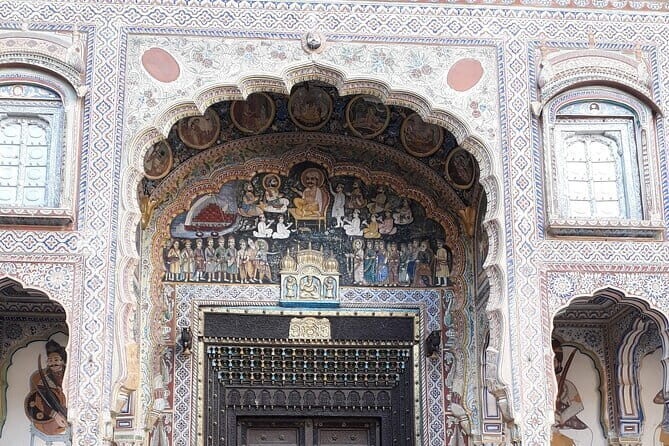
Abhaneri is a short visit, but it’s a strong one. You’ll see an 8th-century stepwell, described as one of the finest examples of this structure type in Rajasthan.
What I like about stepwells is that they’re practical engineering wrapped in design. Even if you don’t spend long here, you’ll leave with a mental picture of how people managed water, shade, and daily life long before modern systems.
Because the visit is brief, this is a good “breather” between heavier days like Taj and forts. You’ll still feel like you discovered something, but you won’t feel like you got dragged through a time sink.
Galtaji Monkey Temple: sacred water and a quirky sensory stop
The Jaipur portion starts with Galtaji Temple, also called the Monkey Temple. Spring waters flow through narrow crevices into pools or tanks where pilgrims come to bathe, and temples honor the sacred water flow.
This stop is sensory. You’re near water sounds, you’re surrounded by ritual, and the setting feels alive. Just remember the stop involves movement and attention—so keep your camera ready, but don’t let it turn into a distraction.
It’s included with an admission ticket, so build it into your mental schedule as a full “experience” stop, not only a quick photo.
Royal cenotaphs at Gaitore: where you learn to slow down again
Next up: Gaitore Ki Chhatriyan, royal cenotaphs for Jaipur’s kings and queens. You’re not just looking at graves; you’re looking at how royalty marked memory with architecture.
This is where the guide’s interpretation matters. With a complex like this, it’s easy to treat it as scenery. A good guide turns it into a context lesson so you understand why the place looks the way it does.
If you’re someone who likes depth but hates museum-style lectures, this stop hits a sweet spot. It’s visually interesting, and you can absorb it at a comfortable pace.
Jaipur time for hidden shopping goals and local “how it’s made” moments
After Gaitore, you get afternoon time built around finding hidden things—time to follow your wish list, pick something special to take home, or see how items are made.
This is one of the best parts of a private tour. Big monuments are scripted. Shopping and crafts can be chaotic. Here, the guide helps you translate your preferences into real options.
You also get a practical benefit: you’re more likely to avoid tourist traps when someone who knows the area steers you. You’ll still want to compare prices and trust your instincts, but at least you’re not starting from zero.
City Palace: Jaipur’s political heart, told in a walkable way
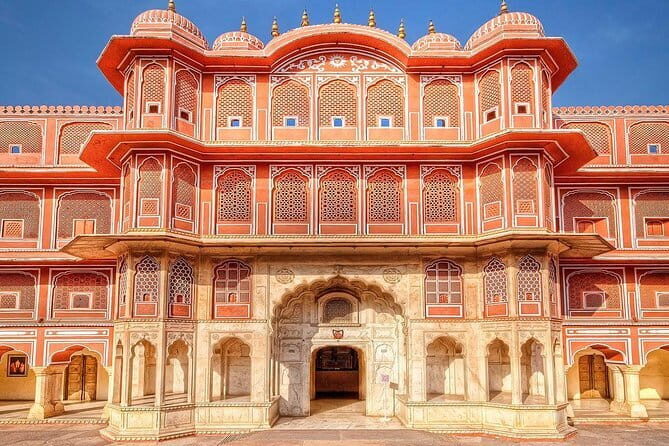
City Palace of Jaipur is the major anchor in your first full Jaipur day. The palace is a beautiful stop with a visit length that lets you cover key sections without feeling rushed into fatigue.
City Palace also works well after Galtaji and cenotaphs. You go from sacred water to royal memorials to royal governance. That flow helps you understand Jaipur as a place where power, religion, and craftsmanship all overlap.
You’ll likely come away seeing why Jaipur has such a strong design identity. The colors, the plans, the way buildings sit in relation to each other—it all becomes easier once you’ve walked through multiple kinds of royal spaces.
Water Palace at lunch or sunset: a pause with purpose
You’ll also visit the Water Palace, described as the Water Palace and summer residence for the Jaipur royal family. The plan includes either lunch timing around the visit or a sunset-style viewing.
This is where the tour’s pacing philosophy shows up. After busy sightseeing, you get a slower moment to watch the light change and enjoy a calmer setting. Even if you’re tired, it tends to feel like a reward instead of another checkbox.
If you’re the type who likes photos, sunset here can be especially satisfying. If you don’t, it still works as a mental break before Amber Fort.
Amber Fort: ramparts, gates, and the last big walking day
Amber Fort is the final headline on your long Jaipur day. You’ll see large ramparts, multiple gates, and cobbled streets that invite you to wander.
This is also the stop where moderate physical fitness becomes relevant. You’ll want comfortable shoes, and you’ll likely do a good amount of walking on uneven surfaces. If you’re planning mobility aids, bring what you need before you arrive, since the tour notes a moderate fitness level.
Amber Fort pairs well with City Palace because both connect to royal life. The difference is tone: City Palace feels like a government hub and residence complex; Amber feels like defense, drama, and a scenic rise.
The last morning: breakfast and a clean exit
On day eight, you have time for a leisurely breakfast and checkout-ready planning for your journey home or your next adventure. You’ll also get help with getting to the airport or train.
This matters because leaving a big trip can be messy if you don’t have support. A guide who stays organized to the end keeps you from losing momentum on the final day.
It also makes the whole trip feel complete. You don’t end with a mad dash; you end with a calm landing.
Price and value: what $224.71 per person really buys
At $224.71 per person for about eight days, this is positioned as a private experience with real structure. The value isn’t just the sightseeing; it’s the time saved and the risk reduced by having a driver-guide who handles navigation in traffic and helps manage daily logistics.
A few details affect your total budget:
- Accommodation: the base level is Red Fox in Delhi, and you can negotiate a step up if you want more comfort. If upgrading matters to you, ask early so the quote matches your expectations.
- Meals: breakfast is included for seven mornings, but lunch and dinner are not included. Your lunch will likely happen in transit or at a local venue chosen for you, and dinner is fully on you.
- Tickets: admissions are mixed—some are free, some are included. That can be a plus, but you’ll want to confirm what’s covered for the days that have free-entry stops so there are no surprises.
If your priority is comfort and control, private guiding tends to pay for itself in practical ways: you spend less time figuring out transport and more time understanding what you’re seeing.
Who this tour suits best (and who should tweak expectations)
This works best for you if you want a private guide, you like learning with context, and you care about getting beyond only the most obvious stops. It also fits if you enjoy a balance of major sights and off-the-main-list experiences—stepwells, cenotaphs, and gardens included for real reasons.
It’s also a solid pick for groups, including repeat visitors and larger travel parties, since the tour is private and can handle different interests. If you’re traveling with specific needs—diet plans for lunch, slower pacing, extra shopping time—this tour is explicitly designed to accommodate dreams and wishes.
If you’re extremely price-sensitive, budget for lunch and dinner, and consider whether you want an accommodation upgrade in Delhi. Also, plan for walking at Amber Fort and other sites, since the tour calls for moderate physical fitness.
Should you book this private Golden Triangle plan?
I’d book this if you want the Golden Triangle without the usual race-and-regret feeling. The combination of pickup support, a private guide (Raju), and a route that includes Mughal tombs plus Rajasthan side sights makes it feel like more than a big-name photo tour.
If you want to save money above all else, you might feel the cost of lunch and dinner plus any accommodation upgrade. But if you care about safety, timing, and a guide who can steer you toward good local experiences, this is the kind of trip that pays back in how smoothly your days run.
FAQ
How long is the Golden Triangle tour?
It runs for about 8 days.
Do you get pickup and drop-off during the trip?
Yes. Pickup is offered, and on day one the guide collects you from the airport and drives you to your Delhi accommodation. On day eight, the guide helps you get to the airport or train.
What meals are included in the tour price?
Breakfast is included for seven mornings. Lunch and dinner are not included.
Are entrance tickets included for all stops?
Not all of them. Some sights list admission as free, while others include admission tickets in the tour. For example, Lotus Temple and Humayun’s Tomb have admission included, while some stops like Lodhi Garden and Fatehpur Sikri list admission ticket free.
Is this tour private?
Yes. It’s a private tour/activity, and only your group participates.
What’s the cancellation window?
Free cancellation is available up to 24 hours in advance of the experience start time for a full refund.