REVIEW · JAIPUR
Golden Triangle & Ranthambore: 4-Day Private Tour from Delhi
Book on Viator →Operated by Maria Tours · Bookable on Viator
Tigers and Mughal monuments collide fast. This private 4-day plan is a smart way to stack the big Golden Triangle sights with a real shot at seeing Bengal tigers at Ranthambore, without fighting crowded buses or guessing logistics. I love that the Taj Mahal portion is timed for a sunrise-style visit, which gives you a better chance at calmer viewing and great photos.
My second favorite part is the human touch: you get a dedicated guide in each city, and the Ranthambore safari runs with a naturalist guide (English-speaking). I’ve seen standout guide names tied to this itinerary, like Nasir in Agra and Brajesh in Jaipur, and it shows in how smoothly the days run. One consideration: monument entrance tickets aren’t included, so you’ll want to budget for sites like the Taj Mahal, Agra Fort, City Palace, and Jantar Mantar.
In This Review
- Key Things I’d Book This For
- Private Car From Delhi NCR: The Real Time Saver
- Day 1 in Delhi: Gurudwara Peace, Old Delhi Energy, Humayun’s Tomb
- Day 2: Taj Mahal Sunrise, Agra Fort, and the Baby Taj
- Day 3: Ranthambore Safari With an English-Speaking Naturalist
- Day 4 Jaipur Highlights: Jaigarh, Jal Mahal Views, City Palace, Jantar Mantar, Hawa Mahal
- What the $215 Price Covers (and Where Costs Add Up)
- Guide Quality: Why Names Like Nasir, Arham, and Brajesh Matter
- Timing Notes: Thursday/Monday Variations and Safari Ticket Reality
- Should You Book This Golden Triangle & Ranthambore Tour?
- FAQ
- What’s included in the tour price?
- Are monument entrance fees included?
- Where does the tour pick you up?
- Do you get a guide in every city?
- What language are the guides?
- What happens during the Ranthambore safari?
- Is the safari ticket guaranteed for a specific time?
- What about hotel rooms and sharing?
- What if your tour starts on a Thursday or Monday?
- Is the Lotus Temple closed?
Key Things I’d Book This For

- Sunrise-style Taj Mahal timing for a quieter feel and better light for photos
- City-by-city private guides who help you understand what you’re seeing (and where to stand)
- Ranthambore safari with an English-speaking naturalist for real wildlife context
- Shared safari jeep/canter so you’re not handling logistics or vehicle coordination
- Tight Golden Triangle itinerary with minimal “dead time” between stops
- Private, air-conditioned Delhi transport with pickup and drop-off in Delhi NCR
Private Car From Delhi NCR: The Real Time Saver
This is built for convenience. You get pick-up from anywhere in Delhi NCR—Delhi, Noida, Gurugram, Faridabad, or Ghaziabad—between 7:00 AM and 11:00 AM. That flexibility matters because it lets you sleep in a bit, grab breakfast, and still start sightseeing without stress.
On the road, you’ll have an air-conditioned private car for the sightseeing days. The vehicle size depends on your group (sedan for 1–2 people, wagon for 3–5, van for 6–12), so you shouldn’t feel squeezed. Plus, parking fees, tolls, fuel, and taxes are handled, which means fewer annoying “surprise” moments mid-trip.
A private setup also helps you keep the day moving. In a place like Delhi, where traffic can randomly turn chaotic, not having to wait on other groups is a big quality-of-life upgrade. If you’re coming from a flight the previous day or you’re traveling with kids, that alone is worth paying for.
You will still have long driving stretches between cities. You’re doing Delhi → Agra → Ranthambore area → Jaipur → back to Delhi, so pack patience with your camera. The upside is you get a lot of famous sights without losing entire days to transit planning.
You can also read our reviews of more private tours in Jaipur



Day 1 in Delhi: Gurudwara Peace, Old Delhi Energy, Humayun’s Tomb
Your first day mixes calm places with classic Mughal-era landmarks, then pivots to Agra by evening. It starts at Gurudwara Bangla Sahib, a peaceful spot with a golden dome and a serene water tank. The ticket is free, and it’s one of those stops that helps you reset after travel.
Then you head into Old Delhi. You’ll visit Jama Masjid, a huge 17th-century mosque built by Shah Jahan. It’s not just a photo stop; the setting makes you feel how central religion was (and still is) in Delhi’s old city life. Dress appropriately here—shoulders and legs covered is a good rule of thumb.
A fun detail: you hop on a tuk-tuk for a quick ride through the lanes, giving you that immediate street-level sense of Old Delhi. Next comes Khari Baoli, widely known as one of Asia’s largest wholesale spice markets. You’ll walk past towering stacks of spices—turmeric, cardamom, and red chilies—while your guide explains how spices have shaped trade and food culture.
After that, you do several “pass-by” landmarks: Red Fort, the Tomb of the Unknown Soldier, Parliament House, and Rashtrapati Bhavan (President House). You’re not touring them like you would a ticketed site, but they help you connect Delhi’s geography and power centers quickly.
You end the sightseeing in a major UNESCO site: Humayun’s Tomb. It’s considered the first garden tomb of India, built after Humayun’s death. Admission isn’t included, but the guided explanation is the point—so don’t rush this one.
Later, your driver heads to Agra for an overnight stay. That means Day 1 is a big “Delhi primer” plus a smooth move toward the Taj Mahal.
Day 2: Taj Mahal Sunrise, Agra Fort, and the Baby Taj
Day 2 is where the trip really flexes. You start with a sunrise-style visit to the Taj Mahal, one of the UNESCO World Heritage Sites and the New 7 Wonders of the World. The guided time inside is around two hours, and admission isn’t included—so your entrance cost is extra, but the payoff is the early timing.
This is also the day for photography help. In the guide names tied to this tour, you’ll see people calling out the best photo spots—like Kevin in Agra—because standing in the right angles makes a huge difference with white marble.
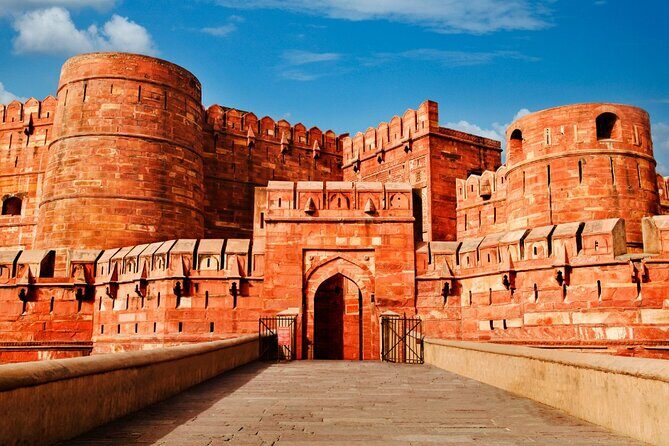
After the Taj, you go to Agra Fort, another UNESCO site and former Mughal residence. The fort is a layered experience: it’s not just “big walls,” it’s where power, defense, and daily life overlapped. Your guided visit is shorter (about an hour), so focus on the big architectural details your guide points out.
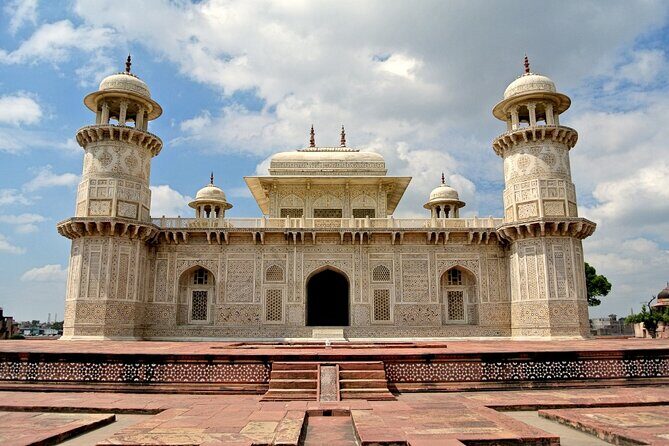
Then comes a favorite for many people: Itmad-ud-Daula, often called the Baby Taj. It’s smaller, but it has a serious level of marble work and decorative detail. Your time here is about 30 minutes, which is just enough to appreciate the craftsmanship without turning it into a slow slog.
Once you finish Agra sights, you travel to Ranthambore area (Sawai Madhopur) and check in for the night. It’s a longer transit day than the others, so it’s wise to keep your energy up after Taj and forts.
Practical tip: this itinerary stacks a lot of walking into one day, but you’re moving efficiently. Wear shoes you can trust and bring a hat—Agra can feel intense, especially earlier in the day.
Day 3: Ranthambore Safari With an English-Speaking Naturalist

Morning in Ranthambore is the whole game. You’ll rise early and head out on a jungle safari in Ranthambore National Park for about 2–3 hours. The vehicle is a shared jeep or canter, and you’ll go with a naturalist guide who speaks English.
Here’s the key reality: tiger sightings aren’t guaranteed. Tigers can potentially be spotted in different zones, and each zone has chances because tigers roam across the park. That’s why this works best when you treat it like a wildlife encounter, not a box to tick.
What you gain—even without a tiger sighting—is context. A good naturalist helps you understand animal tracks, behavior patterns, and the rhythms of the forest. You also learn how safari zones function and why you might see other wildlife even if the tiger is elusive.
After safari, you move to Jaipur and check into your hotel. The rest of the day is yours at leisure, so you’re not stuck in a schedule that never ends. If you want to stretch, nap, shop, or just walk near your hotel, you can.
Because this is a private tour, you’re not sharing time with strangers in the same way you would on a bus day trip. Still, the safari itself is shared by design, so expect the standard “everyone together” format while wildlife happens on its own clock.
Day 4 Jaipur Highlights: Jaigarh, Jal Mahal Views, City Palace, Jantar Mantar, Hawa Mahal

Jaipur is the grand finale, and Day 4 is structured like a classic hits circuit. You start at Jaigarh Fort, a hilltop fortress built in 1726 by Maharaja Jai Singh II to protect Amber Fort below. Your visit is around two hours, and the fort has a famous feature: the world’s largest wheeled cannon (often called Jai Bangas). It’s the kind of landmark that helps you picture how forts worked, not just how they look.
Next is Jal Mahal, the palace in the middle of Man Sagar Lake. You spend about 30 minutes here. It’s best for photos and views rather than a long, deep tour—so don’t expect a full museum-style visit.
Then you move into City Palace of Jaipur. It’s the seat of the Maharajas and now includes a museum component (Maharaja Sawai Man Singh II Museum). You’ll have around two hours, which is enough time to appreciate the palace’s scale and understand the political and cultural role it played.
After that comes a UNESCO site with a scientific feel: Jantar Mantar. It’s an astronomical observatory built in 1734 by Sawai Jai Singh II. Your time is about one hour, and it’s one of the more interesting stops on the itinerary because it connects art and math in a way you can actually see with your eyes.
You finish with Hawa Mahal, the five-story Palace of Wind, built in 1799 with red and pink sandstone and famous latticework. Your visit is short—about 15 minutes—so treat it like a quick, dramatic stop. The façade is the star.
You’ll have lunch (included time for it, though lunch itself isn’t listed as included) and then you drive back to New Delhi for drop-off, with around five hours on the road. It’s a long ending day, but at least you’re closing with the biggest visual hits.
You can also read our reviews of more tours and experiences in Jaipur





What the $215 Price Covers (and Where Costs Add Up)
At $215 per person, this isn’t a budget-only option—but it’s also not a luxury bubble. The value comes from what’s included: private air-conditioned car transport, pickup and drop-off across Delhi NCR, and private live guides in Delhi, Agra, and Jaipur. You also get a naturalist guide for Ranthambore and an included shared safari jeep/canter.
Accommodation with breakfast is included as well (and you’ll get breakfast three times). Parking fees, tolls, fuel, and taxes are handled. That’s the stuff that quietly eats money if you plan everything yourself.
Two big items aren’t included: monument entrance tickets and lunch. So yes, you should expect extra spending at the gates. The Taj Mahal, Agra Fort, and the Jaipur palace/observatory sites can push your total up, depending on what you choose to pay for and any add-ons.
Still, I like this price model because it reduces decision fatigue. You don’t have to scramble for guide assignments, coordinate multiple transport legs, and figure out safari logistics. You’re paying for organization, timing, and the chance to use early morning for the Taj.
Also, your safari is shared—not private. That keeps the price more reasonable. If you want a private wildlife vehicle for maximum control, you’d need a different style of tour and likely a higher budget.
Guide Quality: Why Names Like Nasir, Arham, and Brajesh Matter

A Golden Triangle tour lives or dies on explanation. The good news here is the guides are consistently praised by name, including Nasir and Arham in Agra, Sadiq for the Agra days, Brajesh in Jaipur, and Vimal in Delhi. People repeatedly mention guides who manage pacing and make sure you get the important moments without feeling rushed.
You’ll also see a pattern: guides help with photography. Some call out best photo angles for the Taj Mahal, and others mention how guides help people take photos comfortably. That’s practical, not just “nice service.” In a monument like the Taj, the best views depend on where you stand and how you handle the flow of visitors.
Language matters too. The tour notes that you can conduct sightseeing in the language you prefer, and the Ranthambore naturalist is English-speaking. If you’re traveling with a group, this is a big deal because everyone can actually understand what they’re looking at.
One more small but important point: guides assist with purchasing entrance tickets at monuments, helping you avoid long queues for buying tickets. That doesn’t remove waiting entirely (nothing in India is magic), but it usually prevents one of the most annoying parts of touring.
And if you’re traveling with kids or someone who needs slower pacing, you’ll want a guide who can handle it. The feedback tied to this itinerary mentions patience and pacing, which is exactly what you want when your day includes sunrise time and multiple walking stops.
Timing Notes: Thursday/Monday Variations and Safari Ticket Reality
Your itinerary can change based on your start day. If your tour starts on a Thursday, the route order swaps slightly: Delhi sightseeing then overnight in Jaipur, then Jaipur sightseeing then overnight in Ranthambore, then safari then overnight in Agra, and finally Agra sightseeing with drop-off in Delhi.
If your tour starts on a Monday during July, August, or September, the plan shifts again. In that case, you might do Delhi sightseeing with an overnight in Agra, then Agra to Jaipur, then Jaipur to Ranthambore, with a Ranthambore morning safari and drop-off in Delhi.
These swaps matter because they affect where you sleep each night and which morning activities you get. If you’re picky about which city you wake up in, check your exact day pattern before you lock your flights.
There’s also a safari timing reality to keep in mind. If safari tickets aren’t available for the exact slot you wanted, the day’s safari timing may shift, and you might see a workaround that still keeps the safari in the plan. That’s not a failure; it’s just how popular wildlife areas work.
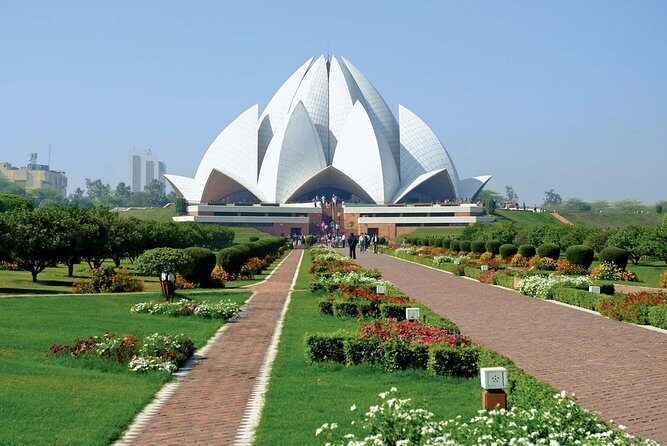
Finally, if you were planning extra Delhi stops outside this route, note that the Lotus Temple remains closed every Monday. This doesn’t change the main plan, but it can save you from a disappointment if you were hoping to add it.
Should You Book This Golden Triangle & Ranthambore Tour?
I’d book this if you want an efficient first-timer route with real structure. You get the big iconic sights—Taj Mahal at sunrise, Agra Fort, Humayun’s Tomb, City Palace, Jantar Mantar, Hawa Mahal—plus a genuine wildlife safari at Ranthambore with an English-speaking naturalist.
It also fits well if you hate logistical stress. You get private transportation, scheduled guides, hotel nights with breakfast, and a plan that doesn’t force you to micromanage every transfer.
I’d think twice if you’re chasing a lowest-cost trip. Entrance tickets and lunch are extra, and the driving days are long. Also, if tiger sightings are your only goal, keep expectations flexible—wildlife doesn’t follow schedules, even when you do everything right.
If you want a balanced package—monuments plus the chance at a tiger—it’s a strong pick. Just go in ready to walk, ready for early mornings, and ready to treat Ranthambore as a wildlife experience, not a guaranteed trophy moment.
FAQ
What’s included in the tour price?
The tour includes pickup and drop-off in Delhi NCR, a private air-conditioned car for sightseeing, private live tour guides in Delhi, Agra, and Jaipur, and a naturalist guide in Ranthambore (English-speaking). Accommodation with breakfast is included, along with a shared canter/jeep for the safari, parking fees, tolls, fuel, and taxes. Breakfast is included three times.
Are monument entrance fees included?
No. Monument entrances are not included, and you’ll pay for them separately at the sites. Guides can assist with ticket purchasing to help you avoid waiting in ticket queues.
Where does the tour pick you up?
You’ll get pick-up from anywhere in Delhi NCR, including Delhi, Noida, Gurugram, Faridabad, and Ghaziabad. The pickup window is between 7:00 AM and 11:00 AM.
Do you get a guide in every city?
Yes. The tour provides a different private guide in each city (Delhi, Agra, and Jaipur). In Ranthambore, there’s an English-speaking naturalist guide for the safari.
What language are the guides?
Tours can be conducted in the language you prefer, based on the tour information provided. The Ranthambore naturalist is specifically noted as English-speaking.
What happens during the Ranthambore safari?
You’ll do a jungle safari in Ranthambore National Park using a shared jeep or canter. You’ll go for about 2–3 hours with a trained naturalist. Tiger sightings are not guaranteed since tigers can be in different zones.
Is the safari ticket guaranteed for a specific time?
The plan is for a morning safari, but safari timing can shift if tickets are not available for the preferred slot. The tour may adjust while keeping the safari included.
What about hotel rooms and sharing?
Rooms are generally provided on a twin-sharing basis. For a booking of 3 people, rooms are generally triple-sharing by default. If 3 guests prefer 2 rooms, they need to pay an additional charge for the second room.
What if your tour starts on a Thursday or Monday?
If your tour starts on a Thursday, the overnight cities shift (Delhi → Jaipur → Ranthambore → Agra → Delhi). If your tour starts on a Monday during July, August, or September, the order also changes and includes an overnight pattern of Delhi → Agra → Jaipur → Ranthambore → Delhi.
Is the Lotus Temple closed?
The Lotus Temple in Delhi remains closed every Monday, according to the tour’s additional information.