REVIEW · VARANASI
Cycle of Life, Death & Rebirth (2 Hours Guided Walking Tour)
Book on Viator →Operated by Yo Tours · Bookable on Viator
Death and ceremony, explained on foot.
This small-group walk in Varanasi focuses on Hindu ideas of the cycle of life, death, and rebirth, while you move along the Ganges riverside ghats. You’ll hear about funerary rights, rituals, and philosophy in plain language as you look out over the river and the steps where daily worship happens.
What I liked most: first, the English-speaking guide (I learned a lot from Manish) kept the tone clear and your questions welcome. Second, the small group size means you’re not just watching from the sidelines; you can ask why rituals matter and what people believe they do.
The main thing to consider is the subject matter. This route includes cremation areas and the meaning of moksha, so if you’re easily unsettled by death-related ceremonies, plan your mindset before you go. Also, it’s a walking tour with no air-conditioned vehicle and no food included.
In This Review
- Key highlights you can count on
- How the Ganges Ghats Teach Hindu Ideas of Rebirth
- St. Thomas Church start: quick logistics for a 2-hour walk
- Dashashwamedh Ghat: the oldest action spot and Ganga aarti context
- Manikarnika Ghat: cremation, salvation, and the idea of moksha
- Energy transformation techniques: balancing your mindset during the walk
- Walking through Kashi’s other old ghats and watching prayers unfold
- Harishchandra Ghats: the cremation ritual focus on a sacred purpose
- Price and value: why $13.20 can make sense here
- Who should book this walk (and who should think twice)
- A quick plan to enjoy it without getting worn out
- Should you book the Cycle of Life, Death & Rebirth walk?
- FAQ
- How long is the Cycle of Life, Death & Rebirth guided walking tour?
- What does the tour cost?
- How big is the group?
- What language will the guide use?
- Where does the tour start and end?
- Is there hotel pickup or drop-off?
- Are meals or drinks included?
- Is air-conditioned transport included?
- Is the tour dependent on weather?
- What’s the cancellation policy?
Key highlights you can count on
- Small group (max 10), so your questions actually fit into the walk
- English-speaking guide who also works in Hindi, led by a strong storyteller
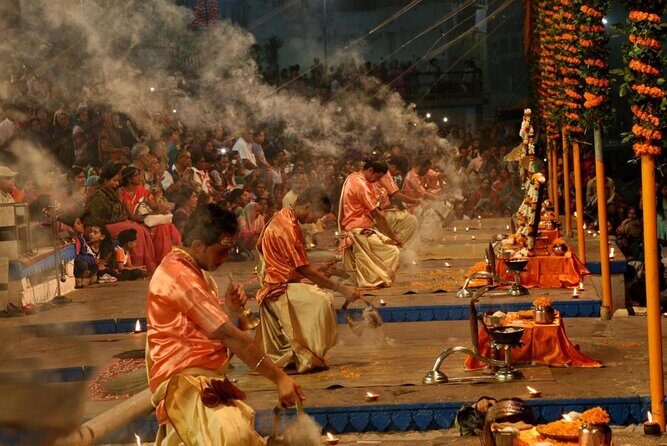
- Dashashwamedh Ghat views tied to the famous evening Ganga aarti
- Manikarnika Ghat and the belief of salvation toward moksha after cremation
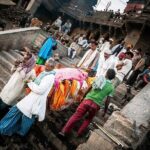
- Multiple ghats in Kashi, with people doing prayers and meditations right on the stairs
- Energy transformation techniques explained as a way to balance your own system
How the Ganges Ghats Teach Hindu Ideas of Rebirth
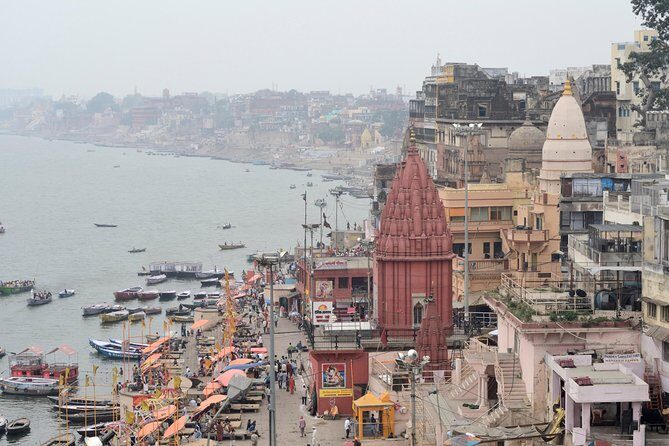
In Varanasi, you don’t just see religion. You see people living inside the cycle they talk about: life, death, and what comes after. This tour is built around that theme, with your guide linking what you’re seeing at the river to what it means spiritually.
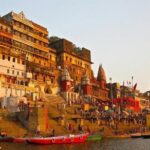
You’ll walk along the banks of the Ganges and hear explanations that connect rituals to belief. You’ll also spend time on the ghats where funerary rights happen, so the conversation doesn’t stay abstract.
You can also read our reviews of more walking tours in Varanasi

St. Thomas Church start: quick logistics for a 2-hour walk
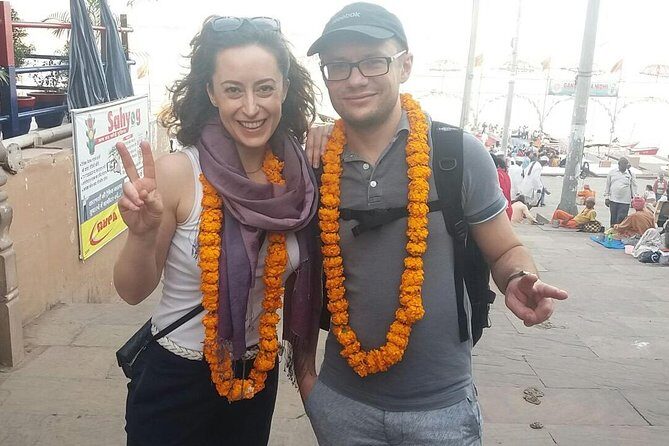
This is a 2-hour guided walking tour, and it’s designed to be straightforward. You meet at St. Thomas Church on Luxa Rd in Varanasi, and the experience ends back at the same meeting point.
Because there’s no hotel pickup or drop-off, you’ll want to get yourself to the meeting area using public transportation nearby. The tour also runs on good weather, so if conditions are bad, you may be offered another date or a full refund.
Group size stays small—up to 10 travelers—which matters more here than on a “standard sightseeing” walk. When you’re talking about cremation rituals and philosophy, you want a guide who can handle your questions without rushing you.
Dashashwamedh Ghat: the oldest action spot and Ganga aarti context
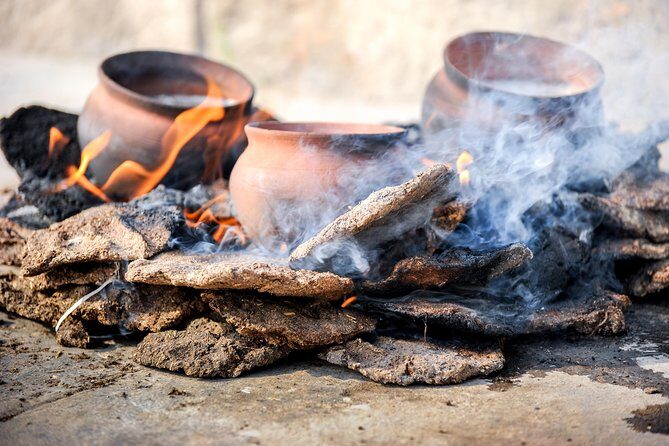
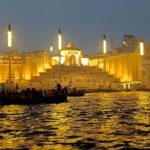
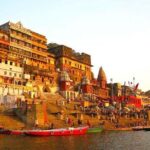
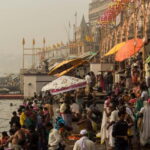
Your first big stop is Dashashwamedh Ghat, described as the oldest and holiest ghat and the heart of the action. Even if you’ve seen pictures of Varanasi ghats, being there in person changes the feel. You’re close to where worship is happening, not where it used to happen.
The guide also connects what you’re seeing to the Ganga aarti, which takes place every evening. This matters because it gives you a framework: the riverfront isn’t just scenery, it’s part of the daily religious rhythm.
A practical note: at a busy ghat, you’ll likely want to keep an eye on where you step and how you move with the group. The point of this stop isn’t slow museum pacing; it’s learning while you’re surrounded by ceremony.
Manikarnika Ghat: cremation, salvation, and the idea of moksha
Next comes Manikarnika Ghat, noted as the holiest sacred riverfront alongside the Ganga. This stop is focused on what happens after cremation—specifically the belief that the soul finds salvation toward moksha.
That’s a heavy topic, and the value here is in how it’s explained. Your guide doesn’t leave you with only imagery. You get the spiritual reasoning behind why Manikarnika is treated with such reverence.
If you’re the kind of traveler who likes context, this is where the tour earns its keep. The walk helps you see cremation spaces as part of a belief system, not just a shocking sight. If you’re more sensitive, go with extra care: this section is where the emotional intensity of the subject matter is highest.
Energy transformation techniques: balancing your mindset during the walk
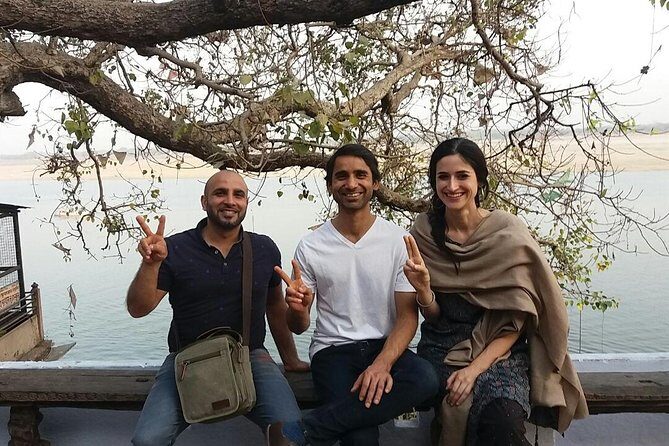
One of the distinctive parts of the experience is the talk on “energy transformation techniques” connected to the ghats of Kashi. The guide presents ideas meant to help you balance your own energy system, which is a different angle than “just history” or “just rituals.”
This isn’t a performance piece. It’s framed as techniques you can understand while you’re there, which makes it feel less like sightseeing and more like a guided interpretation of what you’re observing.
For you, this can be useful even if you don’t share the beliefs. You can still appreciate the structure: people understand life and death through frameworks that include mental and energetic balance. It’s also a nice contrast after the cremation-focused stops—your guide shifts from what happens to the body to how people think about internal change.
You can also read our reviews of more cycling tours in Varanasi
Walking through Kashi’s other old ghats and watching prayers unfold
After Manikarnika, you continue through other old and spectacular ghats along the Ganges. This part is less about one single “big moment” and more about building a complete picture of how the riverfront works across the day.
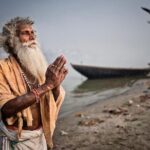
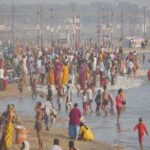
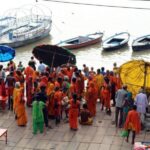
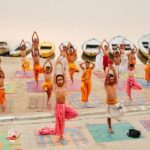
The walk includes time to observe a colorful mix of people—Hindu gurus doing meditations and prayers right on the stairs. That detail is exactly the kind of thing that’s hard to capture from a brochure. Here you’re seeing real behavior, in real space, tied back to the meanings your guide is discussing.
If you’re worried about being lost, don’t be. The guide keeps you oriented with explanations as you move, and the small group format helps you actually stay engaged rather than just weaving through crowds.
Harishchandra Ghats: the cremation ritual focus on a sacred purpose
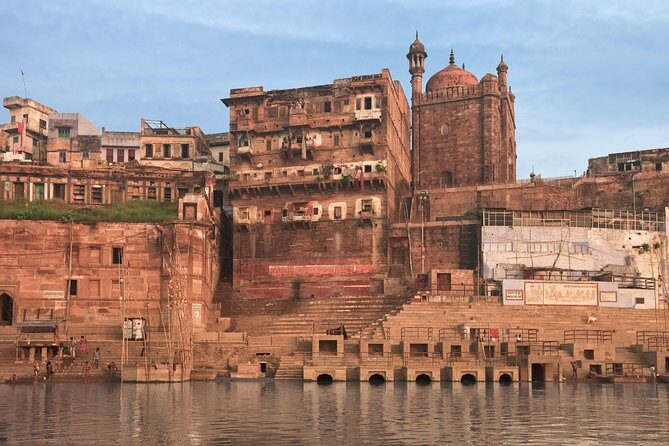
Later, you reach the Harishchandra Ghats, dedicated to the cremation ritual. This stop reinforces the tour’s core theme: the cycle of life and death isn’t treated as an ending. It’s treated as something with spiritual significance and ritual structure.
Because Harishchandra Ghats are dedicated specifically to cremation ritual, this section is more focused than the broader “people praying” ghats. You’ll want to listen closely to what your guide explains about why the space matters for the belief system.
Be ready for a moment that feels emotionally direct. Even if you’ve traveled widely, cremation sites can hit differently. This is exactly why a guided walk helps: you’re not left to guess what you’re seeing.
Price and value: why $13.20 can make sense here
At $13.20 per person, this tour sits in the “surprisingly affordable” category for what you get. You’re not paying for a vehicle or convenience; you’re paying for time with a storyteller/guide who can speak English (and Hindi) and translate the meaning of the places you’re walking past.
Included elements that boost value:
- A highly trained, friendly guide who can speak English & Hindi
- Guide-led conversations about religious aspects, beliefs, and local importance
- A walking route that covers major ghats tied to the tour’s theme
Not included things you should plan for:
- No air-conditioned vehicle
- No hotel pickup/drop
- No food or drinks
So the real value question for you is simple: do you want guided meaning, not just a photo route? If yes, the price looks fair quickly. If you only want pretty views and easy logistics, you might feel the intensity and walking effort is more than you bargained for.
Who should book this walk (and who should think twice)
This tour fits best if you:
- Want an English-speaking guide to explain Hindu beliefs around death and rebirth
- Like learning while walking through real sites, not just standing outside fences
- Prefer small groups where your questions can shape the pace
It may be less ideal if you:
- Feel strongly uncomfortable with cremation-related locations
- Need lots of comfort breaks, food stops, or vehicle time (none are included)
- Are traveling only for light sightseeing and don’t want heavy themes
I also think it’s a good choice if you appreciate guides who answer questions clearly. In my experience with guides like Manish style-wise—friendly, direct, and focused on explanations—this kind of tour becomes memorable because it connects your questions to what you’re seeing.
A quick plan to enjoy it without getting worn out
Since it’s a 2-hour walk and you’ll be moving along riverfront steps, wear shoes that handle uneven surfaces and crowds. Bring water if you’re the type who runs dry quickly, since no drinks are included.
Also, keep your expectations aligned with the theme. This isn’t a “best of Varanasi in general.” It’s a focused walk through the meaning of life, death, and rebirth—starting at Dashashwamedh, moving through Manikarnika, and ending with cremation ritual context at Harishchandra.
If you do that, you’ll get the most from the guide’s explanations and from the atmosphere at each stop.
Should you book the Cycle of Life, Death & Rebirth walk?
Book it if you want guided interpretation of what you’re seeing at the Ganges ghats, including the cremation spaces that anchor the religious belief system. The small group size and the English-speaking guide make the walk feel personal, and Manish’s kind of question-friendly approach is exactly what helps this topic land in a useful way.
Skip it or rethink it if you need a gentler day with minimal death-related context. There’s no sugarcoating here—the tour is built around funerary rights, rituals, and moksha-linked beliefs—so your comfort matters more than your curiosity.
If your goal is understanding, not just witnessing, this is a strong value at $13.20 and a practical way to see Varanasi’s riverfront with meaning in every step.
FAQ
How long is the Cycle of Life, Death & Rebirth guided walking tour?
It lasts about 2 hours.
What does the tour cost?
The price is $13.20 per person.
How big is the group?
The tour has a maximum of 10 travelers.
What language will the guide use?
The guide can speak English & Hindi.
Where does the tour start and end?
You start at St. Thomas Church, Luxa Rd, Varanasi and the activity ends back at the same meeting point.
Is there hotel pickup or drop-off?
No. Hotel pickup and drop are not included.
Are meals or drinks included?
No. Food and drinks are not included.
Is air-conditioned transport included?
No. There is no air-conditioned vehicle included.
Is the tour dependent on weather?
Yes. It requires good weather. If it’s canceled due to poor weather, you’ll be offered a different date or a full refund.
What’s the cancellation policy?
You can cancel for a full refund up to 24 hours in advance. If you cancel less than 24 hours before the start time, you won’t get a refund.