REVIEW · VARANASI
Guide francophone à varanasi – Rakesh
Book on GetYourGuide →Operated by Guide francophone à varanasi - Rakesh · Bookable on GetYourGuide
Banaras feels like a living classroom. This 3-hour walk led by Rakesh turns the old city into something you can actually read, from daily Hindu routines to the spiritual logic behind what you see. With a guide born and raised in Varanasi, you get the slow answers, the quiet corners, and the key context at the right moments.
I especially like two things: the small group (up to 8) keeps questions easy, and Rakesh’s French makes the explanations flow. The tour also includes entry fees for major stops, so your plan stays simple.
One consideration: this is not an easy-going outing. It’s not suitable for wheelchair users, children under 10, or people over 80, and you’ll be walking through older streets where footing can feel uneven.
- French-and-English guidance that keeps the meaning clear, not just the sights
- Rakesh’s local perspective, with hidden side stops beyond the usual photo spots
- Temple entries included, including Nepali temple, Vishalakshi temple, and Manikarnika
- A pace built for understanding, including how rituals fit into Hindu belief
- Small group size (max 8), which helps when you have questions
- Practical value at $24, with water and entry fees bundled into the price
In This Review
- Why a Local French Guide Changes Everything in Varanasi
- Meeting Rakesh on Dashashwamedh Road (Manmanidr Observatory)
- Nepali Temple: Quiet Stops That Teach You How to Look
- Vishalakshi Temple: Architecture and Meaning, Not Just Buildings
- Manikarnika and the Ghats: Getting Context for Cremation Scenes
- A 3-Hour Walk with a Small Group (Up to 8)
- What You Get for $24: Entry Fees and a Real Explanation Budget
- Who This Tour Suits Best (And Who Should Skip)
- Practical Tips Before You Go
- Should You Book Rakesh’s French Varanasi Walk?
- FAQ
- How long is the Varanasi tour with Rakesh?
- What languages does the guide speak?
- How big is the group?
- Where is the meeting point?
- What’s included in the price?
- Does the tour include temple visits?
- Is this tour suitable for kids?
- Is it wheelchair accessible?
- What are the cancellation terms and payment options?
Why a Local French Guide Changes Everything in Varanasi
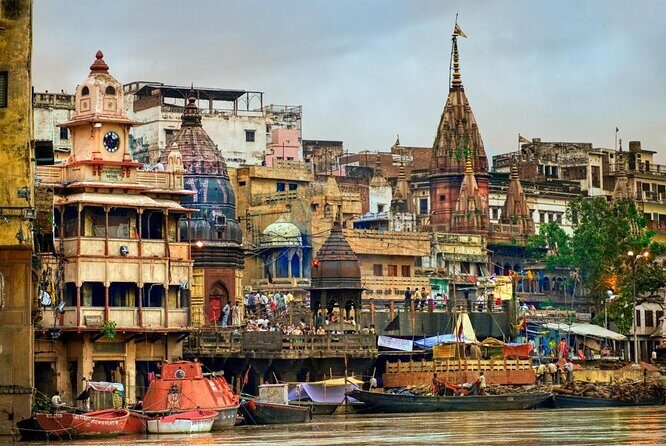
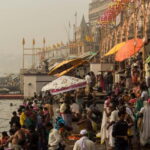
Varanasi can hit you all at once: sound, motion, smells, devotion, and daily routines that don’t wait for you to catch up. A good guide doesn’t make it less intense. A good guide helps you see the structure underneath the chaos. That is exactly where this tour earns its keep.
Rakesh is francophone and speaks English too, so you’re not stuck with a bland overview. He’s from the city and knows how to route you through small lanes and calmer spots without turning the walk into a sprint. If you want Varanasi to make sense—religiously, historically, and emotionally—this is the kind of experience that actually helps.
The goal isn’t just to show you where things happen. It’s to give you the mental hooks to understand what you’re witnessing as you move from one sacred space to the next. You’ll get explanations of Hinduism’s foundations and why people do what they do.
Meeting Rakesh on Dashashwamedh Road (Manmanidr Observatory)
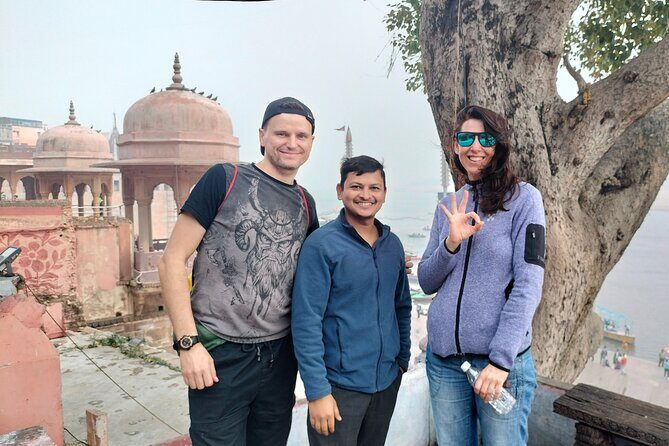
The meeting point is Manmanidr observatory on Dashashwamedh Road. That’s a practical detail, because it sets you up near the action without needing a complicated hunt for your guide. Once you link up with Rakesh, you’ll have a short start before the walking begins.
A small thing matters here: when a guide takes a moment to settle you in, your day goes better. In the comments about Rakesh’s style, there’s a consistent theme—he gets you comfortable quickly, including a welcome moment with tea. It’s a low-key way to begin, especially if you’re arriving in Varanasi with jet lag or a little confusion.
Since this is a 3-hour format, the start time matters. You’ll want to be on time so you can enjoy the whole arc rather than rushing through the better explanations later.
You can also read our reviews of more guided tours in Varanasi

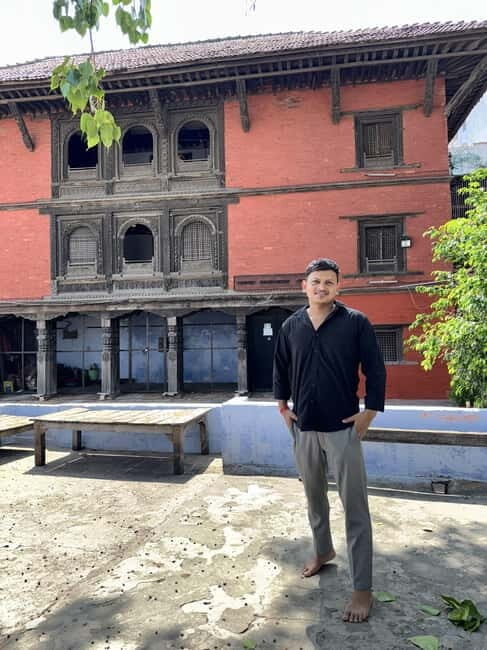
Nepali Temple: Quiet Stops That Teach You How to Look
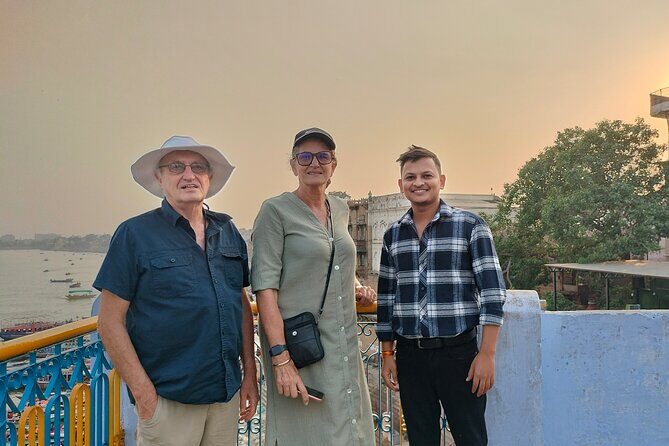
One of the tour’s included entries is the Nepali temple. This is the kind of stop that works best early in a walk, because it gives you a baseline for how sacred spaces are organized and respected.
In Varanasi, many visitors see scenes without understanding the rules of attention: what people do, why they do it, and what different spaces communicate. A temple entry is ideal for that, because it naturally slows you down. You’re not just photographing. You’re learning to watch.
Rakesh’s approach is described as patient and clear. That matters because the meanings behind ceremonies and religious choices can be hard to grasp when you’re tired, overwhelmed, or surrounded by constant motion. A guided temple stop helps you calibrate your senses.
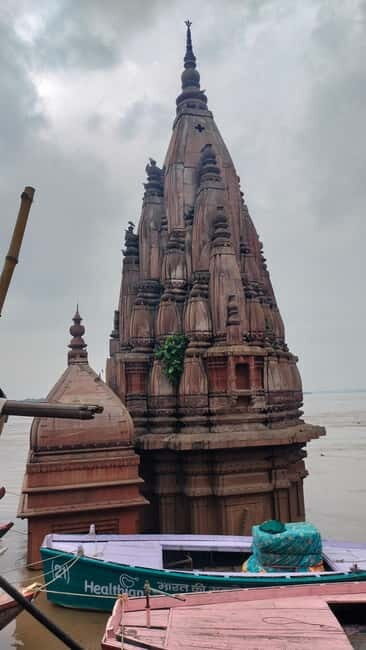
Vishalakshi Temple: Architecture and Meaning, Not Just Buildings
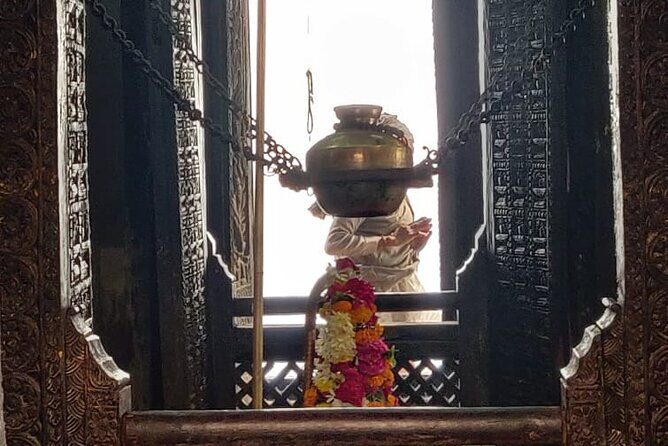
Next up is the Vishalakshi temple, also included with an entry fee. If you’re hoping to understand Varanasi beyond the main ghats, stops like this are gold.
This is where the tour’s “local” value shows up. Rakesh doesn’t just point. He explains the why and the how—often with the kind of plain logic that helps you connect belief to the physical space in front of you. When you know what a place is meant to represent, the carvings, rituals, and flow of visitors stop feeling random.
Even if you already read about Hinduism, a good guide can correct misunderstandings you picked up along the way. Some of the strongest feedback about Rakesh highlights exactly that: explanations that tighten the gap between what you think you know and what you’re actually seeing.
Manikarnika and the Ghats: Getting Context for Cremation Scenes
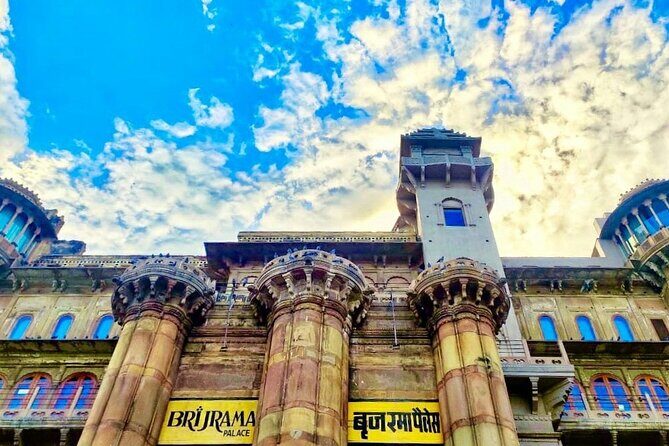
The final major included stop is Manikarnika. This is the point where Varanasi becomes real in a way that can’t be faked. Cremation and funerary ceremonies can be emotionally heavy, and the atmosphere is not something you should tackle blindly.
What helps most is understanding what you’re looking at and how the rituals connect to Hindu belief. Rakesh is specifically praised for explaining the process and the meaning behind what’s happening, rather than treating it like a spectacle. That kind of context can change your whole reaction—from shock to understanding, or at least from confusion to clarity.
If you’re sensitive, plan to go slowly. The benefit of a guide here is that you don’t have to piece together meaning from scraps of information. You’ll have a framework while you’re standing in the middle of one of the city’s most intense spiritual realities.
A 3-Hour Walk with a Small Group (Up to 8)
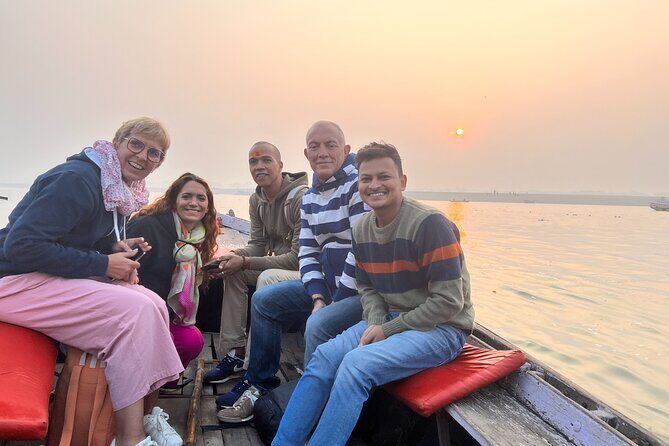
This tour runs for 3 hours, which is a smart length for Varanasi. Long enough to cover meaningful stops. Short enough that you’re not trapped in heat, crowds, or mental overload for half a day.
The group size is limited to 8 participants, and that keeps things personal. In a small group, questions are easier to ask and answers don’t get cut off. It also means the guide can manage your movement through tighter lanes without losing people.
Language is a big deal here. The tour is offered in French and English, so you can pick the option that lets you understand the explanations in detail. Rakesh’s French is repeatedly highlighted as strong, which matters because this is one of those experiences where nuance counts.


What You Get for $24: Entry Fees and a Real Explanation Budget
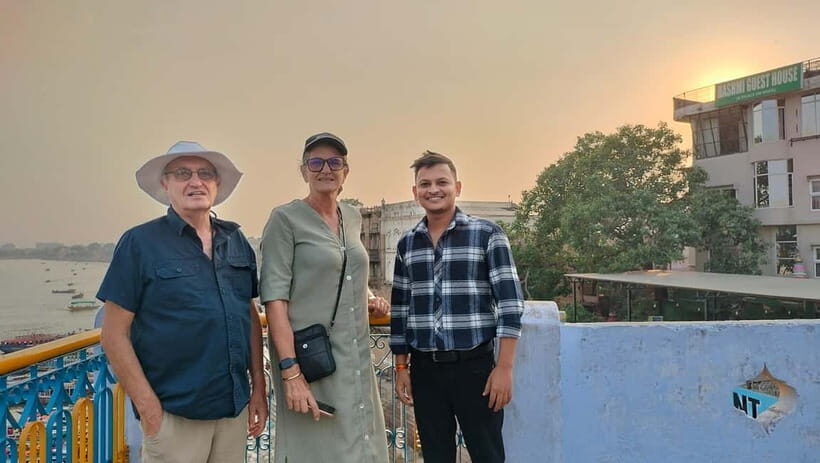
The price is $24 per person for a 3-hour guided experience. For Varanasi, that sits in the “reasonable and useful” category—especially because the tour includes:
- One bottle of water
- Entry fees for the Nepali temple, Vishalakshi temple, and Manikarnika
That bundling is part of the value. When entry fees are included, you don’t end up paying surprise amounts at each stop. You also get to spend time listening instead of managing paperwork or negotiating in the middle of a sacred visit.
The best part is what’s not listed in a price breakdown: Rakesh’s focus on explanations of history, traditions, and spirituality. You’re paying for meaning, not just a route.
Who This Tour Suits Best (And Who Should Skip)
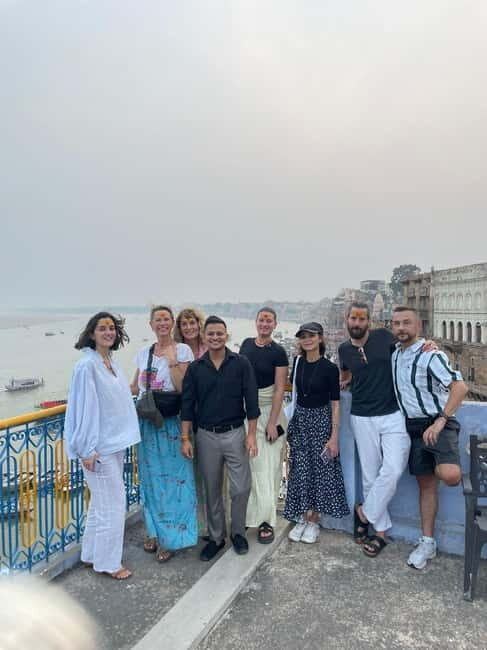
This tour is a strong fit if you want Varanasi with guardrails: a local guide, temple access, and explanations that help you understand Hinduism’s logic as you move through the city.
It’s also a good choice if you’re traveling in a language pair that matters. French-speaking visitors consistently praise how fluent and clear Rakesh is. English speakers can also benefit thanks to the offered language options.
But there are clear limits. It’s not suitable for children under 10, wheelchair users, or people over 80. That likely reflects the practical realities of walking and navigating older streets and stairs.
If you need lots of mobility support or prefer very slow pacing, this may not feel comfortable.
Practical Tips Before You Go
A few practical things will help you get more out of the 3 hours.
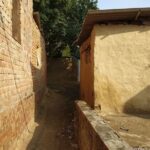
First, plan to walk. Even if the exact distances aren’t spelled out, the tour is built around moving through central Varanasi and entering multiple temples, including Manikarnika. Wear footwear you trust.
Second, remember that this is a spiritually focused experience. You’ll get the best results by keeping your questions ready and your expectations realistic. Some scenes can feel intense, and the guide’s explanations are there to help you process them.
Third, choose the language option that matches your comfort level. When the guide is speaking your language well, you catch the nuance behind religious practices faster. That’s especially useful when you’re hearing how Hinduism connects belief to daily rituals.
Should You Book Rakesh’s French Varanasi Walk?
Book it if you want context. If you like learning why rituals and spaces work the way they do, this tour gives you that structure in a small-group 3-hour format. The included entry fees for Nepali temple, Vishalakshi temple, and Manikarnika make it a practical choice, not just a cultural “nice to have.”
Skip it if mobility is a challenge or if the funerary aspects of Manikarnika feel too difficult for your comfort. Also skip it if you’re only interested in quick sightseeing with minimal explanations.
My practical take: if you want to understand Varanasi instead of just passing through it, this is one of the cleaner ways to do it.
FAQ
How long is the Varanasi tour with Rakesh?
The tour lasts 3 hours.
What languages does the guide speak?
The guide offers French and English.
How big is the group?
It’s a small group limited to up to 8 participants.
Where is the meeting point?
Meet at Manmanidr observatory on Dashashwamedh Road.
What’s included in the price?
You get one bottle of water and entry fees for the Nepali temple, Vishalakshi temple, and Manikarnika.
Does the tour include temple visits?
Yes. The included stops feature the Nepali temple, Vishalakshi temple, and Manikarnika.
Is this tour suitable for kids?
No. It’s not suitable for children under 10.
Is it wheelchair accessible?
No. It’s not suitable for wheelchair users.
What are the cancellation terms and payment options?
There’s free cancellation up to 24 hours in advance for a full refund, and there is a reserve now & pay later option.