REVIEW · VARANASI
Varanasi Mysteries Walk: A Journey through Life and Death
Book on Viator →Operated by Varanasi Day Tours · Bookable on Viator
This walk tackles Hindu ideas of death and rebirth with real-world locations, not just stories. You’ll move between the big name sites—Kashi Vishwanath, Manikarnika Ghat, and Dasaswamedh Ghat—while a professional guide explains what you’re seeing and why it matters.
I especially like the way the tour balances comfort and access: you’re in an air-conditioned private vehicle for the travel bits, but you still get that close, human scale you can’t get from a bus. I also like the small group size (max 6), which makes it easier to ask questions and adjust the pace when the streets get busy.
One thing to think about: this experience includes Manikarnika Ghat, the main burning ghat. If you’re very uncomfortable with cremation-related sites and the emotions around them, you may want to weigh whether this is the right tone for your trip.
In This Review
- Key highlights
- Why Varanasi’s life-and-death story hits different
- Meeting point and how your guide keeps things calm
- Getting around: air-conditioned rides plus old-street navigation
- Stop 1: Manikarnika Ghat and the meaning of cremation
- Kashi Vishwanath (Golden Temple): where faith meets everyday ritual
- Dasaswamedh Ghat: the riverfront as your classroom
- The 3-hour pacing: built for first-timers, not marathon days
- Price and value: what $35 actually buys you
- How to know if this tour fits your mindset
- Small practical moves that make the experience easier
- Should you book Varanasi Mysteries Walk?
- FAQ
- What is the duration of the Varanasi Mysteries Walk?
- Where does the tour start and end?
- What places do you visit?
- Is pickup included?
- How big is the group?
- What kind of guide experience should I expect?
- Is there free admission at any stop?
Key highlights
- Air-conditioned private vehicle for smooth travel between major ghats
- Manikarnika Ghat explained respectfully, including how cremations are handled there
- Golden Temple (Kashi Vishwanath) stop tied to the meanings of faith and ritual
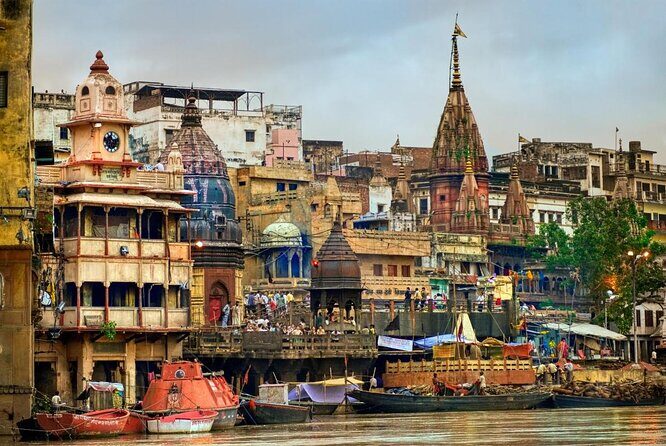
- Dasaswamedh Ghat evening context, with the riverfront as your teaching space
- Small private group (2 to 6 people) so questions don’t get swallowed
Why Varanasi’s life-and-death story hits different
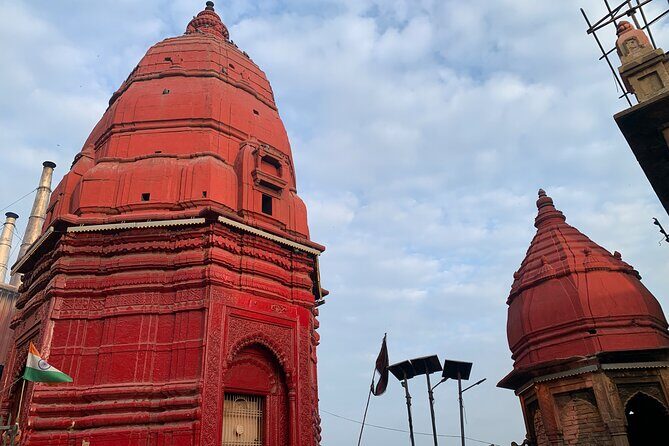
Varanasi is known for spirituality, but this tour focuses on one subject many places avoid: death, and what comes after. Instead of treating cremation ghat life as distant spectacle, you’re guided through the Hindu cycles of death and rebirth with on-the-ground context.
What makes this feel practical is that the tour ties ideas to specific places. You’re not just hearing general philosophy; you’re seeing where ritual meaning is enacted—temple area to river steps to the cremation ghat zone.
And because it’s an evening-style experience, the timing helps. The day’s heat is usually less of a factor, and you’re better set up to handle street crowds without feeling cooked. Still, bring the understanding that Varanasi is intense, and this walk is intentionally serious.
You can also read our reviews of more walking tours in Varanasi

Meeting point and how your guide keeps things calm
You’ll start at Kashi Chat Bhandar on Godowlia Rd in Harha (and the tour ends back at the meeting point). That loop matters. It means you’re not dropped into the middle of nowhere after your head is full of spiritual questions.
The tour is designed as a private experience for your group, with a minimum of 2 people and a maximum of 6. In practice, that smaller size is what makes the storytelling work. It’s easier to ask follow-ups without your guide rushing to the next checkpoint.
The guide quality shows up in the details people mention. Names you might meet include Nihal, Vijay, Indrajeet Kumar, and Vinod. Across these accounts, a common thread is clear communication and respectful handling of sensitive topics—especially around the cremation area. If you’re the kind of person who asks lots of questions (good), this format is built for you.
Getting around: air-conditioned rides plus old-street navigation
One of the smartest parts of this tour is how it mixes transport styles. You’re taken by air-conditioned private vehicle between major points, so you’re not stuck figuring out routes in a maze of lanes.
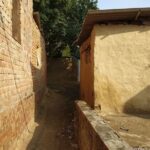
Then, you still get walking time near the Ganges and through narrow old-town alleys. That’s important because Varanasi’s meaning lives in the scale of the streets. You don’t just arrive at a landmark; you see how people move around it, at an enjoyable pace.
A practical bonus: guides handle route changes when traffic rules shift. One person described a festival day where the old city was shut to auto traffic and very crowded, and their guide found alternatives so the tour stayed on track. So if you come during a busy season, expect possible detours—and appreciate that the tour is built for adapting, not forcing a perfect plan.
Stop 1: Manikarnika Ghat and the meaning of cremation
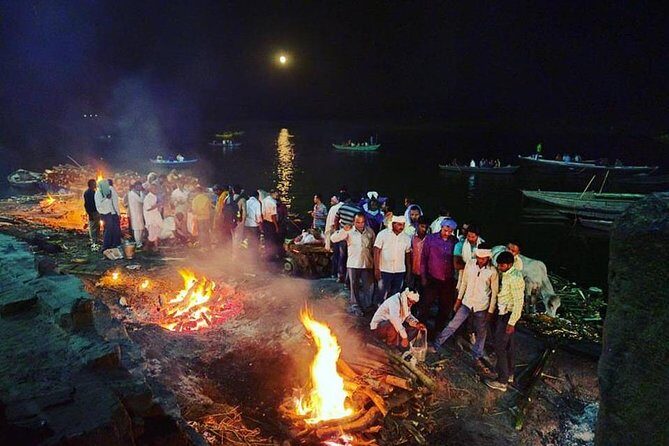
This is the heart of the tour’s theme. Manikarnika Ghat is described as the main burning ghat and the most auspicious place for a Hindu to be cremated. The tour doesn’t treat that as a headline; it explains the role and process in a way that fits the spiritual framework of death and rebirth.
You’ll learn about how bodies are handled there. The information provided states that cremation work is managed by outcasts known as doms, and that the bodies are carried through old-town alleyways to the holy Ganges on a bamboo stretcher, swathed in cloth. That is detailed and direct—and it’s also why a respectful, careful guide matters so much on this stop.
What you should consider before you go: this isn’t a mild stop. Even if you’ve traveled enough to handle religious sites, cremation ghat locations carry emotional weight. A big part of the value here is that the guide frames what you’re seeing in context, so you understand the “why,” not just the “what.”
Also, the tour’s structure helps you manage the intensity. The Manikarnika stop includes a dedicated hour, which gives you time to absorb explanations without feeling like you’re being dragged along. Some people reported that they walked at a comfortable pace through crowded streets, which fits the idea that you’re meant to process this step, not sprint past it.
Kashi Vishwanath (Golden Temple): where faith meets everyday ritual
After Manikarnika, the tour connects you to temple-centered spirituality at Golden Temple (Kashi Vishwanath). This is a shift in tone, but it’s not random. In Hindu practice, cycles of life and death aren’t separate from daily worship; they’re part of the same worldview.
The “value” of this stop is that it gives your explanations a second anchor. Once you’ve heard and seen death-related ritual meaning at the cremation ghat, the temple stop can feel like the other side of the same coin—faith, prayer, and symbolic life.
You won’t want to approach Kashi Vishwanath like a typical sightseeing box-check. The tour purpose is understanding the spiritual significance. So keep your questions handy. If you’re curious about how worship connects to the ideas of rebirth and cosmic order, this is where your guide can connect the dots in a way that makes sense on the street.






Dasaswamedh Ghat: the riverfront as your classroom
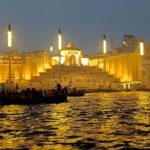
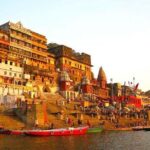
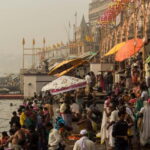
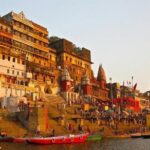
Your route also includes Dasaswamedh Ghat, one of Varanasi’s central riverfront hubs. While the tour’s main “life and death” focus is clearest at Manikarnika, Dasaswamedh helps you broaden the setting. You start to see the Ganges not only as a landmark, but as the spiritual stage where many kinds of ritual meaning play out.
Why I like this pairing: it avoids turning Varanasi into a one-note experience. You get the serious cremation context at Manikarnika, then you move to a ghat where the riverfront becomes your visual framework for understanding how daily life, belief, and ritual rhythm all share the same physical space.
Also, evening matters here. An evening ghat experience tends to feel more human-scale than harsh midday sightseeing. It can be easier to watch how people move and to absorb the guide’s explanations without rushing for the next train or tour bus.
The 3-hour pacing: built for first-timers, not marathon days
The tour runs about 3 hours, which is a sweet spot if you’re newer to India. It’s long enough to get genuine context—especially around a topic as weighty as death and rebirth—but short enough that you won’t be wiped out afterward.
You also get an easy rhythm: transport by private vehicle between key areas, then walking close to the river and through local lanes. Since the tour suggests a moderate physical fitness level, the assumption is that you can handle some uneven, crowded walking without it becoming a full-day ordeal.
If you’re traveling with limited time in Varanasi, this format works because it covers multiple “must understand” zones in one evening. You can leave with a better mental map and a clearer grasp of the spiritual logic behind what you saw.
Price and value: what $35 actually buys you
The price is $35.00 per person for the walk, and it’s usually booked about 14 days in advance on average. In many cities, a low-cost tour might mean a big group and a quick script. Here, the value is more about structure and access than flash.
You’re paying for:
- a professional licensed guide
- a private group setup (max 6)
- travel between key points with an air-conditioned private vehicle
- and a tour plan designed so you don’t waste time figuring out navigation
There’s also a detail worth watching: pickup and drop-off are described as offered/hassle-free, but there’s a note that hotel pickup and drop-off by private vehicle, if needed, costs $10 per person extra for direct payment. So if pickup matters to you, confirm what’s included for your exact start point and how they handle hotel-to-meeting-point logistics.
If you’re comparing value against self-guided wandering, the math is simple. With this tour, you’re not just going to locations—you’re getting the meaning behind them. For Varanasi, that’s not a luxury; it’s the difference between seeing places and understanding them.
How to know if this tour fits your mindset
This is the kind of tour that fits best when you want understanding more than comfort. You’ll be exposed to the reality of cremation at Manikarnika Ghat, and the tour is built around how Hinduism interprets death and rebirth.
So I’d steer you toward booking if:
- you like learning through real places, not only museum walls
- you’re comfortable asking questions in a guided setting
- you want a first introduction to Varanasi’s spiritual logic, especially around ritual and the Ganges
I’d think twice if:
- cremation-related sites make you shut down emotionally
- you’re hoping for a light, purely scenic evening walk
- you can’t handle some walking through crowded streets and narrow lanes
The good news is that guide quality seems to matter here. People specifically highlighted guides who explained with sensitivity and did not treat the crematorium like a show.
Small practical moves that make the experience easier
Because you’ll walk through crowded lanes near the river, your biggest win is showing up ready to move at an “easy pace” rather than rushing for photos. The tour’s time is tight enough that it helps to be mentally ready for the evening focus.
Also, go with curiosity. The tour format supports questions, and the guide is there to connect what you’re seeing to the Hindu cycles of death and rebirth. If you’re the type who likes to ask why a ritual happens or how a place is considered auspicious, you’ll get more out of your 3 hours.
Finally, consider timing around festivals. One guide handled an auto-traffic closure in the old city and still made the tour work. That’s a reminder: expect change in street conditions, and be flexible.
Should you book Varanasi Mysteries Walk?
Book it if you want a serious, meaningful evening orientation to Varanasi—one that connects the spiritual idea of death and rebirth to the places where it’s lived. The mix of air-conditioned transport, small group size, and a guide who handles sensitive topics with respect makes the $35 feel earned rather than arbitrary.
Skip it (or choose another Varanasi experience) if cremation ghat sites feel like too much for your comfort level. This tour doesn’t sugarcoat the setting, and it doesn’t pretend the topic is light.
If you’re curious, open-minded, and okay with an emotionally intense location explained thoughtfully, this is an excellent way to understand Varanasi beyond postcards.
FAQ
What is the duration of the Varanasi Mysteries Walk?
It’s about 3 hours.
Where does the tour start and end?
It starts at Kashi Chat Bhandar, 37/49, Godowlia Rd, Harha, Varanasi, Uttar Pradesh 221001, India, and ends back at the same meeting point.
What places do you visit?
You visit Golden Temple (Kashi Vishwanath), Manikarnika Ghat, and Dasaswamedh Ghat.
Is pickup included?
Pickup is offered, and hotel pickup and drop-off by private vehicle is listed as extra if needed at $10 per person paid directly.
How big is the group?
The booking requires a minimum of 2 people and has a maximum of 6 people per booking.
What kind of guide experience should I expect?
A professional licensed guide leads the tour, and guides are described as respectful and good at explaining the meaning of the sites.
Is there free admission at any stop?
The Manikarnika Ghat stop lists admission ticket as free.