REVIEW · VARANASI
Varanasi: Sunrise & Sarnath City Tour with Multiple Options
Book on GetYourGuide →Operated by TravelLeisureIndia · Bookable on GetYourGuide
Varanasi at sunrise hits your senses fast. This tour strings together the ghats, the river’s daily drama, and Sarnath’s Buddhist roots in one day with a real guide explaining what you’re seeing. You also get time at Dashashwamedh Ghat for the iconic Ganga Aarti, plus a chance to see Hindu cremation rituals from the river perspective.
I love how the schedule is built around meaning, not just moving between sights. The guide-led heritage walking time helps you understand the city, and the guided Sarnath stop connects the dots between Buddha’s first sermon and the rulers who shaped what stands today.
One thing to consider: the cremation scenes and the dress rules (no shorts or skirts) can feel intense or restrictive if you’re not ready.
In This Review
- Key highlights worth your attention
- Pickup that sets the tempo (and saves you hassle)
- The ghats walk: where the city makes sense
- Sarnath: Buddha’s first sermon site, made clear
- The Sarnath Museum: artifacts and terracotta you can see
- City temple touring in between: practical and well-timed
- Dashashwamedh Ghat at sunset: boat ride plus ritual energy
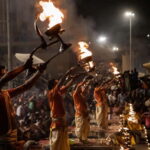
- Ganga Aarti: what you’re actually watching
- The guides: English/Spanish context makes a difference
- Price and value: what $87 covers in real terms
- Dress code and respect: the quick rules that matter
- Duration 5–12 hours: how to choose the right pacing
- Who should book this tour
- Should you book this Varanasi Sunrise & Sarnath Tour?
- FAQ
- Where do I get picked up for this tour?
- What language is the live guide available in?
- How long is the tour?
- What does the Sarnath part of the tour include?
- Is a boat ride included?
- Where does the boat ride take place?
- Do I get to see Ganga Aarti?
- Is food included?
- What is the dress code?
- What are the drop-off options at the end of the tour?
Key highlights worth your attention
- Hotel pickup + private, air-conditioned transport so you don’t burn energy fighting buses or traffic.
- Sarnath’s guided focus on Buddha’s first sermon after enlightenment, plus the legacy of King Ashoka.
- Sarnath Museum time with artifacts and terracotta objects you can actually look at.
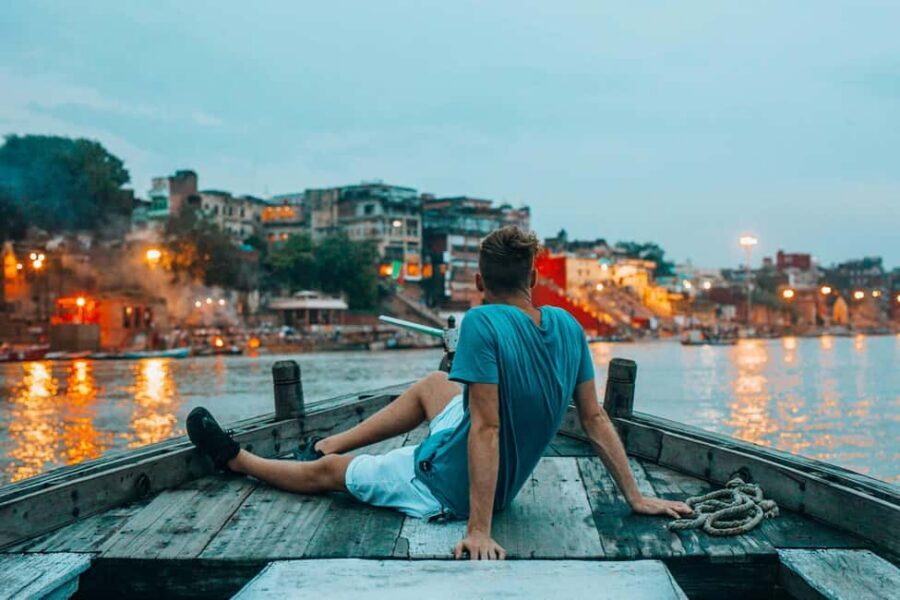
- Boat ride on the Ganges with views during the evening ritual atmosphere at Dasashwamedh/Dashashwamedh Ghat.
- Ganga Aarti at Dashashwamedh Ghat explained as a ritual for the river and the God of Fire.
- Skip-the-line access via a separate entrance (when included with your option).
Pickup that sets the tempo (and saves you hassle)
Your day starts with pickup from your chosen spot in Varanasi—either Varanasi or Varanasi cantonment. From there, you travel in a private air-conditioned vehicle, which matters in a city where heat and traffic can turn a simple outing into a long, sweaty chore.
This is the kind of setup that helps if it’s your first time in Varanasi. You get local navigation, and you spend your energy on the sights instead of figuring out how to get to the next ghat and temple complex.
You can also read our reviews of more city tours in Varanasi

The ghats walk: where the city makes sense
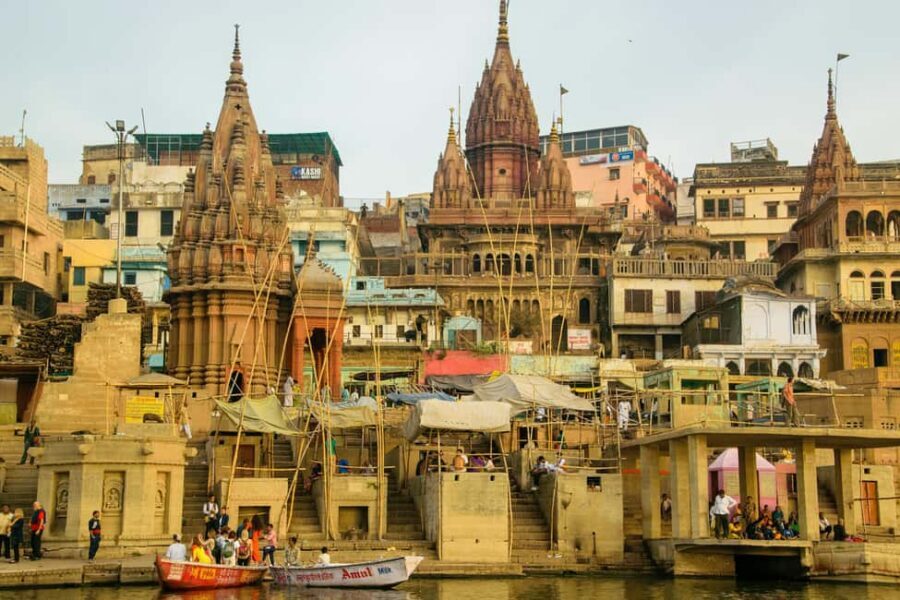
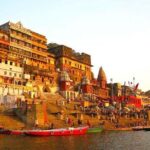
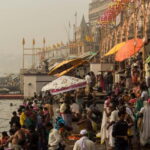
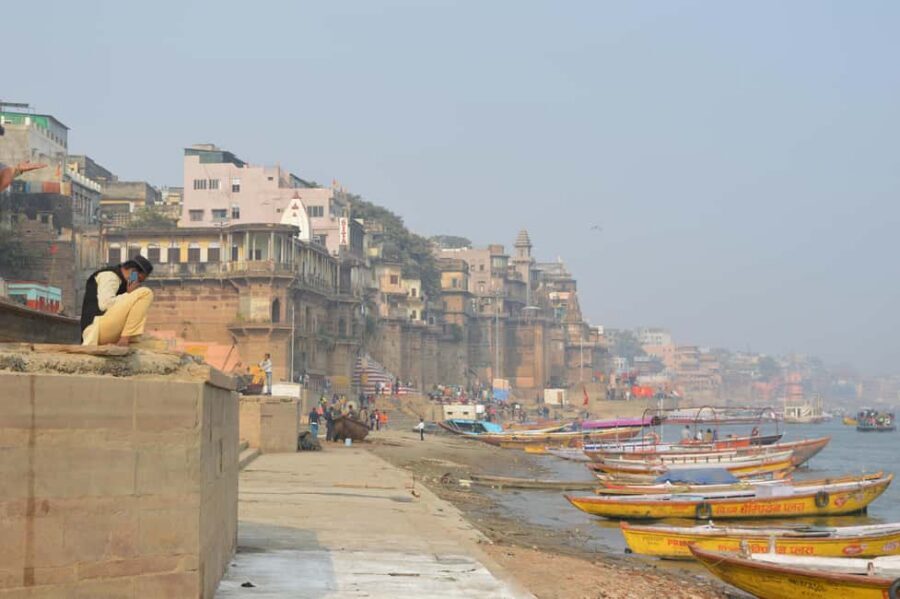
At the start, you’ll head to one of Varanasi’s most important ghats for a guided heritage walking tour that’s about three hours. This is where you get your bearings fast: you see how the river isn’t a background in Varanasi—it’s the center of daily life.
What I like about this style of pacing is that it doesn’t treat the ghats like a postcard stop. The guide-led walk gives you context for what you’re seeing, so the sights don’t blur together into random temples and steps.
Keep an eye on how close you are to ritual activity during your time at the water. The tour experience specifically includes the possibility of witnessing Hindu cremation rituals, and being on foot near the action is where that can feel most real.
Sarnath: Buddha’s first sermon site, made clear
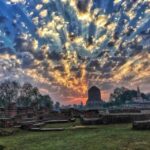
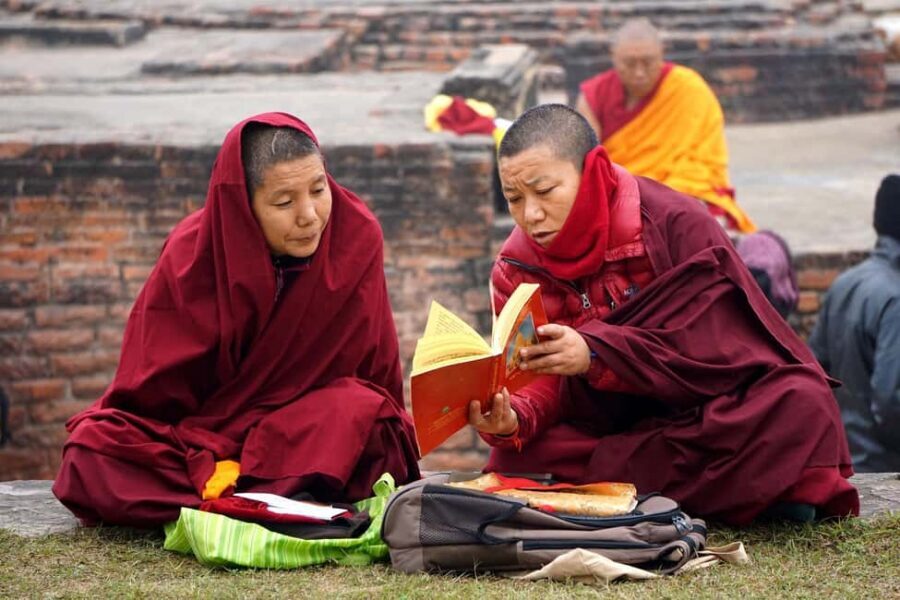
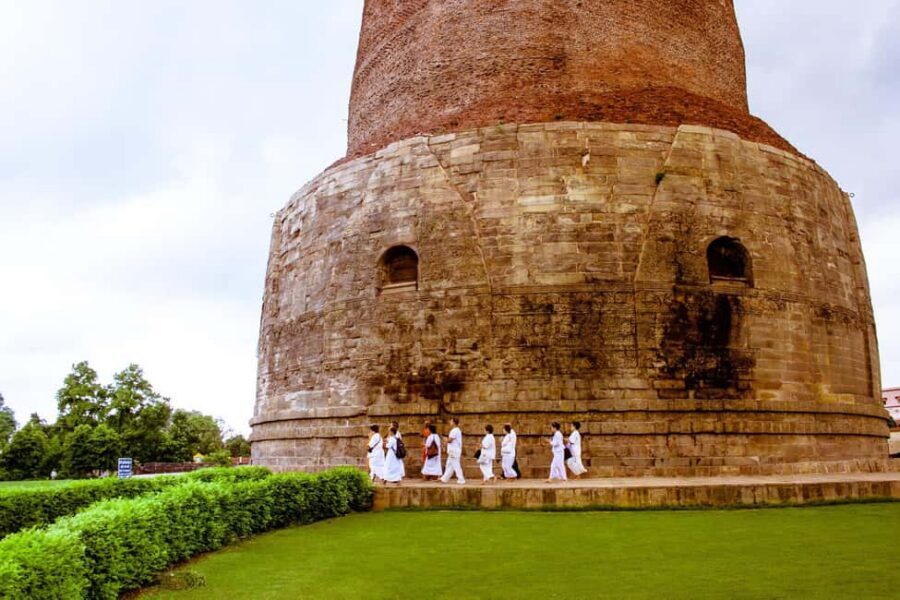
Next comes Sarnath, the place linked to Lord Buddha’s first sermon after enlightenment. Your guided time in Sarnath is about two hours, which is a good amount of time for someone who wants the key ideas without racing.
Sarnath isn’t just a “where Buddhism started” stop. The guide explains how King Ashoka and other rulers built monuments and institutions there, leaving behind an archaeological and spiritual footprint that still draws people today. When you understand that timeline, the ruins and structures feel less like scattered stones and more like a conversation across centuries.
You’ll also do guided sightseeing through the main areas, so you’re not wandering and hoping you picked the right corners.
The Sarnath Museum: artifacts and terracotta you can see
In Sarnath, you’ll also spend time at the Sarnath Museum, which is included in the Sarnath portion. The museum focuses on objects tied to the site’s past, including artifacts and terracotta objects and other archaeological attractions.
This part is valuable because it slows you down. Outdoors, you can see the broad shape of the sacred landscape; inside, you can pick up details that help you connect what you saw in person with what archaeologists found.
If you like explanations that make objects legible, this museum stop gives you that “oh, that’s what it was for” effect.
City temple touring in between: practical and well-timed
You also get a city segment described as temple tours—driven and guided as you move between areas during the day. The reason this works well is timing. Varanasi is busiest at certain points of day, and having a guide and driver help you shift locations reduces the chance that you waste time in slow traffic or arrive when most of the sights are hardest to access.
In practical terms, this means you’re less likely to miss the point of a stop. The guide can steer you toward what’s important, and the vehicle time prevents the schedule from turning into a marathon.
You can also read our reviews of more tours and experiences in Varanasi


Dashashwamedh Ghat at sunset: boat ride plus ritual energy
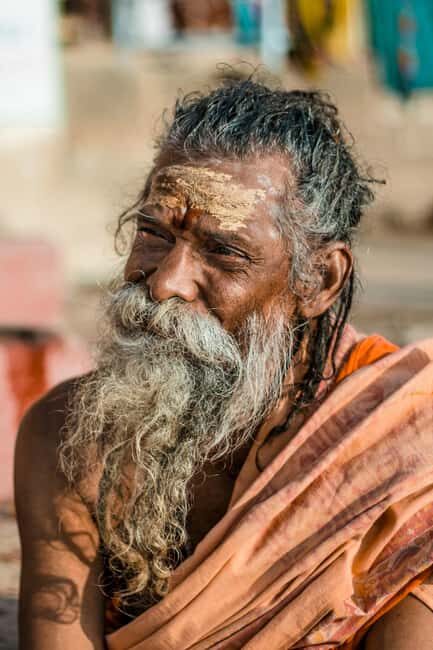
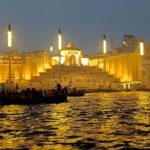
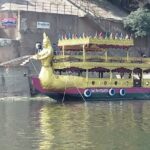
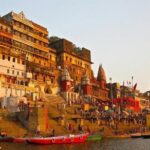
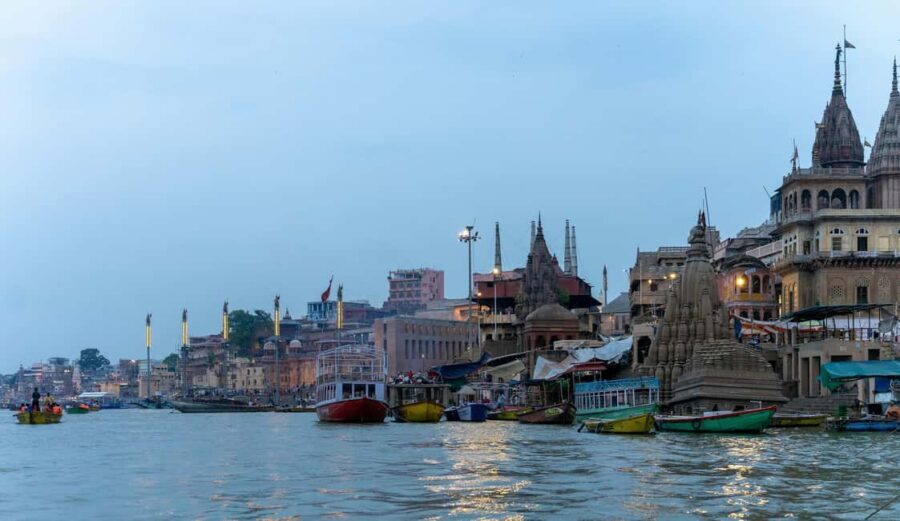
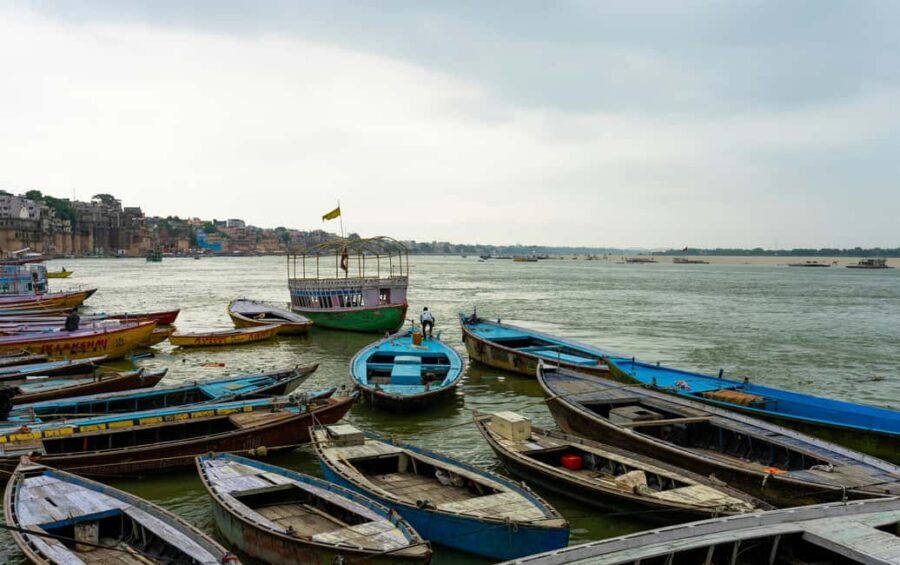
Evening is where the river experience turns cinematic. You’ll be taken for a boat ride on the River Ganges, associated with Dasashwamedh (Dashashwamedh) Ghat. The tour description calls this area famous for specific river activity, and it’s the same ghat that hosts the big evening ritual.
From the boat, you can click pictures if desired. That’s a real advantage because it gives you a stable viewpoint for the ritual atmosphere and the river activity.
This is also the part where the tour explicitly includes seeing Hindu cremation rituals. Even if you’re comfortable with the idea, watching it from the water has a different tone than seeing it on land. It can feel more observant and less confrontational, depending on your comfort level.
Ganga Aarti: what you’re actually watching
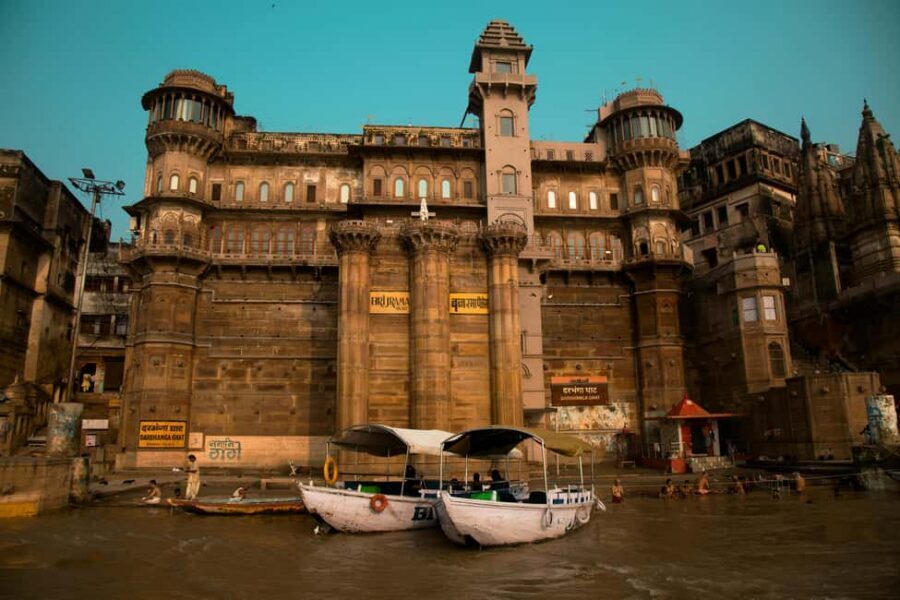
After the boat portion, you get to watch the Ganga Aarti at Dashashwamedh Ghat. The tour frames the ceremony as a ritual filled with meaning to please the River Ganges and the God of Fire.
What makes this more than “just a show” is that a guide is part of your day. They help you interpret why people gather, what the ritual represents, and why this particular ghāt is so central to the experience.
If you care about understanding the religious symbolism while you’re watching, this is one of the strongest parts of the tour.
The guides: English/Spanish context makes a difference
The value here isn’t only the places—it’s the way someone knowledgeable explains what you’re seeing. The guide options include English and Spanish, and the reviews you can read about this experience highlight guide personalities that work well for first-timers.
Names that show up in feedback include Anmol, described as an excellent guide who even brought in an expert Buddhist perspective to explain details about Buddha’s life, plus Sunny, who explained the history of the sites clearly and attentively. You may also interact with the driver Ali for smooth, comfortable transfers.
If you’re the type who likes to understand the “why” behind a site—rather than just stand and photograph—this tour’s guided format is a big win.
Price and value: what $87 covers in real terms
At $87 per person for a day that can run 5 to 12 hours, you’re paying for three main things: transport, guidance, and time with key experiences. You get pickup and drop-off, a tour guide, and a private air-conditioned vehicle. That alone reduces stress in a city where distance adds up fast.
You also have optional inclusions depending on your selection: a private boat ride if you choose that option, entrance fees if your plan includes them, and Aarti ceremony time. Plus, the tour includes toll tax and parking, which is often an invisible cost when you piece things together yourself.
Food and drink are not included, so plan for that. But if you compare the cost to booking transport, a guide, and getting yourself into the right river timing on your own, the pricing starts to look more reasonable—especially if you want a single, organized day rather than multiple separate hires.
Dress code and respect: the quick rules that matter
The tour has a clear note: shorts and skirts are not allowed. That’s not a small detail here. At ghats and temple areas, clothing affects how comfortable you feel and how smoothly you can move through spaces.
Practical move: wear breathable long pants and a shirt that covers appropriately. If you like, bring a light layer for air-conditioned vehicle time, but don’t count on being able to change last-minute at the water.
Also, be ready for ritual closeness. The tour experience includes moments tied to cremation rituals and major ceremonies at the river. That can be emotionally intense for some people, so think about your comfort level before you go.
Duration 5–12 hours: how to choose the right pacing
The tour’s stated duration ranges from 5 to 12 hours, and that usually comes down to what option you select and what timing window you book. If you choose the boat ride option (and if any entrance fees apply), the day naturally stretches.
If you have limited time in Varanasi, you’ll want to check starting times and what’s included in your exact selection. If you can give it a full day, you’ll get more breathing room between walking, temples, Sarnath, and the evening river ritual.
This flexibility is useful because Varanasi runs on a rhythm. Morning light, mid-day heat, and evening ceremony all affect the experience.
Who should book this tour
This tour is a good fit if:
- You want Sarnath explained around Buddha’s first sermon and the Ashoka-era legacy.
- You care about seeing Varanasi’s river culture with context, not just passing views.
- You like the structure of pickup + guided stops, especially on a long day.
It may not be the best fit if you’re strongly sensitive to cremation scenes or you hate strict dress rules. The tour is built around real ritual life at the river, including moments connected to cremation activity.
Should you book this Varanasi Sunrise & Sarnath Tour?
I’d book it if you want one organized day that balances Sarnath’s Buddhist meaning with Varanasi’s living river rituals, and you value a guide who can explain what you’re seeing in English or Spanish. The transport setup (private vehicle and pickup options) makes it much easier than doing it piecemeal.
I’d skip—or at least reconsider—if you know you’ll find cremation rituals too difficult, or if you can’t follow the dress expectations. Otherwise, this is the kind of tour that helps you understand Varanasi faster, so you leave with more than photos—you leave with a clearer picture of why these places matter.
FAQ
Where do I get picked up for this tour?
You can choose pickup from Varanasi or Varanasi cantonment.
What language is the live guide available in?
The live tour guide is available in English and Spanish.
How long is the tour?
The duration is listed as 5 to 12 hours, depending on your selected starting time and options.
What does the Sarnath part of the tour include?
The Sarnath portion includes guided sightseeing and a museum visit, focused on the significance of Sarnath and its historical artifacts.
Is a boat ride included?
A private boat ride is included if you select that option.
Where does the boat ride take place?
The boat ride is on the River Ganges, associated with Dasashwamedh/Dashashwamedh Ghat.
Do I get to see Ganga Aarti?
Yes. You’ll be taken to Dashashwamedh Ghat to witness Ganga Aarti.
Is food included?
No. Food and drink are not included.
What is the dress code?
Shorts and skirts are not allowed.
What are the drop-off options at the end of the tour?
You’ll be dropped back at your hotel, or you can request drop-off at the airport or railway station, depending on your plan.