REVIEW · VARANASI
Varanasi old City and Street Tour 3 Hour
Book on Viator →Operated by Divineful Journey of Varanasi · Bookable on Viator
Kashi feels different when you walk it. This 3-hour private street tour focuses on what makes Varanasi one of the oldest living cities on earth: daily religious life, local customs, and real neighborhood rhythms. Your guide, Vicky, leads you through sacred spots and small streets that many visitors never see.
I especially like the way the tour mixes big-name places with smaller, more personal moments. Dashashwamedh Ghat Road gives you a strong first look at how devotees gather by the Ganga, and the stop at Manikarnika Ghat explains the cremation rituals in a straightforward, respectful way.
The main consideration is the subject matter. The Manikarnika cremation area is emotionally heavy, and the pace is a walk-through, not a museum. If you’re uncomfortable with death rituals, think carefully before booking.
Key highlights you’ll care about
- A local, private guide (Vicky) who knows the area and can adjust to your group
- Ghat-to-temple routing that shows how devotion and daily life overlap in Kashi
- Manikarnika Ghat ritual context explained as part of local custom (not a shock show)
- Short stops with river-and-city variety, from Shiva temples to a flower market
- $45 for 3 hours with free admission tickets at each stop listed on the route
In This Review
- A 3-hour foot tour that turns Varanasi into a living neighborhood
- Where you meet and what the walk is like in practice
- Stop-by-stop: from Dashashwamedh Ghat to the flower market
- Dashashwamedh Ghat Road (15 minutes)
- Manikarnika Ghat (25 minutes)
- Nepali Temple (Kathwala Temple) at Lalita Ghat (10 minutes)
- Shri Vishalakshi Mata Shaktipeeth Temple, Kashi (5 minutes)
- Dharmeswar Mahadev (10 minutes)
- Phool Bazar (15 minutes)
- Why Vicky’s guidance matters more than the itinerary
- Is the $45 price fair for what you get?
- Who should book this, and who should reconsider
- Should you book the Varanasi Old City and Street Tour?
- FAQ
- How long is the Varanasi Old City and Street Tour?
- What does the tour cost?
- Is this a private tour?
- Where does the tour start and end?
- Do I need to buy tickets for the stops?
- What ticket type do I receive?
- What fitness level do I need?
- Can I cancel and get a full refund?
- Is it near public transportation?
A 3-hour foot tour that turns Varanasi into a living neighborhood
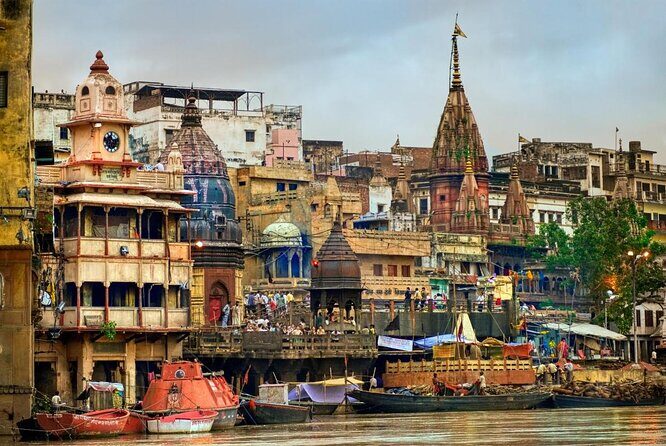
Varanasi, or Kashi, is famous for religion, but it’s the everyday street scenes that really make it click. This tour keeps you moving at a human pace—about three hours, on foot—so you’re not stuck staring at landmarks from a distance. Instead, you’re walking through the lanes that locals use, heading from major ghats to temples, then ending in the Phool Bazar flower market.
I like that the tour is set up as a guided walk through meaningful places rather than a checklist. You get the background for why these sites matter to Hindu devotees, and you also get time to look, take in the river atmosphere, and notice how people actually behave in their own city.
It’s private, too, so you can ask questions without feeling like you’re sharing your guide with a whole crowd. And you’ll have a mobile ticket, which makes it simpler on the day.
Where you meet and what the walk is like in practice
The tour starts at St. Thomas Church, Luxa Rd, Luxmanpura, Varanasi (221001), and it ends back at the same meeting point. That matters because you’re not figuring out the city after a few hours of walking; you’re back where you began.
This is described as suitable for travelers with moderate physical fitness. It’s not a long trek, but it is still a street and ghat walk—so wear comfortable shoes and expect uneven ground in older areas. The route also includes several short stops rather than one long sit-down visit, so you’ll get a steady flow of new views.
The tour is near public transportation, which is helpful if you’re staying a distance from the old city. Private tours can be easier to plan when you know the meeting point clearly, and here you do.
You can also read our reviews of more city tours in Varanasi



Stop-by-stop: from Dashashwamedh Ghat to the flower market

The route is built around the idea that devotion in Varanasi is not only about temples. It’s also about the riverfront, daily rituals, and the markets that support ceremony and worship. Each stop is free-admission on the listed route and lasts only long enough to understand what you’re seeing.
Dashashwamedh Ghat Road (15 minutes)
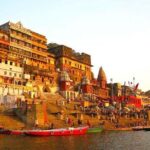
You begin at Dashashwamedh Ghat Road, one of the main ghats on the Ganga River. This spot is close to Vishwanath Temple, and it’s considered probably the most important place for Hindu devotees.
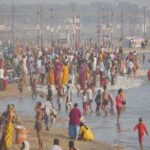
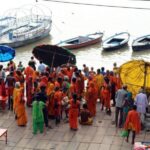
What you’ll notice here is the contrast between street-level life and the riverfront mood. The energy at major ghats tends to be intense in a way that can feel overwhelming if you’re new to the city. A good guide helps you read what you’re seeing—what people are doing, why they’re gathered, and how the river becomes part of daily spirituality.
Drawback to keep in mind: if you arrive during a peak time for devotees, you may have less room to move and pause for photos. Still, that’s part of the real place.
Manikarnika Ghat (25 minutes)
Next is Manikarnika Ghat, described as one of the oldest cremation places on earth. It’s also one of the most important places for Hindus, and the tour focuses on understanding the process and ritual.
Let’s be honest: this is the stop with the biggest emotional weight. You’re not going to treat it like sightseeing. You’ll want to be mentally ready to see cremation activity and to understand it as a religious custom with its own rules and meaning.
The value here is context. In Varanasi, many visitors feel lost because they see intense activity without understanding what it represents. This stop is designed to give you a respectful explanation so your time doesn’t feel like you’re just watching without comprehension.
Practical tip: if you’re sensitive to heavy scenes, consider sitting quietly with your guide’s explanation before you look closely. You can still participate in the learning without forcing your eyes onto every detail.
Nepali Temple (Kathwala Temple) at Lalita Ghat (10 minutes)
Then you shift from the cremation ghat setting to a Shiva-focused temple stop: Nepali Temple (Kathwala Temple). It’s dedicated to Lord Shiva and is located at Lalita Ghat. You also get a short moment to enjoy the river view from the temple.
This brief stop works well because it gives your mind a break. You’re still on the Ganga circuit, but the atmosphere changes from ritual activity to prayer space and viewpoints.
Drawback: because it’s only about 10 minutes, you won’t get a long linger. If you love photos and wide views, arrive with your camera ready and treat it like a quick window—rather than a long stop.
You can also read our reviews of more tours and experiences in Varanasi

Shri Vishalakshi Mata Shaktipeeth Temple, Kashi (5 minutes)
After that comes Shri Vishalakshi Mata Shaktipeeth Temple, Kashi, dedicated to Mother Sati. The route notes it’s a temple that is most visited by South India tourists.
Five minutes is short, but this kind of stop is often about orientation: you see another layer of Kashi’s spiritual network and understand that different regions and traditions travel to specific sacred places.
Consideration: this is a quick pass rather than an in-depth visit. If you want slower temple time, you’ll probably want a longer temple-focused tour afterward.
Dharmeswar Mahadev (10 minutes)
Next is Dharmeswar Mahadev, connected to a story in which Goddess Parvaty asks Lord Shiva to describe important Shiv lings in Kashi. In this account, Yam Raj installed a Ling in Anand Van (Kashi) and underwent severe penance in prayer of Lord Shiva.
Even if you don’t remember every detail of the legend, what you gain is understanding why the sacred landscape feels dense. Varanasi isn’t only old buildings—it’s a place where stories are tied to specific points in the city.
This stop also helps connect earlier stops. When you link a temple legend to the ghat geography, it becomes easier to understand why people navigate Kashi the way they do.
Phool Bazar (15 minutes)
You finish in Phool Bazar, described as one of the most beautiful and colorful markets, where farmers bring flowers to sell.
This ending is smart. After temples and riverfront rituals, the market introduces a practical, sensory side of city religion. Flowers are part of worship, so it makes sense to end among the goods that support daily practice and ceremonies.
What to look for: you’ll see how fresh flowers are being offered and how the market supports the flow of religious life. It’s also a nice change of pace after serious stops.
Potential drawback: markets can be crowded, and movement can get tight. If you’re shopping, keep an eye on your belongings and plan small, realistic purchases rather than expecting one big shopping session.
Why Vicky’s guidance matters more than the itinerary
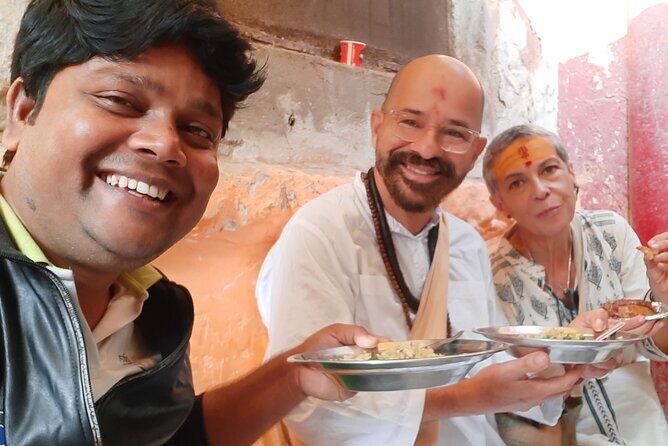
The schedule is only half the story. The reviews and tour design point to the real reason this works: Vicky is local, and he guides you like someone showing their city to a friend, not like someone reading facts from a page.
You also get a sense that he moderates the tour to match people’s comfort level. That matters a lot in Varanasi, because the sights can swing from stunning to intense quickly. A flexible guide can help you manage that shift.
Another standout: people describe him as thoughtful and able to show quieter corners and temples that aren’t the most obvious tourist targets. That’s hard to replicate with generic group tours. A private walk gives you the chance to ask questions and adjust when a street or doorway feels too crowded.
And I like that the tour includes both cultural and historical context. Varanasi makes more sense when you understand what different sites represent—why certain places attract devotion, and how local custom keeps repeating day after day.
Is the $45 price fair for what you get?
For $45, you’re paying for about 3 hours of private guiding on foot, with stops that include major ghat areas and multiple temples plus a market. The listed stops also note free admission tickets for each stop on the route, which helps your budget.
You’re not paying for entry into a single monument; you’re paying for interpretation and navigation through a city that can be confusing without a local. In places like Varanasi, guide value is often less about ticket lines and more about understanding what you’re seeing—especially at ritual sites.
If you compare it to the cost of hiring an independent guide or doing multiple separate activities, this is the kind of priced tour that feels reasonable for first-time visitors who want a coherent route.
Who should book this, and who should reconsider
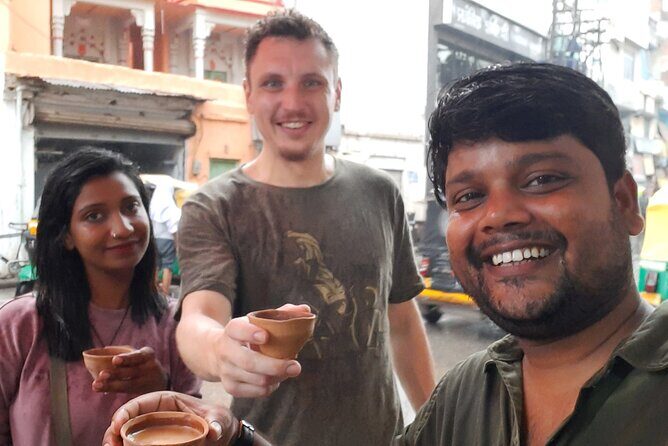
This tour is a great fit if:
- You want a first real look at Kashi with a guide who can explain what you’re seeing
- You’re interested in religious practice and local customs, not just photos
- You like walking through streets and ghats at a steady pace
It may not be the best fit if:
- You feel strongly uncomfortable with cremation rituals at Manikarnika Ghat
- You prefer slow, museum-style visits where you sit longer in one place
- You want a purely sightseeing route with zero emotionally intense stops
If you’re on the fence, think of it like this: you’re booking understanding. You’re not booking a soft, scenic stroll.
Should you book the Varanasi Old City and Street Tour?
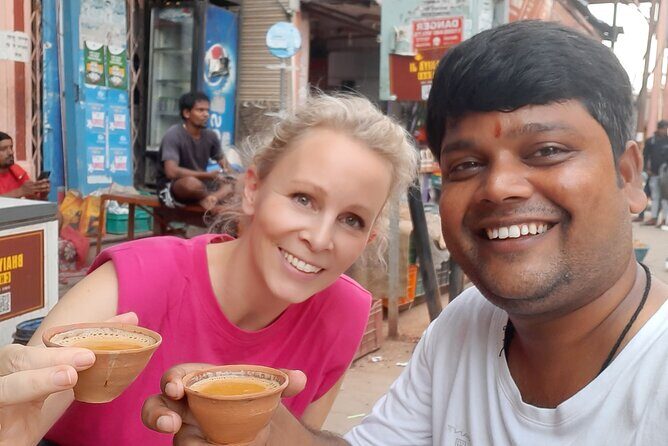
If you want Varanasi to feel like more than a checklist, book it—especially if you’re comfortable walking and you can handle emotionally heavy topics with respect. The route is short enough to stay manageable, yet varied enough to show you the city’s spiritual and everyday sides.
I’d skip this one only if Manikarnika cremation scenes would upset you more than you can tolerate. If you can handle it, the tour’s structure, local guidance, and focus on meaning make it a strong value for the time.
FAQ
How long is the Varanasi Old City and Street Tour?
The tour lasts about 3 hours.
What does the tour cost?
The price is $45.
Is this a private tour?
Yes. It’s a private tour, meaning only your group participates.
Where does the tour start and end?
It starts at St. Thomas Church, Luxa Rd, Luxmanpura, Varanasi, and it ends back at the same meeting point.
Do I need to buy tickets for the stops?
Admission tickets for the listed stops are noted as free.
What ticket type do I receive?
You get a mobile ticket.
What fitness level do I need?
The tour is for travelers with a moderate physical fitness level.
Can I cancel and get a full refund?
Yes, you can cancel for a full refund if you cancel at least 24 hours before the experience’s start time. If you cancel within 24 hours of the start time, the amount paid is not refunded.
Is it near public transportation?
Yes, it’s described as near public transportation.