REVIEW · VARANASI
Golden Hour on the Ganges – Sunrise Boat Tour
Book on GetYourGuide →Operated by Ancient Varanasi Tours · Bookable on GetYourGuide
Golden hour in Varanasi has a glow all its own. This tour is built around Ganga Aarti moments on the river and a guided walk that connects what you see with what it means. I especially like the hand-row private boat approach, because you get a front-row view while your storyteller explains the ritual like it’s part of everyday life.
I also love the pacing: boat views first, then a walk through the southern old city with temple access and plenty of chai and street food stops for energy and context. One thing to consider is timing confusion: the name mentions sunrise, but the actual experience centers on the evening worship and darkness falling at Dashashwamedh Ghat—so double-check your start time before you head out.
In This Review
- Quick hits: why this Ganges night tour feels worth it
- First light or last light: what the Golden Hour experience really is
- Getting on the water: pickup, meet point, and how the night starts
- The hand-row private boat ride and why it matters at Aarti time
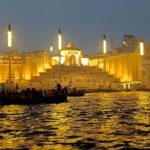
- Dashashwamedh Ghat at darkness: how the ceremony unfolds
- The walking segment: southern old city, temple special entry, and stories that connect
- The guide experience: what Anmol-style storytelling adds
- Chai chats and street food: the small breaks that keep you going
- Price and value: is $27 reasonable for this mix?
- Logistics to watch: timing, duration, and ending at Godowlia
- Who should book this tour
- Should you book Golden Hour on the Ganges on the Ganges?
- FAQ
- How long is the tour?
- Is this a private boat ride?
- Where do I meet the guide?
- Do I get pickup and drop-off from my hotel?
- What food and drinks are included?
- Will I have temple access?
- What language is the tour guide?
- How big is the group?
- Is there free cancellation and a reserve-pay-later option?
- Is the tour wheelchair accessible?
Quick hits: why this Ganges night tour feels worth it
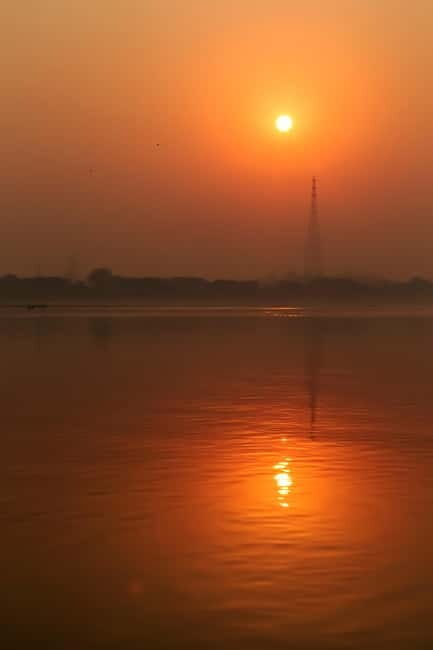
- Ganga Aarti focus at Dashashwamedh Ghat as light fades and the ceremony takes over the riverfront
- Hand-row boat ride for a more authentic Banaras feel and great sightlines
- Small group limited to 10 so questions don’t get steamrolled
- English (live) storyteller, with strong explanations of rituals and city heritage
- Temple special entry plus separate entrance to reduce time spent waiting
- Lots of tea and chai chats plus street food to keep the walk comfortable
First light or last light: what the Golden Hour experience really is
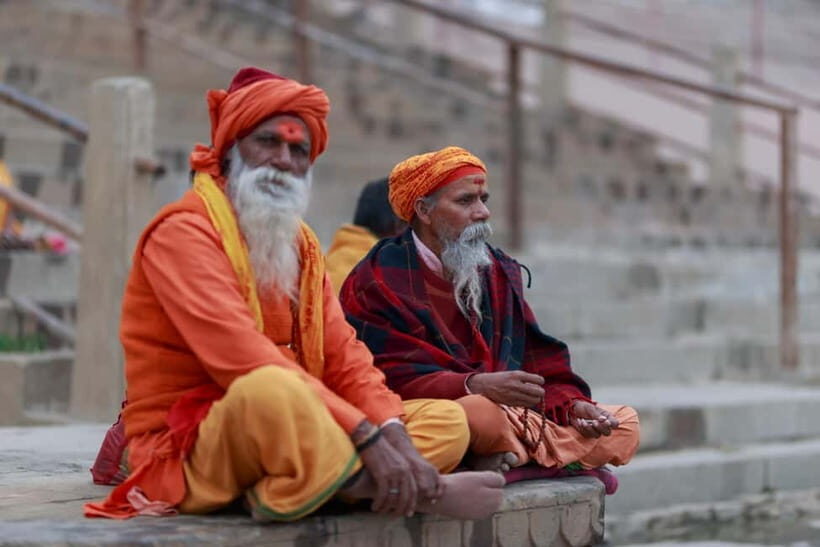
The title says sunrise. The heart of the experience is clearly the evening ritual. You’ll be out during the shift when the riverfront transforms as worship begins, darkness builds, and the ceremony becomes visually unforgettable.
That mismatch is worth calling out because your planning depends on it. If you’re aiming for classic morning light, this may feel off—but if you want the atmosphere of flames on the river and the sense of ceremony at Dashashwamedh Ghat, this is the right kind of golden hour.
You can also read our reviews of more boat tours in Varanasi

Getting on the water: pickup, meet point, and how the night starts
You’ll start at Hotel Ganges Grand in Varanasi. The official meet point is outside the hotel at Nandi Circle, and pickup and drop are included, which makes it easier to avoid the hassle of figuring out a ghat taxi at dusk.
The group is capped at 10 participants, which matters more than you might think in Varanasi. When you’re moving along crowded river steps and temple lanes, a small group keeps things calmer and gives your guide room to stop, point, and answer.
The hand-row private boat ride and why it matters at Aarti time
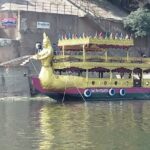
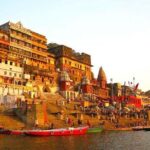
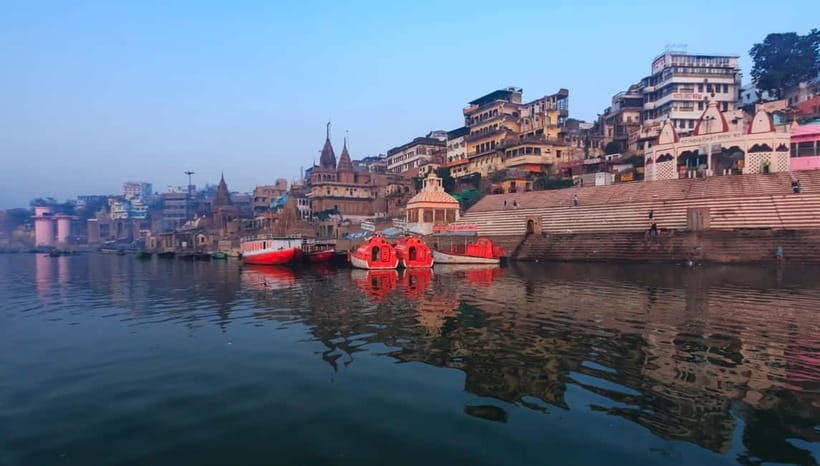
This is not a long, slow sightseeing cruise. It’s a targeted private boat ride designed specifically for the Ganga Aarti view. The boat is hand-rowed, which helps with the authenticity and also tends to make the experience feel more personal—like you’re part of the river moment, not just watching it from a distance.
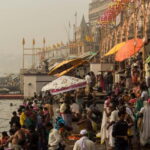
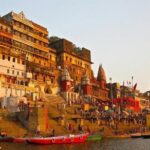
From the water, you’ll get a wider picture of the riverfront. That’s key, because Varanasi’s spiritual energy isn’t only in one spot—it’s in the way the ghats, lamps, and temple rituals line up along the water. Your storyteller keeps the meaning clear while you watch.
One practical note: boats and ghats can feel busy and uneven underfoot. Comfortable shoes help, and you’ll want to dress in layers because evenings cool down.
Dashashwamedh Ghat at darkness: how the ceremony unfolds
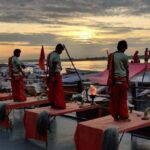
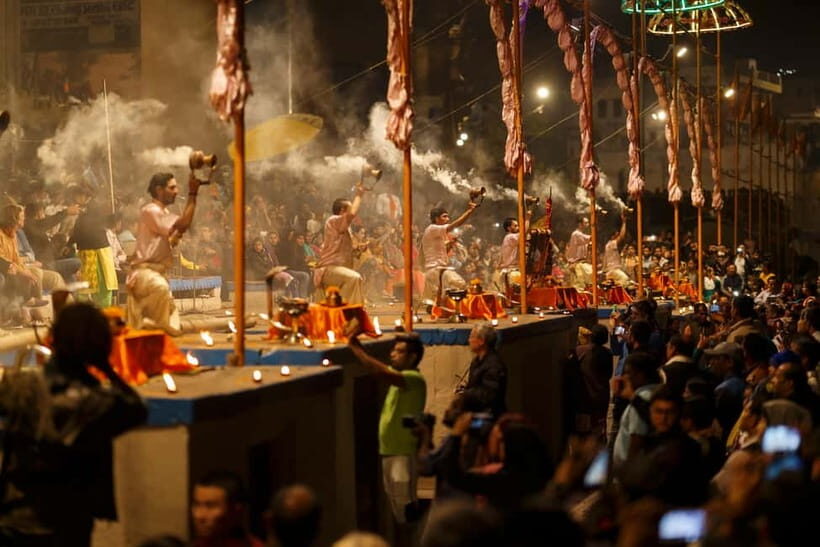
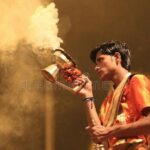
The main set piece is built around the ritual worship of the river called Ganga Aarti. Your guide explains the rituals and how they’ve been used for centuries in temples and shrines along the river.
As darkness descends, the tone shifts from explanation to participation. The plan includes placing lamps in the water as part of the ceremonial flow. That’s one of those moments that’s hard to replicate later from photos. When you do it with a guide pacing you through what’s happening, the ceremony stops feeling like a performance and starts feeling like a living tradition.
Since flames are involved, pay attention to your guide’s cues about where to stand and when to move. Don’t try to improvise around photographers. The best view usually comes from staying steady and letting the ritual do its work.
The walking segment: southern old city, temple special entry, and stories that connect
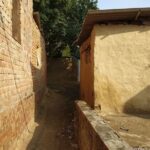
After the river portion, you switch from watching to walking—through the southern part of Varanasi’s old city. The walking tour is not just a route; it’s an orientation. You’ll get induction into the religious belief and the daily cultural rhythm of the oldest living city, plus practical “how to not get lost” style guidance.
This is also where you’ll benefit from special temple entry and the separate entrance that helps you skip some waiting. If you’ve ever spent precious time in long lines at popular temple areas, you know why this matters. Less standing around means more time learning what you’re actually seeing.
Expect the guide to weave together history, fun facts, and must-do ideas for the city. That storytelling is the difference between seeing buildings and understanding why people treat certain spaces as spiritually important.
If you’re someone who likes your travel to have a clear narrative thread, you’ll probably love this format. It’s basically a “why this matters” tour wrapped inside a “what you’re looking at” tour.
You can also read our reviews of more tours and experiences in Varanasi

The guide experience: what Anmol-style storytelling adds
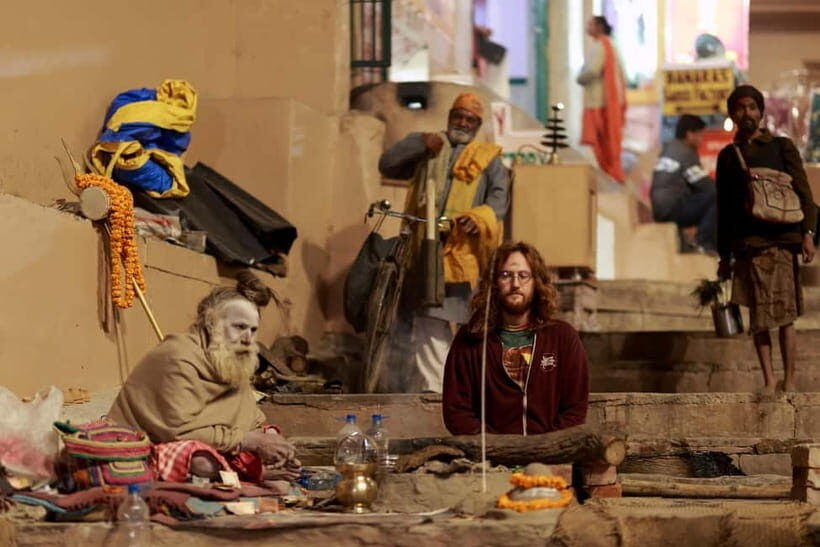
The standout element here is the storyteller/guide. The experience is designed around a guide who can speak English and Hindi, and the best part is how the explanations land while you’re still in the thick of the sights.
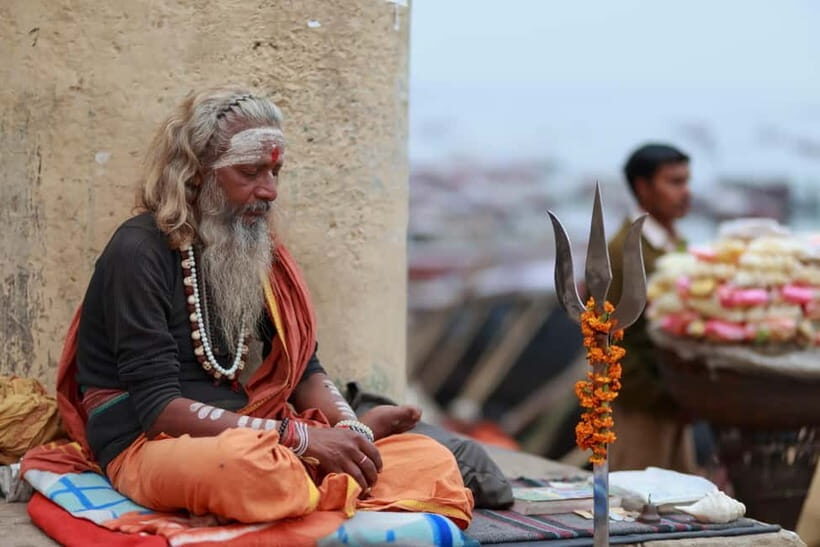
One guide name that stands out from the provided information is Anmol. He’s praised for clearly explaining the tradition and ceremony at dusk, and for being helpful even when guests speak different languages. That matters because rituals can be hard to grasp from visuals alone.
Even if you know a bit about Varanasi already, a good guide helps you read the scene faster. You stop seeing separate moments and start seeing a connected system: temples along the river, ritual steps, lamp placement, and the role of worship in shaping the city’s identity.
Chai chats and street food: the small breaks that keep you going
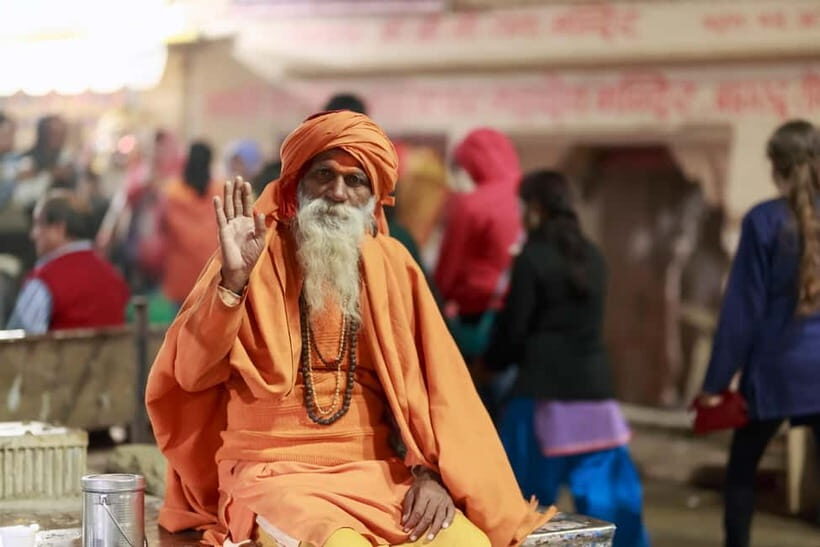
Tours can fall into two traps: either all you do is watch, or all you do is walk. This one balances both with tea and chai breaks, plus street food.
You’ll get lots of tea during the tour, plus delicious street food along the way. That’s not just a snack perk. In Varanasi’s evening weather and with temple-level walking, food and chai breaks keep energy steady so you can actually enjoy the ceremony without feeling drained.
If you’re picky about food, it’s still a good idea to go with your guide’s suggestions during the included stops. The value here is not only taste—it’s confidence. You’ll know what’s been chosen for the group and why.
Price and value: is $27 reasonable for this mix?
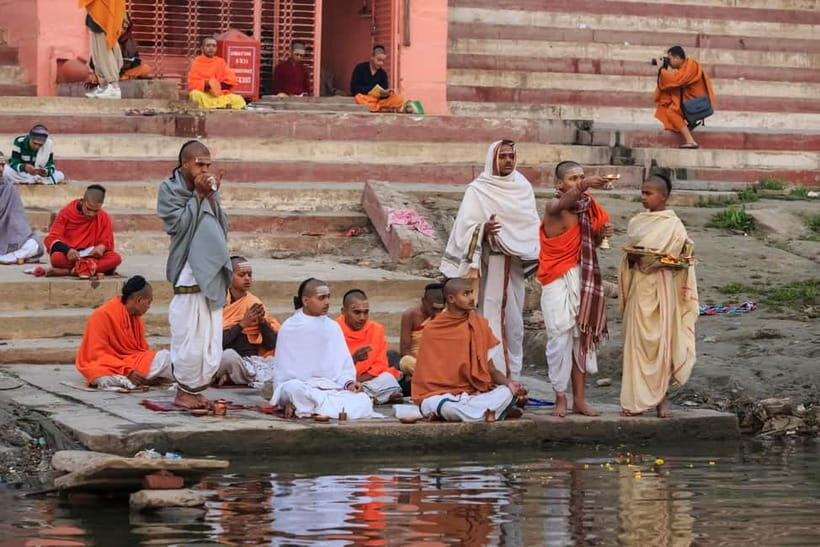
At about $27 per person for a 1.5-hour experience, the value comes from stacking included items that would cost extra if booked separately: a private hand-row boat, hotel pickup and drop, special temple entry, a live English guide, and a package of chai and street food.
You’re not just paying for transportation and access. You’re paying for interpretation. In a city where rituals are complex and context is everything, a good guide can turn a quick stop into something that actually makes sense.
Could you find cheaper? Sure. But if you’re comparing apples to apples, this price is strong for the amount of guided time and included experiences. The biggest “cost” risk is attention: if your timing is off or you arrive unprepared, the value shrinks fast. So treat timing accuracy as part of the deal.
Logistics to watch: timing, duration, and ending at Godowlia
The tour is centered on a sunset/early evening window and includes walking plus river ceremony time. The duration information says 1.5 hours, while the sunset portion is framed as 2 hours in the provided schedule details. That doesn’t mean you’ll be out all night—it means the exact timing depends on when the ceremony aligns with dusk.
Plan for the evening to run a bit “loose” around the ritual schedule. In places like this, ceremony timing is the master clock.
You’ll finish at Godowlia, which is helpful because it gives you a landing point to continue exploring after the tour. It’s also a signal that you won’t just circle back to where you started—you’ll be set up to move on with your evening.
Who should book this tour
This is a great fit if you:
- Want a guided, story-based experience rather than random wandering
- Care about seeing Ganga Aarti from the water at Dashashwamedh Ghat
- Prefer a small group format limited to 10 participants
- Like a blend of boat views plus walking and temple access
- Enjoy chai and street food as part of getting to know a place
It may not be ideal if you:
- Only want a true morning sunrise tour (this one is built around evening worship)
- Want a long, slow boat cruise with minimal explanations (this is purpose-driven and guided)
- Have very tight plans right at the start time, since the experience is tied to dusk rituals
Should you book Golden Hour on the Ganges on the Ganges?
I’d book it if your priority is understanding Varanasi at the moment people come for ritual worship—especially with a small group, a hand-row boat view, and a guide who can explain what you’re seeing while you’re seeing it.
Before you go, do two simple things. First, confirm the exact start time in your booking details so you don’t walk out expecting sunrise and finding evening worship instead. Second, keep your messaging channel open in case anything changes—this experience depends on a specific dusk window.
If you want spiritual atmosphere plus practical city orientation in one package, this tour is the kind of plan that saves you time and helps you feel connected instead of confused.
FAQ
How long is the tour?
The tour duration is listed as 1.5 hours, with the experience centered around the sunset period.
Is this a private boat ride?
Yes. The boat ride is listed as a private boat ride.
Where do I meet the guide?
The guide meets you outside Ganges Grand at Nandi Circle.
Do I get pickup and drop-off from my hotel?
Yes. Transportation includes pickup and drop from your hotel.
What food and drinks are included?
The tour includes lots of tea (chai) and street food.
Will I have temple access?
Yes. You get special entry in the temples, and there is skip-the-line access through a separate entrance.
What language is the tour guide?
The live tour guide is available in English.
How big is the group?
It is a small group limited to 10 participants.
Is there free cancellation and a reserve-pay-later option?
Free cancellation is available up to 24 hours in advance for a full refund. There’s also a reserve now & pay later option.
Is the tour wheelchair accessible?
Yes. The tour is listed as wheelchair accessible.