A morning ride that turns Delhi into a storybook. You’ll start near Qutab Minar at 6:30 AM and pedal from a flower market into the Mehrauli area to see the monuments tied to the earliest Delhi sultanate chapters, with a real guide feeding the context as you go. I especially like the practical safety setup—helmet and safety jacket—and the relaxed, small-group flow (max 16 riders). I also love the contrast: honey-stoned heritage sites by day, then shaded forest riding in Sanjay Van with chances to spot wildlife. The main thing to consider is that dirt trails are part of the fun, so you should be comfortable riding on uneven ground and starting early.
This is the kind of Delhi tour that doesn’t lock you into a bus window. You get movement, fresh air, and a day’s worth of story compressed into roughly 3 to 5 hours. Plus, you’re not just “looking at things”—you’re learning how they connect.
You’ll ride a Trek Marlin 4 (2021 model) bike with a helmet, drink water, and stop for coffee or tea along the way. Admission tickets for key stops are included, but hotel pickup and drop-off are not, so plan how you’ll reach the start point by metro.
In This Review
- Key highlights worth your attention
- Why this Delhi cycling tour starts near Qutub Minar
- Bike setup and safety gear that actually help on the road
- The flower market stop: a sensory warm-up before monuments
- Mehrauli Archaeological Park: honey-stoned heritage with breathing space
- Sanjay Van dirt trails: where the ride turns green
- Jain Mandir Dadabari: short stop, strong spiritual context
- Pace, timing, and what to expect from a 3–5 hour ride
- Price and value: what $45 covers in real terms
- Tour leadership and group size: the difference between work and fun
- Practicalities: where you start, where you end, and how to plan your morning
- Who should book this Delhi Hidden Jewels cycling tour
- Should you book this tour
- FAQ
- What time does the tour start?
- How long is the cycling tour?
- What’s included in the $45 price?
- Are admissions included for the stops?
- Is hotel pickup and drop-off included?
- What happens if the weather is bad?
Key highlights worth your attention
- Start at 6:30 AM near Qutab Minar so the city feels quieter and the light looks great.
- Safety kit is included: helmet, safety jacket, and a guide who manages the ride.
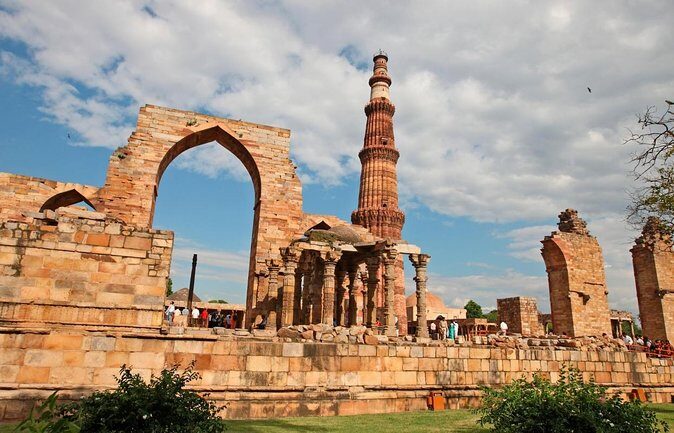
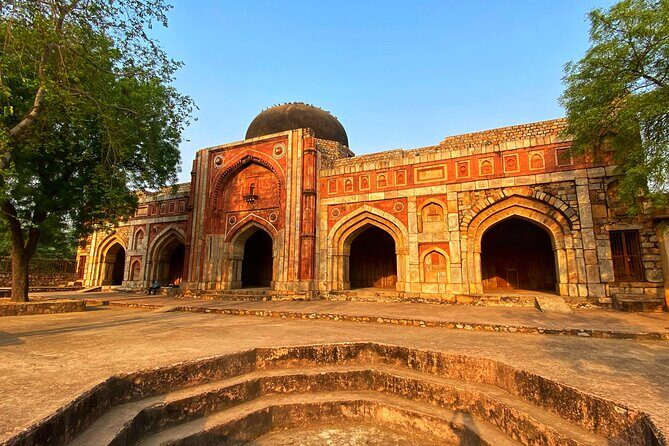
- Mehrauli Archaeological Park pairs iconic views with step wells, Jamali Mosque, and more.
- Sanjay Van city forest riding adds shade, bird life, and an outdoor break from monuments.
- Dadabari Jain Mandir is a short, meaningful visit tied to Jain tradition and Sambat 1223.
- Value at $45 because bikes, water, coffee/tea, and admissions are wrapped in.
Why this Delhi cycling tour starts near Qutub Minar
The meeting point is right by Qutab Minar Metro Station (the parking lot area at Mittal Garden, Sainik Farm). That matters because it drops you into the heart of Delhi’s older layers fast, without wasting time crossing the city.
When you begin early, you trade crowds for breathing room. You’ll also be in a cooler window for pedaling, which helps a lot if you’re not a “hard core cyclist.” And even if you are, early rides tend to feel smoother because the day hasn’t fully heated up yet.
There’s also a nice narrative logic here. The route is designed around the beginning of the Delhi sultanate story, so the start point isn’t random. It sets the tone: you’re in the zone where Delhi’s early fortified city life became legend.
You can also read our reviews of more cycling tours in New Delhi
Bike setup and safety gear that actually help on the road
This tour provides a premium geared bike: a Trek Marlin 4 (2021 model). You’ll also get a helmet and a safety jacket, which is a bigger deal than it sounds. In a city, that practical coverage can turn “I’ll be careful” into “I’m actually ready.”
The guides are known for staying on top of rider comfort and bike technique. People on this tour mention leaders who coach gear changes when you’re going uphill or downhill. That’s the kind of support that helps non-riders too, not just people who already ride every day.
Traffic is real in Delhi, even on calmer mornings. Your guide’s job is to keep the group together and manage where and when you ride. It also helps that the group size caps at 16, so you’re not trying to coordinate with a small army.
Tip: bring your own sunglasses and a hat, and wear shoes you don’t mind getting a little dust on. The route includes dirt trail time, so think “comfort, not fashion.”
The flower market stop: a sensory warm-up before monuments
After the briefing and gear-up, you roll toward the first stop: the flower market. This isn’t a long museum moment. It’s a quick hit of color and local rhythm that helps you switch gears from travel mode to “I’m actually here” mode.
It’s also a good warm-up before you settle into the heritage sites. Your legs get moving, your mind starts listening to the guide, and you get a sense of everyday Delhi culture right up front.
If you like markets, you’ll appreciate that this tour gives you a taste of street life without turning the whole experience into shopping.
Mehrauli Archaeological Park: honey-stoned heritage with breathing space
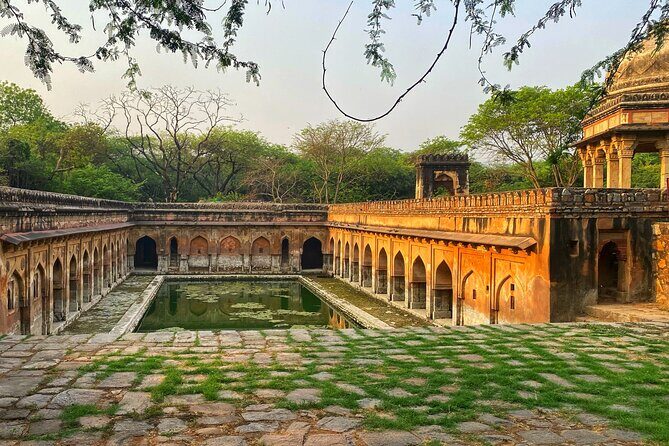
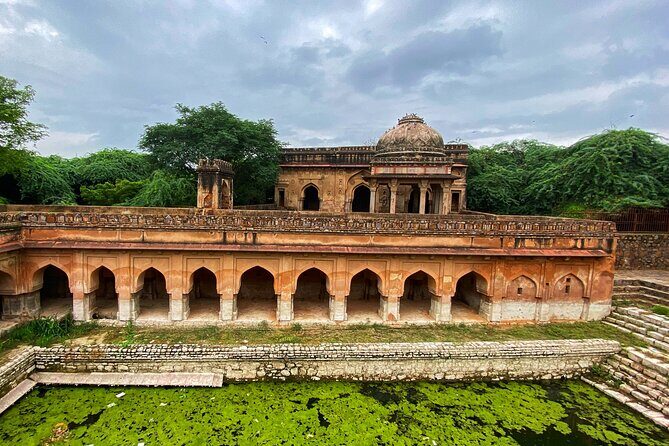
Your main monument area is Mehrauli Archaeological Park, right beside the Qutub complex area. This site covers more than 200 acres, and it’s tied to the older urban story of Delhi. Historically, Mehrauli is part of the “first cities” timeline of the region, which is why the walking and cycling here feels like more than sightseeing.
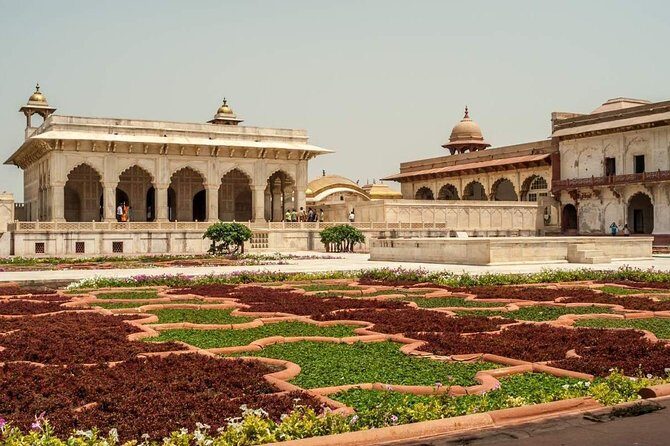
You’ll get a panoramic tour feel as you move through highlights that include a step well and Jamali Mosque (and other landmarks in the area). The architecture here is famous for its warm, honey-stone look. And when you view it from a moving bike route, it lands differently than photos—details keep appearing as you round corners.
This is the spot where the tour’s “beginning of Delhi’s story” theme makes sense. The Qutub Minar area is part of the Qutb complex, and Qutub Minar itself is known as a minaret and victory tower. It sits on the historical site of Lal Kot, Delhi’s oldest fortified city, originally associated with the Tomar Rajputs. Qutub Minar is also a UNESCO World Heritage Site, which explains the global attention and preservation focus.
How to enjoy it: slow down your inner photographer. Let the guide’s story frame what you’re seeing, then look again at the details. If you’re the type who usually sprints through famous sites, this is a calmer way to process them.
A possible drawback: if you expect an “only famous postcard monuments” tour, you might find some sections feel more like an archaeological landscape. The tradeoff is you get the real connectors—how sites relate across space.
Sanjay Van dirt trails: where the ride turns green
Next comes Sanjay Van, a city forest area in South Delhi near Vasant Kunj. Think shade, birds, and a more nature-forward pace. Sanjay Van is densely wooded, and it’s described as a haven for bird lovers.
You’ll also spend time on trails that loop through the forest perimeter. The route includes a long trail toward Qila Lal Kot in Sanjay Van, which is described as desolate. That word matters. You’re not in a polished park with perfect paths every step of the way. You’re in an actual forest setting, with the kind of quiet that feels rare in a giant city.
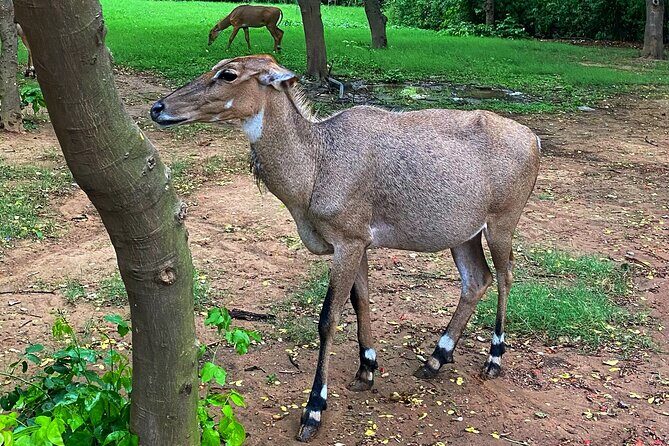
One of the best parts here is the chance to spot wildlife. The tour info specifically nudges you to keep an eye out for animals. I can’t promise you’ll see anything on every ride, but the odds are better here than you’d expect.
Practical advice: ride with caution on uneven surfaces. Your guide will help manage the group, but dirt trails reward steady pedaling, not sudden braking. If you’re worried about comfort, this part is also why the safety jacket is included.




Jain Mandir Dadabari: short stop, strong spiritual context
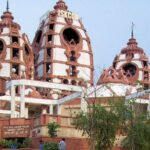
The final meaningful stop is Jain Mandir Dadabari, believed to be the oldest Jain temple in Delhi. It’s dedicated to Jain Acharya Dada Gurudev Shri Manichari Jinchandra Suriji. The temple is linked to the last rites performed there in Sambat 1223, and that date is a real anchor for understanding why people treat the site with respect.
You’ll also learn that the temple was originally built in the late Mughal period. So you’re not just seeing “a Jain temple.” You’re seeing the layered way religious communities used architecture over time in Delhi.
This stop is shorter (about 20 minutes), so it’s best as a reflective capstone rather than a long worship session. If your travel style likes variety—heritage, nature, then spirituality—you’ll appreciate the balance.
Pace, timing, and what to expect from a 3–5 hour ride
The total duration is about 3 to 5 hours, depending on pace and the morning flow. The start is 6:30 AM, so you’ll want to show up early enough to avoid stress. Once you’re rolling, the tour keeps moving, but it doesn’t feel like a sprint.
What makes this ride work is the structure: heritage time in Mehrauli, nature time in Sanjay Van, then a focused temple visit. The cycling stretches between stops keep the energy up, but the stops themselves give your brain room to absorb.
If you’re not a confident cyclist, you’re still likely to be fine. The bike is geared, and multiple mentions highlight that guides coach riders on when to change gears before climbs and descents. That kind of coaching helps you avoid the most common beginner problem: grinding up hills at the wrong resistance.
Wear-wise: light layers help early morning. If you get cold at first, you’ll likely warm up after you start pedaling. Bring a reusable water bottle if you like, but you’ll already have water provided (1 liter each).
Price and value: what $45 covers in real terms
At $45, this tour is priced as an efficient “morning sampler” of Delhi’s older story. Here’s what you’re actually getting for the money:
- A premium geared bike (Trek Marlin 4, 2021 model)
- Helmet and safety jacket
- Cycle tour leader/guide
- Coffee and/or tea
- Bottled water: 1 liter each
- Admission tickets for the stops included in the itinerary
- GST included
- A mobile ticket
That’s a lot of cost items bundled together. In many parts of travel, you pay bike rental separately, then pay for guides, then pay admissions. Here, the structure suggests you’re paying mostly for the experience plus the expertise, not a pile of add-ons.
What’s not included is hotel pickup and drop-off. That doesn’t make the price bad; it just means your real value depends on how easy your route is to the start point. If you’re staying near metro access, you’ll get more out of it.
If you’re traveling with friends, the fixed small-group setup can also feel like a sweet spot. You’re not paying private-tour prices, but you’re still not stuck with a huge herd.
Tour leadership and group size: the difference between work and fun
The tour caps at 16 travelers, which is big enough for energy and small enough for your guide to manage the ride. That size affects how safe you feel and how much explanation you actually get at stops.
Some named leaders show up in the tour’s leadership notes: Akhilesh Thapa, Sabyasachi, and Abhi. The theme across these guide mentions is clear: people credit leaders for rare information about the destinations plus technical knowledge about bikes, and for watching traffic so riders stay comfortable.
That’s exactly what you want in a city cycling tour. You don’t just need facts. You need a leader who can translate the facts into something you can picture while riding, then still keep the group together when the street gets tricky.
One more plus: the ride is described as easy for many participants, including people who don’t cycle much. So if your main goal is sightseeing on two wheels rather than training for a bike race, this tour fits that mindset.
Practicalities: where you start, where you end, and how to plan your morning
You start at Qutab Minar Metro Station parking area and you finish at the Indian Institute of Foreign Trade area (Block-II, B-21, NRPC Colony, Block B, Qutab Institutional Area). The end point matters because it determines how you’ll get back afterward.
Since hotel pickup isn’t included, I suggest you plan a simple return strategy before you leave your room. Use metro or a pre-arranged cab, and make sure your driver knows the IIFT Block-II area.
Also: this is a weather-dependent experience. It requires good weather. If the tour gets canceled due to poor weather, you’ll be offered a different date or a full refund.
Plan for that by not booking tightly on the same morning for something else non-refundable. A morning cycling plan can shift because Delhi weather can be unpredictable.
Who should book this Delhi Hidden Jewels cycling tour
Book it if you want:
- A guided Delhi morning that combines Qutub Minar heritage, Mehrauli monuments, forest riding, and a Jain temple stop
- A small-group bike experience with safety gear included
- A route that’s not just famous sights, but also shows how older Delhi urban areas connect
You might skip it if you:
- Hate any dirt trail at all, or you’re unwilling to ride over uneven ground
- Need hotel pickup and door-to-door convenience more than an excellent value packed into a morning
Best fit: first-time visitors who want a smart introduction to the Delhi sultanate-era setting, and cyclists who want a guided sightseeing route rather than a workout-focused ride.
Should you book this tour
If you like early mornings, a bit of pedaling, and guided storytelling that connects monuments to the larger Delhi timeline, I’d say yes. The value is strong because bike rental, safety gear, water, coffee/tea, and admissions are covered in the base price. The small group size and coaching style also make it a good choice even if you’re not a confident rider.
The main catch is simple: dirt trails and a 6:30 AM start. If you can handle those two realities, this is a genuinely fun way to see Delhi—moving through heritage and nature instead of just standing still.
FAQ
What time does the tour start?
The tour starts at 6:30 AM at the Qutab Minar Metro Station parking lot area.
How long is the cycling tour?
It runs about 3 to 5 hours, depending on the ride pace and stops.
What’s included in the $45 price?
You get a Trek Marlin 4 (2021 model) bike, helmet, safety jacket, a cycle tour leader/guide, coffee and/or tea, bottled water (1 liter each), and GST. Admission tickets for the included stops are also covered.
Are admissions included for the stops?
Yes. Admission tickets are included for Mehrauli Archaeological Park, Sanjay Van, and Jain Mandir Dadabari.
Is hotel pickup and drop-off included?
No. Transport is not included, but pickup and drop-off can be arranged on prior notice.
What happens if the weather is bad?
The tour requires good weather. If it’s canceled due to poor weather, you’ll be offered a different date or a full refund.