REVIEW · VARANASI
Varanasi Full-Day Private Tour with Sarnath and Ganga Aarti
Book on GetYourGuide →Operated by INDIATOR · Bookable on GetYourGuide
One day in Varanasi changes your pace. You’ll move from Sarnath, where the Buddha is tied to his first teachings, to the evening Ganga Aarti along the Ghats. I especially like pairing Buddhist landmarks like Chaukhandi and Dhamek with the sensory reality of nightly river worship.
What I really love is the practical flow: hotel pickup and drop-off by private air-conditioned car, plus an English-speaking local guide who ties the sites together. One thing to think about: this tour is not suitable for mobility impairments, and it also has a restriction on luggage/large bags.
Key highlights and what they mean for you
- Chaukhandi Stupa: gateway feel to Sarnath, with octagonal towers and a strong “this is the pilgrimage zone” vibe
- Dhamek Stupa: a cylindrical stone-and-brick monument with Gupta-origin floral carvings
- Mulagandha Kuti Vihar: modern temple plus fresco work by a Japanese painter and Buddhist literature
- Sarnath Museum: you’ll see Buddhist art and culture in one organized place
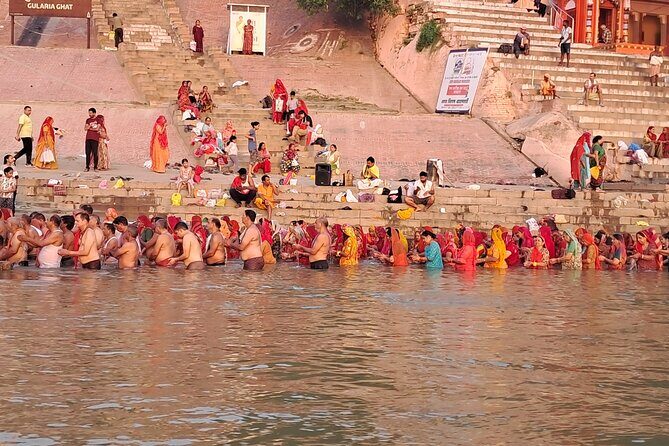
- Ganga Aarti on the Ghats: night-time ritual watching that also lets you spot worship and holy-dip life along the river
In This Review
- Varanasi and Sarnath in One Private Day: How the 10 Hours Work
- Private AC Pickup From Your Varanasi Hotel: The Comfort Factor You’ll Notice
- Sarnath UNESCO Morning: Chaukhandi Stupa and the Sense of a Pilgrimage Gateway
- Dhamek Stupa’s Stone and Brick Story: What Makes It Special
- Mulagandha Kuti Vihar and the Sarnath Museum: Art, Literature, and Evidence
- Lunch and the Middle of the Day: Timing Without the Tourist Traps
- Ganga Aarti on the Ghats: What You’ll See and How to Prepare
- Price and Value: Is $84 for a Private Day a Good Deal?
- Who This Tour Is For (and Who Should Skip It)
- Should You Book This Varanasi Full-Day Private Tour?
- FAQ
- How long is the Varanasi full-day private tour with Sarnath and Ganga Aarti?
- What’s included in the tour price?
- Where do you pick me up in Varanasi?
- Is this tour private or shared?
- Is lunch included?
- What sites do you visit in Sarnath?
- Do I need to pay entry fees separately?
- What should I bring and wear?
- Is the tour suitable for people with mobility impairments?
- Is luggage allowed?
- How far in advance can I cancel for a refund?
Varanasi and Sarnath in One Private Day: How the 10 Hours Work
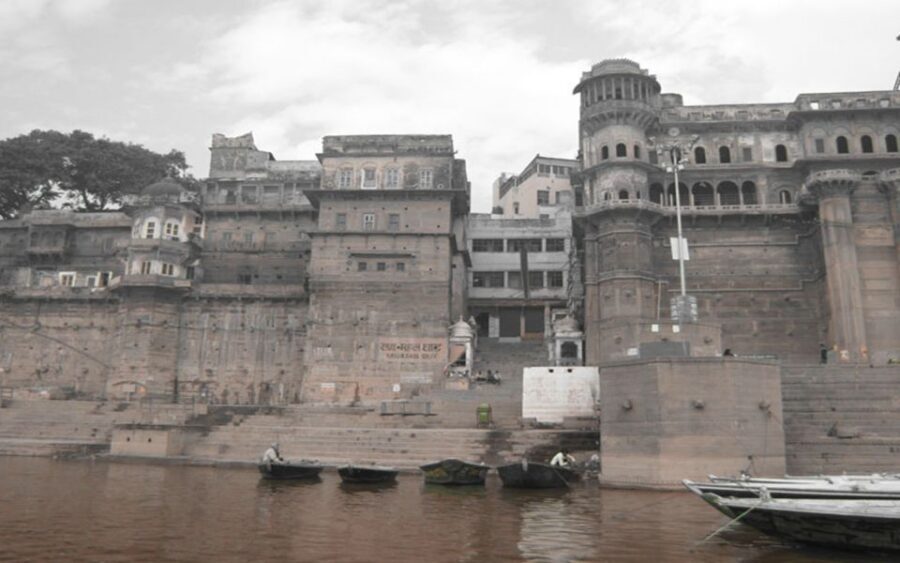
This tour is designed for people who want depth without juggling tickets, timing, and transport. You get a full-day private format, so you’re not wedged into someone else’s pace, and you’re not left guessing what’s important at each site. The day is built around two different kinds of meaning: Buddhist history in Sarnath during daylight, then Hindu river ritual at Ganga Aarti in the evening.
I like how the plan naturally “turns the volume up.” In the morning you’re in quieter, more structured spiritual spaces. Later, you’re watching real-life devotion on the river edge—people performing worship and taking holy dips, right where the city’s identity shows up strongest.
One consideration: Varanasi is active, and Sarnath has walking. Wear comfortable shoes, and keep your bag situation simple. The tour notes that luggage or large bags aren’t allowed, which matters if you’re traveling with more than a daypack.
Private AC Pickup From Your Varanasi Hotel: The Comfort Factor You’ll Notice
The day starts with pickup included from any hotel within Varanasi city. The driver meets you at the hotel lobby and takes you through the morning drive to Sarnath, then returns you back to your hotel after the evening program. That’s not just convenience. It also protects your time, because you avoid transit dead zones and you stay on schedule for a 10-hour window.
The vehicle is private and air-conditioned, which is a real quality-of-life upgrade in India, especially once the day heats up and you’re going between sun-exposed stops and shaded interiors. If you’re doing a first visit to Varanasi, you’ll also appreciate the calm it gives you: you can focus on what you’re seeing instead of navigating.
You can also read our reviews of more private tours in Varanasi


Sarnath UNESCO Morning: Chaukhandi Stupa and the Sense of a Pilgrimage Gateway
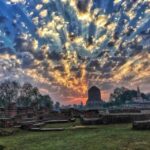
Sarnath is a UNESCO World Heritage Site, and the tour treats it like the sacred core it is. You start at Chaukhandi Stupa, an elevated structure marked by octagonal towers. The site feels like a gateway—because it was meant to signal entrance into a holy circuit, not just a random point on a map.
I like Chaukhandi for the way it sets context. It’s not just “look at a stupa.” It’s the feeling that you’re arriving at a place that pilgrims have used for generations to orient themselves spiritually. The area around it includes lush green lawns from all sides, which also helps: you get a calmer visual frame before you move on to the more textured stone monuments.
Practical tip: this stop is outdoors and you’ll want to keep moving at a steady pace. Take breaks if you need them, but don’t treat it like a long picnic spot. It’s part of a tight morning sequence.
Dhamek Stupa’s Stone and Brick Story: What Makes It Special
Next is Dhamek Stupa, a cylindrical monument made from stone and brick. What makes it click is the detail: it’s engraved with delicate floral carvings of Gupta origin. That matters because you’re not only seeing a shape associated with Buddhism—you’re seeing the craftsmanship history layered into the monument itself.
Dhamek also gives you scale and solidity. Many sacred sites in India can feel busy in the background. Here, the structure becomes the main character. It’s easier to slow down for a few minutes, look closely at the patterns, and really register the monument as an artifact, not just a photo stop.
Possible drawback: if you’re rushing your day, you might not give yourself enough time to focus on the carvings. If you care about details, ask your guide to point out where the Gupta-origin floral work is easiest to see.
Mulagandha Kuti Vihar and the Sarnath Museum: Art, Literature, and Evidence
After the major stupas, the tour shifts into a more modern spiritual setting: Mulagandha Kuti Vihar. It’s described as a modern temple that encloses frescoes by a Japanese painter, plus a rich repository of Buddhist literature. That combination is a nice change of pace. You’re not only looking at ancient stone—you’re looking at how Buddhism has been represented and studied through art and writing.
Then you move to the Sarnath Museum, which the tour describes as expansive and focused on Buddhist art and culture. This is where you get a helpful “catch-up” moment. When you’ve walked around sacred sites, it’s smart to see objects, artworks, and curated examples that help you understand what you’re looking at. Museums can feel optional on busy tours, but here it plays a practical role: it ties the day’s religious symbols to something you can study without the distraction of crowds and movement.
If you prefer a day that balances walking with real learning, this pair—Mulagandha Kuti Vihar plus the museum—is one of the strongest reasons to book.
Lunch and the Middle of the Day: Timing Without the Tourist Traps
Lunch is included at a local restaurant. That’s a small line in the itinerary, but it’s a big deal in a place like Varanasi, where food choices can vary widely. With a local guide, you’re less likely to end up somewhere that’s convenient but not actually worth your time.
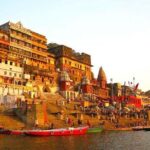
The tour then continues with visits to famous temples and other holy structures in Varanasi after lunch. The exact temples beyond Sarnath aren’t listed in the details you provided, but the theme is consistent: more sacred architecture, more river-linked spirituality, and more chances to see how devotion shows up across neighborhoods—not only at the big showpiece ghats.
Practical advice: this stretch can feel like a “many stops, limited time” rhythm. If you’re the type who likes to linger, tell your guide early. With a private group, you can often adjust how much time you spend at the more interesting corners.
You can also read our reviews of more tours and experiences in Varanasi


Ganga Aarti on the Ghats: What You’ll See and How to Prepare
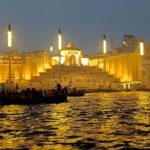
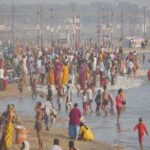
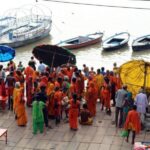
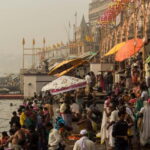
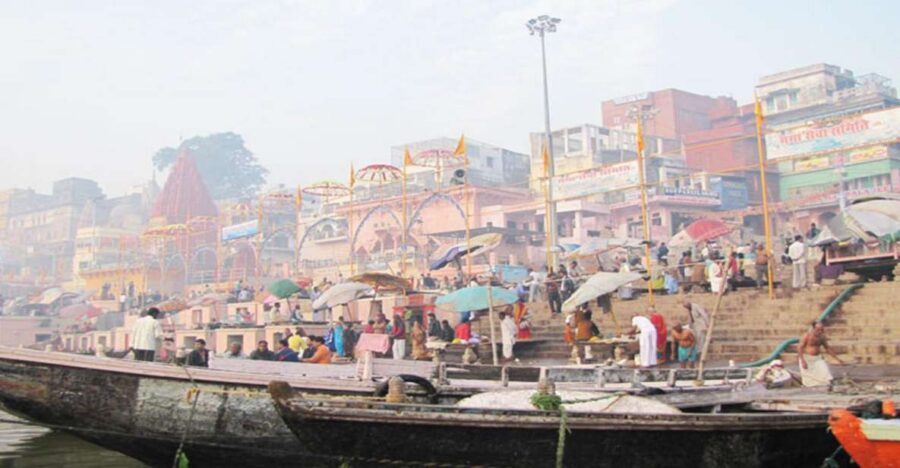
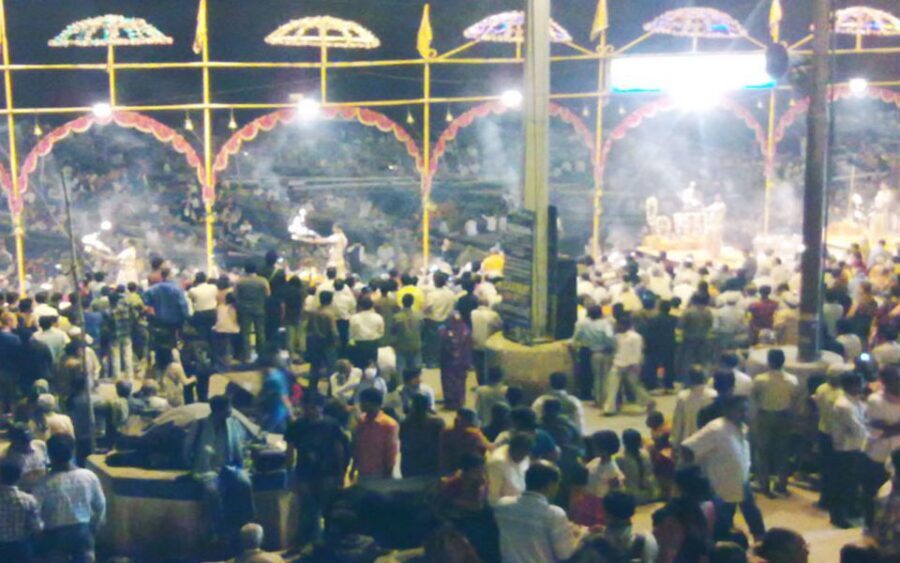
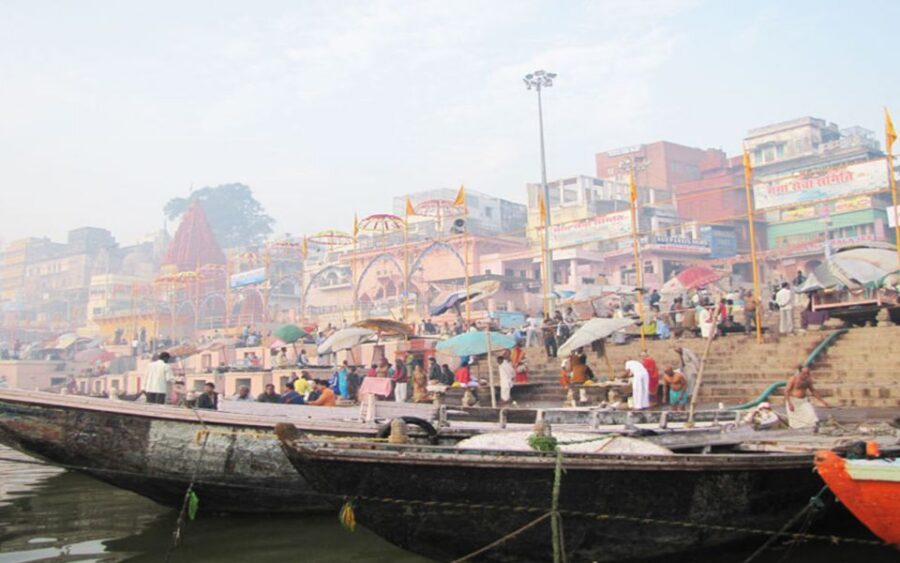
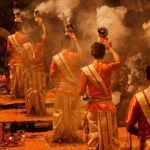
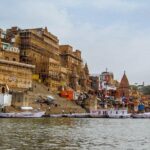
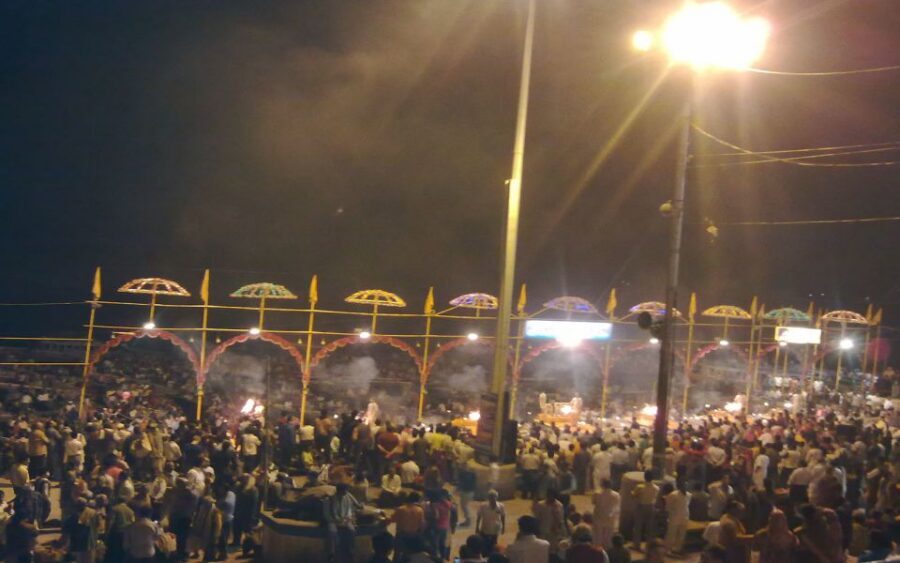
The evening is the emotional center of the day. You’ll witness nightly ritual rites held on the banks of the Ganges, when worship and river life merge into one ongoing scene. The tour highlights watching people taking holy dips and executing worship rituals, and that’s exactly the kind of reality that makes Varanasi different from a standard temple circuit.
For your experience, it helps to treat Ganga Aarti as both a ceremony and a living tradition. You’re not just watching lights and movements. You’re seeing a daily rhythm of faith, and the river becomes the stage for it.
A few ways to make this moment better:
- Be mentally ready for crowds and close viewing areas.
- Dress sensibly and respectfully, because this is an active worship zone.
- Keep your phone use in check so you don’t block someone’s view.
If you want photos, you’ll still get them—but the best part is usually the feeling of being there when the ritual is happening, not just the camera outcome.
Price and Value: Is $84 for a Private Day a Good Deal?
At $84 per person for a 10-hour private day, the value comes from what’s included—not the sticker price. You’re getting:
- Private air-conditioned car with hotel pickup and drop-off
- An English-speaking local guide
- Entry fees to the mentioned monuments
- Lunch at a local restaurant
- Taxes and service charges included
For many visitors, the biggest cost driver in India tours is transport plus guide plus admission stacking up across a full day. Here, those pieces are bundled, which makes planning easier and reduces the chance you’ll pay surprise costs at each stop.
That said, the value depends on how smoothly the day runs. One recorded experience noted a schedule problem, with a return to the hotel around 12:30 because the tour was treated as ended early. If you’re the kind of traveler who really wants a full-day experience, I’d ask your guide or confirmation email to clearly restate the plan for the full afternoon and evening, including the Aarti timing. In a separate case, complaint follow-ups became annoying, so it’s worth setting expectations calmly up front and keeping a clear sense of what’s included.
Who This Tour Is For (and Who Should Skip It)
This works best if you:
- Want a first-time Varanasi day that covers both Sarnath (Buddhist pilgrimage) and the Ganga Aarti (Hindu river worship)
- Like guided context, especially for monuments like Chaukhandi and Dhamek
- Prefer a private, air-conditioned day with minimal stress logistics
You should skip it if you:
- Have mobility impairments (explicitly not suitable)
- Plan to carry luggage or large bags (you’ll need to travel light)
- Want a totally flexible, slow wandering schedule with no structure. This is an organized day with a set flow.
Should You Book This Varanasi Full-Day Private Tour?
If you want a well-paced day that connects Buddhist sites in Sarnath with the intensity of Ganga Aarti, I think this is a strong booking. The combination of stupas, Mulagandha Kuti Vihar, the Sarnath Museum, and a guided look at temple-and-ghat life gives you more than a “checklist tour.” You also get real convenience from the private AC car and hotel pickup/drop-off.
Just be thoughtful about two things: your mobility needs and your bag size. And if full-day timing is crucial for you, confirm the expected schedule in writing so you don’t end up with an abbreviated day.
FAQ
How long is the Varanasi full-day private tour with Sarnath and Ganga Aarti?
It lasts 10 hours.
What’s included in the tour price?
Sightseeing by private air-conditioned car, an English-speaking local guide, entry fees to the mentioned monuments, lunch at a local restaurant, and all taxes and service charges.
Where do you pick me up in Varanasi?
Pickup is included from any hotel within Varanasi city, starting from the hotel lobby. You’re also dropped back to your hotel after the tour.
Is this tour private or shared?
It’s a private group.
Is lunch included?
Yes, lunch at a local restaurant is included.
What sites do you visit in Sarnath?
You visit Chaukhandi Stupa, Dhamek Stupa, Mulagandha Kuti Vihar, the Sarnath Museum, and then additional holy structures in Varanasi before the Ganga Aarti.
Do I need to pay entry fees separately?
No. Entry fees to all mentioned monuments are included.
What should I bring and wear?
Bring comfortable shoes.
Is the tour suitable for people with mobility impairments?
No. The tour is not suitable for people with mobility impairments.
Is luggage allowed?
No. Luggage or large bags aren’t allowed.
How far in advance can I cancel for a refund?
You can cancel up to 24 hours in advance for a full refund.