REVIEW · VARANASI
Two days admirable tour of Varanasi
Book on Viator →Operated by Sacred Varanasi Tour · Bookable on Viator
Early mornings in Varanasi hit fast.
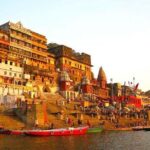
This two-day tour is built for short stays: you start with a morning river boat ride, then you move through the old-city lanes, key temples, and end with the color and intensity of the evening Ganga Aarti at Dashaswamedh Ghat. I especially like the private hand-rowing boat for sunrise rituals and the setup for Aarti viewing with a private chair on a private balcony. One thing to consider: gratitude isn’t included, and like any India tour, tipping expectations can feel uncomfortable if they are not handled clearly.
You also get a tight, logical route instead of wandering and guessing your way through crowds. With an English-speaking guide, air-conditioned car transfers, and pickup from the airport/rail station to your hotel, you spend less time negotiating and more time understanding what you are seeing.
In This Review
- Key highlights worth knowing
- Two Days in Varanasi: How the pace keeps it doable
- Day 1: Old city ghats, temple stops, then the Aarti
- Airport or station to hotel, then you’re in the flow
- Godowlia bazar: where you get oriented
- Dashaswamedh Ghat Aarti: the main event of the evening
- Manikarnika Ghat: the Ganges cremation reality check
- Bharat Mata Temple: a different kind of tribute
- Sankat Mochan Temple: Hanuman, trouble-relief, and devotion
- Day 1 in one sentence
- Day 2: Sunrise boat, Sarnath, museum, and BHU
- Sunrise Ganges boat ride: why “early” changes everything
- Dashashwamedh Ghat again: morning energy and better understanding
- Sarnath: Buddha’s setting beyond the riverfront
- Sarnath Museum: context for what you just walked
- Banaras Hindu University: a major Varanasi landmark
- End of tour: back to airport
- Price and value: what $117.95 buys you (and what it doesn’t)
- Service level: the one risk you should plan for
- Who this tour fits best
- Booking timing and weather: when you should be cautious
- Should you book it?
- FAQ
- How long is the Two Days Admirable Tour of Varanasi?
- Where do you get picked up and dropped off?
- Is transportation included?
- Is the sunrise boat ride included?
- What’s included for the evening Ganga Aarti?
- What is not included in the price?
Key highlights worth knowing
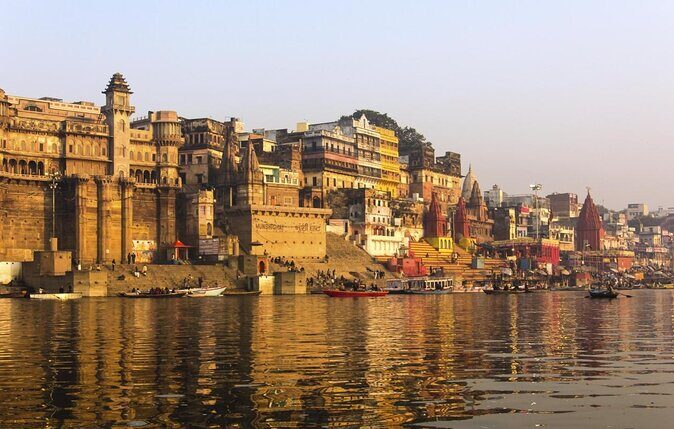
- Private hand-rowing boat at sunrise for calmer river views and morning ritual energy
- Dashaswamedh Ghat Aarti from a private balcony with a reserved viewing chair
- Old town orientation via Godowlia bazar so you get your bearings quickly
- Manikarnika Ghat access for a real look at the Ganges cremation tradition
- Sarnath plus museum for Buddhist sites in a calmer setting
- BHU stop to round out Varanasi beyond the ghats
Two Days in Varanasi: How the pace keeps it doable
Varanasi can overwhelm you fast. The lanes are narrow, the sights are intense, and the Ganga is the center of nearly everything. This tour earns its value by stacking the big moments into two days without forcing you to plan each move.
The schedule also respects how Varanasi works: temples and ghats make more sense when you go early, and the most dramatic river moment happens at night. You will see the river in both morning quiet and evening ceremony mode, which is the best way to understand why people return to these banks year after year.
What makes this work for practical travelers is that most of the heavy lifting is handled. You get a guide, transportation, and a clear path through the old city. You also get small but helpful extras, like a bottle of mineral water each day.
You can also read our reviews of more tours and experiences in Varanasi


Day 1: Old city ghats, temple stops, then the Aarti
Airport or station to hotel, then you’re in the flow
Day 1 begins with pickup when you arrive at Lal Bahadur Shastri International Airport or by train at the station. A company representative meets you and transfers you to your booked hotel.
One small detail that matters: the representative cannot enter the baggage collection area. In practice, it means you should be ready to find them right after you exit, with your group together and ready to go.
Then you head into the core of the city, and the tour switches to walking and guided exploring.
Godowlia bazar: where you get oriented
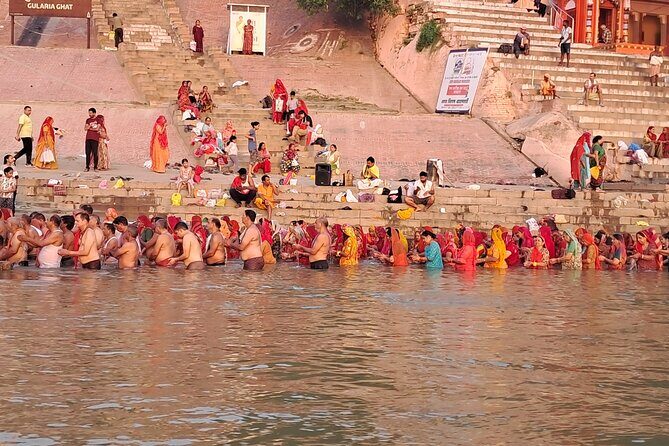
Your first real stop is Banaras Ghats with a guided walk starting at Godowlia bazar, described as the main entrance to the old city. This is the practical part of the tour: you are not just seeing temples. You are learning how the old town functions as a living neighborhood.
You’ll pass through shops tied to daily religious needs—puja items and spices—plus the kind of street food energy Varanasi is famous for. Even if you skip food (food is not included), seeing where locals shop helps you understand the city beyond the tourist postcard.
Possible drawback: this is still the old city. Wear shoes that handle uneven pavement and expect close quarters.
Dashaswamedh Ghat Aarti: the main event of the evening
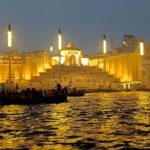
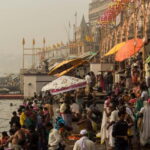
In the evening, you attend the Ganga Aarti at Dashaswamedh Ghat. The tour includes admission ticket time and, importantly, seating logistics: you get a private chair on a private balcony to watch the ceremony.
That matters more than it sounds. Aarti viewing can be chaotic if you arrive late or try to improvise. A reserved setup improves your odds of having a clear view while staying comfortable enough to actually watch the ceremony instead of constantly repositioning.
This is also where you should mentally prepare for intensity. The ritual is deeply spiritual and visually powerful. If you come expecting only sightseeing, it can feel heavier than you anticipated—in a meaningful way.






Manikarnika Ghat: the Ganges cremation reality check
After Aarti, you visit Manikarnika Ghat, known as the burnt ghat. This stop is emotionally serious because it relates to cremation practices on the river.
I’m glad this tour includes it, because it prevents the experience from becoming surface-level. At the same time, it’s not for everyone. If you are sensitive to death-related rituals or uncomfortable with the closeness of people’s grief and faith, give yourself a little extra breathing room during this portion. Short visit windows help, but the subject matter is real.
Practical tip: keep your camera behavior respectful. Focus on seeing first, shooting second.
Bharat Mata Temple: a different kind of tribute
Later you visit Bharat Mata Temple, built in 1936 by Bir Singh Patel. It is described as the only temple dedicated to Mother India, and instead of traditional idol focus, the temple features a large marble relief map of undivided India (pre-1947).
This stop is worth it because it expands the theme of the day. You’re not only seeing religious practice at the ghats. You’re also seeing how devotion can be expressed through national identity and historical memory.
Sankat Mochan Temple: Hanuman, trouble-relief, and devotion
Day 1 also includes Sankat Mochan Temple, famous for Hanuman. It was established in the early 16th century by Goswami Tulsidas, the saint-poet known for Ramcharitramanas and also connected to Hanuman traditions.
This is a good “reset” stop after the heavy weight of Manikarnika Ghat. The vibe here is still intense, but the framing is different: it’s about relief from troubles.
Day 1 in one sentence
You move from old-city bazaars to temples to Aarti, then to the cremation ghat, all in one evening-to-night arc.
If you are the type who likes a calm, slow day, this may feel fast. But if you have only two days, it’s also the best way to get the full spectrum of Varanasi without losing time.
Day 2: Sunrise boat, Sarnath, museum, and BHU
Sunrise Ganges boat ride: why “early” changes everything
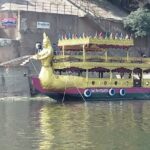
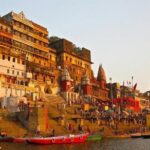
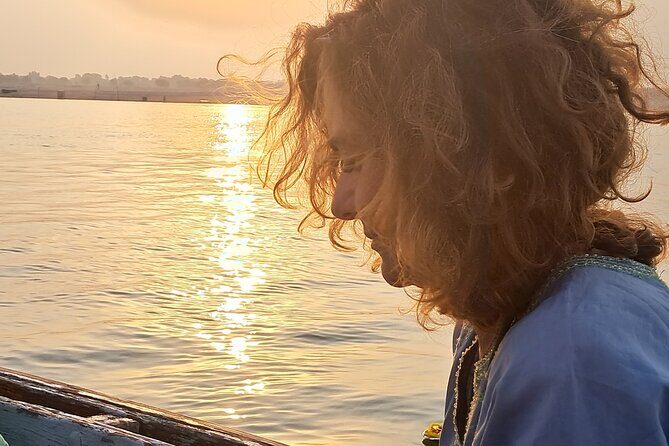
Day 2 starts with a serene Ganges River boat ride at sunrise. You depart from the hotel before breakfast. The tour includes a private hand-rowing boat, so you are not fighting for space among strangers.
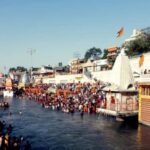
This is one of the most valuable parts of the itinerary because the Ganga behaves differently in morning light. The river looks calmer, the ghats feel less busy, and the rituals of the day are starting up rather than peaking.
Length is listed as about 3 hours. Expect that early start to set the tone: by the time you finish, you’ll feel like you have earned the rest of the day.
Dashashwamedh Ghat again: morning energy and better understanding
After the boat, you move to Dashashwamedh Ghat for more morning walking and viewing. The tour description highlights how the road awakens at dawn, and it references Banaras Hindu University in the area context.
Going again the second day is smart. With the boat behind you, the ghats become easier to read. You connect what you saw on the water with what you see on land.
Sarnath: Buddha’s setting beyond the riverfront
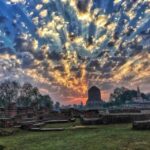
Then you head to Sarnath, about 3 hours in the schedule. Sarnath is the Buddhist site tied to Gautam Buddha and the idea of enlightenment.
The value here is contrast. Varanasi’s energy comes from the river and the old city. Sarnath gives you a different rhythm. It’s still spiritually significant, but it feels more site-and-story focused.
If you want variety in a short trip, this is the key ingredient.
Sarnath Museum: context for what you just walked
Next is the Sarnath Museum, listed at about 30 minutes. It was established in 1910 by the British Government to preserve and showcase archaeological finds from Sarnath excavations.
Museums can sometimes feel like a filler stop. Here, the timing works because you visit after being on the ground at Sarnath. Even if you only spend a short time, you are more likely to connect the physical ruins and structures to the discoveries tied to them.
Banaras Hindu University: a major Varanasi landmark
Your itinerary includes Banaras Hindu University (BHU) for about 45 minutes. It notes BHU was founded in 1916 by Pandit Madan Mohan Malaviya, a freedom fighter and educationalist, and that the campus spans about 1,300 acres.
This stop is a nice bridge between “religion and ghats” and “education and architecture.” You get a more modern side of Varanasi without losing the thread of local importance.
End of tour: back to airport
The tour finishes with return to the hotel check-out and transfer to Lal Bahadur Shastri International Airport for your departure.
Admission ticket listings are included in the schedule items, but food is not included. So if you want an easy end-of-day meal plan, plan ahead because you might be moving right after the final sightseeing.
Price and value: what $117.95 buys you (and what it doesn’t)
At $117.95 per person for roughly two days, you are paying for a lot more than “someone driving you around.”
You get:
- private transportation in an air-conditioned Etios Car or Innova
- a government approved English-speaking guide
- a private hand-rowing boat
- pickup and drop tied directly to your itinerary
- admission tickets for the listed paid stops (as included in the schedule)
- a private balcony chair for the evening Ganga Aarti
- one bottle of mineral water every day
What you don’t get:
- food
- gratitude (tips)
In travel math, the big win is the boat and the Aarti viewing arrangement. If you tried to assemble those on your own, you’d spend time coordinating, and you would still risk ending up in the wrong viewing spot.
Is it perfect value? It’s good value if you want structure. If you already know your way around and prefer full independence, you might pay less by DIY. But for a tight time window, this is designed for results.
Service level: the one risk you should plan for
The overall rating is 4.9 with 96% recommending the experience, which tells me most people feel they got what they came for.
Still, I would treat one detail as your checklist item: vehicle condition and guide communication. One negative experience described an older car and a guide who wasn’t very explanatory, plus the discomfort of feeling pushed to tip.
You can reduce the risk of awkwardness by doing two things early:
- ask clearly what is included versus what is expected as gratitude
- set a tone for the guide: you want explanations and a pace that matches your questions
If something feels off, you should speak up in the moment, not after. The provider’s response (from their side) shows they take embarrassment and feedback seriously and aim to fix issues on their end.
Who this tour fits best
This tour suits you if:
- you have only two days in Varanasi and want the core experiences
- you prefer an English-speaking guide rather than figuring out routes and timing alone
- you want both ghats and Sarnath (not just one side of Varanasi)
- you care about good viewing access for Aarti and a private sunrise boat
It might not suit you as well if:
- you are not comfortable with cremation-related settings at Manikarnika Ghat
- you dislike early starts (sunrise boat is the start)
- you strongly prefer total independence and no structure
Booking timing and weather: when you should be cautious
The tour is usually booked about 38 days in advance on average, which suggests people plan ahead for the best schedule. That’s a good sign for availability, but not a requirement.
One operational note: the experience requires good weather. If it is canceled due to poor weather, you should expect an alternative date or a full refund.
In hot seasons, weather can also affect your comfort. Bring water in addition to the included bottle if you know you drink more than average.
Should you book it?
If you want the best use of two days in Varanasi, I think this is a solid choice. The combination of sunrise rowing, Dashaswamedh Aarti with private balcony seating, Sarnath, and a real look at Manikarnika Ghat hits the main themes of the city without stretching your time thin.
I would book it if you go in with the right mindset: Varanasi is spiritual and sometimes intense. You are not just collecting attractions. You are observing rituals that matter deeply to locals.
I would think twice if you are easily upset by death-related rituals or if you dislike any potential tipping awkwardness. If you do book, plan your gratitude approach upfront so you don’t get surprised.
FAQ
How long is the Two Days Admirable Tour of Varanasi?
It runs for about 2 days.
Where do you get picked up and dropped off?
Pickup is arranged from Lal Bahadur Shastri International Airport or the railway station, and you are dropped back to the airport after the final day.
Is transportation included?
Yes. Private transportation is included, using an air-conditioned Etios Car or Innova, with pickup and drop tied to the itinerary.
Is the sunrise boat ride included?
Yes. You get a private hand-rowing boat for the sunrise Ganges River experience.
What’s included for the evening Ganga Aarti?
The tour includes admission and seating setup at Dashaswamedh Ghat, with a private chair on a private balcony to watch the ceremony.
What is not included in the price?
Gratitude and food are not included.