REVIEW · VARANASI
Private Sunset Boat Ride and Ganga Aarti with Reserved Seat
Book on GetYourGuide →Operated by Omvity · Bookable on GetYourGuide
Varanasi at sunset hits different.
This 3-hour private plan strings together a wooden boat ride on the Ganges, a reserved-seat Ganga Aarti at Dashashwamedh Ghat, and a guided walk through the city’s quieter spiritual corners. I like that it moves at a human pace, with light refreshments at the start and a guide who can explain what you’re seeing while you’re seeing it. My other favorite part is the way the boat and the ceremony connect into one calm-to-electric arc.
One thing to consider: you’ll be doing a bit of walking on uneven ghats and old lanes, so comfortable shoes matter more than you’d think.
In This Review
- Key things I’d circle on your Varanasi checklist
- A Golden-Hour Ganges Ride That Feels Personal
- Starting at Shree Ganesha Palace and Warming Up the Evening
- Kathwala (Nepali Temple): A Peaceful Detour That Adds Meaning
- Manikarnika and the Ghat Circuit: Watching Varanasi Breathe
- The Ganga Aarti at Dashashwamedh: Reserved Seats for the Best View
- Heritage Walk Through Old Lanes and Temples Behind the Ghats
- How the Private Guide Changes Everything
- What’s Included, What’s Not, and Why the Value Makes Sense
- Timing Tips and Packing Notes for a Smooth 3 Hours
- Who This Experience Is Best For
- Should You Book This Private Sunset Boat Ride and Ganga Aarti?
- FAQ
- How long is the private sunset boat ride and Ganga Aarti experience?
- What is included in the tour price?
- Where do I meet the spokesperson for pickup?
- Do I need to bring anything?
- What languages is the live guide available in?
- Can I cancel for a refund?
Key things I’d circle on your Varanasi checklist
- Reserved seating at Dashashwamedh Ghat for a better view of the fire-ritual choreography
- Private wooden boat at sunset with panoramic Ganges views and a slow, soothing pace
- Heritage walk through centuries-old lanes and small temples tucked behind the ghats
- Nepali Temple (Kathwala Temple) stop described as Varanasi’s mini Pashupatinath vibe
- Dashashwamedh Aarti sensory overload: conch shells, bells, chants, and synchronized fire
- Light refreshments at Shree Ganesha Palace to keep the start comfortable
A Golden-Hour Ganges Ride That Feels Personal
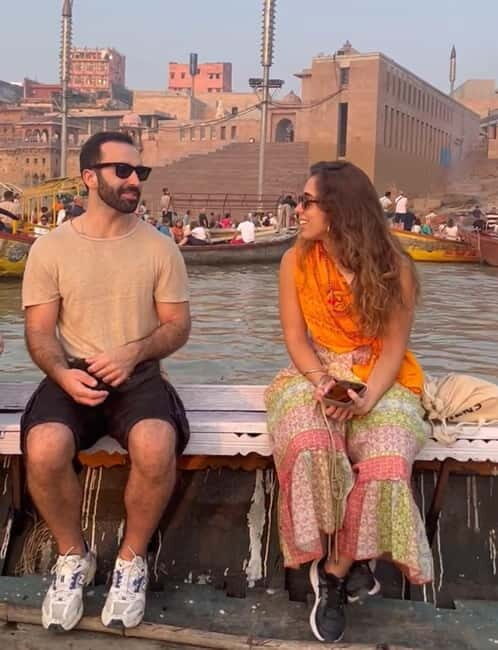
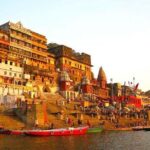
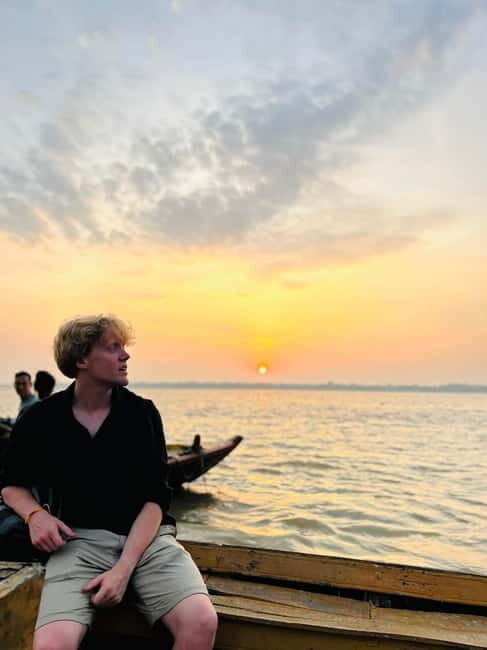
The heart of this experience is the shift from land noise to river calm. You get on a private wooden boat as the sun lowers, which means you’re not stuck elbow-to-elbow trying to catch the best angles. The Ganges at that time moves like it’s thinking slowly. There’s a breeze, the water looks soft around the edges, and the ghats you pass feel less like photo backdrops and more like stages for daily life.
What makes the boat ride worth your attention is the timing and the structure around it. You’re not just “going on a boat.” The ride sets up the main event later at Dashashwamedh Ghat, so the entire evening builds toward the ceremony rather than feeling like two separate activities.
Also, since it’s private, your guide can keep you oriented—what to look for, which ghats you’re passing, and when to be ready to see what’s next.
You can also read our reviews of more boat tours in Varanasi


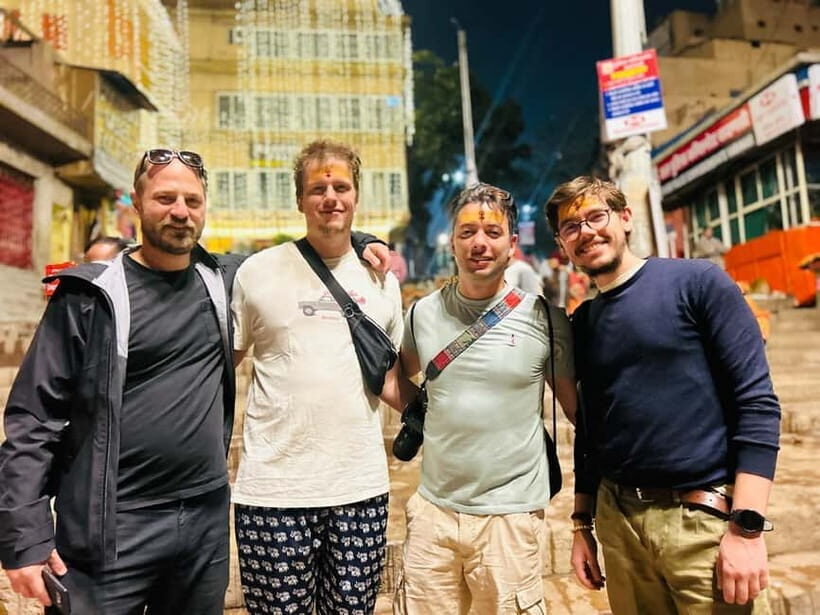
Starting at Shree Ganesha Palace and Warming Up the Evening

I like that the experience begins with light refreshments at Shree Ganesha Palace. It’s a small touch, but it solves a real problem in Varanasi: you want your energy up before walking and before the ceremony crowds. Even a short food reset helps when your schedule is tight and you’re trying to enjoy the moment rather than manage hunger.
After that, you head into the city on foot. This is where you’ll feel the difference between a generic tour and a guided evening: your guide is actively connecting places and meanings. You don’t just see temples; you learn how the city’s traditions show up in everyday spaces—especially around the ghats.
Practical note: meet at Girjaghar Crossing and show up about 10 minutes early. The start time matters because the whole plan depends on getting you into position for the walk and then being at the right drop-off point for the Aarti.
Kathwala (Nepali Temple): A Peaceful Detour That Adds Meaning
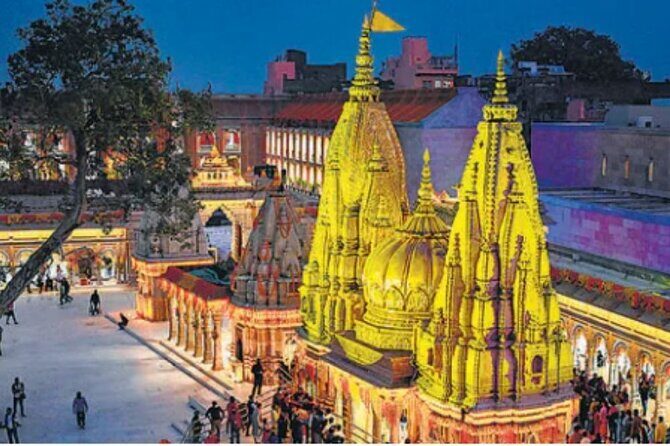
One stop people tend to remember most is the Nepali Temple, also called Kathwala Temple. The experience frames it as Varanasi’s mini Pashupatinath feel, which matters because it gives you a mental shortcut: you’re seeing a spiritual idea echoed locally, not random sightseeing.
The temple visit lasts about 30 minutes, guided, so you’re not left wandering while everything happens elsewhere. I like guided temple time because it turns small details into something you can actually notice—like why a temple tucked near the ghats still deserves your attention.
This stop is also a tempo break. Varanasi can feel intense fast. A calmer, serene place in the middle helps you absorb what the later ceremony will feel like.
Manikarnika and the Ghat Circuit: Watching Varanasi Breathe
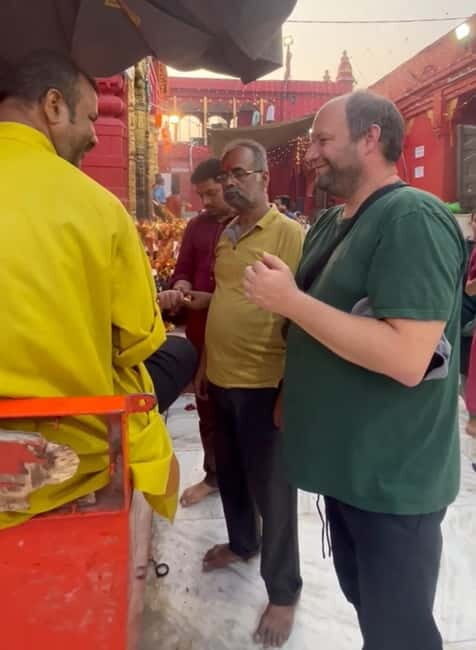
The route includes key ghat time—especially Manikarnika Ghat—and the ride/transfer passes other major points like Dashashwamedh and Assi. Even when you’re not stopping at every ghat, you’re still getting that sense of the city’s spiritual geography.
Here’s the practical value: your guide helps you understand what you’re looking at beyond the obvious. Varanasi is famous for ceremonies and ritual life, but it can be hard to decode without context. With guidance, those ghats become recognizable parts of a larger pattern—where daily devotion and big moments overlap.
One consideration: some areas near ghats can be crowded or busy, and surfaces can be uneven. Keep your pace steady and take your time with photos, because rushing usually means missed details and a trip to the wrong spot.
The Ganga Aarti at Dashashwamedh: Reserved Seats for the Best View
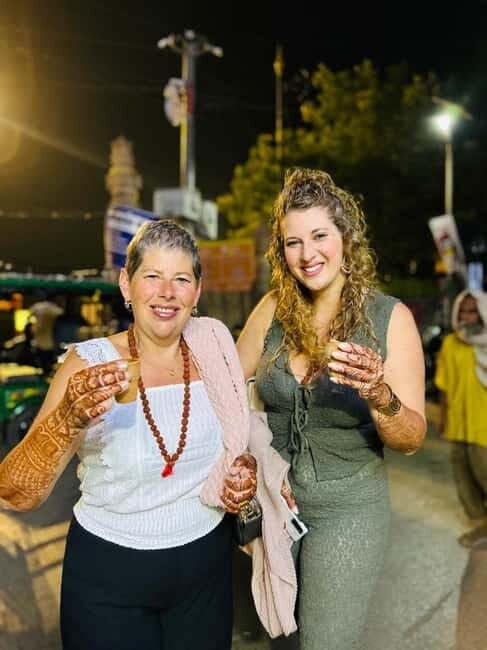
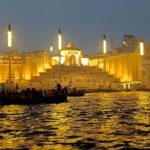
This is the main event, and the reserved seating is not a throwaway perk. Dashashwamedh Ghat is where the ceremony has major energy, and having a reserved place improves your chances of seeing the full ritual flow without constantly shifting position.
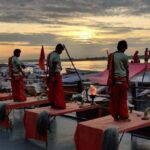
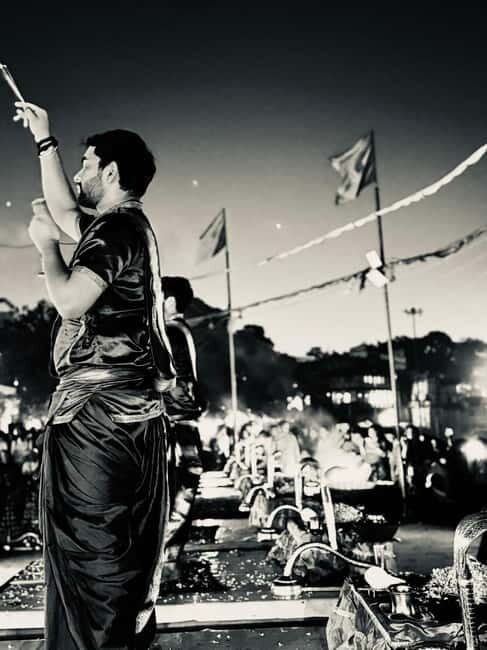
You’ll watch priests perform synchronized fire rituals, with conch shells, bells, and chants building the atmosphere. The Aarti experience here is described as coming from the ceremony’s choreography and sound—so expect more than pretty flames. This is about rhythm: the timing of the fire, the coordinated movements, and the call-and-response feel created by chanting and instruments.
What the reserved drop-off point helps with is simple: fewer last-minute scramble moments. You’re more likely to arrive settled, ready to look, and able to focus on the ritual instead of where to stand.
Photography is allowed during the tour. In practice, that means you can capture the visuals, but keep your attention on the moment first. The sound and timing don’t translate well to a camera, and you’ll miss the best part if you stare at your screen the whole time.
You can also read our reviews of more private tours in Varanasi



Heritage Walk Through Old Lanes and Temples Behind the Ghats
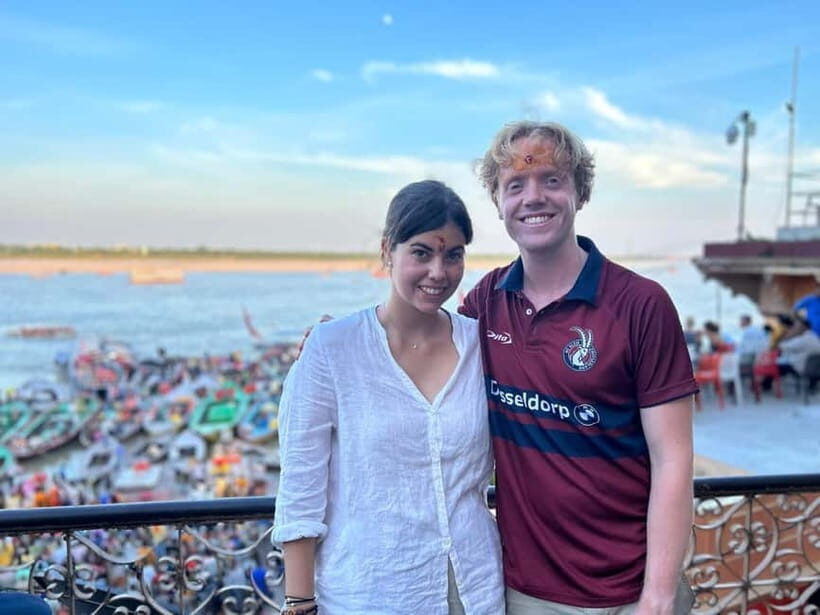
Between the temple stop and the river time, you’ll do a guided heritage walk through centuries-old lanes. This is where the experience earns its “hidden spiritual heart” promise. The ghats are dramatic, sure. But the lanes are where Varanasi’s long logic becomes visible: small temples, quiet corners, and the way devotion shapes daily routes.
This portion is guided, so it’s not just a stroll. The guide points out the significance of what you see, helping you make sense of the city’s layout and traditions. I particularly like this kind of walking tour because it makes the big ceremony later feel less random. You understand the setting before the fireworks—spiritually speaking.
Because the group is private, you can ask questions as you go. That’s a big deal when you’re dealing with living religious spaces where meaning matters.
How the Private Guide Changes Everything
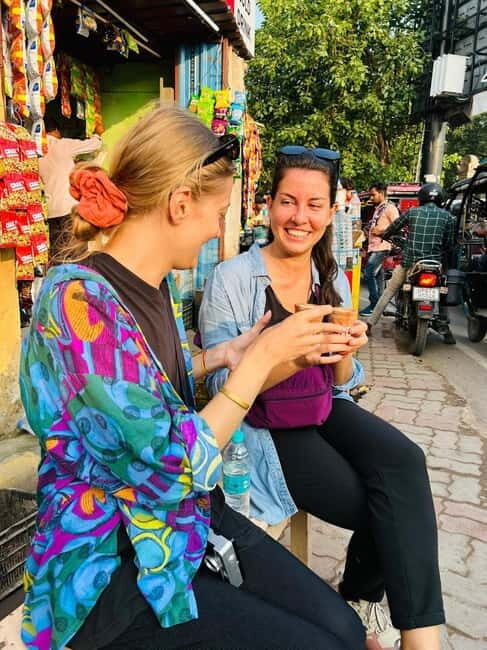
A guided evening in Varanasi can go two ways: you either get a script, or you get a conversation. The strongest part of this experience, based on guide performance people have praised, is that your guide often helps with both explanation and logistics—especially around seating and timing.
Names mentioned include Suhail, who’s credited with arranging excellent Aarti seats and helping with photos, and Karan and Akash, who are praised for their cultural knowledge and engaging energy. If you have any flexibility at booking, it’s worth asking if you can be assigned a guide like Suhail, since the impact seems to be real: better timing, clearer explanations, and more comfort during the ceremony crowds.
One more detail I appreciate: some guides will adjust the walk and pace based on what you care about, instead of forcing you through a fixed checklist. If you’re the kind of person who wants to ask why something exists, that flexibility pays off.
What’s Included, What’s Not, and Why the Value Makes Sense
At $32 per person for about 3 hours, the value comes from the mix of elements you wouldn’t want to coordinate alone: a private wooden boat ride, a guided heritage walk, a temple visit, light refreshments, and reserved seating for the Aarti.
If you tried to build this yourself, you’d likely spend time figuring out boat timing, where to stand for Aarti viewing, and how to fit in a guided heritage walk. Here, those pieces are bundled with a single guide, which saves energy and reduces decision fatigue.
What’s not included is also important:
- Meals aren’t included, so plan a meal before or after.
- Hotel pickup and drop-off aren’t included, so you’ll need to get yourself to the meeting point at Girjaghar Crossing.
My rule of thumb: if you want a smoother evening with less logistics, this price feels reasonable for what you’re actually getting.
Timing Tips and Packing Notes for a Smooth 3 Hours
This tour runs for about 3 hours, and it works because each part happens at the right moment in the evening. So don’t show up late and hope for the best.
Bring:
- Comfortable shoes (you’ll be on foot)
- Water
Wear:
- Comfortable clothing that can handle walking near ghats and temples
Photography:
- Allowed during the tour, but keep your attention split sensibly between lens and moment.
And one small mindset tip: Varanasi rewards slow looking. If you try to speedrun the Aarti while you’re also taking photos, you’ll miss the rhythm the ceremony creates.
Who This Experience Is Best For
This works especially well if:
- You want a guided understanding of Varanasi, not just sightseeing
- You care about seeing Ganga Aarti from a better viewing position
- You prefer a private group pace during a crowded, high-energy event
- You’re traveling with people who appreciate structure but still want space to breathe
It’s suitable for all ages, which is helpful if you’re coordinating a mixed group. Still, the walking around lanes and ghats means you should consider your group’s comfort level on your feet.
Should You Book This Private Sunset Boat Ride and Ganga Aarti?
I’d book it if you want Varanasi in two flavors: the quiet river mood first, then the synchronized ceremony energy at Dashashwamedh with reserved seating. The heritage walk and the Nepali Temple stop make it more than a one-show evening, and the guide support seems to be a big part of why people leave happy.
I’d skip it or choose a shorter alternative if:
- You hate walking on uneven ground
- You’re only interested in the Aarti and nothing else
- You want meals and hotel pickup handled for you
If you’re aiming for an evening that feels organized without feeling scripted, this is a strong match.
FAQ
How long is the private sunset boat ride and Ganga Aarti experience?
It lasts about 3 hours.
What is included in the tour price?
You get a private wooden boat ride, light refreshments, a guided heritage walk, a visit to the Nepali Temple, and private reserved seating for the Ganga Aarti.
Where do I meet the spokesperson for pickup?
Meet at Girjaghar Crossing. Arrive about 10 minutes before the activity starts.
Do I need to bring anything?
Yes. Bring comfortable shoes and water.
What languages is the live guide available in?
The live guide is available in English and Hindi.
Can I cancel for a refund?
Yes. Free cancellation is available up to 24 hours in advance for a full refund.