REVIEW · NEW DELHI
Golden Triangle 6 Days Tour from New Delhi
Book on Viator →Operated by Contes Asia · Bookable on Viator
Delhi, Agra, Jaipur in one tight loop.
That’s what makes this tour appealing: you get a classic Golden Triangle route with real sightseeing blocks, not just jump-from-city-to-city logistics. I like the hands-on flow—arrival transfer, then guided visits—so you spend less time figuring things out on your own. I also like that it’s priced per group (up to 3), which can make a private setup feel less expensive. One thing to plan for: entrance fees and meals are mostly not included, so you’ll want to budget for tickets, lunch, and breakfast.
What I’d bet you’ll enjoy most is the mix of big-name monuments and everyday places. You hit Qutub Minar, Lotus Temple, Jama Masjid, the Taj Mahal, Agra Fort, and major Jaipur sights like Amber Palace and Jantar Mantar. And from the experience of guides linked to this tour (for example Hasseb and Mudassir), you can expect patient explanations and a real willingness to answer questions, which matters when you’re dealing with crowds and fast timelines. The main drawback is the pacing: with long road legs (each drive often around 4 to 6 hours), you’ll want to be okay with travel time eating up part of the day.
If you like your trip structured but still full of moments, this one can work.
In This Review
- Key highlights worth knowing
- Why the Golden Triangle Fits in 6 Days (and still feels like a trip)
- Day 1 in Delhi: Qutub Minar, Lotus Temple, Bangla Sahib, and Jama Masjid
- Qutub Minar complex
- Lotus Temple
- Gurudwara Bangla Sahib
- Jama Masjid
- Day 2 in Delhi-Agra country: Akshardham and Mehtab Bagh at sunset
- Why Mehtab Bagh is worth placing here
- The only real consideration
- Day 3 Agra focus: Taj Mahal in the morning, Agra Fort included
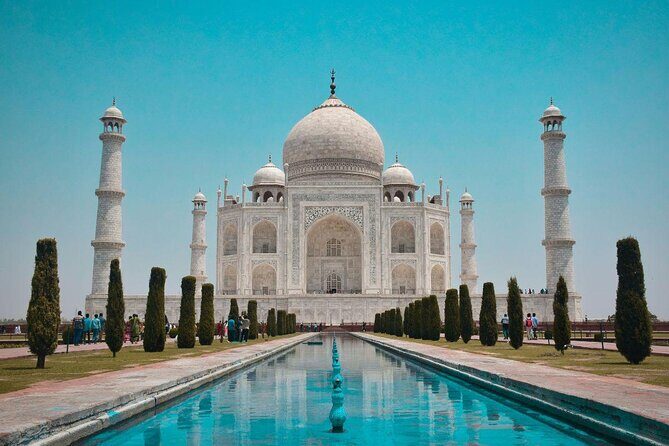
- Taj Mahal
- Agra Fort
- Day 4 into Jaipur: Fatehpur Sikri en route and a quick stop at Bapu Bazar
- Why Fatehpur Sikri works on this route
- Bapu Bazar stop
- Day 5 Jaipur full day: Amber Palace, Jantar Mantar, City Palace, and Hawa Mahal
- Amber Palace
- Jantar Mantar (Jaipur observatory)
- City Palace of Jaipur
- Hawa Mahal (Palace of Winds)
- Getting around: private vehicle, bottled water, and what you handle yourself
- A comfort detail you should care about
- What’s not included (and why it matters)
- Price and value: $350 per group up to 3
- Best value scenario
- Who this tour suits best (and who should think twice)
- Should you book this Golden Triangle 6 Days tour?
- FAQ
- How much does the Golden Triangle 6 Days tour cost?
- How long is the tour?
- What’s included in the price?
- Are entrance fees included?
- Is accommodation and breakfast included?
- Do they offer pickup from the airport or hotel?
- Can I cancel for a full refund?
Key highlights worth knowing
- Private vehicle transport for just your group of up to 3, with pickup offered
- Day trips that sequence well: Delhi sights, Agra in the middle, then Jaipur for a full day
- Sunset viewpoint at Mehtab Bagh for a Taj Mahal perspective
- Agra Fort entry included even though most other site tickets are not
- Guides who stick with you—questions and context seem to be part of the service culture
Why the Golden Triangle Fits in 6 Days (and still feels like a trip)
The Golden Triangle is called that for a reason: on a map, Delhi, Agra, and Rajasthan form a triangle. This plan runs the route in a sensible order—Delhi first, then Agra, then Jaipur—before returning toward the capital for your departure. The total driving distance is about 720 km by road, and each leg is typically 4 to 6 hours. That’s a lot of time in a car, but it’s also what compresses the experience into one week.
In practice, this kind of itinerary is best if you’re doing India for the first time or you want a clear hit list without planning every day from scratch. If you crave free time, slow wandering, and fewer transfers, you might find the days feel scheduled. But if you’re happy to follow a route and let a guide handle timing and ticket logistics, you’ll likely feel efficient rather than rushed.
Also, this tour leans into variety. You get Mughal-era highlights (Taj Mahal), Indo-Islamic architecture (Jama Masjid), modern religious landmarks (Lotus Temple, Swaminarayan Akshardham), and Jaipur’s royal-and-astronomy sights (Amber Palace, Jantar Mantar).
You can also read our reviews of more tours and experiences in New Delhi



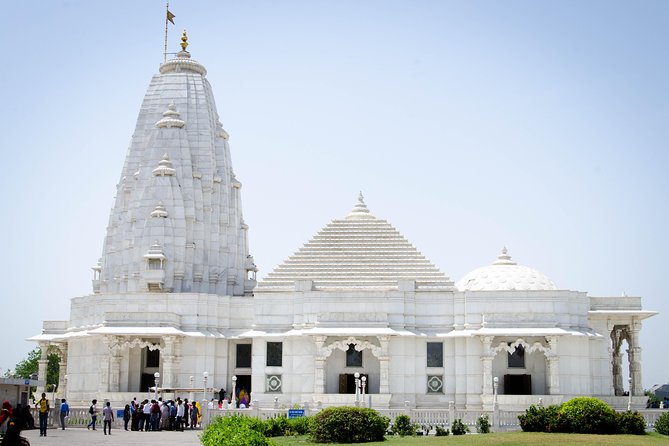
Day 1 in Delhi: Qutub Minar, Lotus Temple, Bangla Sahib, and Jama Masjid
Your first day starts with arrival and an escorted transfer to your pre-booked hotel. Then it moves into four iconic Delhi stops. This is a good setup because you’re not thrown straight into the biggest site right away—you ease into the city’s layers.
Qutub Minar complex
You’ll visit Qutub Minar and its complex. The walk is typically easier to manage when you’re fresh, and the site gives you a quick “this is older than you think” shock. Admission is not included, so bring cash or plan for ticket time separately.
Lotus Temple
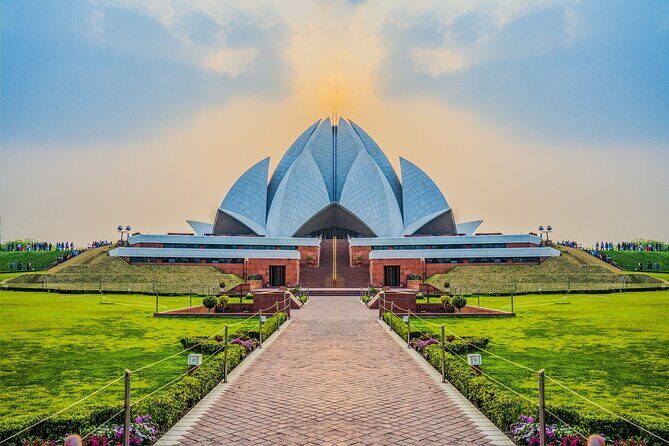
Next is the Bahai Lotus Temple. It’s listed as free admission and has a different mood than the older monuments. If you’re trying to understand modern Delhi’s religious diversity, this stop helps.
Gurudwara Bangla Sahib
Then comes Gurudwara Bangla Sahib (Sikh temple). This is also free, and even with limited time, it’s one of the places that makes India feel lived-in, not just photographed.





Jama Masjid
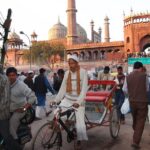
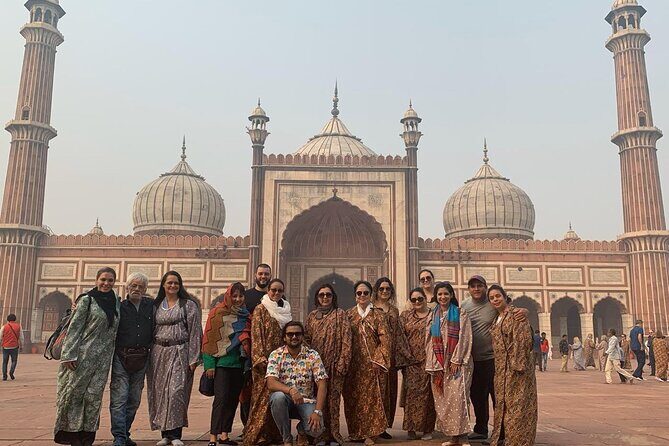
Finally, you’ll end at Jama Masjid, one of India’s largest mosques. The visit is shorter (about 45 minutes) and ticket admission is not included. This is where you’ll likely notice how Delhi operates at street level—movement, crowds, and the constant rhythm of a working city.
Practical note: Day 1 is packed, but the stops are spaced in a way that avoids total overwhelm. If you’re sensitive to crowds, pace yourself inside each monument area and don’t wait until the end of the day to slow down.
Day 2 in Delhi-Agra country: Akshardham and Mehtab Bagh at sunset
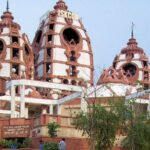
Day 2 begins with Swaminarayan Akshardham, listed as free admission. Akshardham is modern and highly designed, and it tends to reward you when you pay attention to details, not just architecture. It’s also a useful contrast after Day 1’s older monuments.
Then you head to Mehtab Bagh for sunset views. This stop is specifically about timing: you go for the view of the Taj Mahal from across the river, and the itinerary calls out sunset as the key moment. Admission is not included, so this is another ticket to factor into your budget.
Why Mehtab Bagh is worth placing here
Most people rush to the Taj Mahal photo from the main side. Mehtab Bagh gives you a different angle and changes the vibe from day-tour mode to something calmer and more cinematic. You’re also less likely to feel like you’re repeating the same view you already saw in a brochure, because the viewpoint is meant to be experienced during the light shift.
The only real consideration
Sunset timing can mean a longer day and depends on traffic. If your group gets tired easily, bring a bit of patience. The trade-off is the viewpoint is one of the more special segments of the entire route.
Day 3 Agra focus: Taj Mahal in the morning, Agra Fort included
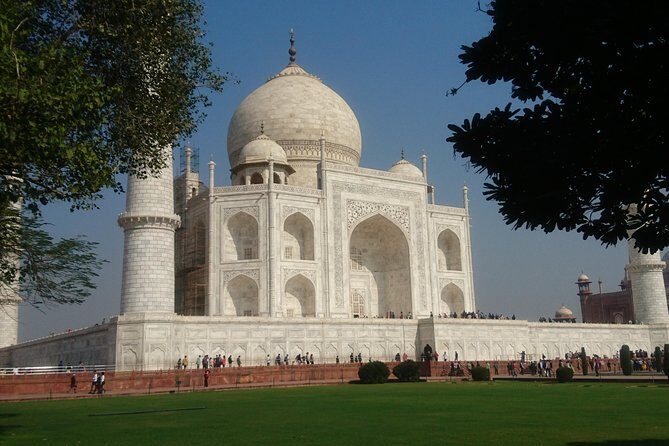
This is the day everyone talks about. After breakfast, you’ll go for Taj Mahal sightseeing in the morning (the itinerary explicitly says morning after breakfast). Admission is not included, so plan that ticket into your spending.
Taj Mahal
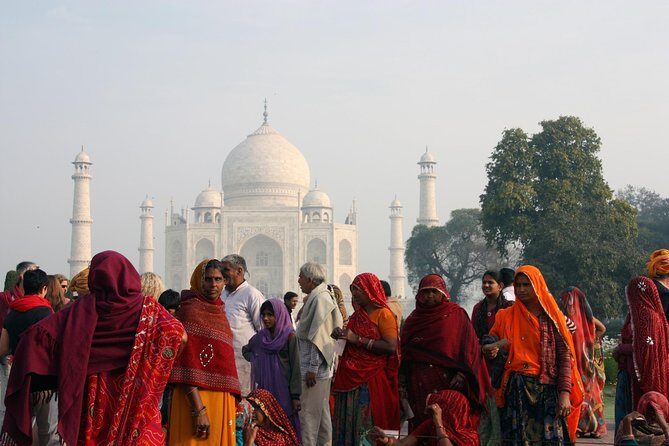
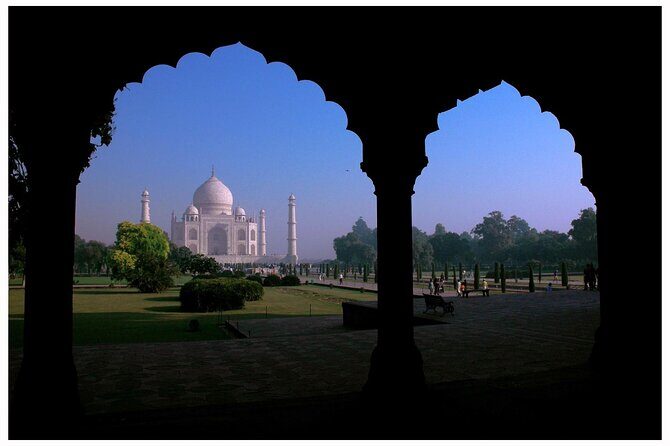
You’ll be taken to the World Famous Monument of Love. The itinerary frames it as the centerpiece built by Mughal Emperor Shah Jahan in memory of Mumtaj Mahal. Even if you already know the story, the experience tends to hit harder when you see it early in the day. Morning timing also helps you deal with heat and crowds.
Agra Fort
After Taj, you’ll visit Agra Fort, about an hour. This time, the itinerary says admission ticket is included. That’s a big value point because it reduces the number of paid stops you need to handle in Agra.
Agra Fort gives context that Taj Mahal alone can’t. Instead of focusing only on the monument, you get a sense of power, defense, and how the city’s Mughal-era life was organized.
Tip for your energy: Taj is a long emotional draw. If you can, avoid rushing your photos. Spend time inside the site area so the memory is about more than images.
Day 4 into Jaipur: Fatehpur Sikri en route and a quick stop at Bapu Bazar
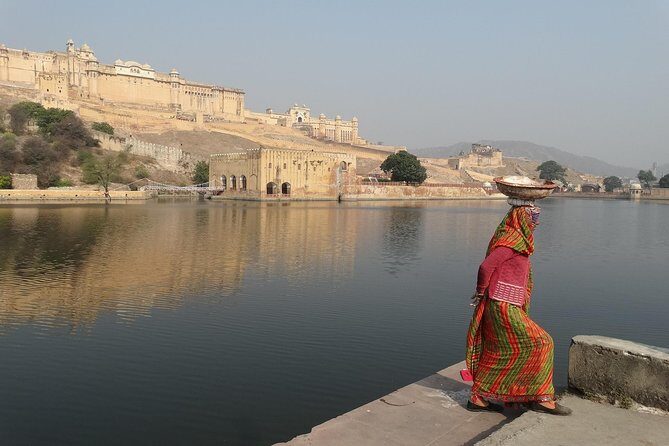
Day 4 shifts you into Rajasthan with a drive toward Jaipur. The itinerary includes a major detour: Fatehpur Sikri, described as a Ghost City. You’ll visit Sikri Fort, Buland Darwaza, the Kali Temple, and the White Marble Shrine (the marble shrine is specifically mentioned). The itinerary lists this segment as free admission.
Why Fatehpur Sikri works on this route
Because it’s en route, you’re not adding a whole extra city day—you’re swapping travel time for a meaningful stop. The sites here feel different from Delhi and Agra because the setting has an “abandoned grandeur” vibe. Even if you only have part of the day, it’s a strong reset before Jaipur’s royal-palace theme takes over.
Bapu Bazar stop
After that, you’ll stop at Bapu Bazar for a quick market experience tied to textiles and shopping. It’s listed as free, but the time given is very short (about 2 minutes). So don’t plan a serious shopping marathon here—think of it as a taste of the market scene.
Day 5 Jaipur full day: Amber Palace, Jantar Mantar, City Palace, and Hawa Mahal
Day 5 is where Jaipur hits hardest. You’ll do multiple major stops in one day, starting at Amber Palace and moving through the city’s other headline attractions.
Amber Palace
The day starts with a full visit to Amber Palace (listed around 2 hours). Admission is not included. Amber is one of those sites that feels bigger once you’re inside, because it combines fort structure with the palace aesthetic. It’s also a perfect anchor for Jaipur, since the rest of the day keeps circling royal life and design.
Jantar Mantar (Jaipur observatory)
Next is Jantar Mantar, described as the biggest and only working observatory in India and tied to astrological knowledge of Jaipur’s rulers. The itinerary lists free time at about 45 minutes, with admission not included. This stop is a great “aha” moment if you like science-history crossovers. It also adds variety so the day isn’t only about buildings and views.
City Palace of Jaipur
You’ll then visit City Palace and Museum (about 45 minutes). Admission is not included. City Palace gives you the royal story in a more grounded way than you get from one single palace viewpoint. It helps connect the different structures you’ll see on the day.
Hawa Mahal (Palace of Winds)
Finally, you’ll see Hawa Mahal (Palace of Winds). It’s a short stop (about 10 minutes) and admission is not included. Hawa Mahal’s most useful value is visual: it helps you picture how the royal family interacted with street life while staying unseen. That theme is explicitly part of the description in the itinerary.
Getting around: private vehicle, bottled water, and what you handle yourself
This tour is set up as a private tour/activity, meaning only your group participates. The price is $350 per group up to 3, not per person. The included items list bottled water and transport by private vehicle.
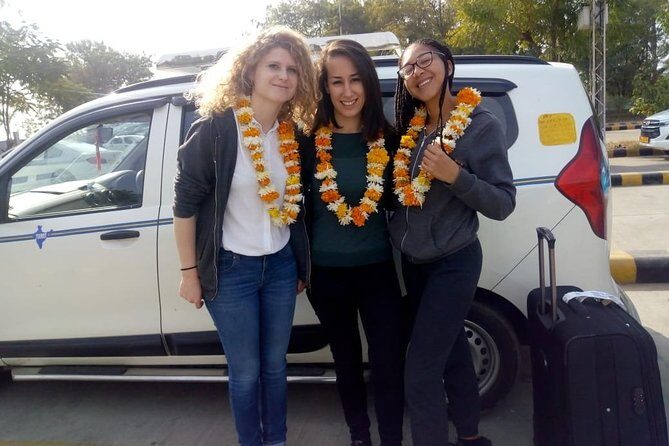
Pickup is offered, and on arrival you’ll be greeted with a traditional welcome by a representative and then transferred to your pre-booked hotel. You also get a mobile ticket.
A comfort detail you should care about
One of the strongest signals from the guide/service style associated with this tour is the quality of the car and safety basics. There’s mention of a clean car with seat belts, which matters if you’re not used to that level of safety attention in back seats.
What’s not included (and why it matters)
The big line you need to budget for is that accommodation and breakfast are not included, and lunch is not included either. Entrance fees are generally not included, too—though the itinerary lists several stops as free (like Lotus Temple, Gurudwara Bangla Sahib, Swaminarayan Akshardham, Fatehpur Sikri, and Bapu Bazar). Agra Fort is specifically marked as included for admission.
So the real cost of your trip will be a mix of:
- tickets for the paid monuments
- your hotel choices (not part of the package)
- your meals, especially breakfast and lunch
If you already have a hotel and you’re comfortable handling tickets, you’ll get good value from this.
Price and value: $350 per group up to 3
At $350 per group, this isn’t the cheapest way to do India, but it can be strong value compared to DIY travel plus guides. The reason is simple: you’re paying for your time to be managed. Private vehicle transport, city-to-city road driving, and a guided flow through the biggest sights takes work off your shoulders.
Where it can get expensive is if you have to add a lot of extra costs on top:
- You still need accommodation (not included)
- Breakfast and lunch are on you
- Many major sites have entrance fees not included (including Taj Mahal, Qutub Minar, Jama Masjid, Amber Palace, Jantar Mantar, City Palace, Hawa Mahal, and Mehtab Bagh)
That said, the itinerary includes several free admission stops and one key paid site in Agra (Agra Fort) that is included. So you do get some built-in savings on top of the transport.
Best value scenario
This tends to be best for:
- small groups who want privacy (up to 3)
- people who would otherwise hire separate local guides in each city
- first-timers who want structure more than research time
Who this tour suits best (and who should think twice)
This tour suits you if you want a guided, classic circuit through Delhi, Agra, and Jaipur without spending days comparing routes. It’s also a good match if you care about context—guides connected with this experience include people like Hasseb and Mudassir, and their style in past departures seems built around answering questions and explaining what you’re seeing.
You might think twice if:
- you hate long car days (legs can be around 4 to 6 hours)
- you want a completely unstructured schedule
- you prefer your package to include meals and hotels
- you’re trying to do the itinerary with almost zero extra spending for tickets
And if you’re traveling with children, note that children must be accompanied by an adult, which is the only stated rule about kids.
Should you book this Golden Triangle 6 Days tour?
I’d book it if you want a clean, well-defined route where transport and major sightseeing stops are taken care of, especially if you’re traveling as a small group and you’re comfortable covering entrances and meals yourself. The overall value comes from private driving plus a guided sequence that hits the big highlights across Delhi, Agra, and Jaipur, including a sunset Taj viewpoint at Mehtab Bagh.
Skip it if your priority is slow pacing, hotel-and-meals packaged together, or you’re trying to keep every cent locked inside the base price. Also, if you hate driving days, the Golden Triangle style itself might feel like too much.
If you do book, a smart move is to budget early for tickets and decide what your breakfast plan will be each morning, since that’s not included. Then you can focus on what you actually came for: the monuments, the stories behind them, and the satisfaction of seeing three headline regions in one smooth week with a team like Contes Asia managing the route.
FAQ
How much does the Golden Triangle 6 Days tour cost?
It’s listed at $350.00 per group, for up to 3 people.
How long is the tour?
The duration is approximately 6 days.
What’s included in the price?
The included items are bottled water and transport by private vehicle.
Are entrance fees included?
Entrance fees are not included overall, but some stops are marked free (like Lotus Temple and Swaminarayan Akshardham) and Agra Fort is marked as admission included.
Is accommodation and breakfast included?
No. Accommodation and breakfast are not included, and lunch is not included either.
Do they offer pickup from the airport or hotel?
Pickup is offered, and on arrival you’re greeted and given an escorted transfer to your pre-booked hotel.
Can I cancel for a full refund?
Yes, there is free cancellation. You can cancel up to 24 hours in advance for a full refund.