REVIEW · VARANASI
Experience Varanasi Tour: 3 Days Private Guided Tour
Book on Viator →Operated by Experience Varanasi Private Guided Tours · Bookable on Viator
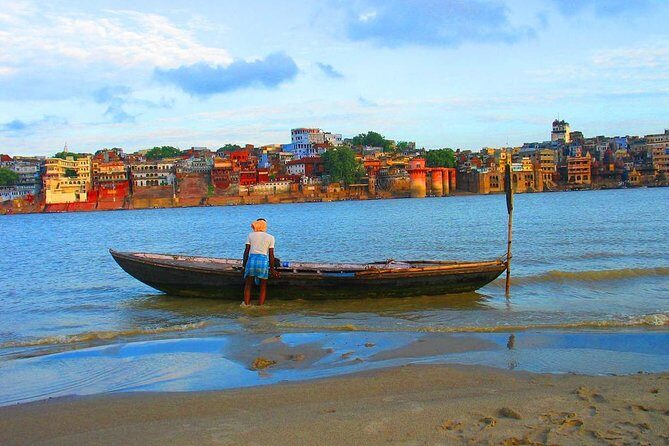
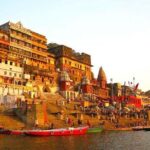
Varanasi hits different from the water. This 3-day private tour strings together Ganges boat rides and guided walks that cut through the old city on foot and by car. I especially like the way the schedule uses a dawn and sunset rhythm, so you catch pilgrims and rituals in the light when it matters. I also like that you get a serious food plan, with street-food stops rather than a quick taste and run.
One thing to consider: parts of Varanasi are crowded and the day-to-day pace is full, so it’s not ideal if you want lots of free time to wander independently. My favorite safety-in-the-mix detail is that the walk routes are handled with calm organization, including narrow lanes where you really want someone who knows where you’re going. You’ll also want to plan around temple access—especially the Golden Temple inner section, which has an optional ticket cost.
Key highlights you’ll feel on the ground
- Two private boat rides on the Ganges: dawn and sunset, timed for the best atmosphere
- Bengali Tola walk through residential lanes, including a temple, a private residence, and an ashram stop
- Market route focused on paan, spice, toys, and flowers, not just shopping
- Weavers district visit for hand weaving and Banarasi silk brocades and sari production
- Sarnath day with Dhamek Stupa, Ashoka Pillar, and the Sarnath Museum
In This Review
- Why this Varanasi tour works: water, streets, and meaning
- Day 1 in Varanasi: from Harishchandra Ghat lanes to a sunset Ganges ride
- Harishchandra Ghat and the Bengali Tola walk
- Evening boat ride and Manikarnika Ghat views
- Day 2: markets, weavers, Banaras Hindu University, Durga Temple, then a food-focused tour
- Godowlia bazaars: paan, spice, flowers, and small things with big meaning
- Lallapura weavers district: how Banarasi silk brocades are made
- Banaras Hindu University and Monkey Temple (Durga Temple)
- The Flavors of Varanasi food tour
- Day 3: sunrise on the Ganges, Kashi Vishwanath walk, then Sarnath’s Buddhist monuments
- Kashi Vishwanath Temple approach on foot
- Freshen up, then drive out to Sarnath
- Dhamek Stupa, Ashoka Pillar, and the Sarnath Museum
- Price and value: what $200 covers (and what it doesn’t)
- Practical tips for the Ganges, ghats, temples, and street food
- Boat rides: dress and timing matter
- Old city walking: shoes and patience win
- Temple entry: budget for optional access
- Street food: go with the guide’s rhythm
- Who this tour fits best (and who should skip it)
- Should you book this Varanasi private guided tour?
- FAQ
- FAQ
- How long is the Varanasi 3-day private guided tour?
- Is this tour private?
- Where does the tour start and where does it end?
- What time does the tour start?
- What’s included in the price?
- Are the Ganges boat rides included?
- Does the tour include Sarnath?
- Is the Kashi Vishwanath inner section ticket included?
- Can I cancel for a full refund?
- What’s the maximum number of people per booking?
Why this Varanasi tour works: water, streets, and meaning
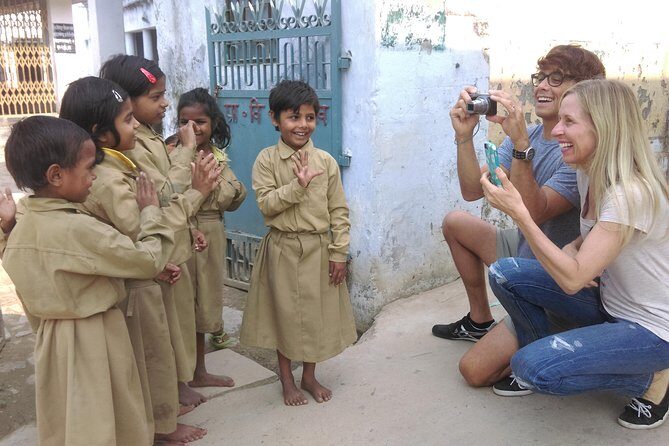
Varanasi can overwhelm you fast. The sensory overload is real: smoke, incense, river life, scooters squeezing past bikes, and constant motion at the ghats. What makes this tour easier is the balance of viewpoints. You’re not stuck watching everything from one angle.
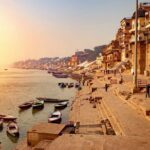
You’ll get two boat rides—one at dawn and one at sunset—plus walking routes where you go into the old city’s lanes. That combination helps you understand Varanasi as a lived-in place, not just a photo backdrop. It also gives you a rhythm: river scenes in the early and late hours, then markets and temples when the city’s working energy shifts.
I also like that the tour is structured as a true private experience with a chauffeur-driven car and a dedicated guide. In practical terms, that means less time negotiating transport and more time following a plan that makes sense hour by hour.
Day 1 in Varanasi: from Harishchandra Ghat lanes to a sunset Ganges ride
Day 1 starts with you meeting the guide and getting oriented in the old city area. You’re picked up from your hotel, and you’ll be brought toward the parts of Varanasi that visitors often struggle to navigate. The guide sets the tone early, explaining what you’ll see and how to watch respectfully.
You can also read our reviews of more guided tours in Varanasi


Harishchandra Ghat and the Bengali Tola walk
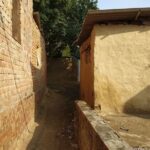
Next comes the Bengali Tola walk, which is one of the best ways to get your bearings fast. Instead of only sticking to the main tourist lanes, you walk through narrower alleys tied to residential life. You’ll visit a temple, a private residence, and an ashram during the walk. That blend of sacred spaces and everyday neighborhoods is the kind of detail that turns Varanasi from a list of sights into something you can actually picture.
A good tip here: wear shoes you can handle on uneven ground, and expect to pause when the lanes get tight. The goal isn’t to rush to the next corner—it’s to see how the city functions around you.
Evening boat ride and Manikarnika Ghat views
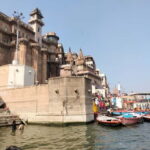
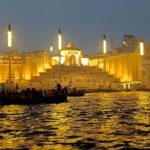
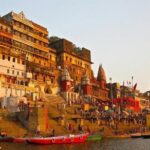
The highlight of Day 1 is the evening boat ride with sunset timing. From the water, you’ll watch river-side activity as the light changes. One very specific and unforgettable feature: you can watch cremation at Manikarnika Ghat from the boat.
Seeing cremations is not comfortable for everyone. If that topic bothers you, go in with eyes open. Still, from the boat, you’re not shoved right into the front row. You get a wider view of the river’s role in religion and life, with the sunset turning everything into silhouette and shape.
You’ll finish around key ghat areas, including Dasaswamedh Ghat, where the energy feels dense even from the river.
Day 2: markets, weavers, Banaras Hindu University, Durga Temple, then a food-focused tour
Day 2 is built for people who like to understand a place through how it’s made and what it tastes like. You start with market walking, then move into crafts, then food.
Godowlia bazaars: paan, spice, flowers, and small things with big meaning
The bazaar walk in the old city takes you through hidden lanes and stalls selling items like paan (betel leaf), spice, toys, and flowers. The value here isn’t that you’ll buy everything—it’s that you’ll learn how everyday trade connects to temple life and daily rituals.
You’ll smell spices and see colorful bundles that are tied to worship and home use. Even if you don’t shop, it’s a great way to slow down your mind and get out of the pure tourist mode.
Practical note: markets mean lots of visual input. If you’re overwhelmed easily, ask your guide to point out a few specific things rather than trying to absorb everything at once.
You can also read our reviews of more private tours in Varanasi

Lallapura weavers district: how Banarasi silk brocades are made
After the bazaar focus, you head to the weavers district at Lallapura Muslim School Road. This is where the tour turns from shopping and street scenes to craft technique.
You’ll learn about the life of the weavers and the process of hand weaving of famous Banarasi sari and silk brocades. You may notice that the weaving story doesn’t just feel like a workshop visit—it feels like a glimpse into a whole community’s work rhythms.
If you care about textiles, this is a strong reason to choose this tour over a more generic sightseeing day.
Banaras Hindu University and Monkey Temple (Durga Temple)
Next you visit Banaras Hindu University, a major academic landmark in Varanasi. After the drive around the university grounds, you go to the Monkey Temple (Durga Temple), painted in red and constructed in the 18th century by a queen from Bengal.
This stop gives you a break from the most intense ghats-and-lanes feel. It also adds a cultural contrast: the city isn’t only river ritual; it also has scholarship and layered temple traditions.
The Flavors of Varanasi food tour
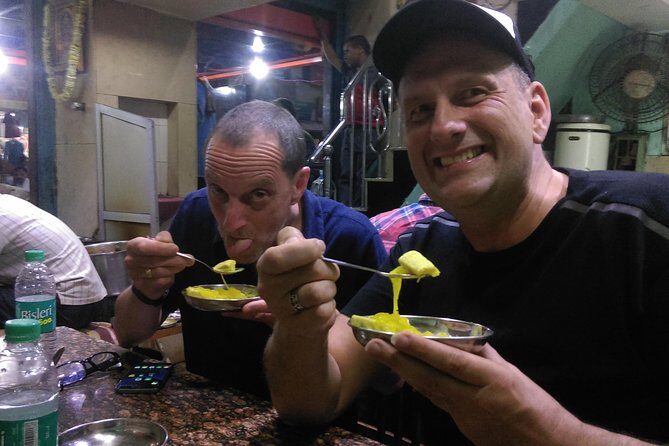
Day 2 closes with the Flavors of Varanasi Tour, focused on food. This part matters because Varanasi’s street food culture can be tricky to navigate safely on your own. The tour includes cost of food and beverages during the food tour, and you’ll stop at eateries for actual tastings rather than just passing by.
What I like most about a guided food sequence is that you’re not stuck guessing what’s worth trying. You can also ask questions on the spot: what locals eat, what’s best hot, and what to order if you’re cautious.
Just remember: Day 2 is walking-heavy. Bring water, keep your appetite balanced, and go easy if you have a sensitive stomach.
Day 3: sunrise on the Ganges, Kashi Vishwanath walk, then Sarnath’s Buddhist monuments
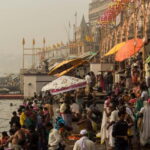
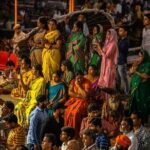
Day 3 starts with a morning boat ride on the Ganges. This is the quintessential Varanasi moment, and the timing is the whole point. At dawn, you’ll see pilgrims bathing and doing morning rituals, with early light adding clarity and reducing some of the midday chaos.
From there, you go into the old city for a walking route that leads to Shri Kashi Vishwanath Temple—often called the Golden Temple area.
Kashi Vishwanath Temple approach on foot
After the boat ride, you walk through the alleyways that lead toward Kashi Vishwanath. This matters because it’s not just about arriving at a temple. The approach shows you how the temple sits inside real streets, with daily life flowing around it.
You’ll also want to know this: entrance tickets for the inner section of the temple are optional and cost ₹550 per person. If you want that added access, build that into your budget.
Freshen up, then drive out to Sarnath
You return to your hotel for rest, freshen up time, and breakfast before heading to Sarnath. That break is practical. After river mornings and old-city walks, your brain needs a pause.
Sarnath is a different mood from Varanasi. It’s quieter, more garden-and-ruin framed, and focused on Buddhist landmarks.
Dhamek Stupa, Ashoka Pillar, and the Sarnath Museum
In Sarnath, you’ll walk around the garden area and see ruins of monasteries and temples. The tour includes key sites:
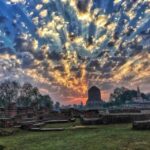
- Dhamek Stupa, described as marking the precise spot where Lord Buddha delivered his first sermon
- Ashoka Pillar, a polished sandstone pillar from the 3rd century BCE, associated with Emperor Ashoka, featuring the Lion Capital that serves as the official emblem of India
- Sarnath Museum, noted as the oldest site museum of India, with findings and excavations by the Archaeological Survey of India
This is one of those days where the details do the work. If you like monuments, inscriptions, and material history, you’ll appreciate seeing artifacts placed in a museum context right after walking the ruins outside.
Price and value: what $200 covers (and what it doesn’t)
At $200 per person for a 3-day private guided tour, the value is tied to how much is included and how much is handled for you.
Included highlights:
- Hotel pickup and drop-off
- Private tour with a chauffeur-driven car
- Two private boat rides (morning and evening)
- Dinner
- Cost of all food and beverages during the street food tour
Not included:
- Meals apart from the street food tour
- Airport transfers to and from your hotel
- Optional entrance tickets for the inner section of Kashi Vishwanath (₹550 per person)
Here’s how I’d judge it for my own trip: boat rides in a city like Varanasi, plus private transport and a guide for multiple days, can add up quickly when booked separately. This tour rolls a lot of those moving parts into one price. If you’re the kind of traveler who hates logistics and prefers a plan that runs on time, that’s where this pricing tends to feel fair.
If you mostly want temples only and you’re comfortable arranging your own boats and street food stops, you might feel like the price is heavy. But if you want the full Varanasi experience with guidance and timing, it’s a solid deal.
Practical tips for the Ganges, ghats, temples, and street food
A trip like this is as much about small choices as it is about big sights.
Boat rides: dress and timing matter
For both boat rides, expect early hours and changing light. Wear clothing you don’t mind getting a little dusty or breezy. Plan to bring water and keep your phone secured; river air and crowd movement can create surprise moments.
Also, if you’re sensitive to the idea of cremations, remember that the sunset boat ride includes a view of Manikarnika Ghat activity. You can look from a distance, but you’ll still be seeing it.
Old city walking: shoes and patience win
Narrow lanes are part of the point—especially on the Bengali Tola and bazaar walks. Bring shoes with grip and be ready for stops. Good guides slow you down so you don’t just survive the street.
Temple entry: budget for optional access
Kashi Vishwanath includes the walk to the temple, and inner section access has an optional ticket price. If inner access is important to you, budget for it. If not, you can still have a meaningful visit without paying for extra entry.
Street food: go with the guide’s rhythm
The street food tour includes food and beverages. Still, I recommend starting with small bites even if you’re a confident eater. You’ll get a better range of flavors when your stomach isn’t overloaded.
Who this tour fits best (and who should skip it)
This private 3-day plan is ideal if you want:
- Guided Ganges boat rides (dawn and sunset)
- A walking day that includes residential lanes, not only big-name ghats
- Street food with guidance
- A full day trip to Sarnath with major Buddhist landmarks
It may not fit if:
- You want lots of downtime and spontaneous sidetracks
- Cremation scenes are a hard no for you
- You’re traveling with very limited walking ability (the day involves multiple walks)
Group size stays small—maximum 05 people per booking—so you’re not stuck in a huge bus-tour shuffle.
Should you book this Varanasi private guided tour?
If you want an organized, close-up Varanasi experience that mixes water views, old-city lanes, craft culture, and a real food plan, I think this is worth your money. The biggest strengths are the timing (dawn and sunset boats), the guided navigation through narrow streets, and the added Sarnath day that keeps you from feeling stuck in only one neighborhood.
I’d book it if you value guidance and want to feel safe and on-track while you explore one of India’s most intense cities. I’d also consider it if you’re curious about how Varanasi works day to day—from paan and spice markets to weaving and temple approaches—rather than only taking in the famous sights.
FAQ
FAQ
How long is the Varanasi 3-day private guided tour?
It runs for approximately 3 days.
Is this tour private?
Yes. It’s a private tour, meaning only your group participates.
Where does the tour start and where does it end?
It starts at St. Thomas Church on Luxa Rd, Luxmanpura, Ramapura Luxa, Varanasi, Uttar Pradesh 221001, India, and ends back at the meeting point.
What time does the tour start?
The start time is listed as 3:00 pm.
What’s included in the price?
The tour includes hotel pickup and drop-off, a private chauffeur-driven car, two private boat rides, dinner, and the cost of all food and beverages during the street food tour.
Are the Ganges boat rides included?
Yes. Morning and evening boat rides are included, with one timed at dawn and one at sunset.
Does the tour include Sarnath?
Yes. Day 3 includes a drive to Sarnath and visits to key Buddhist sites including Dhamek Stupa, Ashoka Pillar, and the Sarnath Museum.
Is the Kashi Vishwanath inner section ticket included?
No. Entrance tickets for the inner section are optional and cost ₹550 per person.
Can I cancel for a full refund?
Free cancellation is available up to 24 hours in advance of the experience start time for a full refund.
What’s the maximum number of people per booking?
The maximum is 05 people per booking.