REVIEW · VARANASI
Varanasi Cooking Classes with Indu and Shobha
Book on GetYourGuide →Operated by Shwetank Rao Tripathi · Bookable on GetYourGuide
A home cooking class in Varanasi matters. This one is taught by Indu and Shobha, local women who bring decades of experience and run the lesson in their own home. I especially like the hands-on thali focus (Dal, Rice, Chapati, and Curry) and the warm family feel that makes the meal go beyond just eating. One drawback: transport to and from the home isn’t included, so you’ll want to plan your own ride.
This class runs around 11 AM and lasts 2–3 hours, with instruction in English. You’ll learn how Indian dishes are built step by step, and you’ll be able to ask questions along the way. Because it’s listed as wheelchair accessible, it can work for mobility needs, though you’ll still want to be realistic about a home setting.
You’ll cook a vegetarian menu with options that can include Palak Paneer, Malai Kofta, Naan, Gulab Jamun, and more. At the end, you eat what you made together, and there’s time for conversation that helps the food make sense. If you want a purely fast, no-chat class, this may feel a bit too social (in a good way).
In This Review
- Key highlights worth planning for
- Why Indu and Shobha’s Home Cooking Feels Different
- Thali Lessons: Dal, Rice, Chapati, and Curry (and how it all connects)
- A typical 11 AM session: what you’ll do in 2–3 hours
- Spices and technique: the lessons you can actually recreate
- The meal isn’t the only attraction
- Price and value: is $40 worth it?
- Who should book this cooking class in Varanasi?
- Practicalities: timing, meeting point, and getting there
- Should you book?
- FAQ
- What is the duration of the cooking class?
- What time does the class start?
- How much does it cost?
- Is the class vegetarian?
- What dishes are included in the thali format?
- What’s included in the price?
- What is not included?
- Is instruction available in English?
- Where do I meet the host?
- Is the class wheelchair accessible?
Key highlights worth planning for
- Local women hosts: Indu and Shobha teach from their own Varanasi home.
- Thali as the backbone: Dal, Rice, Chapati, and Curry are the main lesson format.
- Vegetarian only: Everything you cook is vegetarian, with variety available.
- Real spice and technique training: You practice how dishes actually come together.
- Food is included: You eat the meal you cook, not a small snack.
- English instruction: You can follow comfortably without needing a translator.
Why Indu and Shobha’s Home Cooking Feels Different
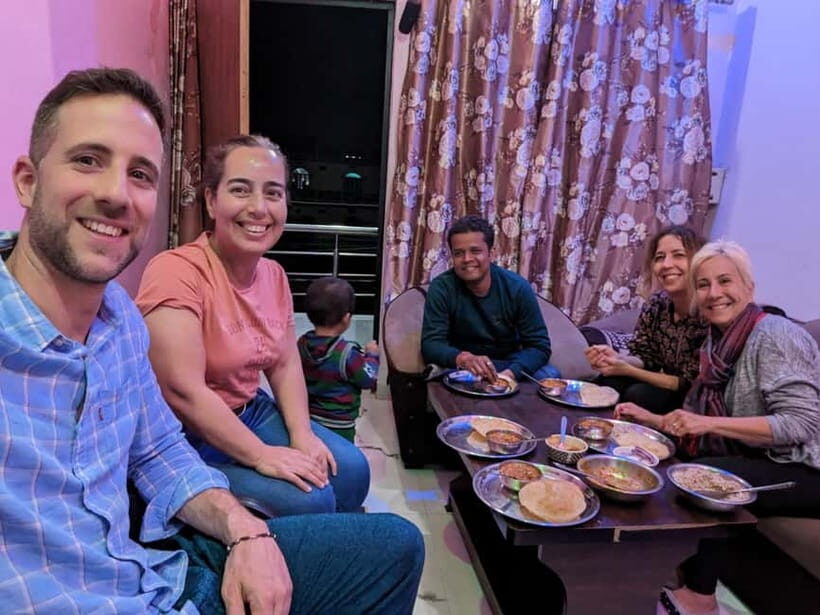
Cooking classes can be fun, but the best ones teach you how people actually eat and cook at home. Here, Indu and Shobha host you in their own Varanasi space, so the lesson feels grounded, not staged. You’re not watching a performance; you’re working at a kitchen pace with real ingredients and real tools.
I like that the teaching is organized around a thali structure. That matters because it trains your palate and your technique in a logical order: grains and breads, lentils, a curry, then the supporting flavors (like chutney or raita if it’s part of your session). You leave with a mental map, not just a list of recipes.
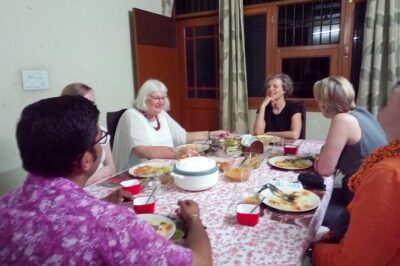
The other big plus is the hospitality. People describe feeling welcomed like family, with laughter and easy conversation around the table. It’s the kind of class where you can ask why a spice blend works, not just how to follow steps.
You can also read our reviews of more cooking classes in Varanasi
Thali Lessons: Dal, Rice, Chapati, and Curry (and how it all connects)
The core menu is a vegetarian thali built from four dishes: Dal, Rice, Chapati, and Curry. This setup is smart for two reasons. First, you learn the main Indian comfort-food categories in one sitting. Second, you understand how they work together, so your final meal tastes like a meal instead of separate dishes.
For Dal, you’re likely working toward a version that can taste like Dal Tadka style—layering flavor with spices and fat in a way that makes lentils exciting. For rice, you learn how to cook it as a partner to lentils and curry, not a bland side.
Chapati is where technique shows up fast. You’ll practice making dough and rolling, and you’ll learn how texture and heat change the result. Even if you’ve cooked flatbread before, this is the part that helps you understand Indian cooking’s “feel-based” side.
Then comes the curry. The class is designed so the curry isn’t random. It’s built with spices and steps that match what you’re learning elsewhere in the thali. You may also be taught additional dishes such as Malai Kofta, Naan, Gulab Jamun, or Palak Paneer, depending on your interests and what’s offered that day.
A typical 11 AM session: what you’ll do in 2–3 hours
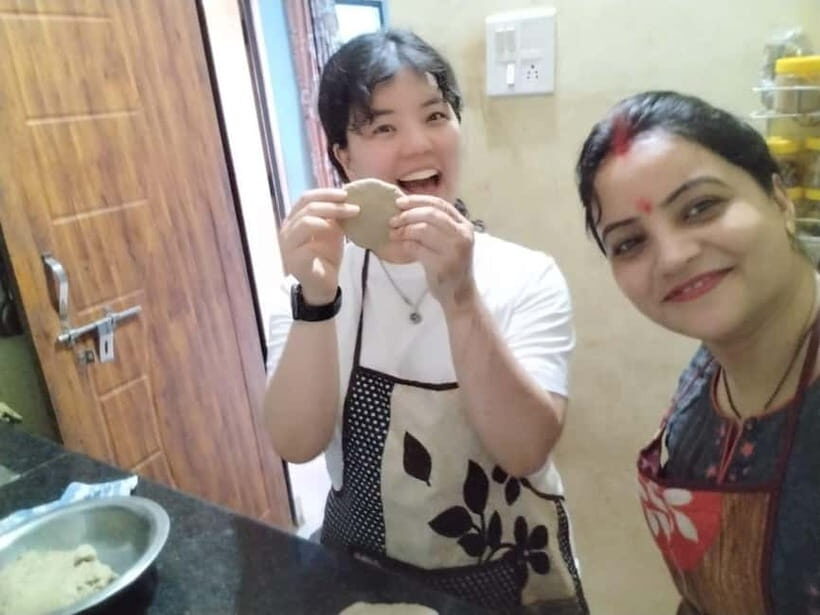
The class starts around 11 AM and runs about 3 hours. Plan it like a mini-life event: arrive hungry, but with patience for an unhurried kitchen rhythm. This is not a speed-run cooking video; it’s more like learning a craft.
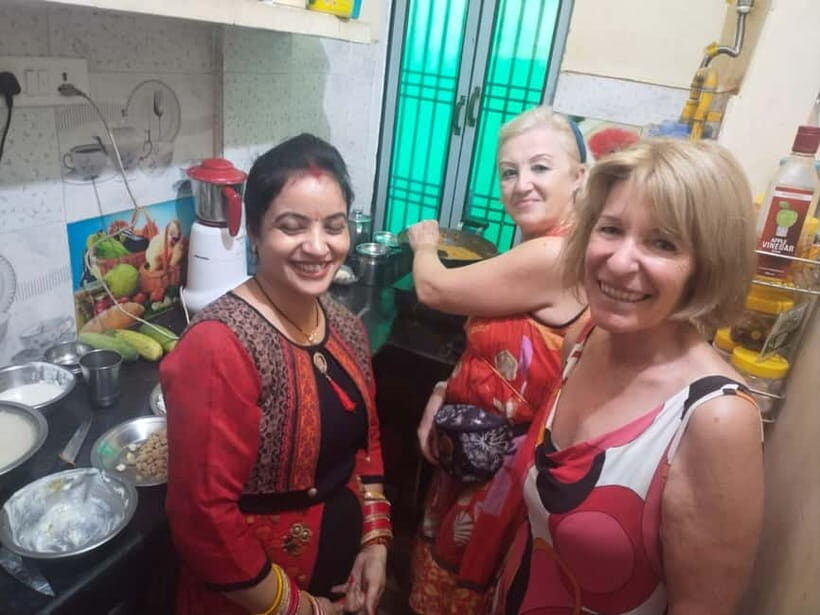
In the beginning, you’ll get oriented in the home kitchen and start with prep. That prep phase is where you learn how ingredients are handled—what gets chopped, what gets measured, and how spices are used during cooking rather than dumped in at the end. You’ll also get a sense of how Indu and Shobha organize tasks so everything finishes at the same time.
Next, you move into the main thali items. You’ll work through a set of dishes designed to teach different cooking skills: lentils/spice timing for Dal, heat and dough handling for Chapati, rice basics for the grain foundation, and curry building for the saucy center.
In many sessions, you may also make extra items beyond the core thali structure, such as chutney, raita, or specific variations of vegetable curries. One reason this class gets such strong feedback is that the kitchen time includes both cooking and conversation, so you’re not left with only the result—you understand the logic behind it.
Finally, you eat together. The meal you cooked becomes your tasting lesson: you can compare flavors across dishes and start thinking like a cook, not just an eater. If you’ve got questions afterward, the hosts are used to answering them, including how to reproduce flavors back home.
Spices and technique: the lessons you can actually recreate
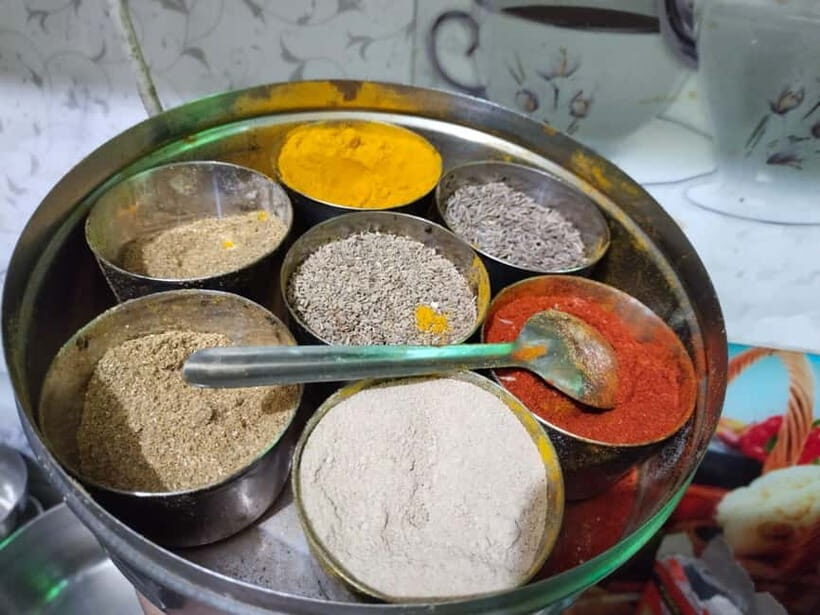
A good cooking class gives you methods you can repeat without living in India. This one focuses on that. You’re taught how spices behave in heat, how different dishes balance one another, and which steps matter most.
One standout takeaway people often mention is chutney. When chutney is made at home in the Varanasi style, it’s not just a condiment—it’s a flavor organizer. It sharpens lentils, lifts curry, and adds that punchy contrast that makes the whole thali feel complete.
You’ll also get technique guidance that helps you cook when your kitchen setup is different. For example, you might learn tips for recreating results even if you don’t have the same stovetop setup. The point isn’t to copy exactly; it’s to understand why a step works so you can adapt with what you have.
If you want to bring something home immediately, you might be able to purchase homemade spice and chai mixes from the hosts. That’s useful for two reasons: you get a shortcut to authentic flavor, and you get something you can use right away while your memory of the class is fresh.
The meal isn’t the only attraction
The “food included” part is real, but the better value is the human part around the meal. You cook together, then you sit together, and you end up chatting while you eat what you made. That’s not just pleasant. It helps you connect food terms to real tastes.
Indu and Shobha’s teaching style comes through as patient and friendly, with a pace that works for non-experts. If you’re traveling solo, this is a rare setup where you’re not stuck in a silent tour-group bubble. You can ask questions, compare how you cook at home, and leave with a clearer sense of what makes Indian food taste Indian.
Even the small moments matter. People describe the hosts making practical help easier too, such as assisting with arranging a taxi if you need support getting back after the class. That kind of real-world kindness turns the session into a smoother part of your day.
You can also read our reviews of more tours and experiences in Varanasi





Price and value: is $40 worth it?
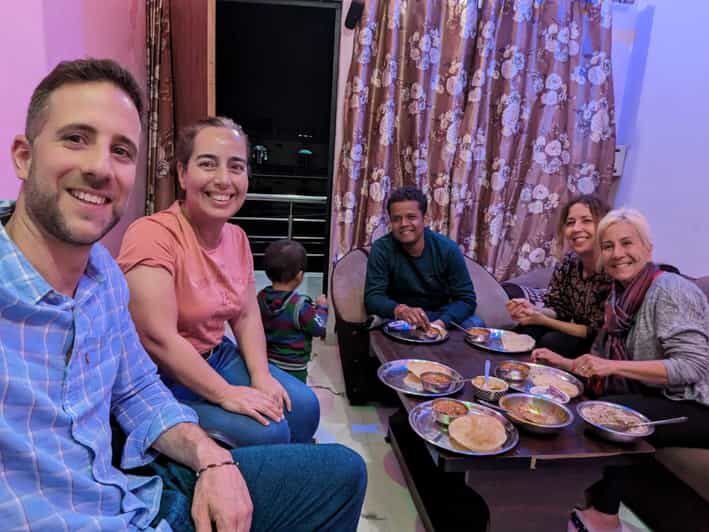
At $40 per person for 2–3 hours, this is priced like a serious cultural activity rather than a quick demonstration. You get instruction from Indu and Shobha, cooking materials, and the food you make. In many cooking experiences, the “ingredient portion” can feel small. Here, the thali format supports a full meal, so the value lands more naturally.
The one thing that can change your total cost is transport. Pickup and drop-off aren’t included, so add what you’ll pay for your ride to and from the meeting point. If you’re already moving around Varanasi that day with a taxi anyway, the logistics cost may be minimal.
For me, this class is best value if you want more than recipes. If you want technique, spice logic, and a chance to eat a real thali you helped cook, $40 makes sense.
Who should book this cooking class in Varanasi?
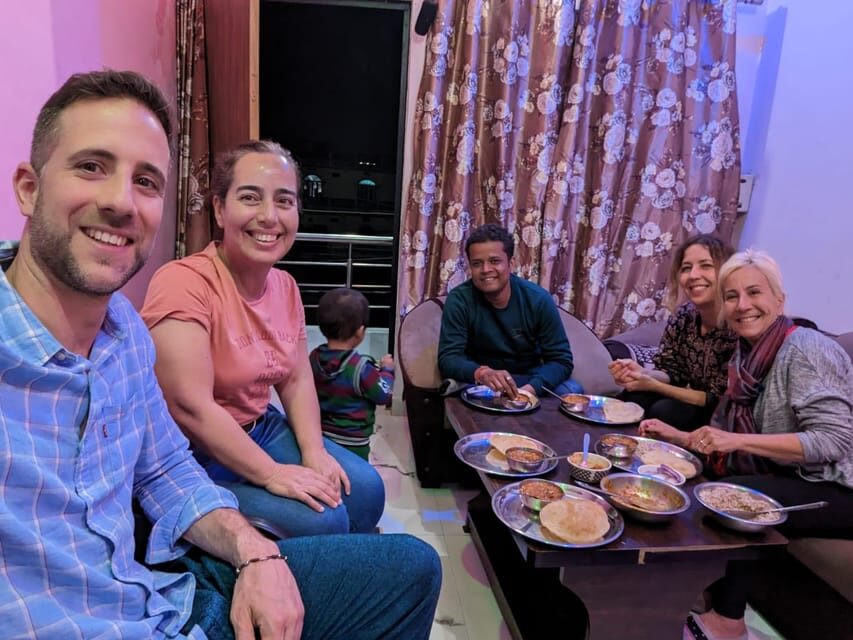
This fits you if you’re the type who likes practical learning and a lived-in experience. It’s a strong choice for food lovers who want vegetarian Indian cooking fundamentals, and for travelers who enjoy meeting locals in an actual home setting.
It’s also a good fit if you want flexible dish options beyond the base thali. The class can include things like Malai Kofta, Naan, Gulab Jamun, or Palak Paneer, so you can steer toward what you truly want to learn.
If you’re not comfortable with a slower, conversation-friendly pace, or if you need very strict timing, you’ll want to think carefully. The class is a home experience, so it won’t feel like a factory schedule.
Practicalities: timing, meeting point, and getting there
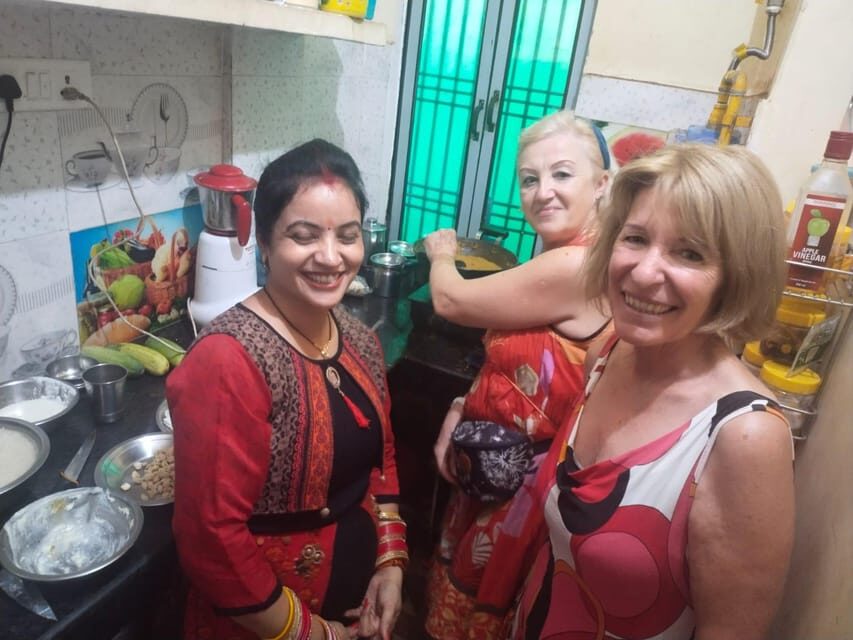
The class starts around 11 AM daily, and the meeting point may vary based on your booking option. Because transport for pickup and drop-off isn’t included, I’d plan your ride before you go. If you’re staying somewhere convenient for taxis, it becomes much easier.
The hosts communicate in English, which removes a big friction point for many visitors. Also note that the class is listed as wheelchair accessible, which is a helpful baseline if mobility is part of your planning.
Should you book?
Yes, if you want a hands-on vegetarian thali lesson in a real Varanasi home with Indu and Shobha, plus a meal at the end that you cooked yourself. The price is reasonable for the time and the included food, and the English instruction makes it accessible.
Skip it or plan carefully if transport is a problem for you or if you only want a very short, structured cooking demo. This is a kitchen-and-table experience, and the best results come when you’re ready for spices, questions, and shared eating.
FAQ
What is the duration of the cooking class?
The class lasts about 2 to 3 hours. Starting times can vary slightly, so checking availability for your preferred date helps.
What time does the class start?
The class starts around 11 AM every day. You’ll want to arrive a bit early so you can settle in before cooking begins.
How much does it cost?
The price is $40 per person.
Is the class vegetarian?
Yes. The class teaches vegetarian food only.
What dishes are included in the thali format?
The main thali includes four dishes: Dal, Rice, Chapati, and Curry. Additional options may include Malai Kofta, Naan, Gulab Jamun, and Palak Paneer.
What’s included in the price?
Food and materials for cooking are included.
What is not included?
Transport for pickup and drop-off is not included. Anything apart from the food is also not included.
Is instruction available in English?
Yes. The host or greeter speaks English.
Where do I meet the host?
The meeting point may vary depending on the option you book.
Is the class wheelchair accessible?
It is listed as wheelchair accessible.